



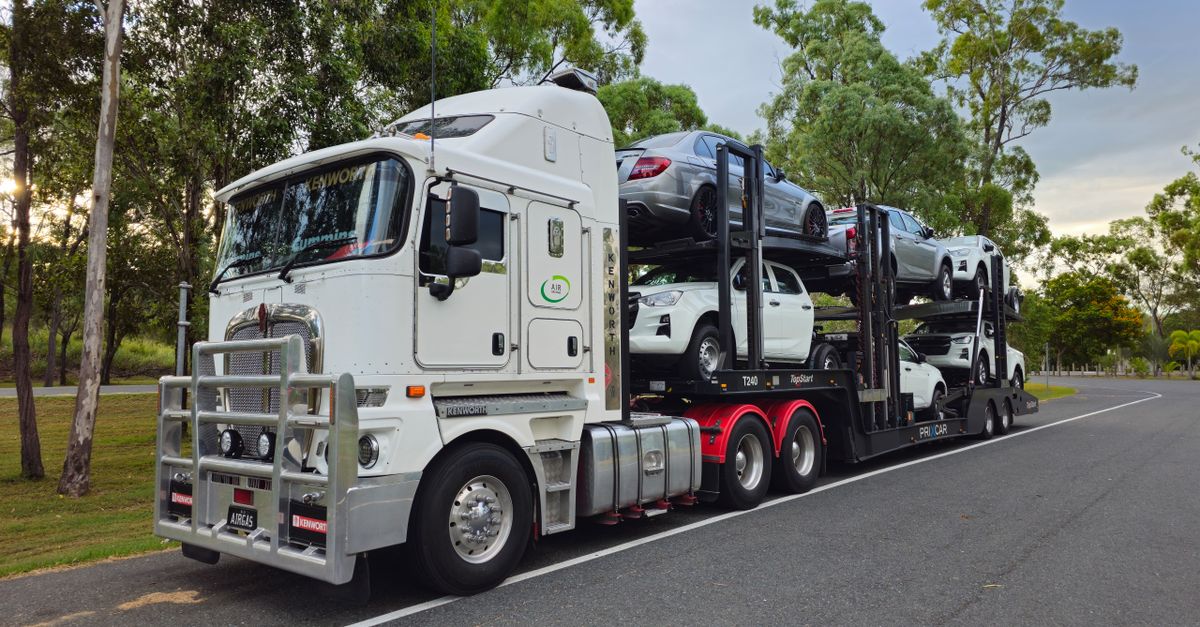
Reserving an in-transit vehicle before it physically arrives at the dealership gives you the advantage of securing the exact model, trim, or color you want—often avoiding waiting months for a factory order or competing with other buyers for a high-demand arrival. When a vehicle is listed as “in transit,” it means it has been built and is currently being shipped to the dealership. At this stage, buyers can often reserve the vehicle by working directly with the dealer, clarifying reservation terms, and placing a deposit to hold their place in line.
At Gates GMC Nissan, our team specializes in guiding buyers through the reservation process for in-transit GMC and Nissan models as well as pre-owned arrivals. We provide transparency and expert assistance from the moment you express interest until your vehicle arrives, ensuring all questions about timing, deposit, and availability are answered clearly.
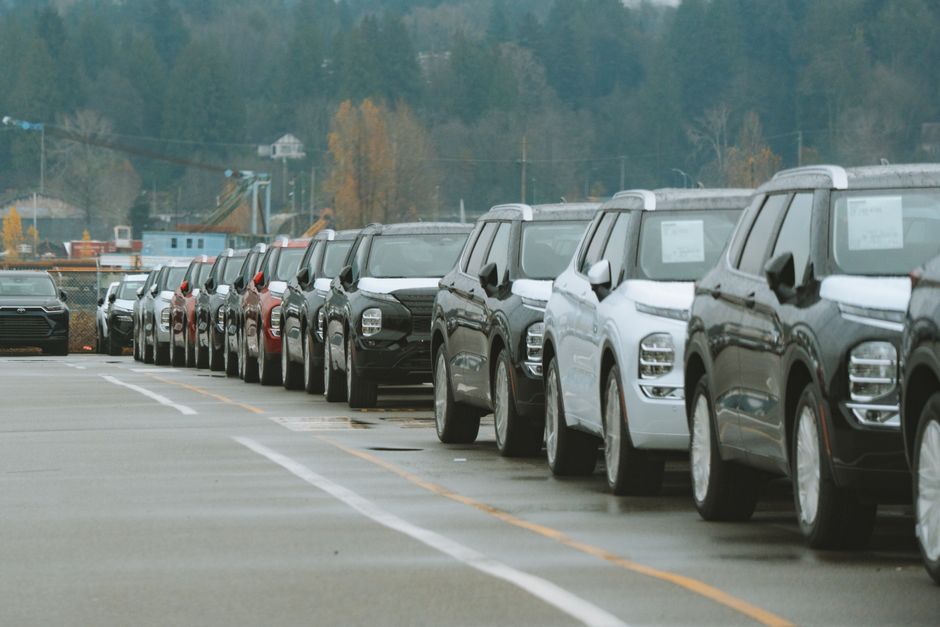
Definition: What Is an In-Transit Vehicle?
An in-transit vehicle is a new or pre-owned vehicle that has left the manufacturing plant or previous location and is currently being shipped to a dealership. The major difference from a vehicle “on the lot” is timing—the vehicle is not yet available for immediate pickup but is spoken for ahead of arrival, reducing risk for buyers who want a specific configuration.
Step-by-Step: How to Reserve an In-Transit Vehicle
1. Find the Right Model and Configuration
Begin your search by specifying the details most important to you, such as brand, model, trim, drivetrain, color, and essential options. At Gates GMC Nissan, you can explore our in-transit inventory to view models already on the way or contact our sales team for assistance in locating matching units.
2. Contact the Dealership Immediately
Once you identify a potential fit, call the dealership promptly and confirm the vehicle’s status—many buyers are interested in the same incoming models, especially for popular trims or colors.
3. Clarify the Reservation Process
The precise reservation method can vary between dealerships. Always ask:
- Is a deposit required to hold the vehicle?
- How long does the reservation hold last?
- Is the deposit refundable and does it apply toward the purchase?
- Are there any additional requirements, such as credit approval or signed forms?
- Will you receive the Vehicle Identification Number (VIN) or a written acknowledgment?
4. Get All Terms in Writing
Always request a written document specifying the model, VIN (if available), reservation length, deposit amount and policy, refund details, and any negotiated pricing or conditions. This documentation avoids confusion later and protects both buyer and seller.

5. Place the Deposit and Confirm Reservation
Most dealerships—including Gates GMC Nissan—require a deposit to officially reserve an in-transit vehicle. The amount may vary depending on model and demand. Using a credit card for this deposit is recommended for added protection and clear transaction records.
6. Complete Financing or Pre-Approval Early
Getting pre-approved for financing or confirming payment arrangements in advance signals that you are a serious buyer. At Gates GMC Nissan, you can use our quick credit app to move forward without delay when your reserved vehicle arrives.
7. Maintain Ongoing Communication
Stay in close contact with your sales consultant from reservation through delivery. Ask for updates about the transport timeline, estimated arrival, and next steps. If anything changes—such as shipping delays, early arrival, or equipment updates—prompt communication is essential.
Best Practices for Reserving an Incoming Vehicle
- Move quickly if you see an in-transit vehicle that matches your needs—these vehicles are often reserved fast due to demand.
- Request written confirmation for every agreement, especially regarding deposits and reservation terms.
- If you have a trade-in, begin the appraisal process in advance to streamline your purchase. Gates GMC Nissan makes this easy with our online trade valuation tool.
- Compare arriving vehicles to in-stock options—you may find a great alternative already available. We encourage buyers to view our full inventory as well.
- Keep all email and document records until after the transaction is completed.
Potential Risks and How to Protect Yourself
- Delays can occur due to transport issues or inspection. Ask for realistic timelines and stay in regular communication to avoid surprises.
- Damage in transit is rare but possible. Confirm what will happen if the vehicle arrives with issues. Inquire about inspection processes at Gates GMC Nissan—our team thoroughly checks all vehicles upon arrival.
- If you change your mind, understand the deposit’s refundability upfront. This prevents frustration if plans shift while you wait for delivery.
What Happens When the Vehicle Arrives?
As soon as your reserved in-transit vehicle arrives at our North Windham, CT location, Gates GMC Nissan performs a detailed inspection. We notify you right away, review paperwork, and confirm that the vehicle matches all specifications listed in your agreement. Buyers may then finish financing arrangements, view or test drive the car, and schedule pickup or delivery.
Why Reserve with Gates GMC Nissan?
As a family-owned dealership serving the region since 1986, Gates GMC Nissan offers full transparency and a highly detailed reservation process for all new GMC, Nissan, certified pre-owned, and used vehicles—including incoming inventory. We provide:
- Personalized assistance from expert product specialists.
- Flexible trade-in options (we take anything in trade—boats, trains, even planes!).
- Simple, secure online tools for inventory search, test drives, financing applications, and trade appraisals.
- No-pressure, transparent communication backed by genuine customer reviews.
This commitment to clarity and support sets us apart from typical dealerships and ensures you have confidence in every step of your reservation journey.

Quick Checklist for Reserving an In-Transit Vehicle
- Identify the precise vehicle and options you want.
- Contact the dealership quickly for current status.
- Request reservation terms and hold policies in writing.
- Clarify deposit amount, refund rules, and purchase price.
- Ask for the VIN or vehicle description for your records.
- Complete pre-approval for financing or have your payment ready.
- Maintain open communication until the vehicle arrives.
Frequently Asked Questions
What documents do I need to reserve an in-transit vehicle at Gates GMC Nissan?
Typically, you’ll need a valid photo ID and a deposit. Some reservations may require a completed credit application or proof of financing, especially for specialty or high-demand models. Always ask our team for the current requirements.
Is my deposit refundable?
Deposit policies vary by situation. At Gates GMC Nissan, we are transparent about refundability before accepting any funds. Make sure to get this detail in writing prior to committing.
How will I know when my vehicle arrives?
Your dedicated Gates GMC Nissan sales consultant will stay in touch with updates via phone or email. You’ll be notified immediately upon arrival, after inspection, and for next steps toward pickup or delivery.
Can I switch to a different vehicle if I find something else while waiting?
In many cases, yes. Let us know as soon as possible if your preferences change. Our inventory, both in transit and on the lot, is updated frequently and we can help you explore all available options—sometimes even matching you to something ready-to-drive right away.
What if the vehicle arrives with different equipment or options?
Upon arrival, we thoroughly inspect all vehicles to confirm they match the specifications detailed in your reservation documents. If something is amiss, we will notify you immediately and discuss solutions—your satisfaction is our top concern.
Related Reading
- Certified Pre-Owned vs Used vs New: Which One Makes Sense for Connecticut Drivers in 2026?
- How Trade-Ins Work at Gates GMC Nissan: From Paid-Off Cars to Loans, Leases, and Anything You Bring
Conclusion
Reserving an in-transit vehicle is one of the most effective ways to secure your next car, truck, or SUV—especially if you have specific preferences or need to move quickly. By following a clear, step-by-step approach and working with a trusted dealership like Gates GMC Nissan, you get the benefit of expert guidance, transparent communication, and a smooth journey from reservation to delivery.
Ready to explore in-transit options or get personalized help? You can contact Gates GMC Nissan online, call our sales team, or visit us in North Windham, CT. Experience the difference with our family-owned, customer-first process, and get the vehicle you want—your way.

Making the decision between an older car with low miles and a newer car with high miles can be complex, especially if your goal is long-term dependability and value for your investment. The expert consensus—borne out over years of automotive observation—is that neither age nor mileage alone tells the complete story. At Gates GMC Nissan, our experience with both new and used vehicles informs how we guide customers through this nuanced decision. Ultimately, the smartest buy is the one that demonstrates a strong maintenance history, clean inspection results, and matches your daily driving habits, not simply the one with the lowest odometer or the newest model year.
If you are buying in Connecticut or anywhere that sees four seasons, there are added considerations for how both age and mileage interact with local road conditions, rust, and wear. Read on for guidance from the region’s go-to car experts at Gates GMC Nissan to help you compare options and make a fully informed choice.
Definition: Mileage vs Age in Used Cars
Mileage is the total distance a car has driven, as recorded on the odometer. Age refers to the number of years since the vehicle was manufactured. Both impact value, reliability, and which parts may need servicing or replacement soon.
Direct Comparison: Which Is the Better Buy?
- Newer, high-mileage vehicles are often preferable if they came from a single owner with verifiable, regular maintenance, were driven mostly on highways, and have up-to-date safety features. These vehicles may have higher odometer numbers but often experience less wear than their mileage suggests.
- Older, low-mileage vehicles might offer a lower purchase price and less mechanical wear due to fewer miles but can be more vulnerable to time-based aging—like dry rotted seals, battery degradation, and electronic component failures—even if the mileage is low.
At Gates GMC Nissan, we find that focusing on how the car was driven and maintained leads to more reliable outcomes than simply favoring newer or lower-mileage options.
Key Factors for Smarter Car Buying
- Maintenance History: Regularly serviced vehicles are likely to run smoother and last longer, regardless of age or miles.
- Driving Patterns: Highway miles are generally less taxing than city driving. Vehicles used more for long trips often outlast those with similar mileage used for short commutes.
- Ownership Intent: If you plan to keep the car for many years, newer vehicles with higher miles but newer technology are beneficial. For short-term ownership or second vehicles, older models with minimal use may be reasonable, if inspected thoroughly.
- Inspection Results: Always insist on a pre-purchase inspection. A professional review can reveal hidden issues related to long-term non-use or aggressive, high-mileage driving.
When Does Each Option Make Sense?
Best Times to Choose a Newer, High-Mileage Vehicle
- You need newer safety features, like advanced braking, collision warnings, or connectivity options.
- Your driving involves mostly highway routes.
- You plan to upgrade again in a few years and want the best residual value in a newer body style.
- The car comes with a transparent service history, indicating consistent care.
Best Times to Choose an Older, Low-Mileage Vehicle
- You drive a modest number of miles each year and don’t prioritize the latest features.
- The car was regularly exercised and maintained, not just stored for years.
- You want to minimize initial purchase cost while being vigilant about possible age-related component failures.
How to Evaluate Two Vehicles: A Step-by-Step Approach
- Review Price Versus Condition: Don’t just compare age and miles—look for which car offers the best overall condition for the money.
- Read Maintenance Records: Scan for oil changes, major repairs, or gaps in service.
- Analyze Usage: Determine if the miles were mainly accrued on highways, in the city, or a mix.
- Get an Expert Inspection: Have a technician check for rust, tire and brake wear, hidden leaks, and any upcoming service needs.
- Request a Vehicle History Report: CarFax or similar documentation can show if the vehicle was in accidents or experienced significant repairs.
- Estimate Ownership Costs: Include insurance, likely repairs, fuel, and depreciation over your intended ownership period.

Critical Red Flags Beyond Age and Mileage
- Inconsistent or absent service records
- Prices far below market averages
- Signs of frame rust, water intrusion, or severe wear
- Unusual noises, leaks, or dashboard warning lights during test drives
- Odometer readings that are highly unusual for the car’s age
Every car we offer at Gates GMC Nissan undergoes a rigorous inspection to minimize the risk of these issues for our customers.
Best Practices for Connecticut Car Shoppers
- Always schedule a pre-purchase inspection, especially if buying a used car from a private party.
- Consider certified pre-owned options—these vehicles are newer, thoroughly inspected, and often come with warranty coverage.
Learn more on our certified pre-owned page. - Factor in ownership history: buying from one owner who serviced at dealerships can offer more peace of mind.
- Assess climate impact: New England winters can accelerate rust and wear, especially in older cars that sat unused.
- Weigh technology upgrades versus budget constraints—modern safety features can mean savings and peace of mind over time.
For more regional advice, see our in-depth guide What to Look for When Buying a Used Car in Connecticut.
How Gates GMC Nissan Supports Your Decision
- Comprehensive inventories of both new and lightly used late-model vehicles
- Certified pre-owned GM and Nissan models with documented inspection and history
- Pre-purchase inspection available by GM- and Nissan-certified service technicians
- One-stop trade-in evaluations, financing, and even work-ready commercial vehicle options
- Service, repair, and OEM parts for nearly any make or model
- Convenient online tools to browse used inventory, new car inventory, and find the right model for you
You can schedule a test drive or value your trade-in easily from home, or visit us in North Windham for face-to-face guidance.
Frequently Asked Questions
Should I avoid high-mileage cars entirely?
Not necessarily. A newer car with higher highway mileage and thorough service records may prove more reliable than an older car with low, city-accumulated miles and questionable upkeep. Pre-purchase inspection and transparent history are more important than a mileage threshold.
What are common maintenance concerns for low-mileage, older cars?
Aging seals, dried-out rubber, corroded electronics, flat-spotted tires, and old fluids—even if mileage is low. Non-use can be as harsh as overuse in some cases. Always inspect thoroughly.
Are certified pre-owned vehicles a good compromise?
Often, yes. These cars are typically newer models with moderate miles, have passed manufacturer inspections, and come with added warranty protection. Gates GMC Nissan offers a comprehensive certified pre-owned program for both GM and Nissan vehicles.
Does technology in newer cars really make a difference?
For many buyers, modern safety and connectivity features in newer vehicles provide clear advantages, from collision mitigation to emergency connectivity and convenience. If these features matter to you, newer models—even with higher mileage—might be the best buy.
How can Gates GMC Nissan help me directly compare vehicles?
Our experienced staff will help you review maintenance records, provide on-site inspection, and transparently discuss the pros and cons of any vehicle you are considering. With side-by-side comparisons, certified repair teams, and easy online tools, we streamline the decision process.
Conclusion
The best buy comes from an honest assessment of condition, maintenance history, driving patterns, and your intended use cases—not simply age or mileage. Whether you ultimately decide on an older, low-mileage vehicle or a newer, high-mileage one, the advice from the experts at Gates GMC Nissan remains the same: prioritize well-documented care, a passing inspection, and features that align with your daily needs. Our team is here to help at every step—from comparison shopping to long-term service—so you can buy with confidence and clarity.
Ready to take the next step? Explore our selection, schedule a test drive, or value your trade today. For tailored advice on your unique situation, contact us at Gates GMC Nissan in North Windham, CT. We’re here to make your decision smarter and your purchase experience exceptional.
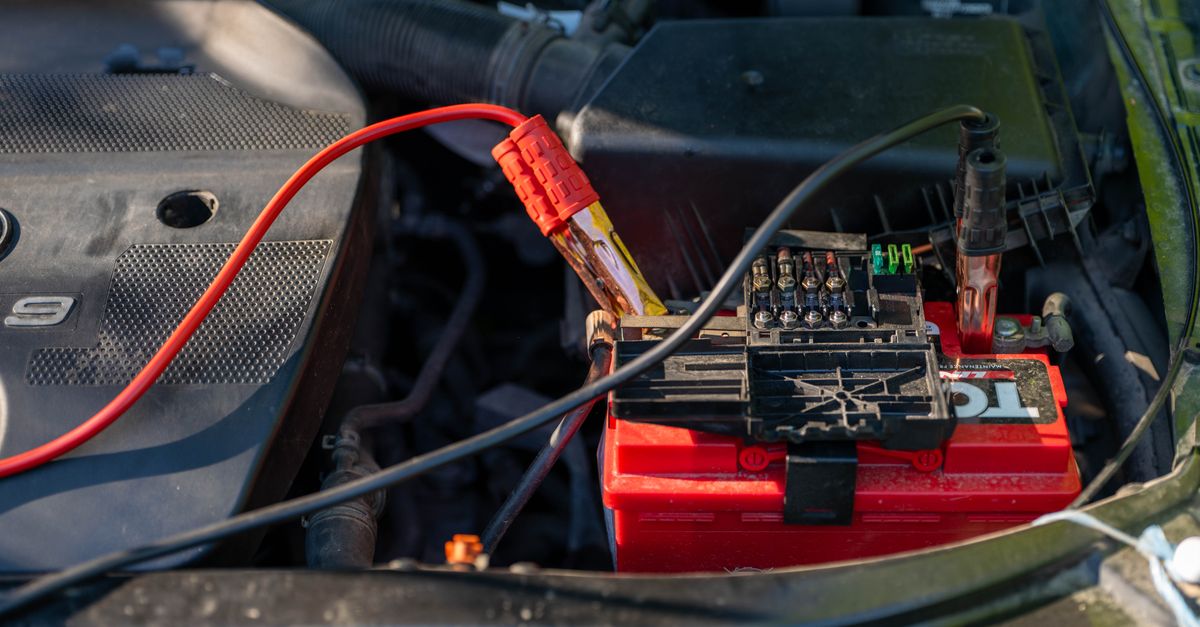
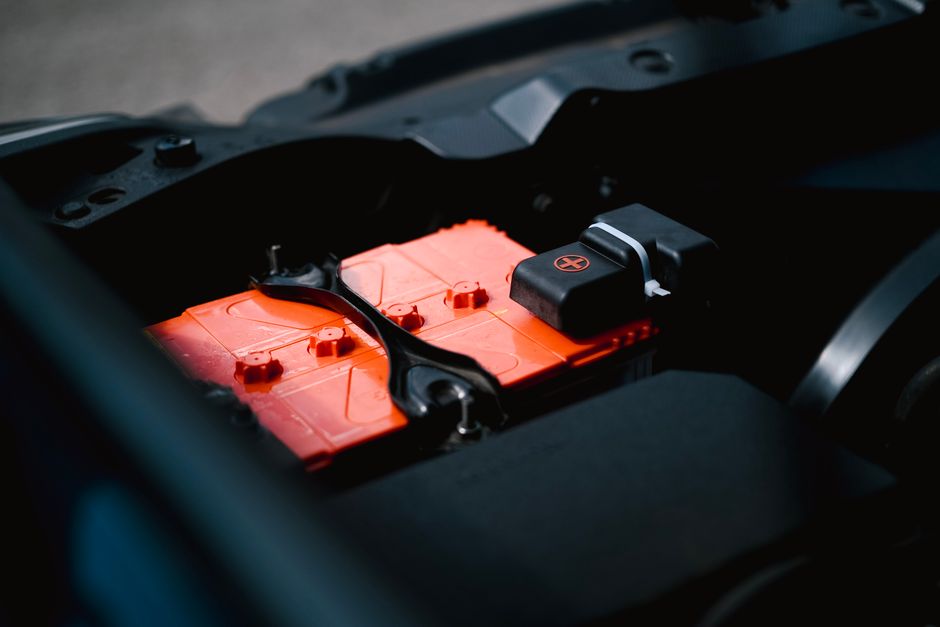
Sizzling summer temperatures do more than make your cabin uncomfortable—they quietly break down your car’s battery from the inside out, frequently causing sudden failures just when you expect smooth summer road trips. According to industry data and our direct experience at Gates GMC Nissan in North Windham, CT, hot weather is the primary reason car batteries die prematurely in Connecticut and throughout the U.S. Car owners often expect winter to be hard on batteries, but heat is the real danger, sometimes cutting battery life by half. Understanding how and why this happens allows you to spot trouble before you end up stranded at a park, campground, or grocery store in the middle of July.
Why Hot Weather Kills Car Batteries
Car batteries operate through a series of chemical reactions that generate and store electricity. When summer heat hits, multiple factors work together to accelerate battery wear, damage essential internal structures, and reduce reliability. Here’s what you need to know:
Electrolyte Evaporation and Fluid Loss
Your battery contains an electrolyte solution of water and sulfuric acid. High under-hood temperatures, which can exceed 140°F even when the outside air is only 90°F, lead to the evaporation of water in the electrolyte. As fluid levels drop, the internal lead plates lose contact with the solution, causing them to dry out and degrade. The battery’s ability to hold a charge and generate current falls sharply from this point, resulting in hard or no starts by midsummer for many drivers.
Corrosion, Sulfation, and Internal Damage
The extreme heat does more than evaporate liquid. It speeds up destructive chemical reactions:
- Corrosion: Metal grids and plates inside the battery corrode at a faster pace when temperatures rise.
- Sulfation: Heat accelerates crystallization of lead sulfate on the plates, making it harder for batteries to hold a full charge over time.
Both processes permanently reduce available cranking power and can trigger internal shorts—common reasons for unexpected failures during Connecticut’s warmest months.
Overcharging and Increased Electrical Load
Modern vehicles rely on alternators and regulators to control charging voltage, but these components sometimes struggle to adjust in hot weather. Some systems end up overcharging a heat-stressed battery, raising internal temperatures even more and causing the battery case to swell or warp. At the same time, increased use of air conditioning, infotainment, and mobile chargers in summer puts a heavier demand on the electrical system, further weakening a marginal battery.
Warning Signs Your Battery Is Failing in the Heat
Most batteries do not fail without warning. Watch for these clear signs that your car’s battery may be near the end of its life, especially as temperatures climb:

- Slow or Struggling Engine Crank: A noticeable delay or dragging sound when starting the engine, especially after the car’s been parked in direct sun, signals less available power.
- Clicks or No Sound Upon Start: Rapid clicks or a single click when turning the key, or no response at all, often means the battery can’t supply enough voltage for the starter.
- Dim Headlights and Weak Accessories: Flickering lights, slow-moving power windows, or sluggish infotainment system performance at idle are additional red flags.
- Swollen Battery Case: If the battery’s sides balloon or the case looks warped, stop driving and have the battery inspected or replaced immediately—this is often a result of overheating or overcharging.
- Rotten Egg Odor: A sulfurous smell signals the battery could be leaking or decomposing internally—acting quickly is essential.
- Visible Corrosion on Terminals: Blue, white, or green powder on or around the battery posts can create electrical resistance, making starting difficult and reducing overall system life.
- Batteries Dying Sooner Than Expected: In New England climates, many batteries that might last 4–5 years elsewhere can fail in just 2–3 years due to heat. If yours is more than 3 years old and showing any of these symptoms, proactive replacement before summer peaks is a smart move.
How to Protect and Extend Battery Life When It’s Hot
There are concrete steps you can take to reduce the risk of battery failure during heatwaves in Connecticut:
Drive Regularly and Long Enough
Batteries need to be recharged by the alternator during normal drives. Short, infrequent trips prevent full recharging, which is doubly damaging in hot weather. Aim for drives of at least 20 minutes to allow the alternator to restore battery voltage. If your car will sit for days at a time, consider a smart battery maintainer.
Park in Shade or Indoors
Shaded parking areas, garages, and even windshield sunshades help keep under-hood and cabin temperatures down, reducing stress on your battery and electronics.
Avoid Using Accessories With the Engine Off
Infotainment, interior lighting, and charging devices while the engine is off depletes battery charge quickly. In summer, when batteries are already stressed, avoid this as much as possible.
Keep Terminals Clean and Free of Corrosion
Periodic cleaning of the battery posts helps maintain strong electrical connections and prevents voltage drops. Our certified technicians at Gates GMC Nissan include this service as part of standard maintenance.
Request Battery Health Checks Annually
Professional diagnostic tools can quickly determine:
- Current voltage and charge state
- Cold cranking amps (CCA) compared to the battery’s original specification
- Internal resistance and overall health
An annual battery test, especially before summer, gives you peace of mind and reduces the chance of an untimely failure.
Batteries and Modern Vehicle Demands: Expert Solutions from Gates GMC Nissan
Our experienced GM- and Nissan-certified service technicians see a dramatic rise in battery-related service requests every summer. We are equipped to test, diagnose, and replace weak or failed batteries for nearly all makes and models—not only for the vehicles we sell (GMC and Nissan), but for the wide range of pre-owned brands we service. Our OEM and quality aftermarket batteries ensure fit, function, and longevity.
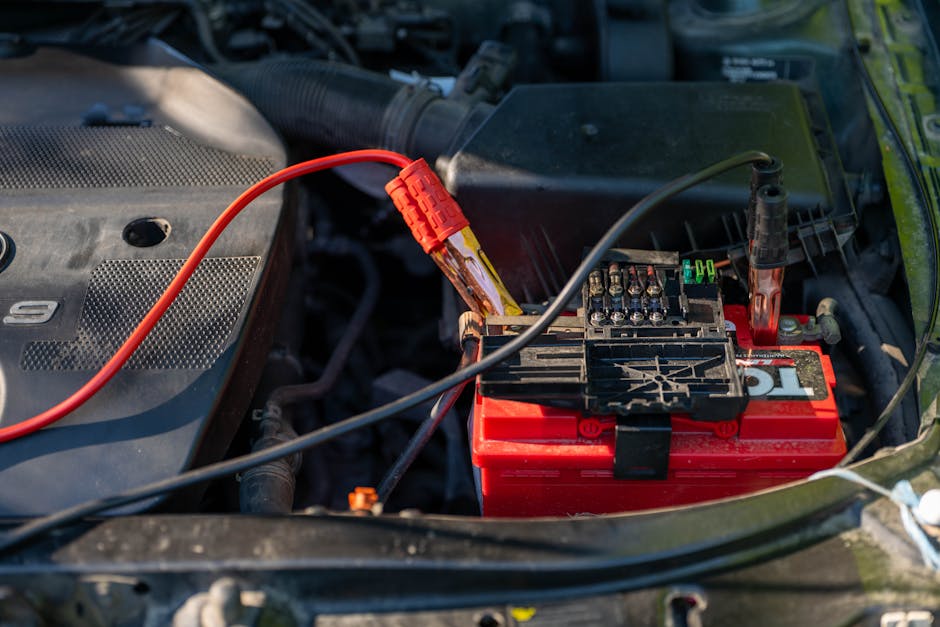
Our Services Include:
- Battery Testing and Diagnostics with every scheduled service or upon request
- OEM and High-Quality Replacement Batteries specified for your vehicle
- Terminal Inspection and Cleaning to prevent starting issues
- Charging System Evaluation to ensure your alternator and voltage regulator are working optimally
We also guide customers through battery maintenance for new vehicles equipped with advanced tech—like OnStar or GM Rewards programs—and help explain how these features influence electrical demands and battery requirements. If you’re considering a transition to a new or pre-owned model, we’re equipped to evaluate your current vehicle’s battery health and discuss trade options, financing, and special offers as part of a stress-free upgrade experience.
When to Replace Your Battery
Our professional recommendation: Don’t wait until the battery leaves you stranded. A battery should be replaced when:
- It’s more than three years old in a region with hot summers
- You’ve experienced slow or difficult starts more than once per week
- Electrical accessories are consistently weak or unreliable
- There’s visible swelling, leaks, odor, or severe corrosion around the battery
- A battery health check shows a major drop in cold cranking amps or high internal resistance
Proactive replacement is cost-effective and prevents breakdowns that can lead to additional towing and repair costs—or worse, lost time and inconvenience.
Best Practices for Hot Weather Battery Maintenance
- Include a battery test as part of your annual vehicle maintenance, especially before summer.
- Ask service advisors about OEM battery recommendations for vehicles with lots of tech features or used in extreme climates.
- Replace older batteries proactively—especially if you plan to rely on your car for summer travel, daily commuting, or longer trips.
- For comprehensive maintenance guidance, see our related guides on what to check before a summer road trip and choosing the right battery for New England winters.
FAQ: Car Batteries and Hot Weather
Why does my battery die faster in the summer?
High temperatures accelerate chemical reactions that cause internal corrosion and fluid loss, cutting battery life by half or more compared to operation in moderate climates. Increased use of air conditioning and electronics adds extra strain.
What are the earliest warning signs of battery failure in hot weather?
Slow engine cranking, dim headlights, and a swollen battery case are early warnings. If you notice a rotten egg odor or severe corrosion at the terminals, immediate attention is required.
Is jump starting a weak summer battery safe?
Jump starting may get you moving, but repeated jump starts are a sign your battery needs replacement, not another recharge. Overheating can make batteries dangerous to handle, so have a professional check it as soon as possible.
How long should a car battery last in New England?
Many batteries last 4–5 years in optimal conditions. In hot, humid climates or under heavy electrical demands, 2–3 years is more realistic.
What if my new vehicle has advanced tech (ADAS, OnStar, etc.)?
Vehicles with lots of electronic features depend heavily on healthy batteries. OEM replacements with the correct specifications are recommended—our service team can match your vehicle and usage needs.
Where can I get my battery checked or replaced?
Our certified staff at Gates GMC Nissan offers battery tests, cleaning, and OEM replacements for nearly every make and model. Schedule a visit to prevent unexpected breakdowns during peak summer heat.
Conclusion
Summer heat shortens battery life far more than most drivers expect, but a proactive approach can help you avoid inconvenient breakdowns. Recognizing the warning signs—slow starts, swelling, corrosion, and odd odors—enables early intervention and keeps your summer plans on track. At Gates GMC Nissan, we combine expert diagnostics with high-quality battery replacements, supporting drivers across North Windham, Norwich, and Mansfield. If you suspect your battery is nearing the end of its life, contact us today for professional inspection or replacement. With proper care, your car will be ready for Connecticut’s next hot streak and the colder months that follow.
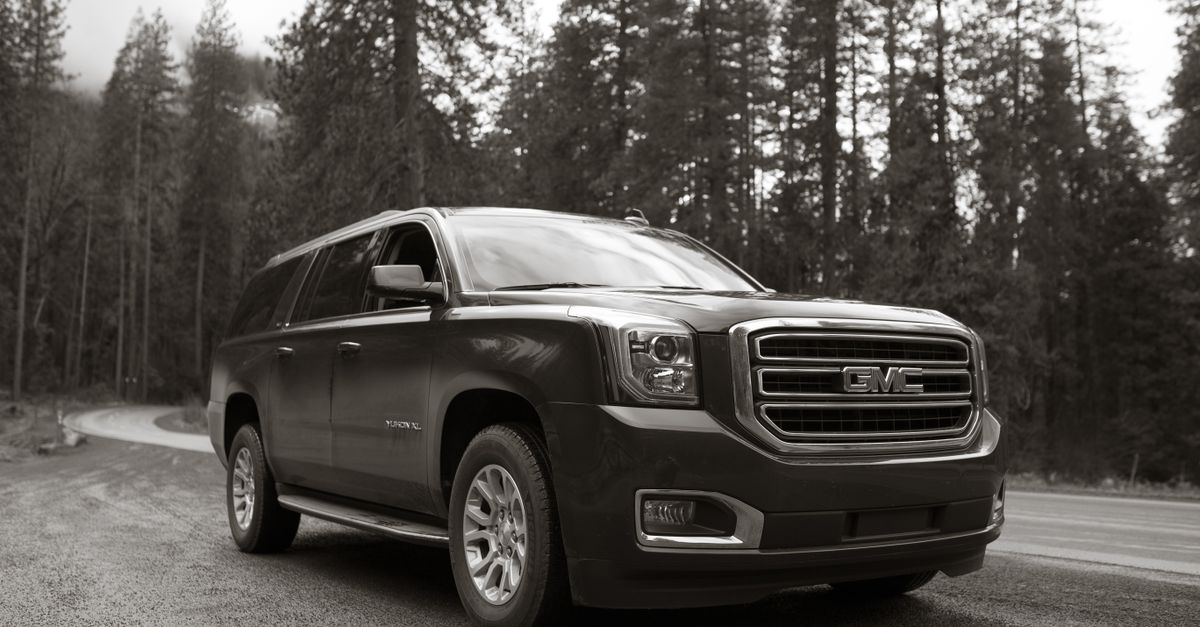
When deciding between the GMC Yukon and Nissan Armada for your family, the key differences come down to space, powertrain flexibility, comfort features, and overall value. The GMC Yukon generally offers more room for passengers and cargo, especially with its available XL variant, and delivers advanced technology and safety features that appeal to families looking for luxury and flexibility. The Nissan Armada, on the other hand, stands out for its classic V8 power, traditional SUV design, and lower starting price for those who want capable towing and a strong feature set without stretching the budget. At Gates GMC Nissan, we help Eastern Connecticut families compare these two full-size SUVs side by side with hands-on guidance from experts who know both brands inside and out.
Defining the Yukon and Armada: What is a Full-Size SUV?
A full-size SUV is characterized by three rows of seating, substantial towing ability, and enough cargo capacity to handle large families or adventure gear. Both the GMC Yukon and Nissan Armada are classic examples, each seating up to eight and capable of towing heavy trailers or boats. The Yukon distinguishes itself with options like the extended-body Yukon XL, while the Armada keeps things simple with a single body style and a reliable V8 as standard across trims.

Price and Value Analysis
Starting Costs
The Nissan Armada typically starts at a lower price than the GMC Yukon. Research shows base MSRPs for the Armada in the range of about $46,000 to $48,600, while the Yukon tends to start closer to $50,000, depending on model year and configuration. At higher trim levels, the price gap can increase, sometimes by as much as $10,000 to $11,000 for similarly equipped models.
- Yukon’s higher price reflects its broader range of engines, trims, and the availability of the roomier Yukon XL.
- Armada appeals to cost-conscious families looking for substantial V8 power without breaking the bank.
At Gates GMC Nissan, we assist customers in comparing real pricing, actual monthly payments, and available promotions. Our online payment calculator makes it easy to see which model fits your budget.
Interior Space and Cargo: Will Your Family Fit?
Passenger Capacity
Both SUVs can seat up to eight with a bench seat in the second row or seven with captain’s chairs. Where the Yukon starts to pull ahead is in its legroom and cabin layout:
- Second row legroom: Yukon offers about 42.0 in, Armada about 39.2 in.
- Third row spacing: Similar on paper, but Yukon XL holds a significant advantage for regular use.
Cargo Capacity
- With all seats upright: Yukon gives you about 25.5 cubic feet, Armada about 20.4 cubic feet.
- With both rear rows folded: Yukon leads with over 122 cubic feet; Armada maxes out around 92.6 cubic feet.
This extra capacity is tangible for Connecticut families who juggle strollers, sports gear, and luggage. Yukon XL, in particular, is suited for those who frequently use all three rows or need to carry bulky items every week.
Performance, Towing, and Efficiency
Engine Choices and Power
- Armada: Standard 5.6L V8 with about 400 horsepower.
- Yukon: Offers several powertrains, including a standard V8, an available 6.2L V8 with 420 horsepower, and even a diesel for better fuel economy.
Families who need flexibility—perhaps for maximizing fuel economy or seeking maximum horsepower—will appreciate the Yukon’s options. If simple, robust V8 strength matters most, the Armada is ready out of the box.
Towing Capability
- Armada: Up to about 8,500 lbs.
- Yukon: Up to around 8,400 lbs, depending on engine and equipment.
Both SUVs meet the needs of families who tow boats and campers. In practice, the 100-pound difference is negligible. Double-check your own trailer’s weight and talk to our team to identify the best fit.
Fuel Economy
- Yukon can reach up to about 16 mpg city, 23 mpg highway, and 19 mpg combined in some configurations.
- Armada averages around 14 mpg city, 19 mpg highway, and 16 mpg combined.
Yukon’s diesel and newer powertrain options help close the efficiency gap, offering meaningful annual fuel savings for families who drive long distances.
Technology, Comfort, and Safety
Infotainment and Connectivity
Modern families expect user-friendly technology and comfort on every ride. The Yukon offers large infotainment screens, available rear-seat entertainment, and advanced features like Google built-in and Super Cruise on select trims. With OnStar and Connected Services available on GMC vehicles, you benefit from:
- Automatic crash response
- In-vehicle Wi-Fi hotspot
- Emergency and roadside assistance
- Hands-free driving assistance (where equipped)
The Armada counters with a straightforward infotainment system and standard connectivity features but stays closer to a classic SUV experience. Yukon Denali and Denali Ultimate trims, in particular, are ideal for families seeking luxury and the latest convenience technology.
Ride Quality and Cabin Environment
- The Yukon Denali, with adaptive suspension and upscale materials, provides a premium, quiet, and pleasant ride for longer trips or commutes.
- The Armada delivers on rugged charm, with high-quality materials and traditional SUV feel for those who prefer a less tech-heavy vibe.
Safety Considerations
NHTSA crash tests reveal the GMC Yukon outperforms the Nissan Armada in some important scenarios, including frontal and side barrier crash tests. All GMC models offered at Gates GMC Nissan also feature comprehensive active safety systems to assist the driver but remind you to always pay attention and drive responsibly. To see more about safety technology for Connecticut winters and daily life, you might also find our blog post on OnStar in 2026 and the features Connecticut drivers actually use useful.

Adventure, Off-Roading, and Special Use
- The Nissan Armada is well-known for its rugged capabilities, four-wheel drive models, and traditional off-road readiness.
- The GMC Yukon offers the AT4 trim for families who want off-road style and technology, plus adaptive features to balance everyday comfort with light trail use.
If your weekends involve rougher terrain or camping, either SUV is suitable, but the choice comes down to whether you favor the Armada’s classic approach or Yukon’s blend of adventure and modern amenities.
Step-by-Step: Choosing the Right SUV with Gates GMC Nissan
- Browse Inventory: Our new and used SUV inventory includes both Yukon and Armada models, so you can review specs and features side by side.
- Use Our Tools: Calculate payments, explore trim options, and research detailed model reports on our website. If you want a certain combo of color or equipment, try the Find My Car service.
- Test Drive Experiences: Schedule a test drive for both vehicles on the same day using our simple online form. Bring your family, car seats, and even your stroller to see how each fits your real-life needs.
- Trade-In Flexibility: We are known for our unique trade-in policy—”We Take Anything In Trade!”—from daily drivers to unique vehicles. Value your current car with our online appraisal tool and put it towards your next full-size SUV.
- Financing Support: Start the approval process now via our Finance Department. You can also pre-qualify with options like the quick credit application.
- Ownership Made Easy: Our GM and Nissan certified technicians, OEM parts, and regular service specials support you for years beyond your initial purchase.
Summary Table: Yukon vs Armada Key Differences
| Feature | GMC Yukon | Nissan Armada |
|---|---|---|
| Starting MSRP | ~$50,000 | ~$46,000 |
| Seats | Up to 8 (XL for more space) | Up to 8 |
| Cargo (max) | 122.8 cu ft | 92.6 cu ft |
| Engine choices | Multiple incl. diesel | Single V8 |
| Towing | Up to 8,400 lbs | Up to 8,500 lbs |
| Fuel Efficiency (combined) | Up to 19 mpg | Up to 16 mpg |
| Infotainment | Large screens, more tech | Standard, classic style |
| Luxury | Denali/Ultimate trims | Platinum available |
| Special trims | AT4, XL, Denali | None (single body) |
Best Practices for Family SUV Buyers
- Test drive both models, bringing your regular passengers and selected gear to check fit and comfort.
- Compare total cost of ownership, including fuel, maintenance, and resale value, not just sticker price.
- Utilize dealership tools for trade-in valuation and payment calculation before committing.
- Ask about available service specials and ownership perks that may impact your finances year after year.
- Review long-term comfort, safety, and technology to ensure the SUV meets your primary family driving needs.
For more perspective on choosing between new, used, and certified pre-owned models in Connecticut, our post on the pros and cons of new, used, and CPO vehicles can provide further guidance.
Frequently Asked Questions (FAQ)
How many people fit in a GMC Yukon vs Nissan Armada?
Both seat up to eight with the second row bench and seven with captain’s chairs. The Yukon XL variant adds more legroom and cargo capacity, suited for larger families or more frequent use of the third row.
Which SUV has more cargo space?
The GMC Yukon, especially the XL version, offers significantly more room behind both the third row and with seats folded compared to Armada. Yukon: up to 122.8 cu ft, Armada: up to 92.6 cu ft.
Is the GMC Yukon safer than the Nissan Armada?
Certain NHTSA crash tests rate the Yukon higher in frontal and side crash scenarios. Safety features vary by trim, and both brands offer modern active safety tech. Always consult official safety ratings for the latest details.
Does Gates GMC Nissan service both vehicles?
Yes, Gates GMC Nissan is a certified dealership and service center for both GMC and Nissan vehicles, providing expert technicians and OEM parts for both brands.
Can I trade in any vehicle?
We can accept nearly any trade-in, as highlighted by our “We Take Anything In Trade!” policy. This includes cars, trucks, and unusual vehicles. Start with an online value assessment before your visit.
Should I choose a Yukon or Armada for towing?
Both can tow heavy trailers or boats. The Armada has a slight theoretical edge in max towing, but the difference is minimal. Let your specific needs and preferred powertrain guide you, and ask our team for a towing setup walk-through.
Conclusion: Which SUV Makes Sense for Your Family?
If your priorities center around maximum space, flexible engines, luxury features, advanced safety, and tech-forward driving, the GMC Yukon—particularly in XL or Denali trims—makes sense for long-term family comfort. If you want a lower starting price and appreciate rugged V8 simplicity in a traditional large SUV, the Nissan Armada is a compelling choice for budget-focused buyers.
The best way to choose is an in-person experience. We invite you to schedule a test drive for both SUVs and see how each feels with your entire family and daily items in the cabin. Our team at Gates GMC Nissan is ready to help from initial research to financing, trade-in, and long-term service. If you have questions or would like a personalized side-by-side walk-through, reach out or drop by 143 Boston Post Road, North Windham, CT. Your next full-size SUV is closer than you think.
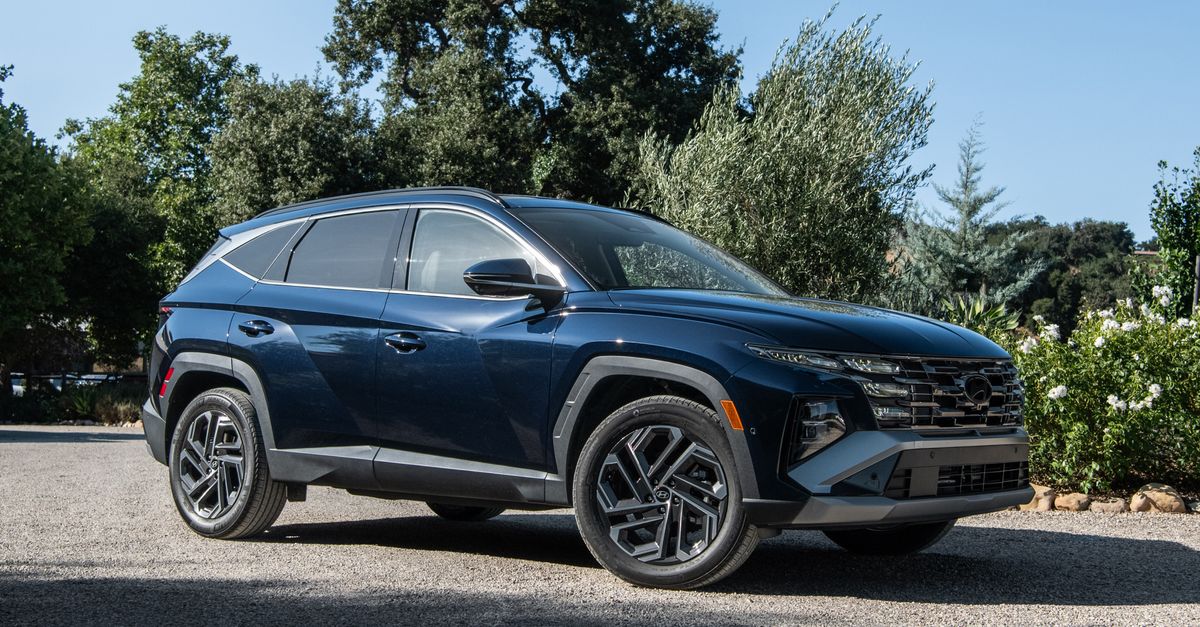
If you are deciding between a gas or hybrid SUV in Connecticut for 2026, the key factors to consider are your driving habits, fuel costs, resale expectations, and how you plan to use your vehicle. Hybrid SUVs typically deliver significant fuel savings for Connecticut drivers who accumulate higher annual mileage, especially in city or mixed city-highway conditions. Gas SUVs, on the other hand, may be the better fit if your priority is initial purchase price, maximum towing capability, or if you drive fewer miles each year.
At Gates GMC Nissan, our decades of experience helping Connecticut families select the right SUV give us a clear perspective: there is no single “best” answer, but we recommend a step-by-step approach to align your purchase with your real-world needs, budget, and long-term cost of ownership.
What Is the Difference Between Gas and Hybrid SUVs?
A gas SUV uses a traditional internal combustion engine running solely on gasoline. A hybrid SUV combines a gas engine with an electric motor and battery to reduce fuel usage, especially at lower speeds or during stop-and-go driving. Hybrid SUVs automatically switch between power sources for maximum efficiency.
Gas vs Hybrid SUVs: At-a-Glance Comparison
- Fuel Costs: Hybrids typically use 30% to 60% less fuel than a comparable gas SUV, saving $400-$700 per year for many Connecticut drivers who drive 12,000+ miles annually.
- Upfront Price: Hybrids generally cost $2,500–$3,000 more than similar gas trims.
- Performance: Hybrids often feel quicker in city driving due to instant electric torque, but may have lower maximum towing capability.
- Resale Value: Hybrids typically retain value better, especially as efficient SUVs are in growing demand in New England.
- Maintenance & Simplicity: Both require routine service, but hybrids may have slightly reduced brake wear (thanks to regenerative braking) and should be serviced by facilities with hybrid expertise, such as Gates GMC Nissan.
How Much Money Can a Hybrid SUV Save for Connecticut Drivers?
The biggest savings from a hybrid SUV come from lower fuel consumption. For example, a typical 2026 hybrid midsize SUV can achieve 36–42 MPG compared to 26–29 MPG for a comparable gas model. The annual difference is about $440, based on 12,000 miles per year and average Connecticut fuel prices.
However, you pay a “hybrid premium” up front—often $2,500 to $3,000 more for the hybrid. Most Connecticut drivers who drive near or above 12,000 miles a year recoup this premium in fuel savings alone within 4–5 years. If you keep your vehicle longer or hybrids maintain higher trade-in value, the cost advantage can expand.
Connecticut Factors: Why Driving Habits Matter
- City vs Highway: Hybrids shine in start-stop city and suburban routes—like frequent errands in Norwich or rush hour in Eastern Connecticut. Highway commuters still benefit, but the gap narrows as gas engines are most efficient at steady speeds.
- Short Trips, Cold Weather: Cold New England winters and short drives can affect hybrid and gas SUV efficiency, but hybrids’ electric drive minimizes engine idling and waste, boosting city-MPG even in winter.
- Towing & Heavy Loads: If you frequently tow boats or trailers (over 3,000–5,000 pounds), a gas or full-size SUV is typically the better fit due to higher rated towing capacity.
Real-World Use Cases: Which SUV Type Makes Sense for You?
1. The Connecticut Commuter
- Drives 12,000–15,000 miles per year, often on mixed city-highway routes (e.g., Windham to Hartford)
- Hybrid wins: Fuel savings usually pay off the premium in under 5 years, with better resale value and smoother everyday driving.
2. Local/Low-Mileage Driver
- Drives less than 8,000 miles per year, mostly short trips or errands, and prefers the lowest purchase price.
- Gas may be better: It takes much longer to recoup the hybrid premium via fuel savings alone. Some drivers will still prefer hybrids for quietness and city MPG, but a gas SUV can be more affordable long-term.
3. Family Road-Tripper & Occasional Towing
- Family takes long road trips or hauls trailers, boats, or campers above 3,000 pounds.
- Gas SUV advantage: Higher maximum towing capacity and long-distance reliability favor gas SUVs. For light or occasional towing (under 2,000 pounds), many hybrids are now up to the task.
Step-by-Step: Decide Which SUV Type Is Right for You in 2026
- Estimate Annual Mileage. Higher mileage boosts hybrid payback.
- Analyze Your Driving Mix. City (hybrid advantage), highway (smaller hybrid edge but still present).
- Clarify Towing & Cargo Needs. Gas excels for heavy loads—see realistic tow ratings for specific models.
- Compare Upfront Costs. Check the real hybrid premium for your target models.
- Calculate Fuel Savings. Divide annual miles by expected MPG, multiply by local gas price.
- Factor in Ownership Horizon. Five years or more? Hybrids usually win out. Planning to upgrade in two or three? Check expected resale values and compare.
Maintenance & Service: What to Expect from Gates GMC Nissan
Routine service intervals for gas and hybrid SUVs are often similar—oil, tires, brakes, suspension. Hybrids need experts for battery and high-voltage systems. At Gates GMC Nissan, our GM- and Nissan-certified technicians are trained on virtually all makes and models, including the latest hybrid systems. We also offer OEM parts and support every step of ownership to meet the needs of Connecticut drivers, whether your SUV is gas or hybrid.
Resale Value: Hybrids Often Lead
Strong demand in 2026 for fuel-efficient SUVs means hybrid models frequently hold resale value better for Connecticut shoppers. If you expect to trade-in your vehicle or want maximum value for your next purchase, hybrids are often a safer bet. Our team’s transparent, “We Take Anything In Trade!” approach at Gates GMC Nissan can help you maximize your vehicle’s value—whether you’re trading in a gas or hybrid model.
Best Practices for Connecticut SUV Buyers
- Test drive both gas and hybrid versions on real routes to experience the fuel economy, performance, and comfort differences yourself. Schedule a test drive online or by phone.
- Use tools like our payment calculator to understand how the hybrid premium fits your budget.
- Browse new GMC and Nissan inventory or explore transparent used and certified pre-owned listings to find your best match.
- Consider the changing landscape of Connecticut gas prices and the potential for new vehicle tax incentives—discuss options with your dealer.
- If you are shopping on a seasonal basis, you may also find useful insights in our blog Is June a Smart Time to Buy a Car in Connecticut?.

Frequently Asked Questions
What’s the typical payback period for a hybrid SUV in Connecticut?
Most Connecticut drivers who log 12,000 or more miles annually can recoup the hybrid price premium in about 4–5 years through fuel savings alone. Shorter ownership cycles or lower mileage may mean gas SUVs are more cost-effective up front.
Is a hybrid SUV reliable in New England winters?
Modern hybrid systems are engineered for cold climates and are as reliable as their gas counterparts. Regenerative braking and instant electric torque actually benefit city driving in snow or cold conditions. Always check your owner’s manual and have your vehicle serviced at a certified shop like Gates GMC Nissan.
Can hybrids tow as much as gas SUVs?
Many hybrids can tow light trailers or small boats (typically 1,000–2,000 pounds), but gas SUVs and truck-based models remain better suited for heavier hauling (often 4,000 pounds or more).
Does resale value favor hybrid SUVs in Connecticut?
Hybrids often retain value better than equivalent gas SUVs due to strong ongoing demand for fuel efficiency. Actual resale values depend on model, trim, condition, and market trends, but hybrids are a solid choice if you plan to trade in within five to seven years.
Who can service my hybrid in North Windham or Eastern Connecticut?
Gates GMC Nissan offers GM- and Nissan-certified hybrid service as well as support for most other makes and models. Our technicians stay trained on emerging automotive technology so you can maintain your SUV with confidence.
Conclusion: Finding Your Best SUV Match for 2026
The choice between gas and hybrid SUVs for Connecticut drivers in 2026 is ultimately personal and practical. If you are seeking maximum fuel efficiency and plan to drive long distances or keep your SUV for many years, a hybrid will almost always be the smarter economic and environmental choice. Gas SUVs still win out for those prioritizing lowest upfront cost, uncomplicated towing, or short-term use.
At every step, you can count on Gates GMC Nissan as your go-to resource for transparent information, certified service, and a vast selection of new, used, and certified pre-owned SUVs. Explore options tailored for Connecticut’s unique roads and weather, or contact us to discuss your individual needs with the team that’s been local and family-owned since 1986.

For Connecticut families preparing for the back-to-school season, buying a used car before classes start is often the smartest, most practical choice. Purchasing ahead of the seasonal rush provides you with more selection, added negotiating power, and time to evaluate what will truly fit your student, new driver, or family commute. At Gates GMC Nissan, we see firsthand how planning early gives our customers the strongest options, support, and peace of mind.
Timing is important for several reasons. Inventory for affordable, safe, and reliable vehicles typically moves quickly in late summer as teen drivers, college students, and families all look to fill new transportation needs. When you shop before the last-minute scramble, you have more leverage to compare vehicles, test drive on your terms, secure competitive financing, and get ahead of registration and insurance transitions before school routines make things hectic.
Definition: What Does “Buying Before Back-to-School Season” Mean?
In Connecticut, “before back-to-school season” usually refers to shopping in July or early August, before student commuting patterns and after-school activities create higher demand for used cars, especially in popular models and price ranges.
Why Timing Your Purchase Matters
Earlier purchasing gives you more than just vehicle options. It means better decision-making. At Gates GMC Nissan, we regularly help families:
- Take time to compare features, safety technology, and ownership history without pressure
- Test drive several vehicles instead of settling for what’s left on the lot
- Understand true monthly costs using payment calculators and real insurance quotes
- Plan for registration and school-year logistics without scrambling at the last minute
- Get a fair appraisal on trade-in vehicles, which can include cars, trucks, SUVs, and as per our tagline, even unique trades like boats or ATVs
Factors Connecticut Buyers Must Consider
The purchase price is just one factor. Owning a used car in Connecticut involves taxes, registration, insurance, fuel, and potential repairs. Connecticut applies a 6.35% sales tax on vehicles from licensed dealers, with 7.75% tax applying to vehicles over $50,000. For example, a $24,000 vehicle adds approximately $1,524 in tax, while a $35,000 vehicle adds about $2,222. Include these figures in your overall budget to avoid surprises.
Used vs Certified Pre-Owned: Which Is Best?
Gates GMC Nissan provides both used and certified pre-owned vehicles. Certified pre-owned (CPO) vehicles, especially for GM and Nissan models, are inspected for quality and offer transparency on price and history, often making them the preferred solution for families seeking reliability and peace of mind. Buyers can compare standard used cars against CPO models in one visit, examining condition, ownership history, and value.
Best Types of Used Cars for Back-to-School Drivers
- Compact or midsize sedans: Ideal for commuting, easy to park, and often have lower insurance costs
- Compact SUVs: Offer more cargo space for school gear or dorm supplies and are popular for their balance of safety, visibility, and versatility
- CPO SUVs and crossovers: Suited to Connecticut’s year-round driving and varying weather conditions
For in-depth recommendations on features for young drivers, see our blog Best Used Car Features for Teen Drivers in Connecticut.
Essential Safety Features for Students and Teen Drivers
For any young or inexperienced driver, prioritize these features:
- Electronic stability control
- Rearview camera
- Automatic emergency braking
- Blind spot and lane departure alerts
- Good outward visibility and moderate horsepower
Look for vehicles with strong NHTSA and IIHS safety ratings. Generally, models from 2012 or newer will have stability control as standard, while vehicles from 2015 or later are more likely to include advanced driver assistance technologies.

How Early Shopping Gives You More Control
Waiting until the last weeks of summer narrows your options, increases stress, and can pressure you into settling. Buying in July or early August lets you:
- Compare vehicles, trims, and budgets with time to spare
- Test drive and review real road driving conditions
- Negotiate trade-ins and financing terms at your own pace
- Arrange for insurance and registration before busy school schedules take over
Step-by-Step: How to Shop for a Used Car Before School Starts
- Start with your total budget: Include sticker price, taxes, insurance, registration, and estimated repairs or maintenance
- Define must-have features: Think about safety, cargo needs, fuel economy, and tech requirements
- Browse online inventory: Use tools like Gates GMC Nissan’s used car search to compare vehicles quickly
- Request vehicle history and service records: Ensure transparency before visiting
- Inspect in person: Look for overall condition, tire and brake wear, dashboard warning lights, and interior comfort
- Test drive on real roads: Evaluate visibility, comfort, braking, and handling, not just acceleration
- Investigate financing and trade-in options: Use resources like our payment calculator or get pre-qualified for financing
- Value your trade-in: Get an online appraisal through our trade-in tool. We truly do take anything in trade, offering greater flexibility for families upgrading a vehicle
What to Look for During Your Test Drive
- Visibility around the vehicle and through windows
- Ease of parking in school or busy community lots
- Smooth, consistent braking and steering response
- Comfortable interior layout and infotainment system usability
- Cargo space for backpacks, sports gear, groceries
To make sure you’re picking the right seasonal fit, see our guidance on what to look for when buying a used car in Connecticut.

Financing, Trade-In, and Ownership Costs
At Gates GMC Nissan, shoppers can estimate monthly payments using our online calculator and get fast pre-qualification for financing. If you are looking to trade in an old car (or even a boat, snowmobile, or other vehicle), our unique trade-in policy streamlines the transition and can reduce the total you need to finance. For cost-conscious families, exploring vehicles under $15,000 provides reliable options without stretching your budget.
Why Gates GMC Nissan Is the Go-To Connecticut Solution for Back-to-School Car Shopping
Serving North Windham, Norwich, Mansfield, and beyond since 1986, we know how to guide families and students through every step of the used car process. Our team supports you in comparing models, understanding CPO programs, securing financing, handling trades, and navigating the state’s taxes and ownership costs. Our in-house certified technicians also provide long-term support for any make or model, easing the pressure of annual back-to-school prep.
When It Might Make Sense to Wait Instead
- If your budget or financing needs more time
- If your driver isn’t ready or might not need a car after all
- If your current vehicle is still dependable for the coming semester
- If you’re comparing insurance quotes or have yet to settle critical logistics
For many, however, acting early remains the less stressful and more strategic choice.
Best Practices for Connecticut Used Car Buyers Before School
- Plan ahead to avoid the late-summer inventory crunch
- Prioritize crash-tested and safety-equipped vehicles for teen or student drivers
- Include all ownership costs, not just sticker price, when budgeting
- Use online dealership tools to compare, schedule test drives, and secure financing in advance
- Don’t hesitate to have third-party mechanic reviews for added confidence
For additional budgeting strategies and tips unique to a Connecticut car purchase, read our guide Certified Pre-Owned vs Used vs New: Which One Makes Sense for Connecticut Drivers in 2026?
Frequently Asked Questions
When does used car demand go up for back-to-school?
Late July through mid-August typically see the highest demand for used cars in Connecticut, with a spike in family and student buyers just before public school and college semesters begin.
How soon should I start shopping?
Begin looking in July or early August for the broadest selection, time to compare options, and the flexibility to address financing or trade-in needs without deadline pressure.
Should I buy from a dealer or private seller?
Buying from a licensed dealer like Gates GMC Nissan typically includes vehicle history checks, clearer pricing, transparent documentation, and easier trade-in processes.
What if I need financing or have a low trade-in value?
Dealerships can offer a range of financing options and appraisals, even if your trade-in is unique or older, which is especially useful for families on tight budgets.
How recent should a used car be for a student?
Ideally, look for vehicles from 2012 or newer for standard stability control and 2015 or newer for enhanced safety features like automatic braking and blind spot alerts.
Conclusion
Buying before the back-to-school season in Connecticut is typically the most strategic approach, bringing peace of mind, safer options, and a smoother ownership transition for student or family drivers. With preparation, smart timing, and the right dealership partner, you can confidently send your student off with a dependable, safe vehicle. If you are ready to get started, explore used and certified pre-owned inventory, value your trade, or schedule a test drive with us today. At Gates GMC Nissan, “We Take Anything In Trade”—and we’re always here to help local families make a solid, informed choice.
If you have ever turned on your car during the height of summer, only to see your tire pressure light shining unexpectedly, you are not alone. Even though most drivers expect these alerts more often in winter, tire pressure issues are just as likely—if not more so—in high heat. This is a frequent question at Gates GMC Nissan, where our team routinely helps local Connecticut drivers understand and resolve summer tire issues. In this blog, we will clarify why summer heat causes your tire pressure light to come on, break down the risks, and explain exactly what to do when it happens.
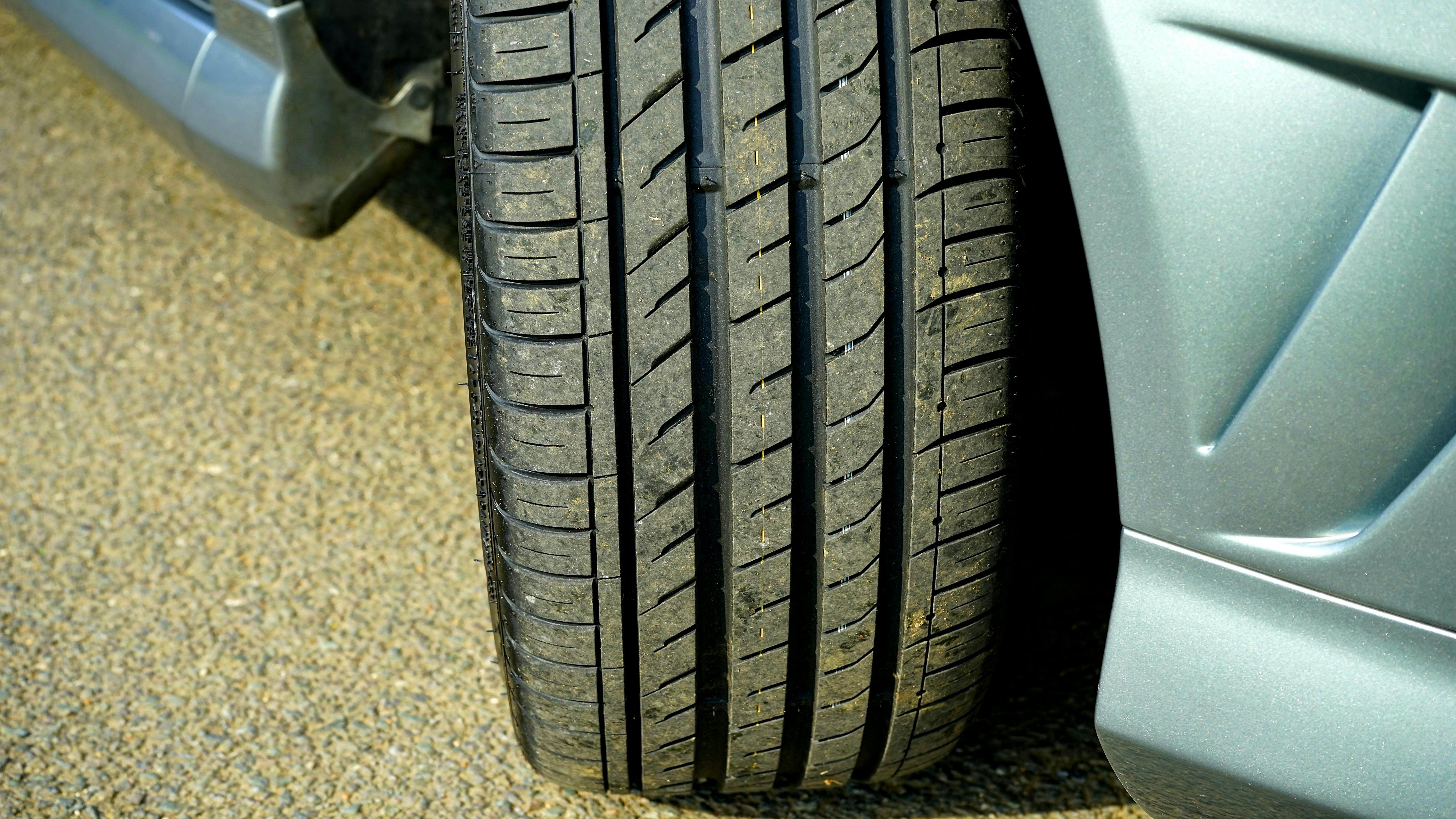
Understanding Tire Pressure Changes in Summer Heat
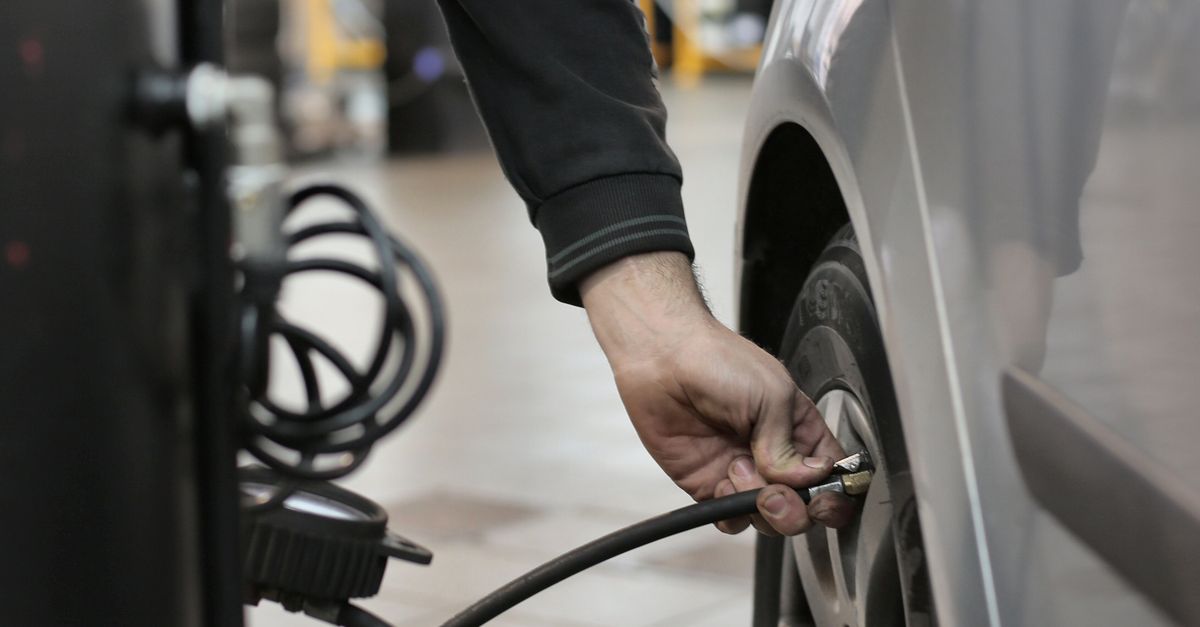
Tire pressure is directly affected by temperature due to fundamental physics. As temperatures rise, the air inside your tires expands, causing the pressure to increase. For every 10 degrees Fahrenheit change in temperature, your tire pressure can change by approximately 1 PSI. So, if your tires are set to 32 PSI on a 70°F morning, a 30-degree jump to 100°F can push your pressure to 35 PSI or higher by afternoon, especially after highway driving.
Modern vehicles, including those from GMC and Nissan, are equipped with a Tire Pressure Monitoring System (TPMS) that alerts you whenever your tire pressure moves outside the safe range—often about 25 percent above or below the manufacturer’s recommended value. The recommended PSI can be found on the sticker inside your door jamb or in your owner’s manual.
Why Does My Tire Pressure Light Come On in Summer?
There are several scenarios where summer heat leads to a tire warning light:
- Rising ambient temperatures cause an increase in tire pressure—possibly pushing it into the overinflation zone.
- Filling tires in cool mornings: If you set your tire pressure early in the day and then drive later when temperatures soar, the combination of heated air and pavement friction can temporarily raise the pressure by 5 PSI or more.
- Slow leaks masked by heat: A barely-noticeable loss of air may be hidden in the afternoon but becomes obvious (and triggers the light) after the tires cool overnight.
- Big day-night temperature swings: Connecticut’s summer days often swing by 20–30°F, leading to TPMS warnings that seem to show up randomly depending on the hour.
- TPMS sensor issues: Battery-powered sensors may falter or trigger warning lights due to heat stress or age, creating an alert even when tires are properly inflated.
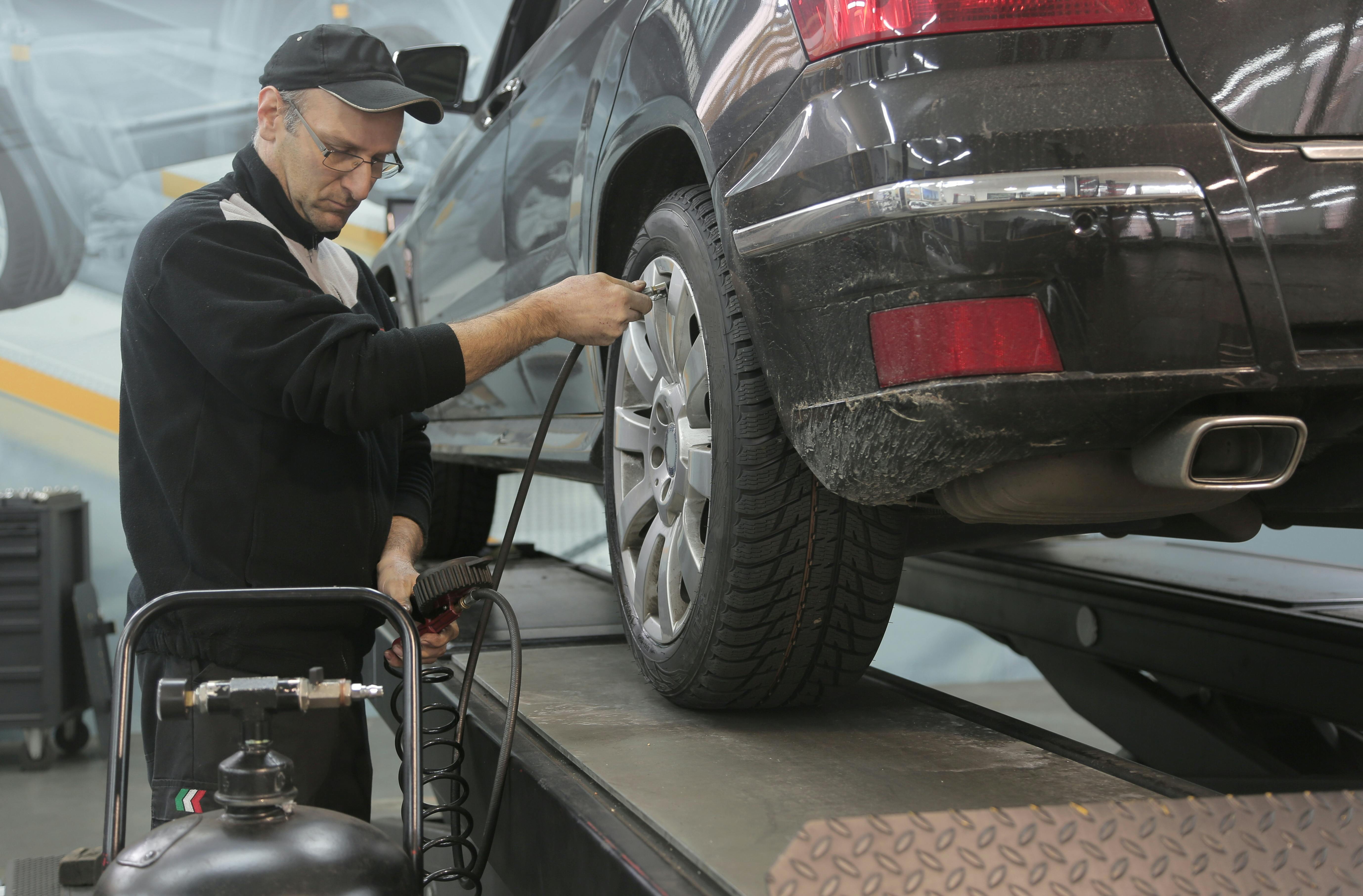
Technical Definition: What Is TPMS, and How Does It Work?
TPMS (Tire Pressure Monitoring System) is an electronic system that continuously measures the air pressure inside each tire. The system instantly alerts you using a dashboard light if your tire pressure falls outside of the safe operating parameters. On most vehicles, a warning will appear if the pressure is 25 percent higher or lower than the manufacturer’s recommendation.
Potential Dangers of Incorrect Tire Pressure in Summer
Ignoring tire pressure warnings during summer can put you at risk for:
- Blowouts, especially on overinflated or underinflated tires which are more prone to fail in heat.
- Uneven and accelerated tire wear, which shortens tire life and affects safety.
- Longer braking distances, as incorrect pressure reduces the tire’s traction on hot pavement.
- Poor fuel economy, since underinflated tires increase rolling resistance.
If you would like more information about how tire issues can cause uneven tread, check out our detailed blog: Why Your Tires Are Wearing Unevenly After Winter and What Connecticut Drivers Should Do Next.
What To Do When Your Tire Pressure Light Comes On
When your TPMS light turns on in hot weather, follow these steps:
- Stay calm and avoid sudden maneuvers. Pull over if the vehicle feels unstable, vibrates, or pulls to one side.
- Let the tires cool before checking pressure. Heat from driving raises pressure readings—wait at least 20–30 minutes after parking whenever possible.
- Use a quality tire pressure gauge. Measure all four (and the spare if applicable), then compare each number to the value posted in your driver’s door.
- Adjust pressure to manufacturer specs. Add air if below spec, bleed off small bursts if above (only after cooling). Avoid driving on a tire more than 3–4 PSI under rated value.
- If anything seems unclear or you identify persistent losses or sensor errors, visit a professional. At Gates GMC Nissan, our technicians quickly diagnose TPMS sensor issues, leaks, or damage and recommend the safest solution for your vehicle and lane conditions.
Preventing Summer Tire Pressure Problems
It is far easier to prevent tire light issues than to react to them on the roadside. We recommend the following best practices for all drivers:
- Perform a tire pressure check at least monthly during summer. Always check first thing in the morning for an accurate reading.
- Do not overfill “just for safety.” Overfilling on a mild day, then driving in summer heat, can easily push you above the intended limit and increase blowout risks.
- Whenever possible, park in the shade or in a garage. Direct sunlight heats tires and wheels even further.
- Incorporate tire checks into your regular summer maintenance. In addition to oil and coolant checks, regular tire inspections make summer travel safer and smoother.
Why Summer Tire Pressure Issues Are Especially Relevant in Eastern Connecticut
Connecticut’s combination of summer humidity, fluctuating temperatures, and rough secondary roads puts extra stress on tires. Local highways like I-395 and Route 6, plus patchy rural pavement, create additional risks for improperly inflated tires—especially in conjunction with potholes, extended roadwork, or extended trips while towing.
At Gates GMC Nissan, serving North Windham since 1986, we have seen firsthand how these conditions lead to the summer tire problems that our community faces. Addressing these issues quickly helps everyone avoid costly repairs and unsafe breakdowns.
How Gates GMC Nissan Can Help
You do not have to handle hot tires and pressure gauges on your own. Bring your vehicle to Gates GMC Nissan for:
- Complimentary tire checks with any service visit
- Inspection and adjustment to manufacturer specs
- Diagnosis of TPMS warnings and sensor replacement if needed
- Puncture and rim damage repairs (when safely possible)
- Selection and installation of OEM tires and sensors for GMC and Nissan vehicles
- Access to our service & parts specials that often include savings on tires, brakes, and more
Our technicians are trained to work on almost all makes and models, not just those from GMC or Nissan. You can call us or drop in for a quick check at 143 Boston Post Road, North Windham, CT.
Best Practices Checklist for Summer Tire Care
- Check pressure monthly—always when tires are cold
- Refer to the door sticker for pressure targets (not the tire sidewall number)
- Avoid topping up over recommended pressure even for long drives
- Look for steady drops—1–2 PSI per week may indicate a slow leak
- Include tires in your regular seasonal safety checks before summer road trips (see our related post: Before a Summer Road Trip, Check These 7 Things on Your Car)
- Ask a certified shop to inspect sensors, valves, and tire condition during summer maintenance
FAQ: Summer Tire Pressure Light
How much does tire pressure increase in hot weather?
For every 10°F increase in temperature, tire pressure rises by about 1 PSI. On a hot pavement, especially after highway driving, this can add up to a 5–6 PSI surge compared to your early morning reading.
Should I inflate my tires above the doorjamb sticker for summer?
No, you should stick to the manufacturer’s recommended cold pressure (found on your door sticker). Overinflating for summer actually increases the risk of blowouts on hot days.
Why does my tire light come on some days and not others?
Big daily temperature swings in Connecticut can cause pressure to fluctuate by several PSI, occasionally crossing the TPMS alert threshold. This is especially true for tires near the limit.
Can the TPMS light mean my tires are overinflated?
Some vehicles will alert for both under and overinflation, but many only warn about low pressure. Even if the light doesn’t come on, overinflation from heat is still a concern for tire safety.
How do I know if the warning is due to a slow leak?
If the tire light illuminates after the car has been parked overnight or appears first thing in the morning, it’s likely that one tire has a slow leak masked by afternoon heat. Measure all tires cold, and bring your vehicle in if any are consistently low compared to the others.
Does Gates GMC Nissan work on other makes and models?
Yes. Our certified technicians handle GMC, Nissan, and nearly all makes and models brought to our North Windham location.
Key Takeaways
- Summer heat causes tire pressure to rise and can trigger TPMS lights due to over or underinflation.
- Every 10°F temperature increase yields about 1 PSI of extra pressure.
- Check tires cold, follow the manufacturer’s recommended PSI, and avoid intentional over- or underinflation.
- If unsure, seek a professional inspection to avoid heat-related blowouts or safety risks.
- Connecticut’s climate and roads demand proactive tire care—helping you avoid the most common summer travel headaches.
For help diagnosing a persistent TPMS light, fixing tire issues, or preparing your car for summer travel, reach out to Gates GMC Nissan. Our local service team makes it easy to stay safe and comfortable on every New England road this season.
Is June a Smart Time to Buy a Car in Connecticut?

For Connecticut car shoppers, June offers strategic leverage and practical benefits if you know how to approach the process. While December is often seen as the month with the deepest discounts, June stands out for offering a smart balance of incentives, broad inventory, and the advantage of aligning with dealer goals. At Gates GMC Nissan, our decades of local experience reveal that buyers who time their purchase toward the end of June can often secure strong value, especially for vehicles well-suited to summer travel and family needs.
Is June a Good Time to Buy a Car in Connecticut?
June is considered a smart time to buy both new and used vehicles in Connecticut, particularly during the final week of the month. This makes sense because it serves as both the month-end and quarter-end for dealerships, creating extra motivation for stores to reach or exceed sales targets. For buyers, this dynamic can translate to more flexible negotiating conditions, appealing incentives, and increased willingness from dealers to work with your trade-in or price point.
While June may not necessarily match the absolute bottom pricing sometimes seen on outgoing models in late December, it does offer the following core advantages:
- Opportunities to leverage end-of-quarter dealer goals for better deals
- Wide vehicle selection suited to summer needs such as SUVs, trucks, and family crossovers
- Manufacturer incentives tailored to boost early summer sales
- A comfortable, low-pressure shopping environment thanks to pleasant weather and longer days
How Does June Compare to Other Months?
| Factor | June | December |
|---|---|---|
| Incentives/Discounts | Good to very good (especially during the final week and days) | Often strongest of year on remaining previous-model-year vehicles |
| Inventory Selection | Broadest for current models and trims, especially SUVs and trucks | Deep deals on out-going models but limited color/trim choice |
| Negotiation Leverage | High due to both month-end and quarter-end urgency | Very high, especially in the final week of December |
| Shopping Experience | Pleasant, easy test drives, summer promotions | Cold, busy, less flexible for comprehensive test drives |
If rock-bottom prices are your only goal and timing is not urgent, December could edge out June. For most Connecticut shoppers seeking value, choice, and convenience, June is an excellent alternative.
Definition: Why June Is “Smart Timing” for Car Buying
June marks the end of the second sales quarter for most auto dealers. As a result, managers actively monitor sales numbers and strive to meet or surpass corporate volume targets. That end-of-period push means more flexibility on pricing, interest in accepting a range of trade-in vehicles, and a readiness to move inventory. The combination of quotas and seasonal demand creates a window of higher negotiating power for buyers compared to slower months.
Step-by-Step: How to Maximize Your June Car Deal
- Set Your Budget
- Decide your preferred monthly payment and overall purchase limit
- List essential vehicle features: seating, all-wheel drive, towing, safety tech, etc.
- Research and Shortlist Vehicles
- Browse new GMC and Nissan inventory, as well as certified pre-owned and used options
- Explore vehicles under $15,000 for budget-friendly needs: under $15,000 inventory
- Use our model research tools for in-depth info on trims, options, and technology
- Get Pre-Qualified on Financing
- Check your credit score for realistic interest rate expectations
- Use the payment calculator to estimate costs
- Submit an application online at our finance center for fast approval or get pre-qualified here
- Value Your Trade-In
- Get a trade appraisal using our streamlined trade-in tool
- Gather maintenance records and clean the vehicle for best first impression
- Schedule Test Drives Early
- Book an appointment in advance, especially if test driving multiple models (schedule a test drive)
- Try to test drive mid-June, then return at month-end ready to finalize a deal
- Negotiate During the Final Days of June
- Visit in the last week—preferably the last Monday or Wednesday afternoon
- Arrive with clear numbers and comparisons from your earlier research
- Finalize With Confidence
- Confirm all details before signing, including incentives, finance terms, and trade value
- Lock in any available summer specials or service perks

What Vehicles Are Smart Buys in June?
Popular Choices at Gates GMC Nissan
- Trucks and SUVs: The GMC Sierra 1500, Sierra HD, Yukon, Acadia, and Terrain are popular for Connecticut summer travel, towing, and family trips. Inventory is typically strong this time of year—shop with confidence for summer needs.
- Certified Pre-Owned Reliability: For peace of mind and value, certified pre-owned GM and Nissan models are available, each subject to a detailed inspection. See certified inventory and check for CarFax 1-owner units.
- Budget-Friendly Used Cars: We maintain a rotating selection of well-maintained vehicles priced under $15,000 for first-time buyers, students, or anyone watching the bottom line: under $15k inventory
Best Practices for June Car Buyers in Connecticut
- Start research early: Identify and test drive your top picks by mid-June, then circle back for negotiation during the last week.
- Use online tools: Check real, current inventory, study packages, and compare payment options before visiting.
- Maximize your trade: Even non-traditional vehicles or “oddball” trades are welcomed with our “We Take Anything in Trade” policy.
- Time your visit: For negotiation, late afternoons in the last few days of the month usually align best with end-of-period dealership motivation.
- Be clear and confident in your offer: Know your numbers and stick to them. Dealers are usually more receptive to straightforward, realistic proposals as deadlines approach.
Supporting Services, Benefits, and Ownership Perks in June
Certified Service & Parts
Purchasing at Gates GMC Nissan in June unlocks access to certified service technicians for GM and Nissan, as well as service on almost all other makes and models. We provide OEM parts and regularly offer service and parts specials such as rebates on brakes and batteries or a tire price match guarantee for added peace of mind as you head into summer road trip season.
OnStar & Connected Services
On many new GMC vehicles, buyers benefit from three years of OnStar and Connected Services (features depend on model, plan, and compatibility). This provides access to enhanced safety, security, in-vehicle Wi-Fi, and navigation platforms right from day one.
GM Rewards
June is a good time to enroll in the GM Rewards program, building points with purchases, accessories, and paid service visits that can be redeemed for future GM-related expenses.
When June May Not Be the Best Timing
- If your primary goal is the lowest possible price on outgoing or leftover models and your timeline is flexible, late fall or December typically yields greater discounts—though with more limited selection.
- If your finances are not yet in order, it is smarter to wait until your budget, credit approval, and desired down payment are secure.
For most, June represents a healthy balance of pricing, inventory, and dealership motivation. Plus, you get to enjoy your new vehicle all summer.
FAQ: June Car Buying in Connecticut
- How does buying at the end of June help?
- The end of June combines month-end and quarter-end. Sales staff are often more willing to negotiate, and incentives can be stronger as the store aims to meet volume targets.
- Are June incentives as good as December deals?
- Generally, December can offer steeper discounts on outgoing model years, but June deals are still strong—especially if you need the latest models or want broader selection.
- Should I get pre-qualified before shopping?
- Yes. Knowing your rate range and having budget clarity allows you to shop with confidence and react quickly to the right opportunity.
- Can I trade in unusual vehicles at Gates GMC Nissan?
- Yes. As our tagline says: “We Take Anything In Trade! Goats, Boats, Trains, Planes, You Name It! We Trade It!” We’re open to considering all types of vehicles and will provide a fair estimate toward your purchase.
- Is inventory better in June?
- For SUVs, trucks, and crossovers in particular, June typically has a wide range of vehicles available, aligning with summer demand.
- What ownership perks do June buyers receive?
- Full access to our certified technicians, parts specials, tire match guarantee, convenient service hours, plus (on select GMC vehicles) OnStar and Connected Services included, and access to GM Rewards.
Related Resources
- End-of-Year vs. New-Year Car Buying in Connecticut: When You’ll Actually Get the Better Deal
- How Trade-Ins Work at Gates GMC Nissan: From Paid-Off Cars to Loans, Leases, and Anything You Bring
- Certified Pre-Owned vs Used vs New: Which One Makes Sense for Connecticut Drivers?
Conclusion
For Connecticut drivers considering a purchase in June, the combination of strong incentives, broad vehicle choice, and end-of-quarter dealership motivation makes it an appealing, practical option. The most important step is preparation: define your needs, organize your finances, research inventory online, and time your visit strategically for the final week of the month. At Gates GMC Nissan, our mission is to make your car buying experience smooth, transparent, and rewarding—whether you’re upgrading for summer adventures, searching for budget value, or seeking peace of mind with a certified pre-owned model. Start your journey by exploring our inventory or contacting our team today.

If you are thinking about hitching up your boat for a weekend adventure in Connecticut, a GMC truck is more than ready for the challenge. With thoughtful preparation and the right configuration, GMC trucks are engineered to tow most recreational boats found on area lakes and along the Long Island Sound. Whether you need to get your 18-foot bowrider to Columbia Lake or haul a larger cabin cruiser down to the shore, understanding what your GMC can handle is vital to a safe, stress-free summer getaway.
GMC Truck Boat Towing in Connecticut: A Quick Overview
Modern GMC trucks—including the Canyon, Sierra 1500, and Sierra HD—are purpose-built for towing. Recent models offer a range of towing capacities based on the engine, bed size, axle ratio, and factory towing packages. For Connecticut’s diverse mix of rivers, lakes, and coastline, there is a combination to fit nearly any weekend marine adventure, as long as your boat’s fully loaded weight falls within your truck’s limits.
Gates GMC Nissan specializes in helping local boaters select and set up the ideal GMC truck, matching towing power and safety technology to New England’s real-world road and launch ramp conditions.
What Boat Weight Can Your GMC Truck Tow?
Safely towing a boat in Connecticut is not just about matching the manufacturer’s numbers. It requires an accurate understanding of the entire towing package, including the trailer, engine, fuel, and all gear loaded in the boat. Here’s how the math really works:
- Boat dry weight: Provided by your boat’s manufacturer (does not include gear or fuel)
- Trailer weight: Single-axle trailers for smaller boats usually weigh 800-1,200 lbs, while tandem-axle trailers for large cruisers can weigh 1,800 lbs or more
- Engine weight: For outboard boats, the engine typically adds 300-600 lbs; for inboards, it is often included in dry weight
- Fuel and fluids: Gasoline weighs about 6.2 lbs per gallon; a full tank adds substantial weight
- Gear, batteries, and extras: Life jackets, anchors, fishing gear, and batteries can add 200-500 lbs
Typical Connecticut boat packages:
- 18 ft bowrider, single-axle trailer, full gear: ~3,700 lbs
- 21 ft center console, more equipment: ~5,300–5,600 lbs
- 24–26 ft cabin cruiser, twin-axle trailer, loaded: ~7,800–8,800 lbs
For best safety, especially on Connecticut’s hills and tight rural ramps, plan to stay below 75-85% of your GMC’s maximum rated tow capacity.
How Much Can Each GMC Truck Tow?
GMC Canyon: Capable for Small and Medium Boats
The GMC Canyon is a midsize truck with practical capabilities for many recreational boats. Properly equipped Canyons can tow up to about 7,700 lbs—enough for most 16 to 21 ft lake boats, smaller center consoles, and personal watercraft on a multi-ski trailer.
GMC Sierra 1500: The Versatile Choice for Most Boaters
The GMC Sierra 1500 covers a wide range of towing needs:
- 2.7L Turbo: Up to 9,500 lbs (great for lake boats and smaller saltwater vessels)
- 5.3L V8: Up to 11,200 lbs (handles most 21–26 ft weekend boats)
- 6.2L V8/Duramax diesel: Up to 13,300 lbs (ideal for serious offshore or heavy cabin cruisers)
If your summer ambitions include exploring both inland lakes and the Connecticut shore, the Sierra 1500 (when configured for towing) is an excellent all-around solution.
GMC Sierra HD 2500 & 3500: For Heavy Haulers
Need to move a big offshore boat, or plan long hauls across New England? Sierra HD 2500 and 3500 trucks step up with maximum towing well in excess of 20,000 lbs (with proper configuration and equipment). This is usually more truck than the weekend boater needs but is essential for the heaviest cabin cruisers and commercial duty horsetrailers or boats.

Connecticut’s Towing Realities: What To Consider
Connecticut has its share of towing challenges between winding backroads, sudden elevation changes near lakes, and sometimes slippery or steep boat ramps. With summer traffic around the shoreline, safety margins become even more important. That’s why many experienced local boaters choose a truck with ample towing capacity and advanced towing aids.
- Hilly terrain in regions such as Mansfield and Willimantic
- Narrow two-lane approaches to lakes and marinas
- Heavier traffic on I-84, I-95, and coastal Routes during peak weekends
GMC Trailering Features That Matter
- Factory towing packages: Include a heavy-duty hitch, wiring harness, and cooling upgrades
- Integrated trailer brake controllers: For smooth and safe braking on steep roads
- ProGrade Trailering technology: Offers camera systems for easier hitching and backing up; trailer tire pressure monitoring on select models
- Advanced safety tech: Available collision warning, adaptive cruise, and stability features help protect your investment and family
Best Practices Before You Tow
- Check your truck’s towing rating in the owner’s manual and pay attention to trim, engine, and axle ratio
- Weigh your loaded boat and trailer—not just the dry weight
- Inspect tires (on both truck and trailer) for pressure and wear
- Test all lights and trailer brakes
- Use correctly rated tow hitches and safety chains
- Secure all gear, battery boxes, and outboard transom clamps before leaving your driveway
- Practice towing and braking in a large empty lot before heading out for the first time each year
Step-by-Step: Matching Your GMC to Your Boat
- Gather boat and trailer weights, including full gas tanks, gear, and batteries
- Compare to your GMC’s max tow rating with a 15–25 percent safety margin
- Inspect your hitch, wiring, and trailer brakes for safe operation
- Call or visit Gates GMC Nissan if you have questions or need a towing consultation
How Gates GMC Nissan Supports Connecticut Boaters
Gates GMC Nissan is a trusted resource for New London County, Mansfield, Norwich, and the surrounding area, delivering new and used GMC trucks configured for real-world towing and equipped with genuine GM towing accessories.
- Personalized Towing Consultations: Our experts help you choose the right GMC Canyon, Sierra 1500, or Sierra HD for your specific boat and weekend plans. We use your actual trailer and boat specs to make sure you are not pushing your luck on steep boat ramps or hilly backroads.
- Trade-Ins Without Limits: We really do take anything in trade—”Goats, Boats, Trains, Planes, You Name It! We Trade It!” If your current truck is just not up to the job, we make it easy to upgrade.
- Shop Our GMC Inventory Online: See current trucks ready with tow packages at Search New GMC Trucks.
- Test Drives (Towing-Focused): You can book a test drive in any GMC to get a real sense of power and safety behind the wheel—whether you are new to towing or towing for years.
- Towing Setup & Maintenance: Our service center can install hitches or confirm your truck is ready to handle a busy summer on Connecticut’s backroads and boat launches.
- Online Purchase and Financing: With Shop Click Drive, you can price, trade, and schedule delivery from home.

FAQ: GMC Truck Towing for Connecticut Summer Weekends
What size GMC truck do I need for my boat?
It depends on your fully loaded trailer weight. For most 18-21 ft lake boats, a properly equipped Canyon or Sierra 1500 is sufficient. For heavier cabin cruisers or offshore boats, a Sierra 1500 with V8 or a Sierra HD is a better fit.
How can I make sure my GMC is ready for towing to a lake or marina?
Besides checking capacity, verify hitch components, trailer wiring, brake controller settings, and tire pressures. Our certified GM technicians at Gates GMC Nissan can help with pre-trip checks or new hitch and wiring installation.
What towing features should I look for?
Look for the factory trailering package, integrated trailer brake controller, hitch guidance/camera features, and advanced driver safety technologies for the safest towing in Connecticut’s unique road and launch ramp conditions.
Can Gates GMC Nissan appraise my current vehicle or truck as part of the process?
Yes, use our Value Your Trade tool or bring us anything—our team will provide a competitive offer that you can apply directly toward your new GMC truck purchase.
Where can I learn more about GMC towing technology?
For in-depth comparisons, see our research on GMC Sierra EV towing capabilities or visit our model research page for details on trailering features offered for each GMC model.
Conclusion
Towing a boat for a summer weekend in Connecticut is easy and reliable with the right GMC truck, set up smartly and maintained well. The real key is understanding your actual towing needs, picking a truck with safety margin and appropriate features, and working with a trusted partner. At Gates GMC Nissan, we combine decades of truck, lake, and marine experience with personalized sales, trade-ins, test drives, and service support for every local boater and adventurer. Ready to get started?
Take your next step with Gates GMC Nissan—your North Windham, CT experts for every towing question. Explore our GMC inventory, schedule service, or contact us for a true hands-on towing consultation.

Choosing a used car for a teen driver in Connecticut involves more than picking an affordable model – it requires selecting features that actively protect new drivers, reduce distractions, and build their confidence on New England’s diverse roads. At Gates GMC Nissan, our expertise comes from decades of helping families in North Windham and beyond, guiding them to the best balance of budget, safety, and peace of mind for young drivers. This guide breaks down exactly which used car features matter most for Connecticut parents and teens, why these features are critical, and how to identify them when searching for your next vehicle.

Definition: What Makes a Used Car “Teen-Safe”?
“Teen-safe” used cars combine modern crash protection, driver assistance systems, and ease of use. The best vehicles reduce crash risk for younger, less experienced drivers by employing technologies that compensate for common mistakes, distractions, and the challenges of driving in Connecticut weather. At Gates GMC Nissan, we recommend prioritizing models that include features proven by leading safety organizations for real-world protection.
Key Used Car Features for Teen Drivers
1. Electronic Stability Control (ESC) and Crash Protection
ESC became mandatory on all new cars in 2012 and is non-negotiable for Connecticut’s icy winters and winding rural routes. ESC works invisibly in the background to prevent spins and loss of control, particularly on slippery roads. For used cars, try to stay at 2012 or newer for this crucial safety net. Additionally, select vehicles with at least 4 out of 5 stars on NHTSA crash ratings and “Good” scores from IIHS. Our team at Gates GMC Nissan always verifies these ratings for every vehicle we recommend to families. We also offer easy access to full used inventory and certified pre-owned cars so you won’t be left guessing about safety records.
2. Advanced Driver Assistance Systems (ADAS)
- Automatic Emergency Braking (AEB) & Forward Collision Warning (FCW): FCW gives an alert if your teen is closing in too fast on a car ahead. AEB can brake automatically in emergencies when there’s not enough reaction time. These two features are highly recommended by peer organizations as most effective in reducing collision severity for teens.
- Blind Spot Monitoring & Rear Cross Traffic Alert: Essential for busy state highways and tight school parking, these systems warn when another car is in your blind spot or approaching from the side while reversing.
- Lane Departure Warning & Lane Keep Assist: Particularly important for late-night drives or long rural trips, these technologies alert or help nudge young drivers back into their lanes when drifting occurs.
- Adaptive Cruise Control: Adjusts speed to maintain distance from the vehicle ahead, reducing tailgating accidents common among inexperienced drivers.
Brands and trims package these features under different names—ask at Gates GMC Nissan for details on specific pre-owned models. We’re always happy to help confirm each feature during your vehicle walkaround.
3. Visibility and Night Driving Support
- High-Performance Headlights: Look for models with LED or projector headlights, rated “good” or “acceptable” by IIHS when possible. Better headlights help spot deer, pedestrians, or road hazards on unlit routes near Mansfield, Lebanon, and other CT towns.
- Automatic High Beams: Make it easier for new drivers to respond quickly as conditions change.
- Rearview Camera and Parking Sensors: Rear cameras are standard since 2018, but are available on many earlier vehicles and make parking lots and tight driveways much safer for rookie drivers.

4. Distraction-Reducing Technology
- Bluetooth Hands-Free & Steering Wheel Controls: Takes the temptation away from picking up a phone. Many vehicles from the early 2010s and later have dependable Bluetooth integration and controls right at your fingertips.
- Simple Infotainment: Avoid overly complex systems that demand multiple menus for basic tasks. Interface simplicity is crucial for limiting distraction.
- Voice Recognition: Allows navigation, calling, or responding to texts with minimal hand use.
During pre-purchase test drives at Gates GMC Nissan, we make sure you and your teen can confidently use these systems. You can schedule a test drive for hands-on experience.
5. Ideal Vehicle Size and Power
Safety experts typically recommend a compact or midsize sedan or compact SUV for teens. Avoid very small cars, which lack protection, and large, high-horsepower vehicles, which increase handling challenges and accident risk. We often suggest pre-owned models such as the GMC Terrain, Nissan Rogue, and Nissan Altima. For families on a budget, vehicles under $15,000 or our CarFax 1-owner options offer value without sacrificing key features.
A Step-by-Step Process: Buying a Safe Used Car for Your Connecticut Teen
- Set budget and insurance range: Know your upper limit and get premium quotes on vehicles equipped with extra safety features.
- Aim for 2012 model year or newer: Secure ESC as standard, and 2015+ for more modern ADAS technology.
- Create a must-have feature checklist: Prioritize ESC, strong crash ratings, rearview camera, AEB, FCW, blind spot, and lane warning systems.
- Browse inventory online: See Gates GMC Nissan’s full inventory and shortlist promising vehicles based on features and budget.
- Verify features in person: Visit our North Windham location. We’ll confirm technology and safety options, and provide crash-test details for specific vehicles.
- Test drive with your teen: Experiment with visibility, seating, and in-car tech. Our staff can guide you through every safety feature as part of the test drive process.
- Finalize with confidence: Use our payment calculator, get pre-approved for financing, or value your current vehicle—we really do take anything in trade.
Connecticut-Specific Considerations
- AWD vs. FWD: All-wheel drive can offer extra grip in snow, but stability control, quality winter tires, and driver aids are just as important for control. Don’t assume AWD is required to stay safe.
- Insurance Impact: Cars with newer safety technology, moderate power, and good ratings often result in significantly lower premiums for teens.
Best Practices When Shopping for a Teen Driver
- Test every feature you expect to use during a demo drive—not just the “fun” features, but also safety alerts, camera views, and smartphone pairing.
- Consult resources like IIHS and NHTSA crash and headlight ratings, or ask your salesperson at Gates GMC Nissan to provide them for you.
- Be wary of cars with missing airbag warning lights or obviously disabled safety systems.
- Schedule a full orientation for your teen at delivery. Many collisions happen in the first months of driving—building real familiarity with each safety feature pays off.
- If you want to learn more about buying the right used vehicle, see our guide on what to look for when buying a used car in Connecticut.
Frequently Asked Questions
Is it better to buy a used sedan or SUV for my teen in Connecticut?
Compact or midsize sedans and compact SUVs strike the right balance for most Connecticut teens. Large SUVs can be harder to maneuver and more prone to rollover, while very small cars offer less crash protection. Models such as the GMC Terrain and Nissan Rogue are excellent options for safety and practicality.
How recent does the used car need to be?
We recommend no older than 2012 to ensure ESC and crash standards are met. For ADAS features, 2015 or newer opens the door to advanced safety tech like AEB and blind spot alerts. Gates GMC Nissan always checks safety features for you before any recommendation.
Does AWD make a big difference for a teen driver in winter?
AWD helps especially on hills or in deep snow, but stability control, traction control, and good all-season or winter tires are often more important for safe stopping and maneuvering.
Can Gates GMC Nissan verify a used car’s crash test ratings?
Yes. We routinely retrieve NHTSA and IIHS results for any car on our lot so you can make informed decisions based on real safety test results.
What if I have a strict budget?
Our inventory of vehicles under $15,000, along with value-focused financing programs, makes teen-safe options accessible. Discuss your needs, and we’ll present choices that prioritize safety and reliability.
Conclusion
Equipping your new driver with the best-used car features is not just about insurance savings—it’s about well-being and confidence every time they’re behind the wheel. With the right combination of ESC, ADAS technology, solid crash ratings, and modern visibility tools, Connecticut families can send their teens onto the road with peace of mind. Visit Gates GMC Nissan in North Windham or browse our online inventory to discover vehicles that meet these standards. Our family-owned team is here to partner with you at every step—from research, to test drive, to celebrating your teen’s safe independence.
Connect with us


