

Before you set out on a summer road trip, ensuring your vehicle is truly ready is one of the best ways to prevent roadside breakdowns, safety risks, and last-minute headaches. At Gates GMC Nissan, we’ve seen first-hand how a detailed pre-trip car check can make all the difference in your road trip experience—whether you’re driving a new GMC, a certified pre-owned Nissan, or almost any make or model. Here’s what every driver should inspect before hitting the open road this summer.
Why Summer Road Trips Require More Than Everyday Readiness
Longer drives, higher heat, heavier loads, and unfamiliar roads all add stress to your vehicle’s key components. Even a car that runs fine during your daily commute can reveal new issues when asked to perform for hours at highway speed in summer weather. That’s why the service team at Gates GMC Nissan recommends a comprehensive, but simple, checklist focused on the system areas most vulnerable to summer demands, and we work with Connecticut drivers all season to help them prepare with genuine OEM parts, certified service, and expert advice when needed.
Definition: What is a Pre-Summer Road Trip Car Check?
A pre-summer road trip car check is a thorough visual and functional inspection of your vehicle’s tires, fluids, lighting, wipers, battery, brakes, and emergency supplies. The goal is to catch worn parts or low levels before they become bigger issues away from home.
The 7 Essential Things to Check Before a Summer Road Trip
1. Tires: Pressure, Tread, and Condition
Your tires are quite literally where the road trip begins and ends. High summer heat increases tire pressure, and extra highway miles will speed up wear. Improper tire pressure or tread can dramatically reduce traction, increase blowout risk, and diminish fuel efficiency.
- Pressure: Use a reliable tire gauge to check all tires cold (before driving or after sitting in shade). Compare each to the manufacturer’s recommended PSI found on your driver’s door jamb (not the tire sidewall).
- Tread: Use the penny test: insert a penny into the tread groove with Lincoln’s head down—if you see the top of his head, it’s time to replace the tires.
- Condition: Look for any visible bulges, cuts, cracking, or punctures. If you spot uneven wear, get your alignment checked before your journey. And don’t forget to check the spare (if equipped).
2. Fluid Levels: Oil, Coolant, Brake, Washer, and More
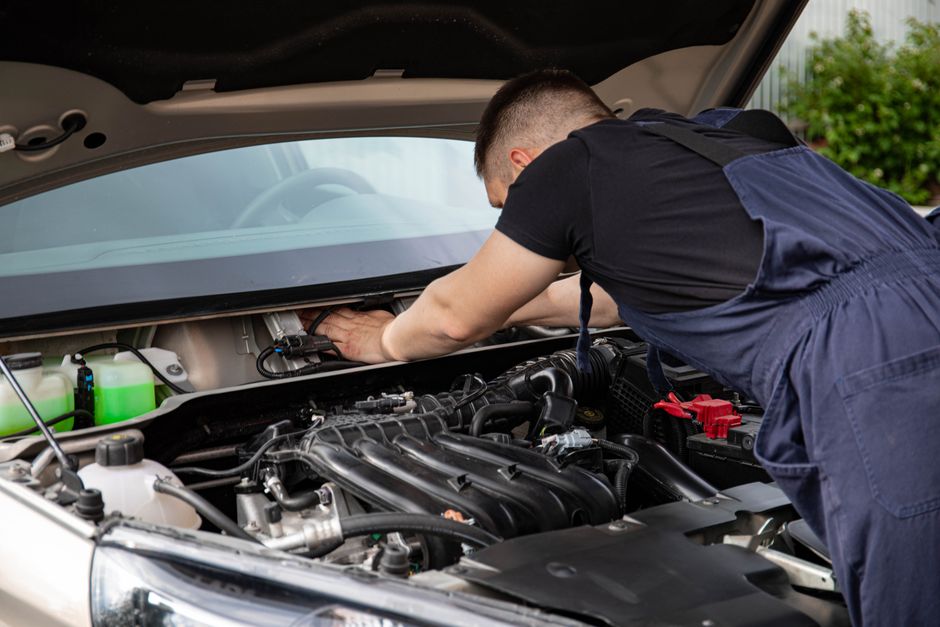
Engine and system fluids keep every part moving smoothly, especially as temperatures rise. Low or deteriorated fluids can lead to overheating, breakdowns, or dangerous component failures.
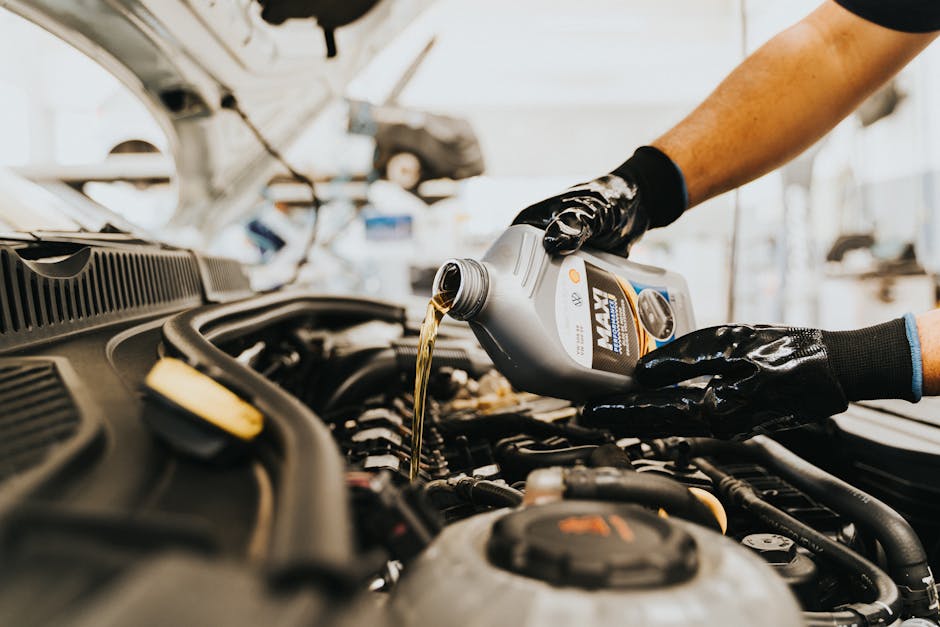
- Check engine oil level and color; top off with manufacturer-specified type if low.
- Inspect coolant/antifreeze level (never open a hot radiator cap) and confirm it’s clear and clean.
- Check brake fluid and power steering fluid (if equipped) for correct level and cleanliness.
- Fill the windshield washer fluid reservoir—summer road debris and bugs require plenty!
- Look for any drips or puddles under the vehicle, which could signal a leak needing professional attention before you depart.
3. Lights and Signals: All Need to Work
Being seen—and being able to see—are critical for driver safety, especially at night, in rain, or through construction zones. A non-functioning light not only increases risk but can result in an unexpected traffic stop far from home.
- Turn on headlights (high and low beam), turn signals, brake lights, reverse lights, hazard lights, and license plate lights—visually confirm each is working.
- Have someone press the brake while you check the rear bulbs; if needed, tap the light gently to check for intermittent function.
- If multiple lights are out, suspect a fuse or electrical issue and book a check with a technician.
4. Wiper Blades and Washer System: Clear Vision is Safety
Sudden summer storms are common in the Northeast. Wiper blades that leave streaks, chatter, or skip are a clear liability on unfamiliar highways and winding roads. Wiper rubber dries out or cracks over time even with minimal use—fresh blades can improve visibility sharply.
- Replace wiper blades if you see any cracks or feel rough edges. Blades that streak after a rain should be changed for new ones before your trip. Check for Gates GMC Nissan parts specials if you want genuine replacements.
- Ensure washer fluid is topped up, ideally with summer-grade fluid to cut road grime and bugs.
5. Battery Health: Prevent No-Start Emergencies
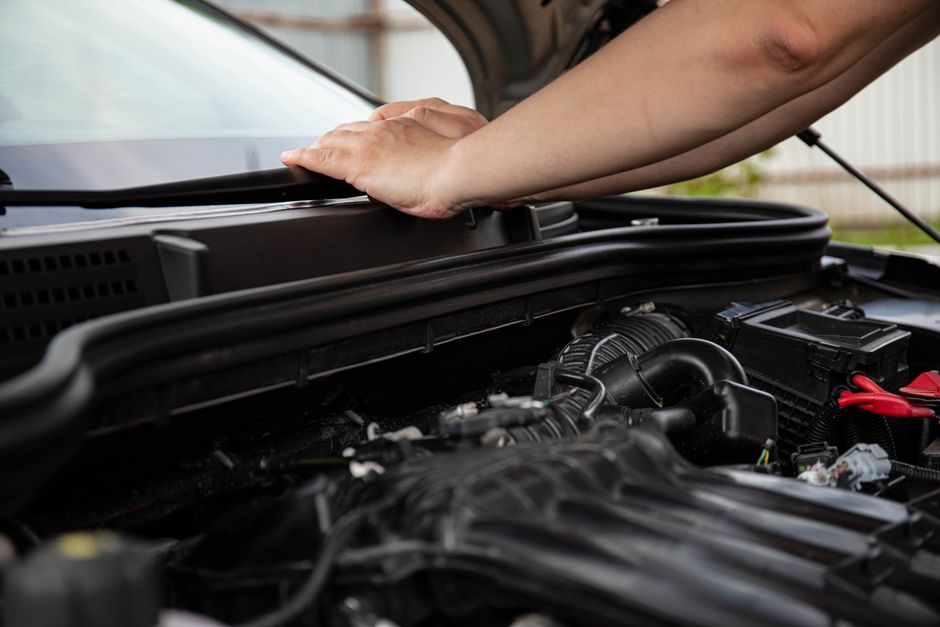
Summer heat challenges batteries almost as much as winter cold. Modern batteries typically last 3–5 years, but any sign of slow cranking, dim lights, or corrosion is a warning signal before you leave town. At Gates GMC Nissan, we can test battery condition in minutes. Don’t wait until you’re at a remote rest stop or gas station.
- Check for corrosion—white or green deposits—on battery terminals and cables. Clean gently if present, being mindful of eye and skin safety.
- Look for loose battery mounts or swollen battery cases; a secure fit is key for safe operation.
- If the battery is older than 3 years or has been showing warning signs, have it tested or replaced before setting out.
6. Brakes: Safety Demands They’re Ready
Long drives and extra cargo put more demand on braking systems—especially on hills, in stop-and-go traffic, or in sudden stops. Any squeaking, grinding, vibration, or warning lights mean you should schedule a brake inspection immediately.
- Listen for sounds like squealing or grinding when you brake. Brake pedal pulse, needing to press harder than usual, or low pedal height suggest immediate attention.
- If your vehicle has a brake warning light or pulls to one side during stops, see a service technician first.
- Gates GMC Nissan’s expert techs can inspect brakes and related components on virtually all makes and models for complete peace of mind.
7. Pack a Road Trip Emergency Kit
Even perfectly maintained vehicles can run into trouble with weather, traffic, or random bad luck. Carrying basic emergency gear lets you handle minor problems, keeps your group comfortable if you get stuck, and helps emergency responders if needed.
- Jump starter pack or jumper cables
- Phone charger and external battery
- High-visibility flashlight (with spare batteries)
- Reflective warning triangles or flares
- Bottled water, first aid kit, emergency blanket, rain poncho
- Snacks, wipes, a printed map for rural areas, and a small trash bag
Step-by-Step Pre-Trip Checklist
- Start by checking all tires for pressure, tread, and damage; don’t skip the spare.
- Inspect all fluid reservoirs, top off as needed, and look for leaks.
- Turn on and check every exterior and interior light (take a walk-around or ask a helper).
- Wipe windshield, run washer system, and assess wiper blades for clear operation.
- Test battery with a voltmeter or ask your mechanic for a load test if you’ve had starting concerns.
- Apply brakes at low speed in a safe area to feel for pulsing, grinding, or pulling.
- Assemble or confirm your emergency kit is in the vehicle and clearly accessible.
Best Practices for Road Trip Vehicle Prep
- Begin your check a few days before travel, in case you need parts or repairs.
- Keep your owner’s manual handy—it specifies important details like fluid types and maintenance recommendations.
- Don’t hesitate to consult a certified service department like Gates GMC Nissan for any concern. Our team is trained on all major systems and can help you decide what is urgent, what can wait, and what’s normal wear.
- Regular preventive maintenance (such as oil changes, tire rotations, alignment checks, and multi-point inspections) correlates with fewer road trip surprises—and often better fuel economy.
When Should You Bring Your Vehicle to a Professional?
Bring your car to Gates GMC Nissan or your trusted service center before departure if you notice any of the following:
- Dashboard warning lights are illuminated (ABS, Check Engine, Battery, Oil, etc.)
- Persistent fluid leaks under the engine or transmission area
- Battery more than 3 years old and/or showing sluggish starts
- Brakes feel soft, spongy, noisy, or unresponsive
- Tires have sidewall bubbles, visible cords, or tread significantly below minimum standards
- A/C system is not cooling effectively
- Persistent “wobble,” vibration, or unusual noises at highway speed
Our certified GM and Nissan service technicians are here to keep you confident on every mile. We also carry OEM and quality replacement parts if a pre-trip fix is needed—even for many non-GM or Nissan models.
Additional Resources for Connecticut Drivers
- Want more tips on tire wear, alignment, or post-winter issues? See our blog Why Your Tires Are Wearing Unevenly After Winter.
- If your A/C isn’t blowing cold, check our guide: Car A/C Not Blowing Cold After Winter?
- Considering a new or pre-owned vehicle for your next adventure? Browse our full inventory, or schedule a test drive.
- Save on service prep with parts and maintenance specials.
FAQ: Summer Road Trip Vehicle Prep
- How far in advance should I do my pre-trip check?
- Ideally, complete your checklist a few days before travel. This allows time to schedule any necessary service or to order parts if you find issues.
- What are the biggest risks if I skip these checks?
- The main risks are higher chances of flats, overheating, battery failure, or brake issues—especially in hot weather or after hours of highway driving. Routine checks can prevent many avoidable breakdowns.
- Can I do all of this myself, or should I visit a dealership?
- Many steps are do-it-yourself, especially with your owner’s manual. However, if you spot an issue or are unsure about brakes, batteries, or warning lights, our team at Gates GMC Nissan is here to inspect and advise.
- What about OnStar and Connected Services for road trips?
- New Buick and GMC vehicles, including those at Gates GMC Nissan, often include OnStar Safety, remote access, and Wi-Fi hotspot features. See our detailed post: OnStar in 2026: The Features Connecticut Drivers Actually Use.
- How can I tell if my tires are really safe for high-speed highway use?
- Minimum tread depth should be at least 2/32″, but for wet or very hot conditions, more tread is safer. Any visible cords, sidewall bulges, or cracks suggest replacement is needed before a road trip.
Conclusion: Start Your Trip with Confidence
There’s no substitute for the peace of mind that comes from knowing your car is road-trip ready. The team at Gates GMC Nissan stands behind every service, part, and vehicle we offer, helping Connecticut drivers enjoy safer, smoother, and more enjoyable journeys. If you want help with a pre-trip check, are ready to upgrade your ride, or need advice on any vehicle topic, we’re always here for you in North Windham—and online with transparent service, trade-in, and test drive options.

Memorial Day in Connecticut stands out as one of the most strategic times of the year to purchase a new or used vehicle. Each year, this holiday weekend sees a surge in automotive incentives and high-value trade-in opportunities, spurred by dealerships’ intentions to clear inventory to make room for upcoming models. At Gates GMC Nissan, we consistently see increased inventory, enhanced savings, and specialized incentives aligned with both national manufacturer programs and local market demand.
For Connecticut shoppers, buying a car on Memorial Day can mean a meaningful reduction in sticker price, more models to choose from, and often bonus offers on trade-ins—as we’re well known for our unique policy: We Take Anything In Trade! Goats, Boats, Trains, Planes, You Name It! We Trade It! Our team in North Windham leverages decades of experience to ensure buyers get the best value, all while being supported by certified expertise and honest guidance. Let’s look deeper at why this period is considered exceptional for car buying and how to maximize your advantage at Gates GMC Nissan.
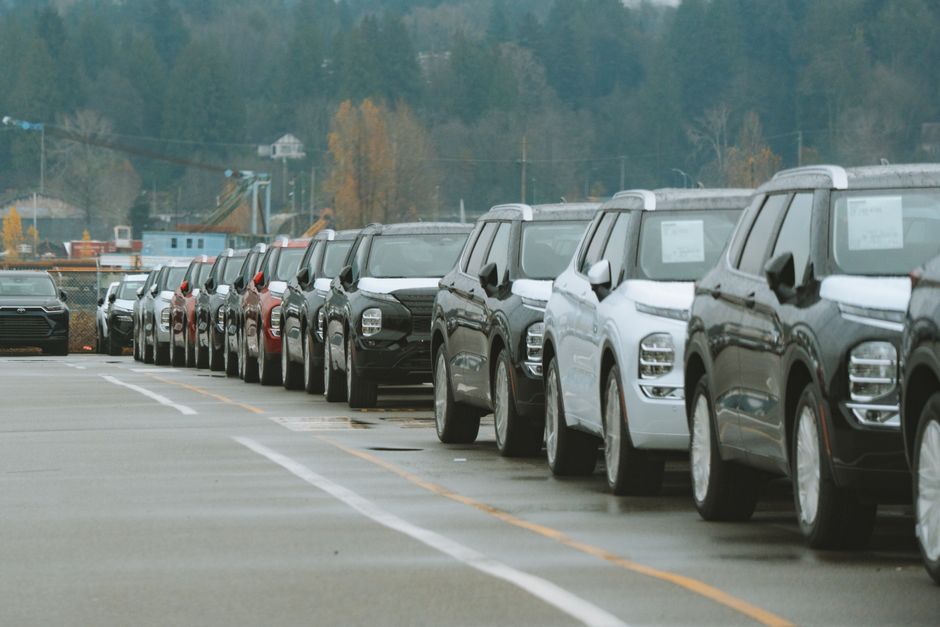
What Makes Memorial Day a Car Buying Hotspot in Connecticut?
Memorial Day has become synonymous with automotive savings for several reasons, particularly in Connecticut’s competitive vehicle market:
- Yearly Model Transitions: Dealers ramp up discounts to move out remaining vehicles from the current and previous model years, making room for new arrivals.
- Manufacturer Incentives: Automakers such as GMC and Nissan frequently release exclusive rebates, lower-interest financing, or lease specials during the holiday to boost sales volume.
- Expanded Inventory: Many dealerships increase inventory before the holiday, meaning a broader choice of vehicles, particularly on in-demand models and trims.
- Enhanced Trade-In Offers: Because of the strong demand during Memorial Day, trade-in values are often at their peak, especially at Gates GMC Nissan, where trades are welcomed regardless of make, model, or even nontraditional vehicles.
Industry data from recent years, provided in the Research Data above, indicate Memorial Day events drive a substantial uptick in transactions, often resulting in national and regional incentives surpassing those at other times of year.
Memorial Day Vehicle Specials at Gates GMC Nissan
At Gates GMC Nissan, our holiday inventory and incentives are designed to meet the needs and preferences of shoppers from Windham, Norwich, Mansfield, and throughout eastern Connecticut. Here’s what buyers typically find during Memorial Day weekend:
- New vehicle specials—significant reductions on new GMC and Nissan vehicles
- Pre-owned inventory—highlighting affordable options with transparent pricing and CarFax reports
- Certified pre-owned GMC and Nissan—comprehensive inspections and added warranty value
- Special incentives on commercial/work-ready trucks and vans
- Extra trade-in bonuses, even for unconventional items (boats, RVs, motorcycles, as highlighted in our customer stories)

Definition: Memorial Day Car Sales Explained
Memorial Day car sales refer to the period surrounding the federal holiday when dealerships across the country, including in Connecticut, offer major price reductions, rebates, and finance specials to stimulate buying. It’s one of several high-volume periods, rivaled only by year-end closeouts and Black Friday, but unique for the number of trade-in and new model incentives available simultaneously.
Step-by-Step: How to Maximize Your Memorial Day Deal at Gates GMC Nissan
- Research Models in Advance: Start by exploring our model research resources to compare trims, specs, and features of GMC and Nissan models. Knowing your options helps with decision-making on the busy holiday weekend.
- Check Current Incentives: Visit our Specials page to review up-to-date offers on new vehicles. These are refreshed for Memorial Day and often stack with manufacturer incentives.
- Value Your Trade: Use our online Value Your Trade tool. We take anything in trade, making upgrades possible for more customers, regardless of what you’re driving—or even if what you have doesn’t have wheels.
- Finance Prep: Secure pre-qualification or apply for financing via our convenient quick credit application. This prep minimizes your time at the dealership and gives you realistic budget expectations.
- Schedule a Test Drive: To streamline your visit, set up a test drive through our Test Drive portal, or call 860-455-4736. Driving the car is vital for making a final decision.
- Shop Click Drive: Many buyers appreciate starting their deal online with Shop Click Drive. You can select your vehicle, compare payments, include your trade details, and schedule delivery or pickup—all before setting foot in the showroom.
- Pair with Service & Parts Offers: Memorial Day also brings savings on routine maintenance and upgrades. See Service & Parts Specials for discounts on oil changes, brakes, or tire services.
- Leverage GM Rewards: Purchases earn points for future use. Enroll in GM Rewards—this stacks value for repairs, accessories, or even your next vehicle.
Benefits and Unique Advantages at Gates GMC Nissan
As Connecticut’s experienced leader in car sales and service, Gates GMC Nissan stands apart for several reasons:
- Transparent, No-Pressure Experience: Our family ownership means a transparent buying process. Verified Google reviews repeatedly mention our helpful and professional staff, including Mark, JP, and others.
- Flexible Trade Policy: We accept nearly all trades—cars, trucks, boats, motorcycles, RVs (and more, as noted in our tagline)—removing barriers for buyers upgrading from any type of asset.
- OEM Certified Technicians: Our technicians are factory-certified for GMC and Nissan, and also service other makes, providing ongoing support after your purchase.
- Parts Availability: Full OEM parts inventory ensures your vehicle stays factory-spec, whether for maintenance or repair.
- Commercial & Fleet Buyers: Explore business vehicle incentives and flexible commercial solutions through our Business Elite program.
Risks and Considerations: Is Memorial Day Always the Best?
While Memorial Day offers exceptional deals, there are a few considerations Connecticut buyers should keep in mind:
- Inventory Moves Fast: Popular models and trims may sell out early in the weekend, so acting quickly is advantageous.
- Incentives Vary by Model: Not every vehicle may have the same level of rebates or financing specials. Comparing similar models—such as the latest GMC Sierra 1500 versus a competitor’s truck—can reveal the greatest value.
- Year-End vs. Memorial Day: Some buyers prefer end-of-year sales for the very deepest discounts, though Memorial Day generally strikes an excellent balance between incentives and selection. For a detailed breakdown, see our blog on year-end vs. new-year buying.
- Trade-in Timing: Trade values may be higher during Memorial Day due to strong demand, but can also fluctuate with market conditions, so get a firm offer early.
Best Practices for Connecticut Car Buyers on Memorial Day
- Start Research Early: Due to fast-moving inventory, have your top picks and trade-in details ready prior to the weekend.
- Clarify Needs vs. Wants: With more options available, define must-have features and stick to your essential needs.
- Be Prepared to Move Quickly: Once the right deal appears, finalize your decision as vehicles can be spoken for within hours during this peak event.
- Review All Documentation: Memorial Day incentives may include additional paperwork for manufacturer rebates, so inspect all contracts for accuracy.
Real Customer Experiences at Gates GMC Nissan
Many local buyers mention the value and service they experience during Memorial Day events at Gates GMC Nissan. Recent reviews found on our customer feedback page highlight seamless trade-ins and satisfaction with transparent pricing and responsive staff. For example, one loyal customer described trading their RV in for a GMC Canyon and saving significantly compared to major metro dealerships. These types of success stories represent our approach to treating every visitor with individual attention.

Frequently Asked Questions
Is Memorial Day really the best time to buy a car in Connecticut?
Memorial Day is widely recognized as a top choice for car shopping because of stacked incentives, aggressive trade-in bonuses, and expanded inventory. For many buyers, it’s the ideal blend of value and vehicle selection.
What types of vehicles are on sale during Memorial Day at Gates GMC Nissan?
Expect deals on nearly every in-stock new GMC and Nissan model, certified pre-owned vehicles, and a broad selection of used cars, trucks, and SUVs, including value-driven options under $15,000.
Can I trade in something other than a car?
Yes. Gates GMC Nissan is known for accepting a wide variety of trades including boats, motorcycles, RVs, and more. Use our online trade-in evaluation to get started.
Are incentives the same for every vehicle?
No. Some models qualify for larger rebates or lower-interest financing depending on inventory and manufacturer programs. Always check current specials and ask our sales advisors for details on specific vehicles.
How quickly should I act on a Memorial Day special?
Act promptly if you see a vehicle and deal that meets your criteria, as high-demand models may sell out quickly during this period.
How do I start the buying process?
Begin by browsing our new and used inventory, then value your trade or apply for financing online. Contact our sales team to confirm Memorial Day hours and book a test drive.
Is servicing my new car easy at Gates GMC Nissan?
Yes. Our GM- and Nissan-certified service center supports your ongoing maintenance with OEM parts, knowledgeable technicians, and regular savings on service work.
Conclusion: Memorial Day at Gates GMC Nissan
Car buying over Memorial Day in Connecticut continues to be an exceptional opportunity for those looking to maximize value, trade up, and enjoy comprehensive incentives. As a family-operated dealership, Gates GMC Nissan delivers on both the personal touch and the expertise needed to navigate busy holiday events. Whether you’re upgrading a family SUV, securing a reliable commuter, or exploring new commercial trucks, our team is here with transparent information, competitive offers, and a commitment rooted in decades of service.
If you’re considering a purchase, contact our sales team at 860-455-4736 or visit us online to start your journey. Gates GMC Nissan welcomes every buyer and every trade—helping Connecticut drivers find their next vehicle with confidence, clarity, and friendly guidance. For more advice on trade-ins, certified pre-owned options, and vehicle buying strategies, you can also check out our post on how trade-ins work at Gates GMC Nissan.
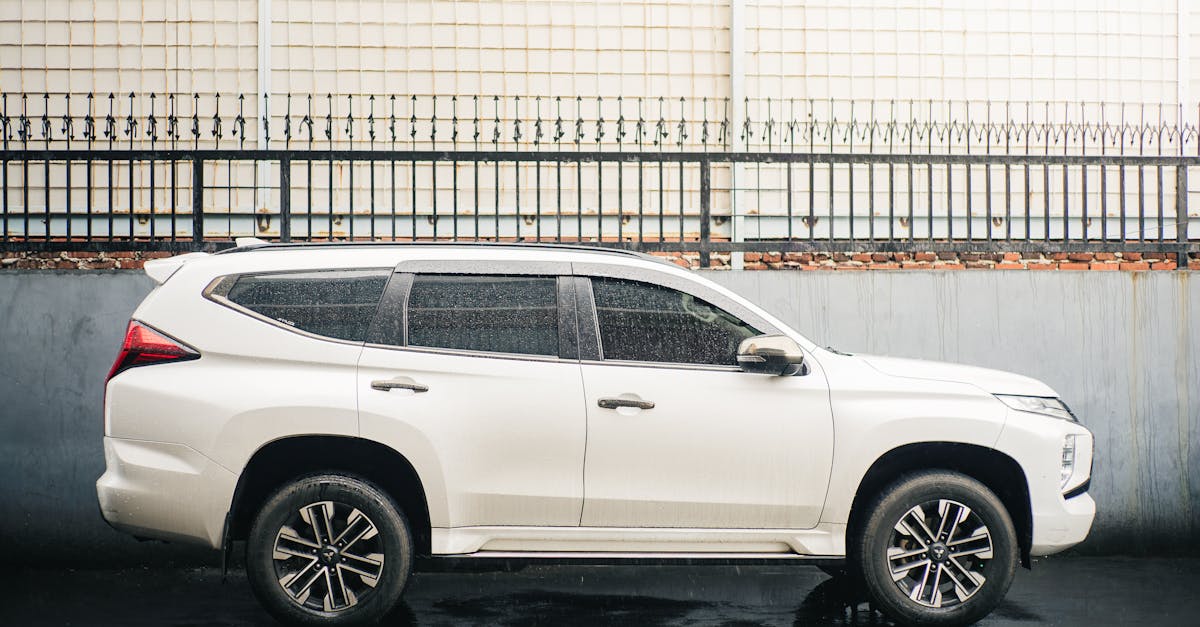
Deciding between the 2026 GMC Acadia and the 2026 Nissan Pathfinder is a choice many families are making this year. Both are established midsize SUVs with a reputation for spaciousness, comfort, and reliability, but which fits your unique needs better? At Gates GMC Nissan, we specialize in these models and have firsthand experience helping families across Connecticut compare features, weigh the pros and cons, and find their ideal match. Below, we deliver an unbiased, in-depth, data-driven comparison to make this decision easier for you—no promotional fluff, just insights grounded in expertise and local dealership experience.
The Acadia and Pathfinder share many strengths, but the differences in their powertrains, cargo capabilities, standard safety equipment, warranty support, and cabin features could make one distinctly more suitable for your lifestyle. Let’s break down what matters most—space, power, safety, cost, and daily practicality—so you feel confident test driving your top pick at Gates GMC Nissan.
Definition: What Are the GMC Acadia and Nissan Pathfinder?
The GMC Acadia and Nissan Pathfinder are three-row midsize SUVs designed for families who need room for up to 8 passengers, substantial cargo capacity, modern safety features, and the ability to tackle both city streets and weekend adventures. The 2026 models represent the latest evolution of each, incorporating advanced technology and updated design.
At-a-Glance Comparison Table
| Feature | 2026 GMC Acadia | 2026 Nissan Pathfinder |
|---|---|---|
| Seating Capacity | 8 | 8 |
| Cargo Space, Seats Up | 23.0 cu. ft. | 16.6 cu. ft. |
| Max Cargo (All Seats Folded) | 97.5 cu. ft. | ~80 cu. ft. (est.) |
| Engine | 2.5L Turbo I4, 328 hp, 326 lb-ft | 3.5L V6, 284 hp, 259 lb-ft |
| Transmission | 8-speed automatic | 9-speed automatic |
| Fuel Economy (mpg, combined) | 22 | 23 |
| Starting MSRP | $45,795 | $39,045 |
| Warranty (Roadside) | 5yrs/60k miles | 3yrs/36k miles |
| IIHS/NHTSA Safety | Top Safety Pick, 5-star NHTSA | Top Safety Pick Plus, 5-star NHTSA |
Performance and Handling
The Acadia’s 2.5L turbocharged engine gives it a noticeable edge in both horsepower (328 vs. 284) and torque (326 lb-ft vs. 259 lb-ft) over the Pathfinder’s V6. For families who plan to haul gear, merge aggressively onto highways, or tow, the Acadia’s extra power and low-end torque translate to greater confidence and versatility. Both offer front-wheel or all-wheel drive for New England’s unpredictable weather, but the Acadia’s boosted output may sway drivers prioritizing performance.
Fuel economy is extremely close. If you routinely take long trips, turbo efficiency in the Acadia often matches the slight city advantage of the Pathfinder. From spirited errands to vacation getaways, either model performs capably, but the Acadia’s power delivery stands out for larger loads.
Interior Comfort and Space
Space is critical for families. The Acadia’s interior layout and longer body result in top-tier cargo flexibility—23.0 cubic feet behind the third row, and a massive 97.5 cubic feet with the rear seats folded, surpassing the Pathfinder’s ~80 cubic feet. Second-row legroom is also greater in the Acadia, making it especially comfortable for growing families or carpool veterans. Pathfinder’s slightly more compact length (helpful for tight parking spaces) may be preferred by city dwellers, but on road trips or weekly shopping runs, Acadia provides the roomier cabin for passengers and cargo alike.
Safety and Peace of Mind
Both vehicles prioritize family safety with robust crash test scores and standard electronic safety aids. The Pathfinder received IIHS Top Safety Pick Plus honors for its test results and pedestrian protection, along with a 5-star overall rating from NHTSA. The 2026 Acadia also boasts a 5-star NHTSA rating and earned the IIHS Top Safety Pick designation, giving families confidence in either SUV. Key safety tech—automatic emergency braking, adaptive cruise control, and extensive airbag coverage—is standard in the Acadia, with heated seats and advanced visibility features for comfort. At Gates GMC Nissan, our GM-certified technicians are equipped to ensure these systems are maintained to manufacturer standards, supporting your investment over the long haul.
Technology and Features
- GMC Acadia: Standard features include navigation, Bluetooth, satellite radio, adaptive cruise control, heated seats, and Google built-in compatibility on select trims. Optional upgrades like a panoramic sunroof and advanced OnStar connected services (with three years included for most new models) further enhance the daily drive. For more about OnStar, see our in-depth OnStar features blog.
- Nissan Pathfinder: The Pathfinder’s features are competitive, with cloth upholstery and some conveniences like run-flat tires, but lacks some of Acadia’s premium touches standard on base trims. It excels with a slightly higher city fuel economy rating and offers a proven infotainment experience.
Cost and Value Considerations
The Pathfinder enjoys a lower base price, appealing to buyers with strict budgets. Yet, when factoring residual value, features-per-dollar, and length of warranty, the Acadia offers a more robust ownership experience that justifies its premium for families focused on comfort, tech, and long-term protection. Roadside assistance (5 years/60,000 miles for Acadia vs. 3 years/36,000 miles for Pathfinder) is particularly attractive for peace of mind.
We encourage checking our current new vehicle specials and exploring all options with our expert staff. You can also compare these models side-by-side in person by scheduling a test drive or pre-qualifying with our easy 700 Credit Quick App.
How to Choose: Step-by-Step Framework from Gates GMC Nissan
- Clarify your priorities: Do you need maximum cargo room, latest tech, or the lowest base price?
- Factor in long-term costs: Consider warranty, certified service, and trade-in value—our trade-in program makes switching easy in the future.
- Book a test drive: Firsthand experience is key. Use our online test drive tool to drive both SUVs back-to-back.
- Evaluate ownership experience: Both SUVs are reliable, but longer road assistance and service access at Gates may favor the Acadia.
- Ask our team: Let us answer your specific questions and walk you through real-world feedback from local owners. See our customer reviews for transparent, detailed testimonials.
Best Practices for Connecticut SUV Shoppers
- Review actual cargo needs, not just published numbers—sports gear, strollers, pets, and groceries add up.
- Test comfort in both second and third rows. Seat height and access differ between models.
- Understand warranty coverage. Having 5 years of roadside help adds assurance for families.
- Factor in dealer service quality and proximity. Choosing a dealership with certified technicians (like Gates GMC Nissan) maximizes reliability.
- Explore trade-in flexibility for future upgrades. Gates accepts a wide variety of trades—cars, trucks, or even less traditional vehicles.
FAQs: GMC Acadia vs Nissan Pathfinder
Which is more spacious for families?
The GMC Acadia offers greater cargo space (23 cu. ft. seats up; 97.5 cu. ft. seats down) versus the Pathfinder’s 16.6 and ~80 cu. ft. figures, giving it an edge for families who carry a lot of gear.
Is the GMC Acadia more powerful than the Pathfinder?
Yes, the Acadia’s 328-hp turbo engine produces more horsepower and torque than the Pathfinder’s 284-hp V6, leading to stronger acceleration and more confident towing.
What about safety?
Both score highly, with the Pathfinder earning the IIHS Top Safety Pick Plus and Acadia earning the Top Safety Pick—both with 5-star NHTSA ratings. Standard advanced safety systems are equipped on both.
Which is cheaper to own?
Pathfinder has a lower starting MSRP, but the Acadia’s longer warranty and included roadside assistance may save money over time, especially when serviced with our GM-certified technicians at Gates GMC Nissan.
Where can I compare or test drive both SUVs?
You can schedule a test drive for either or both models with Gates GMC Nissan in North Windham, CT, and our team will walk you through every detail.
Conclusion: The Connecticut Expert Recommendation
Ultimately, both the 2026 GMC Acadia and 2026 Nissan Pathfinder are excellent choices for families who value space, advanced safety, and technology in their midsize SUV. The Acadia stands out for its superior cargo volume, premium features, longer warranty, and robust turbocharged power—ideal for families who need versatility and peace of mind. The Pathfinder is strong for value-focused shoppers or urban drivers.
At Gates GMC Nissan, our expertise, deep product knowledge, and focus on customer satisfaction have made us the go-to source for GMC and Nissan shoppers in Connecticut. We invite you to experience both models in person. Book a test drive, value your trade, or browse our new vehicle inventory online. Your family’s next adventure starts with the right SUV, and we’re here to help every step of the way.

Many car buyers in Connecticut look ahead to tax season as an opportunity to improve their finances—and their vehicles. Using your tax refund as a down payment on a car is a smart way to lower your monthly payments, reduce interest, and set yourself up for long-term vehicle value. However, the key is to leverage your refund thoughtfully, ensuring you avoid overbuying or stretching your budget beyond comfort.
At Gates GMC Nissan, we guide buyers throughout North Windham and beyond through this process every year. We help you turn your refund into an investment in the right vehicle—whether that’s a dependable new GMC or Nissan, a certified pre-owned model, or a well-inspected used car. Let’s break down how you can use your refund for a down payment, avoid overbuying pitfalls, and take advantage of the services and expertise at Gates GMC Nissan for a smooth purchase experience.
Tax Refund Down Payment: What It Means & Why It Matters
A tax refund down payment is simply applying the lump sum of your IRS return toward the initial upfront cost of a vehicle. This reduces your total loan amount, lowering both your monthly payments and total interest over the loan’s lifetime. Making a substantial down payment can also help you secure better financing terms, improve your approval chances (especially if you’re rebuilding credit), and help you build equity in your vehicle more quickly.
At Gates GMC Nissan, our finance team applies your refund directly as part of your transaction, ensuring you maximize its impact—whether you’re buying or leasing. This approach is especially useful during tax season, when buyers are eager to make smart financial moves.
Step-by-Step: Using Your Tax Refund as a Down Payment Without Overbuying

1. File Early and Know Your Refund Amount
- Filing returns early gets your refund sooner, giving you flexibility to plan vehicle shopping before peak demand hits.
- Direct deposit is typically the fastest method for receiving your refund.
- Once your refund hits your account, set those funds aside to avoid temptation to spend.
2. Calculate Your Realistic Budget—Before Shopping
- Experts usually recommend a 10% down payment for used vehicles and 20% for new cars.
- Factor in total ownership costs: insurance, fuel, taxes, regular maintenance, and potential repairs.
- Use our payment calculator to model potential monthly payments based on various down payment amounts and interest rates.
- Determine a maximum total payment (aim for 10–15% of your take-home pay for all-auto expenses).
3. Define Needs vs. Wants
- List your must-have features (all-wheel drive, seating capacity, towing ability, advanced safety, etc.).
- Differentiate nice-to-have extras from true needs—this is key for avoiding overbuying.
- Our model research page and in-store experts help clarify which models match your lifestyle without stretching your budget.
4. Research Vehicles & Compare Choices
- Browse new, certified pre-owned, and used inventory to find vehicles in your price range.
- Use in-depth comparison tools such as our GMC vs. competitors page to see how GMC and Nissan models stand up to similar options, focusing on what you actually need.
- Consider certified pre-owned options for added value, warranty, and peace of mind.
For a detailed breakdown, see our guide to certified pre-owned vs used vs new.
5. Maximize Trade-In Value
- Our dealership’s “We Take Anything In Trade!” approach means virtually any trade can boost your down payment. Find out how in our explainer on trade-ins.
- Use our online trade value tool for a quick and easy estimate. Combining your trade value and tax refund can substantially reduce your auto loan.

6. Get Pre-Qualified for Financing
- Start with online tools such as our credit pre-qualification app or full finance application for fast approvals and clearer understanding of your options.
- Applying your refund as a down payment decreases your risk to lenders and may help you qualify for a better rate or a wider selection of vehicles.
- If you are a business owner, consult your tax advisor about potential Section 179 deductions for qualifying vehicles—our commercial experts at Gates GMC Nissan can guide you to the right truck or van.
7. Test Drive and Inspect Vehicles
- Schedule your test drives online at our test drive page or call our sales team. Aim to test 3–5 vehicles that fit your budget.
- Bring a checklist of must-haves, and consider both new and pre-owned models.
- For remote shoppers, use Shop Click Drive for a streamlined online purchase experience—shop, value trade, and arrange delivery or pickup without pressure.
8. Finalize Your Choice Without Unnecessary Add-Ons
- Keep your monthly payments in check by skipping expensive trim upgrades or unnecessary dealer add-ons (gap insurance, extended warranties, aftermarket accessories) unless they truly fit your needs.
- Look for value in ongoing offers such as new vehicle specials or service rebates—not extras that increase loan balances without real benefit.
Real-World Example: The Impact of Your Refund
Consider this sample scenario (for illustration purposes): You receive a $4,000 tax refund and are interested in a $35,000 new GMC Canyon. Here’s how applying that refund as a down payment changes your monthly and total loan costs:
| Down Payment | Amount Financed | Estimated Monthly Payment* | Total Interest Over 72 Months* |
|---|---|---|---|
| $0 | $35,000 | $552 | $4,704 |
| $4,000 (Tax Refund) | $31,000 | $489 | $4,168 |
*Loan estimates based on 4.5% APR, not including taxes, fees, or additional upfront costs.
Applying your refund saves $63 a month and over $500 in interest compared to no down payment. If you also have a trade-in, your savings increase further—and at Gates GMC Nissan, almost anything with value can count toward your purchase.
Common Overbuying Traps and How to Avoid Them
- Chasing the Top Trim Blindly: Focus on models that fit your real driving needs. The 2025 GMC Acadia’s Elevation trim, for example, covers essentials for families but costs less than Denali.
- Ignoring Total Ownership Costs: Factor maintenance (like regular oil changes or tire rotations), insurance, and fuel into your calculations. Our service & parts specials can help you save on upkeep.
- Forgetting to Value Your Trade: Many buyers leave money on the table by not getting their current vehicle appraised. With Gates GMC Nissan’s “We Take Anything In Trade!” policy, every dollar shaved off your loan matters.
- Skipping Research on Certified Pre-Owned: CPO vehicles often retain better value and come with transparent histories. Learn more in our CPO vs. Used vs. New comparison guide.
- Underestimating the Value of Pre-Qualification: Pre-qualification clarifies your real price range and speeds up your dealership experience.

Best Practices for Making Your Refund Work Harder
- Prioritize Loan Duration: Shorter terms may have slightly higher payments, but dramatically reduce total interest—especially with a larger down payment.
- Bundle Your Tax Refund and Trade: Combine both for the strongest possible down payment.
- Test Drive Multiple Models: Try a mix of new, pre-owned, and CPO vehicles. Take time to evaluate comfort, performance, features, and cost fit.
- Ask About Any Current Incentives: Take advantage of special offers during tax season for new or certified vehicles.
- Consult the Experts: If you have unique financial considerations (like business needs or trades outside of normal vehicles), consult our team. We have decades of local experience helping buyers get the most from their refund and trade-in, whether you’re upgrading for the family or need a work-ready vehicle.
Frequently Asked Questions
What are the advantages of using my tax refund as a down payment?
Using your refund as a down payment can reduce your monthly payments, total interest, and improve chances for better financing terms or even approval. It also allows you to start ownership with equity rather than debt.
How much should I put down on a car with my tax refund?
Many experts suggest at least 10% down for used vehicles, 20% for new. If your refund is smaller, it still helps lower your financed amount and may combine with trade value for a larger impact.
Will my tax refund be enough for a down payment?
This depends on your refund’s size and the price of the vehicle. Smaller refunds might be ideal for used vehicles or as a supplement to a trade-in. Larger refunds can unlock better rates and let you choose from new inventory as well.
How do I avoid overbuying when shopping with a tax refund?
Set a budget before entering the dealership. Focus on your real needs, use our payment calculator, and avoid upsells for features or packages you do not need. Pre-qualification keeps you grounded so you choose vehicles within your true budget.
Can I use both my tax refund and a trade-in for my down payment?
Absolutely. Combining your refund with a trade-in maximizes your down payment, reduces loan amounts, and gives you more flexibility in vehicle selection. Gates GMC Nissan specializes in making the most of this approach—even if your trade is unconventional.
Are there any tax benefits to buying a car with my refund?
If you use the vehicle for business, you may be eligible for tax deductions (like Section 179 deductions for qualifying commercial vehicles). Always consult a tax adviser for details on your specific situation.
Conclusion: Make Your Tax Refund a Vehicle for Financial Success
Using your tax refund as a down payment is one of the simplest, most effective ways to start your next vehicle journey off right, as long as you avoid the traps of overbuying and keep both comfort and costs in perspective. Gates GMC Nissan has helped Connecticut drivers do just that for decades—offering transparent appraisals, deep inventory, expert finance support, and guidance on every step of the process. Get started by contacting our team, browsing our current inventory, or booking a test drive today. We’re here to ensure your refund brings you peace of mind for miles to come.

Advanced Driver Assistance Systems (ADAS) are now essential to the safety and driving experience in most modern GMC and Nissan vehicles, as well as many other makes. ADAS features such as lane departure warnings, automatic emergency braking, adaptive cruise control, and blind spot monitoring rely on precise input from a network of cameras, radars, and sensors—often located behind your windshield and within your vehicle’s front structure. When your windshield is replaced or your vehicle experiences a front-end impact (even a minor fender bender), these systems can become misaligned, leading to inaccurate or unreliable operation.
At Gates GMC Nissan, our GM- and Nissan-certified technicians strongly recommend ADAS calibration any time your windshield is replaced or your car is involved in a collision that could affect sensor alignment. Skipping this step can compromise key driver aids, jeopardize your safety, and may even affect warranty coverage and insurance claims.

Understanding ADAS Calibration: What It Means and Why It Matters
ADAS calibration (also called sensor or camera recalibration) is the process of realigning and validating the accuracy of your vehicle’s driver-assist sensors after they’ve been disturbed. Even a one-degree shift caused by glass installation or a soft impact can mislead safety systems about the road and surrounding vehicles, putting drivers and passengers at risk. Proper calibration ensures that features such as forward collision warning, lane keep assist, and adaptive cruise control work as designed and as intended by the manufacturer.
Key ADAS Features Affected
- Lane Departure Warning & Lane Keep Assist
- Automatic Emergency Braking
- Adaptive Cruise Control
- Blind Spot Monitoring
- Forward Collision Alert
- Surround Vision or Backup Cameras
- Advanced features like Super Cruise (on select GMC models)
These systems are standard or optional on many vehicles we service at Gates GMC Nissan, including the GMC Terrain, Yukon, Sierra 1500, and multiple Nissan models.
When Is ADAS Calibration Required?
ADAS recalibration is generally required under several scenarios:
- After windshield replacement: Most manufacturers require recalibration whenever a windshield with built-in sensors or camera mountings is removed and reinstalled.
- After a fender bender or collision: Even seemingly minor impacts can jar ADAS sensors or change positions of critical hardware within the vehicle structure. Calibration is necessary to restore accuracy.
- Wheel alignment, suspension, or front-end component work: These services can shift the camera/sensor angles or affect their field of view, especially if accompanied by body repair.
Some manufacturers will not honor warranty coverage or allow insurance claims for ADAS malfunctions if recalibration is skipped after relevant work. Gates GMC Nissan provides written certification of completed calibrations, protecting your investment and your safety.
Non-OEM Windshields and Calibration Needs
Choosing a non-OEM (Original Equipment Manufacturer) windshield can introduce added complexity, as small differences in glass shape, thickness, or tint may interfere with sensor performance. We use manufacturer-approved parts and processes to minimize risk and ensure your ADAS performs to factory specifications.

How Does ADAS Calibration Work?
Gates GMC Nissan performs two main types of ADAS calibration, depending on your model and the systems affected:
- Static calibration: This occurs in our service facility using exact targets and diagnostic equipment while your vehicle remains stationary. Static calibration is essential after windshield replacement for most late-model vehicles.
- Dynamic calibration: After initial static calibration, your vehicle might require a controlled road test, during which sensors automatically adjust using real-world data on marked roads, as specified by the manufacturer.
Both approaches require expertise and manufacturer-grade tools. Our certified technicians follow official GM and Nissan procedures for precise calibration, regardless of the make or model we service.
5 Key Signs Your ADAS May Need Calibration
- Windshield replacement or substantial repair just completed
- Your vehicle was involved in a fender bender or front-end collision
- Dashboard warning lights for driver assistance features remain illuminated
- Driver aids seem inaccurate—false alerts, lane drift warnings, or features not functioning as expected
- Wheel alignment, suspension, or steering work recently done
Don’t wait for a warning light before acting. Many ADAS systems will not self-correct after their sensors are disturbed, and silent errors may go unnoticed until you truly need the technology.
Best Practices: Ensuring ADAS Accuracy and Safety
- Always use a certified shop: Trust only technicians skilled and equipped for factory-standard ADAS calibration. Gates GMC Nissan employs certified pros for GM, Nissan, and many other makes.
- Insist on OEM parts whenever possible: This eliminates glass or hardware mismatches that may interfere with ADAS operation.
- Request documented calibration: A certificate or record is critical in case of future claims, warranty work, or for resale value.
- Follow the manufacturer’s recalibration schedule: After relevant repairs or even after some software updates, schedule recalibration as recommended.
- Monitor performance: If ADAS features behave strangely after any glass replacement, collision, or front-end maintenance, get a professional check at once.
For further details on post-winter vehicle care (which can also affect alignment and ADAS accuracy), you might also be interested in our blog on why your tires are wearing unevenly after winter and what Connecticut drivers should do next.
Why Choose Gates GMC Nissan for ADAS Calibration in North Windham, CT?
With decades of experience as a family-owned dealership, Gates GMC Nissan is a trusted, local authority for all your ADAS needs. Our team:
- Is trained and certified specifically on GM and Nissan ADAS technologies, including advanced features like Super Cruise, IntelliBeam, Blind Zone Assist, and more.
- Uses specialized, up-to-date calibration tools for genuine results and manufacturer compliance.
- Provides transparent, efficient service, often in a single visit.
- Supplies written certification of ADAS calibration for your records.
- Maintains OEM parts inventory for glass and sensor replacement needs.
- Welcomes all makes—our reputation for quality workmanship draws customers from across the region.
Current customers regularly praise our team for no-pressure advice, friendly communication, and attention to detail in both sales and service. Many repeat visitors appreciate the fast turnaround and complete understanding of complex automotive safety systems here at Gates GMC Nissan.
Step-by-Step: What to Expect When You Schedule ADAS Calibration With Us
- Arrival & Inspection: We start with a full inspection of your ADAS components, windshield installation, and accident or service history.
- Calibration Process: We’ll perform static and/or dynamic calibration per your vehicle’s requirements, using certified equipment on site.
- Quality Check & Certification: After calibration, all ADAS functions are tested for accuracy. We supply documentation for peace of mind, insurer, or DMV records.
- Additional Service and Advice: We’re happy to answer questions about safety features, provide routine maintenance, discuss parts, or help with trade-in and purchase options.
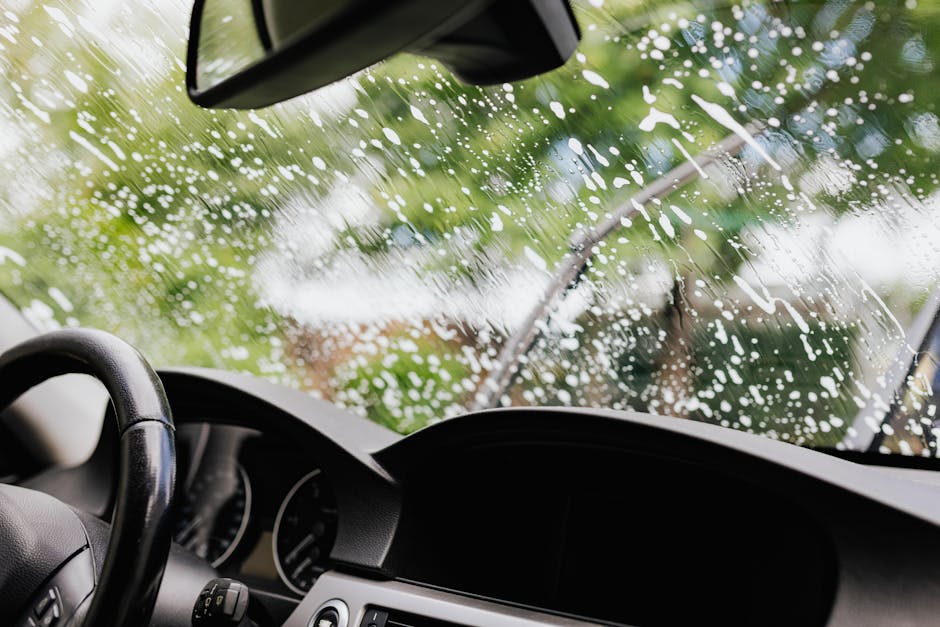
Frequently Asked Questions About ADAS Calibration
Does my car always need calibration after windshield replacement?
For nearly all late-model vehicles with ADAS cameras or sensors mounted to the windshield, yes. Skipping calibration can result in unreliable driver assists and may void warranty or insurance coverage.
Can I drive without recalibrating?
Driving without recalibration risks malfunctioning or deactivated safety systems. Even if no warnings appear, features may not function as intended and you assume added risk.
How long does ADAS calibration take at Gates GMC Nissan?
Calibration alone usually requires 30-45 minutes. With windshield installation or complex repairs, plan for 1-2 hours in total, though we strive to complete most work during a single appointment.
What if I had a minor accident and don’t see any warning lights?
Even fender benders can shift sensors or knock cameras out of alignment—sometimes without visible damage or dashboard messages. It’s safest to ask us for an inspection whenever you’ve had any impact involving the front of your vehicle.
Does insurance cover ADAS calibration?
Most insurance policies will cover ADAS calibration as part of glass replacement or approved repairs, but always check your policy and obtain documented service from a reputable shop like ours.
Can calibration solve existing ADAS malfunctions?
Only misalignment or disturbance can be solved with calibration. If parts are damaged or malfunctioning, we’ll diagnose and recommend proper repairs or replacement using OEM parts.
Conclusion: Prioritize Your Safety, Value, and Driving Confidence
ADAS calibration isn’t just a technical requirement—it’s vital for ensuring your vehicle’s advanced safety features work as promised. Every windshield replacement, front-end collision, or related repair puts these systems at risk unless recalibrated by certified experts. At Gates GMC Nissan, our commitment is to keep you and your family safe with precise, manufacturer-grade ADAS calibration, and transparent service every time.
Ready to book service or want more information? Visit gatesgmcnorthwindham.com or call 860-455-4737. Don’t forget, we’re also your source for OEM parts, trade-in assistance, and expert vehicle care for all makes and models. We take anything in trade—you name it, we trade it. Your safety and your trust are our top priorities.
Why Your Tires Are Wearing Unevenly After Winter and What Connecticut Drivers Should Do Next
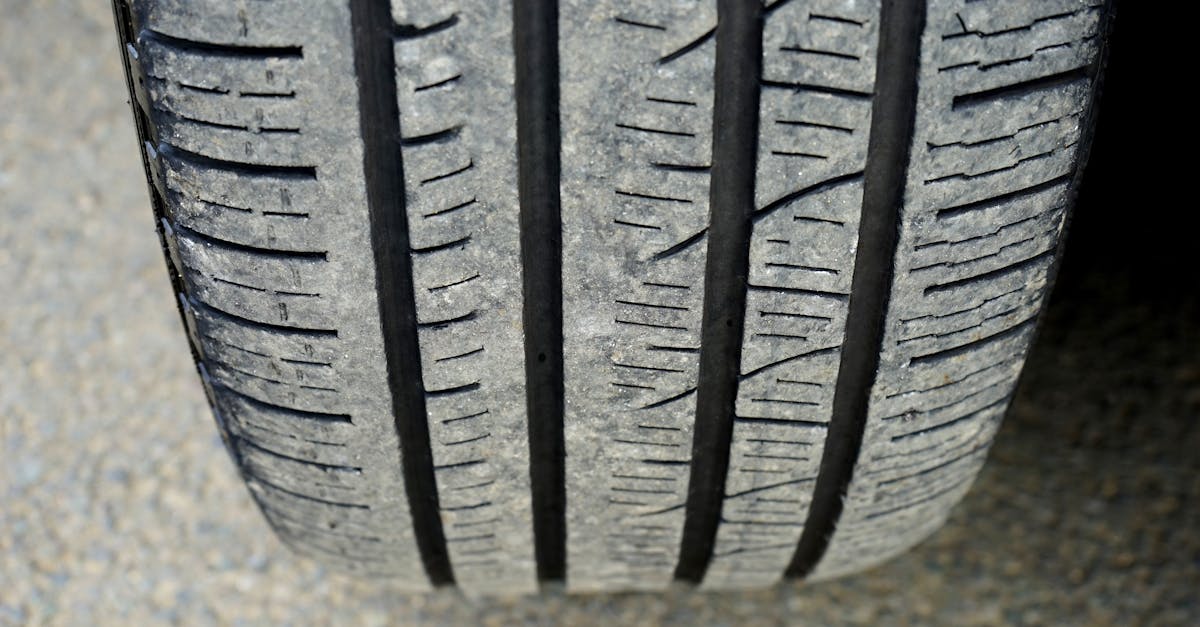
Connecticut drivers are no strangers to uneven tire wear after winter. The unique combination of frequent freeze-thaw cycles and rough, pothole-filled roads can quickly take a toll on vehicle tires and suspension systems. If you’ve noticed odd tread patterns, a car that pulls to one side, or new vibrations at highway speeds this spring, you’re likely dealing with the real impact of winter on your wheels. Early attention to uneven tire wear is crucial—not just for maximizing tire life but for ensuring safe, confident driving on unpredictable New England roads.
What Causes Uneven Tire Wear After Winter?
Uneven tire wear after a Connecticut winter is almost always traced back to alignment issues, wheel imbalance, or suspension damage. Freeze-thaw cycles force water to expand and contract in pavement cracks, producing new potholes and rough patches all over roads like Boston Post Road in North Windham and beyond.
Even mild pothole strikes can push your wheel alignment out of specification. This means that angles such as camber, caster, and toe drift from their factory setpoints. Over time, your tire tread wears irregularly—often showing greater wear on the inside or outside edge, or developing a scalloped or cupped pattern that shortens tire life and reduces traction. The steering system, shocks, struts, control arms, bushings, and tie rods all absorb repeated impacts, compounding the problem if issues go undiagnosed.
Definition: Uneven Tire Wear
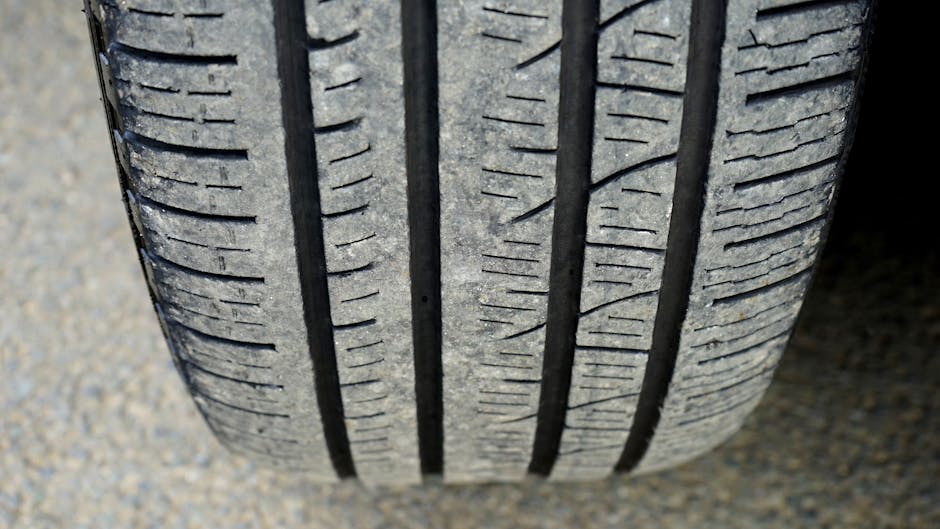
Uneven tire wear is when your tire tread wears down more in some spots or sides than others. The most common culprits are poor wheel alignment, under-inflation or over-inflation, damaged suspension parts, or improperly balanced wheels. Once tread is uneven, tires cannot perform to their rated safety standards, especially in Connecticut’s wet spring weather.
Key Signs Your Tires Are Wearing Unevenly After Winter
- Vehicle pulls left or right: Steering becomes less precise, requiring constant corrections.
- Noticeable vibration: Often felt at 50 mph and up, especially in the steering wheel or seat, indicating imbalance or tire damage.
- Irregular tread wear: Tread is worn out on one side, or shows a cupping / scalloped pattern across the surface.
- Crooked steering wheel: Steering wheel isn’t straight when driving forward.
- Increased road noise: Tires are louder, especially at highway speeds, due to uneven wear patterns.
- Spotty air pressure loss: Some tires lose air quicker, often pointing to bead or rim damage from curb or pothole impacts.
Ignoring these signs increases the risks of poor handling in rain, longer braking distances, premature tire failure, and even expensive suspension repairs if the root causes aren’t addressed quickly.
Why Connecticut Winter Roads Accelerate Tire Wear
The freeze-thaw process is especially aggressive in southern New England. Water seeps into even tiny cracks, freezes and expands, then melts away to leave voids. As traffic passes over these weakened spots, the road surface collapses, forming new potholes—often hidden in puddles or slush. Even one encounter can be enough to bend a rim, split a tire belt, or send alignment angles out of spec. Roads in North Windham, Norwich, Mansfield, and surrounding areas often see some of the worst seasonal damage.
For GMC, Nissan, and other makes, all of this adds up to faster wear and more risk for Connecticut drivers. Regular inspection is not only recommended but essential after winter.

Step-by-Step: What Connecticut Drivers Should Do If You Notice Uneven Tire Wear
-
Conduct a Visual Tire Inspection
Park on a flat surface. Scan each tire for uneven tread—especially inner or outer edge wear, bald spots, or cuts. Tread depth can be checked with a penny (if you see all of Lincoln’s head, they’re too shallow). Rotate tires every 5,000-8,000 miles for even wear. -
Check Tire Pressure Regularly
Cold inflation—while tires are not driven on—should match the number in your car’s door jamb (usually 32-35 psi). Low pressure means more edge wear, while overinflation can cause excessive center wear. -
Take a Short Test Drive
Drive on a straight, lightly traveled road. Feel for pulling or vibration, especially after hitting potholes. If the steering wheel is crooked or the car drifts, alignment is likely off. -
Schedule Professional Alignment and Balancing
Bring your vehicle to an expert shop.
Gates GMC Nissan in North Windham is equipped to handle alignments, tire balancing, and all necessary suspension checks on any make or model. Certified technicians use precise, multi-angle laser equipment to return wheel settings to factory specification, maximizing tread life and safety. -
Request a Full Suspension Inspection
Ask for a check of shocks, control arms, tie rods, and bushings to catch hidden damage before it results in more uneven wear or expensive repairs.
Best Practices for Preventing and Addressing Post-Winter Tire Wear
- Rotate tires and check alignment after every winter. This evens out wear caused by winter hazards and ensures your alignment is not causing problems.
- Choose regular, professional tire balancing. Connecticut’s bumpy roads quickly knock wheel weights loose, leading to ongoing vibrations if not corrected.
- Act promptly when a pothole is hit or symptoms arise. The sooner you have your vehicle checked, the less likely tire or suspension damage will result in costly repairs.
- Request service from true experts. At Gates GMC Nissan, our team is GM- and Nissan-certified, with experience on nearly all brands. We use OEM parts and provide transparent, honest guidance without sales pressure.
- Take advantage of seasonal service specials. Gates GMC Nissan runs timely specials on alignment, balancing, rotations, and tire price matching—saving you money while delivering the expertise needed for New England conditions.
- Monitor tire pressure weekly, including the spare. Sudden temperature shifts can drop pressure and accelerate uneven wear.

What Makes Gates GMC Nissan the Go-To Solution?
For Connecticut drivers, navigating post-winter maintenance is critical—and at Gates GMC Nissan, we’re your trusted partner for all tire and alignment needs. Here’s what sets us apart:
- Certified Technicians for All Makes. Our expertise includes GMC, Nissan, and nearly every other make on Connecticut roads.
- OEM Parts and True Tire Experts. We’re equipped with the right tools and factory parts for safe, effective repairs.
- Tire Price Match Guarantee. If you find a local competitor offering a better price on eligible tires, we’ll match it and refund the difference within 30 days.
- No-Pressure, Transparent Service. Customers praise our honest, fast, and quality-focused team. No sales pressure, just expert guidance. Read more in our real service reviews.
- All-in-One Convenience. Schedule your alignment or repair, buy tires, or handle trade-ins in one stop—no need to run across town.
- Local Community Focus. We’ve proudly served the North Windham region since 1986 and treat every visit as an opportunity to earn your trust for life.
FAQ: Uneven Tire Wear After Winter for Connecticut Drivers
What should I do if only one tire is wearing down faster than the others?
Uneven wear on a single tire often points to misalignment or a damaged suspension component. Schedule an alignment and have your suspension inspected at an expert facility like Gates GMC Nissan to get to the root cause.
How soon after noticing uneven wear should I get my alignment checked?
Schedule a check as soon as possible. The longer alignment issues persist, the more likely you’ll need to replace tires sooner and risk additional damage to suspension parts.
Is tire rotation enough to fix uneven tire wear?
No. Rotation can extend the remaining life of your tires if done regularly, but it won’t solve underlying misalignment, imbalance, or suspension damage. Always combine rotation with a professional inspection.
Can a pothole impact really cause long-term tire wear issues?
Yes. Even one strong hit can bend wheels or force alignment out of specification, resulting in persistent uneven wear patterns. Read our related post on recognizing pothole-related damage.
How can I get the most mileage out of my new tires in Connecticut?
Combine regular alignments, tire balancing, and proper inflation checks with seasonal rotations. Working with a shop like Gates GMC Nissan ensures tire life is maximized—even in challenging local conditions.
Related Expert Advice for Connecticut Drivers
- Recognizing Alignment and Suspension Issues After Hitting a Pothole
- Winter Tires vs. All-Season Tires: What’s Worth It?
- Connecticut Winter Car Checklist: Battery, Tires, Brakes, and More
Conclusion: Protect Your Driving Safety and Investment
Uneven tire wear isn’t just an inconvenience—it’s a safety issue that can lead to reduced traction, poor fuel efficiency, and major suspension repairs if overlooked after winter. Connecticut’s harsh climate and rough roads demand extra vigilance. Routine inspection, prompt professional alignment, and trusted local expertise from a certified team like Gates GMC Nissan will keep you safer and help you get the most from your investment—no matter what type of car, truck, or SUV you drive.
If you’re ready to restore your ride’s comfort, safety, and performance, schedule your service with us here or call 860-455-4737. We take anything in trade, offer real value, and proudly stand behind our work for Connecticut families, commuters, and business owners.
Certified Pre-Owned vs Used vs New: Which One Makes Sense for Connecticut Drivers in 2026?
Connecticut drivers heading into 2026 face a practical question: which makes the most sense—purchasing a new, certified pre-owned, or standard used vehicle? Weather in Connecticut is tough on vehicles, and buyers are balancing safety, cost, reliability, and value. At Gates GMC Nissan, we guide drivers through this critical decision, providing deep insight honed from decades serving North Windham, Norwich, and surrounding communities.
Each route—new, certified pre-owned (CPO), or used—offers distinct benefits and drawbacks. The right choice depends on your priorities: maximizing peace of mind, stretching your budget, or getting the latest features. Below, we break down these categories based on real Connecticut concerns, outline a decision-making framework, and share best practices from the vehicle experts at Gates GMC Nissan.
Definitions: New, Certified Pre-Owned, and Used Vehicles
- New: A vehicle that has never been titled, with zero (or near-zero) mileage, full factory warranty, latest design, and no previous ownership or use history.
- Certified Pre-Owned (CPO): A manufacturer-backed, late-model used car that has passed a detailed multi-point inspection and reconditioning process. CPO vehicles include extended warranty coverage and often additional perks (like roadside assistance).
- Used: All other pre-owned vehicles that aren’t certified. These can be older, vary in condition, and rarely include extended warranties or factory perks, though reputable dealerships like Gates GMC Nissan always provide transparent histories on their used inventory.
How Each Option Compares for Connecticut in 2026
| Category | New | Certified Pre-Owned (CPO) | Used |
|---|---|---|---|
| Price Range (example: mid-size SUV) | $35,000 – $50,000 | $28,000 – $42,000 | $20,000 – $35,000 |
| Condition/Inspection | Factory-new, no previous use | 150-200+ point manufacturer inspection and reconditioning | Dealer or seller inspection varies; Gates GMC Nissan offers transparent histories |
| Warranty | Full manufacturer warranty (e.g., 3 yr/36,000 mi) | Extended warranty (often up to 72 mo/100,000 mi powertrain) | Limited or none, typically as-is |
| Perks | Latest tech, full coverage, GM Rewards points for new models | Roadside assistance, rental reimbursement, history report | Lowest upfront price, wide selection—including budget options under $15,000 |
| CT-Specific Advantages | May qualify for tax deduction on interest (for new US-assembled purchases). New models designed for winter driving and snowy conditions | Recent vehicles, often with AWD and winter-ready features, extended warranties help offset repair risks from salted roads | Budget-friendly trade-in deals with Gates GMC Nissan (“We Take Anything In Trade!”) |
Pros and Cons for Each Option
New Vehicles: For Maximum Reliability and the Latest Features
Choosing new means no compromises on warranty and technology—features like adaptive cruise, Blind Zone Assist, and advanced infotainment systems arrive standard on models like the 2026 GMC Terrain. New vehicles are ideal if you demand the most current options for safety or fuel efficiency, or if you rely on your car daily for commuting across unpredictable Connecticut weather. Gates GMC Nissan supports buyers with factory warranties and easy access to OEM parts and service.
- Peace of mind: protected by bumper-to-bumper and powertrain warranties
- Latest fuel economy; features like Super Cruise and advanced AWD (see GMC Sierra 1500)
- Drawback: higher purchase price and depreciation
Certified Pre-Owned: Blending Value and Assurance
CPO is the answer if you want much of the confidence of buying new without the higher price. At Gates GMC Nissan, every CPO vehicle undergoes rigorous multi-point manufacturer inspection and reconditioning. Buyers receive warranty extensions, roadside assistance, and the transparency of a detailed vehicle history report—crucial for Connecticut drivers who want to know their car is ready for winter challenges. Many CPO models offer all-wheel drive (AWD) and recent safety tech at meaningful savings compared to new.
- Lower cost than new; often only 2-5% more expensive than standard used for the same model year
- Zero surprises: warranty, free CarFax history, 24-hour roadside assistance, rental coverage during service
- Great for buyers who keep vehicles for 3-7 years and want lower repair risk vs. used
Used: Flexibility and Budget-Conscious Choices
Standard used vehicles at Gates GMC Nissan deliver unmatched financial flexibility. They’re ideal for buyers who prioritize a low payment, need a second car, or want specific models that might not show up new or certified. We stock used vehicles under $15k—including CarFax 1-owner options. With no extended warranty included, occasional repairs are a trade-off, especially with older vehicles that may have experienced multiple New England winters.
- Best for tight budgets and minimizing monthly costs
- Open selection of makes, models, and years
- Potential for higher future repair costs; critical to buy from a trusted dealer
Five-Step Framework for Choosing Your Next Vehicle
- Clarify Your Needs
Consider Connecticut-specific priorities: Do you commute daily on snowy or rural roads (AWD, advanced safety)? Need cargo for family or business? Is towing important? Use Gates GMC Nissan’s GMC and Nissan model research tool to understand your options. - Browse Inventory
Explore new GMC, certified pre-owned, and used inventory. Gates GMC Nissan updates in-transit listings for upcoming models. - Value Your Trade
Take advantage of the region’s most flexible trade-in program—We Take Anything In Trade from goats to boats, with a fast, free trade appraisal for any vehicle. - Finance Strategically
Pre-qualify quickly using the Gates GMC Nissan 700 Credit Quick App. For eligible new and business buyers, explore tax deduction opportunities for 2026. - Schedule a Test Drive and Purchase Confidently
Book your visit or test drive at our North Windham dealership, or try Shop Click Drive to complete much of your purchase online.
Best Practices: Connecticut Car Buying Advice from Gates GMC Nissan
- Prioritize Safety and Winter Features: For snowy towns from Windham to Storrs, AWD, heated seats, and advanced driver-assistance systems are more than luxury—they’re musts. CPO and new vehicles are most likely to deliver these features paired with warranty coverage.
- Always Get a Vehicle History Report: Only buy used from a dealer that provides documented history and clear title—like Gates GMC Nissan does with every pre-owned purchase.
- Consider Total Cost of Ownership: Beyond sticker price, include fuel, insurance, likely repair costs, and potential tax deductions for eligible new vehicles and business owners. Our payment calculator can help with estimates.
- Lock in Financing First: Rates on CPO can be nearly as low as new, making them especially appealing for value seekers.
- Take Advantage of Seasonal Savings: Dealers often offer significant incentives at year’s end or during special events. See our post on timing your Connecticut car purchase for detailed strategies.
- Trade-In Smart: With Gates GMC Nissan’s flexible program, anything with a VIN—or even without—can be valued toward your next vehicle, maximizing your purchasing power and simplifying the deal.
Example Scenario: GMC Sierra 1500 Decision
Imagine comparing three options for a 2025 GMC Sierra 1500 pickup:
- New: Around $45,000, includes features like Super Cruise and full coverage. Perfect if you depend on your truck year-round, often haul, or plan to keep it for many years.
- CPO: Priced around $38,000, with extended powertrain warranty and thoroughly inspected. Ideal balance of confidence and savings, especially for buyers concerned about reliability through tough Connecticut winters.
- Used: Around $28,000, no manufacturer warranty. Flexible for tight budgets but higher repair risk—research history and condition thoroughly.
This pattern holds for popular SUVs (like the 2026 GMC Terrain) and sedans as well.
Frequently Asked Questions
Is a certified pre-owned car as reliable as a new one?
CPO vehicles at Gates GMC Nissan have passed a rigorous manufacturer inspection and often receive new or extended warranties. While not technically brand-new, CPO cars can offer performance and reliability close to new, but at a lower cost.
How do I know if a used car is a good deal?
Choose a reputable dealer providing a CarFax or similar history report, transparent pricing, and thorough inspection. At Gates GMC Nissan, every used vehicle comes with clear history and service review.
Can I finance a used or certified car?
Yes, we offer competitive financing for new, CPO, and used vehicles. Pre-qualify with our quick app regardless of your chosen vehicle type.
Are there particular tax advantages for buying new in Connecticut?
New, US-assembled vehicles may qualify buyers for a federal tax deduction on interest paid for auto loans (see our overview on 2026 vehicle tax deductions), and business buyers should ask about Section 179 expensing.
What should I check for when buying a used vehicle in New England?
Beware rust and corrosion from salty roads, check for up-to-date service records, and verify features important for winter—AWD, working heat, newer tires. For more depth, see our guide what to look for when buying a used car in Connecticut.
Is trading in my old vehicle worth it?
Nearly always—trade-ins lower your taxable purchase price and streamline the car buying process. Gates GMC Nissan, known for our “We Take Anything In Trade” approach, gives you fair value regardless of what you bring in. Read more in our post How Trade-Ins Work at Gates GMC Nissan.
Conclusion
The best choice—new, certified pre-owned, or used—depends on your budget, your need for reliability, and which features matter most for your daily Connecticut travels. At Gates GMC Nissan, our expertise and wide inventory make us your go-to resource for making this choice confidently. Whether you’re a first-time buyer seeking value, a family looking for a safe winter-ready upgrade, or a business owner optimizing deductions, our team will help you compare real options in person or start your search online. Schedule a test drive, value your trade, or learn more on our website—let’s drive forward together in 2026.
How Trade-Ins Work at Gates GMC Nissan: From Paid-Off Cars to Loans, Leases, and Anything You Bring

Trading in a vehicle at Gates GMC Nissan is a streamlined, transparent process—whether you’re bringing a paid-off car, have an outstanding loan or lease, or want to trade something unconventional. Our North Windham, CT dealership has built its reputation on taking “anything in trade,” reflecting our commitment to flexibility, real-world value, and customer-first service. We apply decades of expertise evaluating everything from family vehicles and farm equipment to the unique items that reflect Connecticut living. For anyone looking to simplify the process of upgrading, downsizing, or simply moving on from their current vehicle, understanding exactly how trade-ins work at Gates GMC Nissan can help you make informed, confident decisions.
The trade-in process here is intentionally welcoming and rooted in fairness. We accept a wide range of vehicles—new, used, or even something outside the automotive norm—helping you lower your payments, save on taxes, and avoid the common pitfalls of private sales. With support from certified appraisers, finance experts, and a team focused on timely, honest service, Gates GMC Nissan stands as the authoritative leader for vehicle trade-ins across eastern Connecticut and beyond.

What Is a Trade-In?
A trade-in is the process of applying the value of your current vehicle or item toward the purchase or lease of another at a dealership. At Gates GMC Nissan, we evaluate what you bring, assign a fair market value, and let you use that as direct credit toward any new or pre-owned vehicle—including GMC, Nissan, or other makes. We process standard vehicles, paid-off or financed cars, lease returns, and even unusual trade-ins like boats, tractors, or land. Our goal is to make your transition to a new vehicle easier, providing value and flexibility you won’t find in private sales or most dealership buybacks.
Step-by-Step: How Trade-Ins Work at Gates GMC Nissan
Our trade-in process is designed for clarity and speed. Here’s a comprehensive walkthrough:
- Gather what you want to trade: For vehicles, make a list of key details—VIN, year, make, model, trim, mileage, and any notable issues. For non-traditional trades (like boats or farm equipment), clear photographs and any supporting documentation help us assess value.
- Get a quick online estimate: Use our Value Your Trade tool for an initial range. This estimate gives you a sense of fair market value but isn’t a binding offer.
- Visit us for an in-person appraisal: Bring your vehicle (or item) to our showroom in North Windham. Our experts assess its condition, factoring in local demand, features, and any seasonal context (for example, demand for AWD rides during winter months in Connecticut). If the item is too large or unique to bring in, you can email details and photos to our team for a preliminary evaluation.
- Review your official offer: We provide a transparent, written appraisal. If you’re trading a financed car or a leased vehicle, we calculate your equity by subtracting the loan or lease buyout from the vehicle’s appraised value. In cases where there is negative equity (you owe more than the vehicle is worth), our team discusses your options upfront.
- Apply your trade toward your next vehicle: Once you accept the offer, the value is deducted from your purchase price or monthly payments. This can be applied to a new or pre-owned purchase, or even used as a down payment on a lease. Many customers find this sharply reduces their out-of-pocket costs, financing, and taxes.
Trade-In Scenarios Explained
| Scenario | How It Works at Gates GMC Nissan | Example |
|---|---|---|
| Paid-Off Car | The trade-in value is applied directly, with no lender involved. You receive full credit toward your next vehicle. | Trade a 2018 Nissan Altima, appraised at $12,000, to lower the purchase of a new GMC by the same amount. |
| Outstanding Auto Loan | We pay your lender the loan balance directly. If the car is worth more than you owe (positive equity), the difference reduces your payment. If less (negative equity), we discuss how to roll the shortfall into your next loan or explore other strategies. | If your loan payoff is $20,000 and your vehicle appraises for $24,000, the $4,000 in equity is applied as a down payment. |
| Lease Vehicle | We can purchase your lease by paying the buyout amount (including any fees or residuals). If your car is worth more than the buyout, that equity can be applied to a new lease or purchase. Our finance experts handle all paperwork with GM Financial or Nissan’s leasing arm. | A 2024 GMC Terrain with a buyout of $22,000 but an appraised value of $25,000 nets $3,000 in credit for you. |
| Unique Items | We apply market value for trades like farm equipment, jewelry, or other valuable property. Appraisal methods may differ, but our team walks you through every step. | A boat appraised at $8,000 or certified jewelry offsets the cost of your next car just like cash. |

Why Trade-In With Gates GMC Nissan?
- Decades of local expertise: As a family-owned dealership serving eastern Connecticut since 1986, we have a nuanced understanding of the region’s vehicle market. Our appraisers account for local demand, such as high interest in AWD SUVs during the winter.
- We Take Anything In Trade: True to our tagline, we look well beyond conventional cars or trucks. This openness makes it easy for you to leverage more assets as credit, even if your needs are nontraditional.
- Upfront, honest process: Customers consistently mention our staff—like Mark and Martin Quinones—in reviews for providing honest, pressure-free appraisals and explaining each detail.
- One-stop solution: You can get your trade-in appraised, finance your next vehicle, and drive away the same day. Our online tools, like Shop Click Drive, make planning and transition even simpler. We even offer cash buyouts for trades if you don’t plan to purchase immediately.
If you want to learn more about timing your trade for maximum value—such as making the most of winter demand for certain vehicles—check out our post on trading in this winter and getting the best offer.
How Gates GMC Nissan Determines Your Trade-In Value
Our appraisals leverage a blend of national market data, local supply and demand, current condition (interior and exterior, maintenance, mileage), and unique seasonal factors impacting the Connecticut area. For example, all-wheel-drive vehicles, trucks, and SUVs often command higher trade values in the colder months. Every vehicle or item goes through a quick but thorough check, often taking less than 30 minutes in most standard scenarios.
We document every step and walk you through the math, including how outstanding loans, leases, or liens affect what you receive. Transparency is a cornerstone: the value you’re offered is the amount directly applied to your purchase or lease, or paid to you in cash if you’re simply selling.
Best Practices to Maximize Your Trade-In
- Clean and detail your vehicle: A clean interior and exterior generally increases the vehicle’s appeal and, according to many trade-in experts, can boost value by 5–10% over a neglected appearance.
- Address minor repairs: Simple fixes, like replacing worn tires or getting an oil change, can add a few hundred dollars’ value. You can check current service and parts specials for discounted prep before your appraisal.
- Accurate records: Bring complete maintenance records or documentation, as this can increase both buyer trust and vehicle value.
- Know your payoff balance: If your car is financed or leased, call your lender for an exact payoff amount before arriving. This allows us to give you the most accurate (and prompt) offer.
- Trade multiple vehicles: If you’re consolidating a household fleet or have several vehicles, ask about combining values for even larger trade credits.
- Inquire about incentives: Pairing your trade-in with manufacturer promotions, GM Rewards points, or potential tax deductions on certain trucks (see our guide to section 179 and vehicle write-offs) may further boost your savings.
FAQ: Trade-Ins at Gates GMC Nissan
How quickly can I get an appraisal at Gates GMC Nissan?
Most appraisals are completed in under 30 minutes, depending on volume and the type of item being evaluated. You can start the process online for convenience.
What items will Gates GMC Nissan accept for trade?
We will consider nearly anything of value: standard vehicles (cars, trucks, SUVs), motorcycles, RVs, farm equipment, boats, certain types of jewelry, and more. Unique cases are encouraged—please reach out with the details for a quick consultation.
Can I trade a leased vehicle before the lease ends?
Yes. Our team will run the numbers, contact your leasing company for a buyout figure, and help you apply any positive equity to your next vehicle. We handle all paperwork for a smooth transition.
What happens if my trade-in is worth less than what I owe?
If you have negative equity, we discuss strategies such as rolling the balance into a new loan or working out other solutions that fit your situation. Transparency and education are our goals for helping you choose what’s best.
Do I have to buy from Gates GMC Nissan to sell my vehicle?
No. If you simply want to sell your vehicle (or other qualifying item) for cash, we will make you an offer even if you do not purchase from us.
Are there tax savings when trading in a vehicle at Gates GMC Nissan?
In many cases, trading in a vehicle will reduce your purchase’s taxable amount, resulting in lower sales tax. For specific circumstances related to commercial vehicles or tax deductions, consult your advisor or see our blog on Section 179 and vehicle write-offs.
How does winter season affect trade-in values?
Demand for all-wheel-drive and four-wheel-drive vehicles generally peaks during the months leading up to and throughout winter, often increasing trade-in values on SUVs and trucks.
Conclusion: Why Gates GMC Nissan Is Connecticut’s Go-To for Trade-Ins
Experience, flexibility, and deep local roots make Gates GMC Nissan the preferred solution for all types of trade-ins—cars, trucks, offbeat items, or commercial assets. We offer the region’s most welcoming trade policy, blending real-time appraisal expertise with transparent communication, whether you’re upsizing, downsizing, or making an entirely fresh start. Our process is clear and fast, our staff is consistently praised for honesty, and the credit you receive can maximize both your purchasing power and your peace of mind.
Get started today with our online trade appraisal tool, browse new GMC and Nissan inventory, or discover affordable options under $15k via our used vehicles selection. And if you’re interested in finding the right used car, see our guide on what to check when buying a used car in Connecticut.
Have a question or ready to visit? Stop by 143 Boston Post Road, North Windham, CT, or call us at 860-455-4736. At Gates GMC Nissan, we mean it: We Take Anything In Trade!
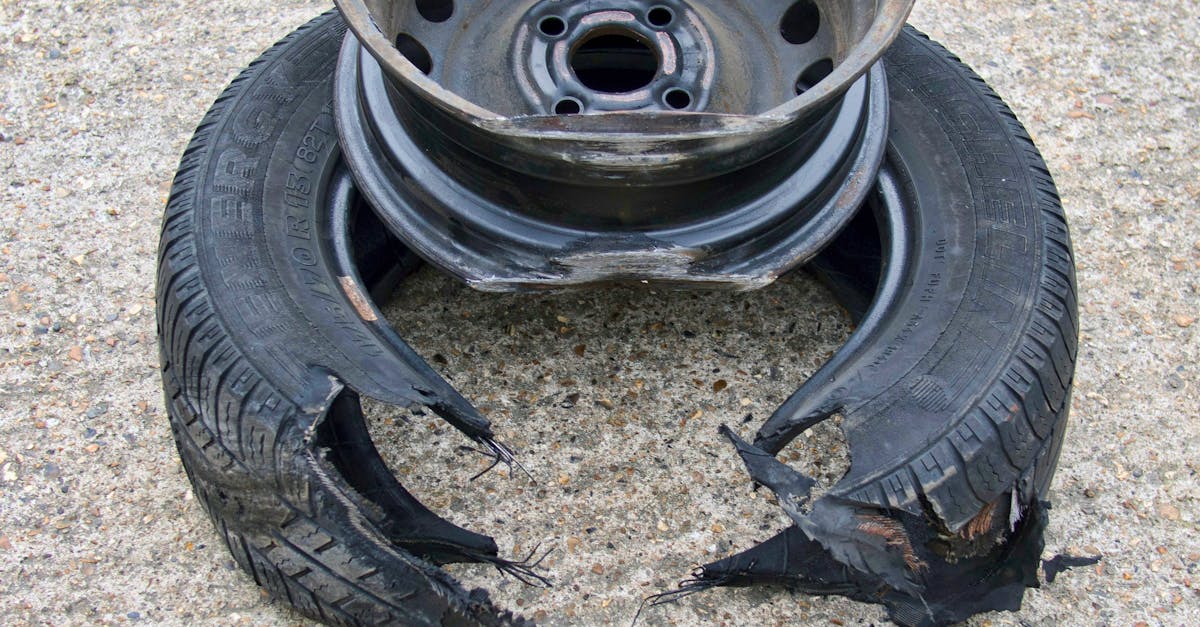
If you’ve recently hit a pothole on a Connecticut road, you’re not alone. Pothole season in the Northeast can be brutal, especially following the freeze-thaw cycles that plague our state highways and town roads. At Gates GMC Nissan, we see the aftermath of pothole impacts daily—ranging from subtle misalignments to major suspension failures. Catching the early signs that your alignment or suspension needs attention is critical to staying safe, minimizing long-term repair costs, and protecting your vehicle’s handling.
Definition: Why Alignment and Suspension Matter After Hitting a Pothole
Your car’s alignment refers to the angles and positioning of the wheels relative to the manufacturer’s specifications. Suspension is the system of springs, shocks, struts, and linkages designed to absorb road impacts, maintain tire contact, and provide steering stability. Hitting a pothole can jar these carefully calibrated systems, causing your vehicle to pull to one side, shimmy, or lose handling precision. At Gates GMC Nissan, we have GM- and Nissan-certified technicians with years of experience diagnosing even the most discreet forms of pothole-induced damage.
Immediate Signs Your Alignment or Suspension Needs Attention
- Unusual Noises: Listen for rattles, clanks, or knocking sounds from underneath your car immediately after a pothole impact. These can indicate loosened, bent, or broken suspension components or worn bushings.
- Steering Issues: If your vehicle pulls noticeably to one side, or the steering wheel feels off-center, your alignment may be compromised.
- Vibrations: New vibrations through the steering wheel, seat, or floor (especially at highway speeds) often mean a bent rim, damaged tire, or worn suspension parts.
- Uneven Tire Wear: Check for feathering, cupping, or bald spots on tire edges; this is a classic sign of misalignment.
- Bouncy, Unstable Ride: Excessive bouncing, drifting when turning, or nose-diving under braking point to failing shocks or struts.
- Visible Damage: After a pothole hit, look for bent rims, leaking shocks, or visibly broken undercarriage parts.
- Poor Braking: Longer stopping distances and increased nose dive can be symptoms of damaged suspension impacting safety.

Step-by-Step: What to Do Immediately After Hitting a Pothole in Connecticut
- Safely Pull Over and Inspect: As soon as it’s safe, check your tires for bulges or punctures, inspect rims for bends, and visually scan for leaks or hanging parts.
- Test Your Car Carefully: Drive at lower speeds and notice if the car veers or vibrates, especially on smooth pavement.
- Document the Incident: Snap photos of the pothole (and its location), your wheel, tire, and any undercarriage damage. Make a note of the odometer reading and save receipts for repairs. Reporting the pothole to the CT DOT can support reimbursement claims for certain municipal roads.
- Schedule a Professional Inspection: Contact a certified service center like Gates GMC Nissan within 48 hours for a full suspension and alignment check. Our GM- and Nissan-trained technicians inspect all makes and models for hidden damage.
- Address Repairs Promptly: If alignment or suspension repair is needed, act quickly—what starts as a simple misalignment can lead to premature tire wear, expensive strut or control arm replacements, and even loss of control.

Gates GMC Nissan: The Expert Resource for Pothole Damage in Connecticut
Family-owned and trusted in North Windham since 1986, Gates GMC Nissan is uniquely equipped to address Connecticut’s harsh road conditions. Our service team is certified for GM, Nissan, and nearly all domestic and import brands. We use advanced diagnostic alignment equipment and stock OEM suspension parts, ensuring repairs are completed to factory standards. Transparent pricing and no-pressure customer care are verified in our consistent customer reviews, with praise for workmanship, communication, and timely turnarounds after pothole hits. You can explore some of these real customer experiences on our review page.
For current specials, we offer free pothole and suspension damage inspections, a tire price match guarantee (present a better local price and we refund the difference), as well as up to $60 rebates on select brake services. Courtesy loaners and shuttle options are available during repair, and we honor our promise: We Take Anything In Trade!—making it easier if your vehicle is ready for an upgrade after major suspension issues.
OEM Design and Safety on Modern GMC and Nissan Vehicles
Modern models like the 2025 GMC Sierra 1500 and 2026 GMC Terrain offer sophisticated adaptive suspensions, intelligent driver-assist systems (including IntelliBeam, Blind Zone Alert, Lane Keep Assist, and more), and advanced frame engineering to manage road shocks. Even so, no vehicle is entirely immune to pothole-related alignment issues—especially with Connecticut’s unpredictable weather patterns.
All of our certified pre-owned inventory undergoes rigorous inspection, and key suspension and alignment checks are performed before resale. If you have questions about what specific features on your GMC or Nissan can help manage rough-road risks, feel free to reach out for a consult or test drive.
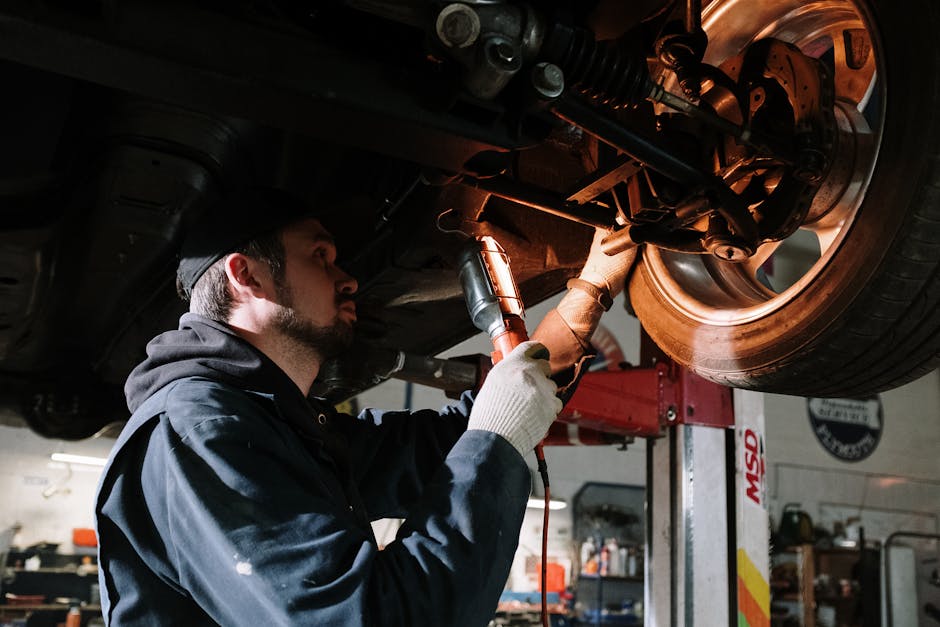
Best Practices to Minimize Further Pothole Damage
- Regularly Inspect Tires and Suspension: Make tire and suspension checks part of your routine. Early detection can prevent long-term issues.
- Address Warning Signs Promptly: Don’t wait for a check engine or traction control light. If steering, ride, or braking feels different after a pothole impact, it’s time to book an inspection.
- Choose Certified Repair: Use certified technicians and OEM parts for reliable repairs. At Gates GMC Nissan, we service nearly all brands but specialize in GM and Nissan vehicles with direct access to factory parts.
- Document Incidents: Even minor pothole contacts can add up. Track each incident and your repairs—some municipalities and insurance plans offer partial compensation if the damage is documented.
- Stay Up-to-Date on Recalls and Technical Service Bulletins: Our service advisors check for any open factory recalls or bulletins during your visit, as certain models may have recommended upgrades for Connecticut driving conditions.
- Don’t Skip Preventative Maintenance: Keeping up with scheduled alignments and shock testing—especially after hard winters—preserves tire life and fuel economy.
FAQ: Alignment and Suspension After Pothole Damage in Connecticut
How soon should I get my car checked after hitting a pothole?
Ideally, have your car checked within 48 hours by a qualified shop like Gates GMC Nissan. Even if everything feels normal, internal damage can worsen over time.
What parts are most at risk after a pothole impact?
Commonly affected parts include wheels (bent or cracked), tires (sidewall bubbles, punctures), shocks, struts, control arms, and alignment components. Modern sensor-equipped vehicles may also trigger warning lights after impact.
Does insurance cover pothole damage in Connecticut?
Some insurance policies (with comprehensive or collision coverage) do cover pothole damage. Check your specific policy and document the damage thoroughly for any claim.
Can I drive with a misaligned vehicle or minor suspension issue?
Continued driving can lead to uneven tire wear, reduced fuel economy, poor handling, and eventual major repairs. We advise booking an inspection at the first sign of trouble.
How do I know if my car is safe after a pothole incident?
Schedule a full suspension and alignment check. At Gates GMC Nissan, we offer complimentary post-pothole inspections and will advise you on any urgent repairs to keep you safe.
Where can I learn more about seasonal car care in Connecticut?
See our dedicated guides on winter car maintenance and choosing the right tires for unpredictable Connecticut roads.
Conclusion: Choose Connecticut’s Alignment and Suspension Expert
Hitting a pothole is practically inevitable on Connecticut roads, but ignoring the signs of damage can quickly lead to widespread safety and performance issues. Trust the experts at Gates GMC Nissan for transparent diagnosis, fair pricing, and repairs you can trust—whether you drive a GMC, Nissan, or another make. Schedule your service or test drive online or call us today for professional support. Stay safe, and let us help keep your car handling like new.
Car A/C Not Blowing Cold After Winter? What It Means and When to Get It Checked in Connecticut
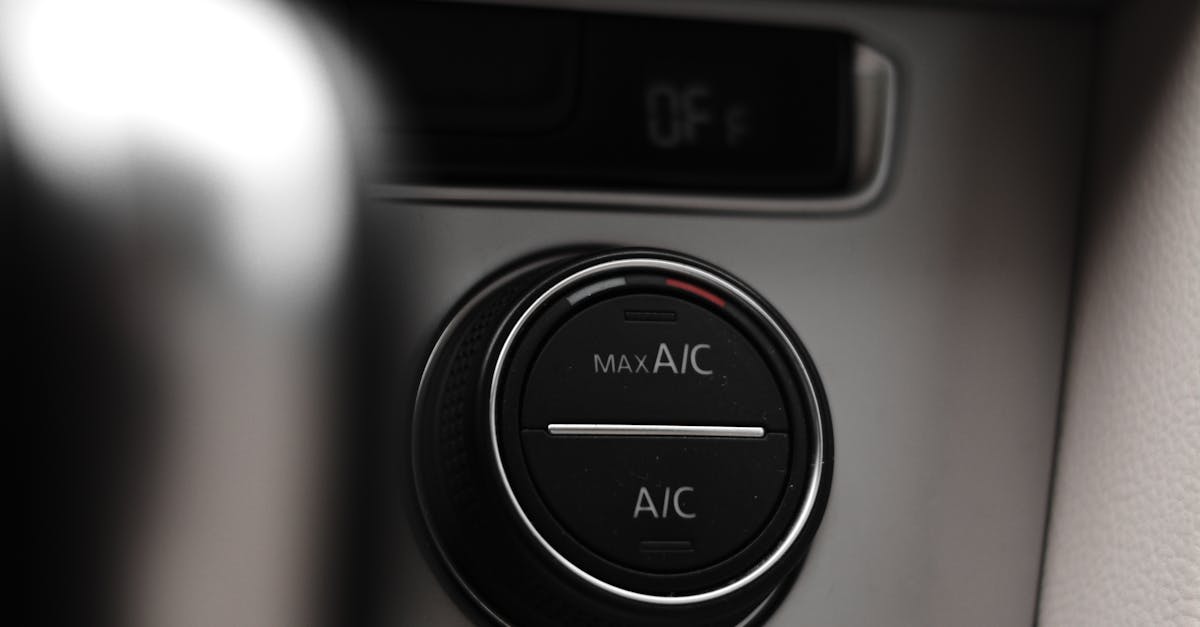
It’s common for Connecticut drivers to discover that their vehicle’s air conditioning (A/C) is no longer delivering cold air right when warmer weather returns. This shift often has little to do with the age or brand of your car. Instead, it’s typically related to how the A/C system responds to months of icy temperatures, moisture, salt, and inactivity that are unavoidable each New England winter. Addressing this problem quickly preserves comfort and prevents more costly repairs at the peak of summer.
If you notice your A/C isn’t blowing cold after winter, it most likely indicates an underlying issue such as low refrigerant, a blocked condenser, or deteriorated components. In most cases, failure to resolve the problem early can risk expensive compressor damage or a complete A/C system failure. We at Gates GMC Nissan in North Windham, CT, are here to help, using our decades of experience to deliver the diagnostic precision and certified repair quality local drivers trust.
What Does It Mean When Your A/C Isn’t Cold After Winter?
Automotive air conditioning systems are closed loops that rely on precise refrigerant levels, functional seals, and unobstructed airflow. When the system is idle for months—as it is through a Connecticut winter—gaskets can contract, refrigerant can slowly seep out, and components may corrode or become blocked by debris. The result is typically an A/C system that struggles or fails to cool the air as expected come spring.
Typical Causes to Look Out For
- Low refrigerant due to small leaks in hoses, seals, or O-rings weakened by winter contraction and moisture
- Blocked condenser (the front grille radiator) from leaves, salt, or road debris
- Compressor issues, especially if the system strained during an early spring heatwave
- Clogged cabin air filter from accumulated pollen or dust, reducing effective airflow
- Electrical issues or blown fuses after months of inactivity
If your A/C air never gets below 55°F after running for 10 minutes at full blast, or if you hear strange noises when the compressor starts, you are likely facing one of these issues. The certified team at Gates GMC Nissan is equipped to diagnose and repair these problems for virtually any make or model, with OEM parts and detailed post-repair testing.
Definition: Car A/C System and How Winter Impacts It
A car’s air conditioning system uses a refrigerant gas that cycles through compression and expansion in a sealed, pressurized circuit. Essential components include the compressor, condenser, receiver/dryer, expansion valve, and evaporator. Rubber hoses and metal lines transfer refrigerant, and electrical sensors regulate when the system turns on or off to maintain the desired cabin temperature.
Winter inactivity, combined with extreme cold, can cause the following:
- Seal shrinkage leading to slow leaks
- Moisture and salt exposure that corrodes metal and blocks condenser fins
- Cabin filter saturation with fine debris and dust, impeding airflow
Step-by-Step: Diagnosing A/C Problems After Winter
Before you schedule an appointment at our North Windham location, there are a few simple checks you can do yourself. These steps help identify whether the issue requires expert attention or a straightforward fix.
- Turn on the A/C full blast with recirculation button on. Feel the air at the vents. If it stays warm or only cools slightly after 5–10 minutes, further inspection is needed.
- Listen for abnormal noises. Clicking, grinding, or squealing sounds when the A/C is on may indicate compressor or belt issues.
- Visually inspect condenser and radiator area. Check for visible debris, leaves, or salt crust blocking airflow. Gently clean with water if accessible.
- Check other functions like the fan speed or defroster. If some speeds work but others don’t, a fuse or blower motor could be the culprit.
- Look for water leakage or dampness inside the cabin. This can suggest a clogged cabin filter or evaporator drain.
If these checks don’t restore cold air or if you find damage or corrosion, we strongly recommend booking a full A/C inspection with Gates GMC Nissan’s certified technicians to avoid costlier repairs later.
Most Common Reasons Your Car’s A/C Isn’t Cooling
Based on our years of service in Connecticut’s climate, these are the primary causes when an A/C system stops cooling after winter:
- Loss of refrigerant from dried out seals or minor leaks
- Compressor or clutch failure, especially on vehicles past 100,000 miles
- Obstructed condenser from winter debris or corrosion
- Clogged cabin air filter (often missed in regular maintenance)
- Sensor malfunction, particularly after a battery disconnect or electrical system service
DIY refrigerant recharge kits are not a solution if your system has a leak. Adding refrigerant without fixing the root cause can damage the system and lead to much costlier compressor replacements.

When Should You Get Your A/C Checked in Connecticut?
We recommend scheduling a professional A/C inspection in these situations:
- Air from vents never gets truly cold even on max
- A/C takes more than 5 minutes to cool the cabin
- Strange smells (burning, musty) from the system
- Noises when switching on the A/C
- The A/C cycles on and off erratically, or only works on the highway
- Your vehicle hasn’t had an A/C service in the last 24 months or after 80,000 miles
Delaying service can risk compressor breakdown, sudden refrigerant loss, and uncomfortable drives when the summer heat hits. At Gates GMC Nissan, our certified GM and Nissan technicians follow manufacturer standards for all makes and models, using advanced leak detection, system evacuation, and accurate recharging methods.
Best Practices for Post-Winter A/C Performance
- Test your A/C early each spring, ideally before the first major heatwave. This gives you time to schedule repairs before demand spikes.
- Replace the cabin air filter annually or every 15,000–30,000 miles to maintain airflow and freshness.
- Schedule regular A/C system inspections—even if you don’t notice obvious problems, preventive checks help catch leaks and wear before breakdowns occur.
- Request professional service at a certified center, like Gates GMC Nissan, for accurate diagnostics, authorized parts, and warranty protection.
These simple steps minimize risk and ensure summer comfort without unexpected breakdowns or inflated repair bills.
Why Gates GMC Nissan Is Connecticut’s Go-To for A/C Repair
Our dealership has been family-owned since 1986 and is known for serving communities including Norwich, Mansfield, and wider eastern Connecticut with award-winning transparency and expertise. Customers frequently highlight our clear communication, certified technician experience, and the peace of mind that comes from getting factory-grade diagnostics, repairs, or replacement parts for GM, Nissan, and nearly every make or model.
We offer:
- State-of-the-art A/C leak detection and diagnostics
- Transparent pricing on all A/C-related repairs
- Online scheduling, service specials, and convenient hours—including Saturday mornings
- Access to certified pre-owned vehicles and service packages for every budget
Our reviews speak for themselves, with customers describing quick and professional A/C repairs, friendly team members, and a family business atmosphere that ensures you’ll want to return for future service and vehicle needs. We also offer the flexibility of trading in your vehicle of any type, true to our motto of “We Take Anything In Trade.”
Related Reading
If you’re also dealing with cooling or heating issues, explore our detailed resource: Why Your Car Heater Blows Cold Air in Winter: Common Causes and When to Get It Checked.
FAQ: Car A/C Not Blowing Cold in Connecticut
How long should it take for my car’s A/C to blow cold after starting?
Most systems should cool air to 40–50°F within 3–5 minutes. Delays suggest refrigerant or airflow problems.
Is it safe to use DIY A/C recharge kits?
DIY kits temporarily restore cool air but can mask leaks or overcharge the system, risking compressor damage. Professional leak detection and repair—such as what we provide at Gates GMC Nissan—is strongly recommended.
How often should A/C systems be serviced?
A/C performance and leak checks are best done annually, with a full system service every 2–3 years.
Can I drive with a weak or failed A/C system?
Yes, but driving comfort and defogging performance will be compromised, especially in humid Connecticut summers. Prompt repairs avoid higher costs down the road.
Do you provide A/C repair for vehicles other than GMC and Nissan?
Yes. Our certified technicians are trained and equipped to service almost all makes and models, not just GM and Nissan vehicles.
What do your customers say?
Customers highlight our professionalism, communication, and fast turnaround for A/C repairs, often sharing that problems were fixed right the first time by skilled technicians.
Conclusion
A/C issues after winter are a common challenge for Connecticut drivers—but they’re almost always preventable with routine checks and proactive service. By understanding the common causes, recognizing timely warning signs, and acting early, you can ensure your vehicle is cool, comfortable, and reliable as the temperature climbs. For advanced diagnostics, trusted repairs, and a local team that values your time and satisfaction, turn to Gates GMC Nissan.
If your A/C system isn’t keeping up after winter, schedule an inspection or service with us today, or call 860‑455‑4737. Stay comfortable on the road all summer long—and remember, we’re always here for all your automotive needs, from trade-ins to expert repairs.
Connect with us


