


It's common for Connecticut drivers to discover that their vehicle's air conditioning (A/C) is no longer delivering cold air right when warmer weather returns. This shift often has little to do with the age or brand of your car. Instead, it’s typically related to how the A/C system responds to months of icy temperatures, moisture, salt, and inactivity that are unavoidable each New England winter. Addressing this problem quickly preserves comfort and prevents more costly repairs at the peak of summer.
If you notice your A/C isn’t blowing cold after winter, it most likely indicates an underlying issue such as low refrigerant, a blocked condenser, or deteriorated components. In most cases, failure to resolve the problem early can risk expensive compressor damage or a complete A/C system failure. We at Gates GMC Nissan in North Windham, CT, are here to help, using our decades of experience to deliver the diagnostic precision and certified repair quality local drivers trust.
What Does It Mean When Your A/C Isn’t Cold After Winter?
Automotive air conditioning systems are closed loops that rely on precise refrigerant levels, functional seals, and unobstructed airflow. When the system is idle for months—as it is through a Connecticut winter—gaskets can contract, refrigerant can slowly seep out, and components may corrode or become blocked by debris. The result is typically an A/C system that struggles or fails to cool the air as expected come spring.
Typical Causes to Look Out For
- Low refrigerant due to small leaks in hoses, seals, or O-rings weakened by winter contraction and moisture
- Blocked condenser (the front grille radiator) from leaves, salt, or road debris
- Compressor issues, especially if the system strained during an early spring heatwave
- Clogged cabin air filter from accumulated pollen or dust, reducing effective airflow
- Electrical issues or blown fuses after months of inactivity
If your A/C air never gets below 55°F after running for 10 minutes at full blast, or if you hear strange noises when the compressor starts, you are likely facing one of these issues. The certified team at Gates GMC Nissan is equipped to diagnose and repair these problems for virtually any make or model, with OEM parts and detailed post-repair testing.

Definition: Car A/C System and How Winter Impacts It
A car’s air conditioning system uses a refrigerant gas that cycles through compression and expansion in a sealed, pressurized circuit. Essential components include the compressor, condenser, receiver/dryer, expansion valve, and evaporator. Rubber hoses and metal lines transfer refrigerant, and electrical sensors regulate when the system turns on or off to maintain the desired cabin temperature.
Winter inactivity, combined with extreme cold, can cause the following:
- Seal shrinkage leading to slow leaks
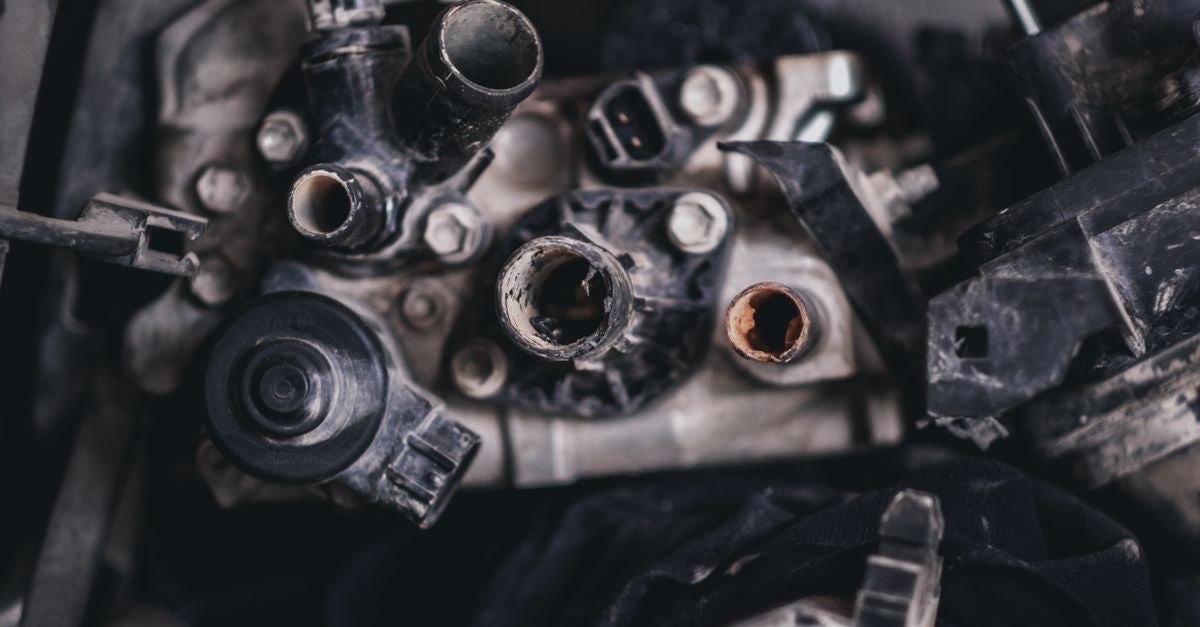
- Moisture and salt exposure that corrodes metal and blocks condenser fins
- Cabin filter saturation with fine debris and dust, impeding airflow
Step-by-Step: Diagnosing A/C Problems After Winter
Before you schedule an appointment at our North Windham location, there are a few simple checks you can do yourself. These steps help identify whether the issue requires expert attention or a straightforward fix.
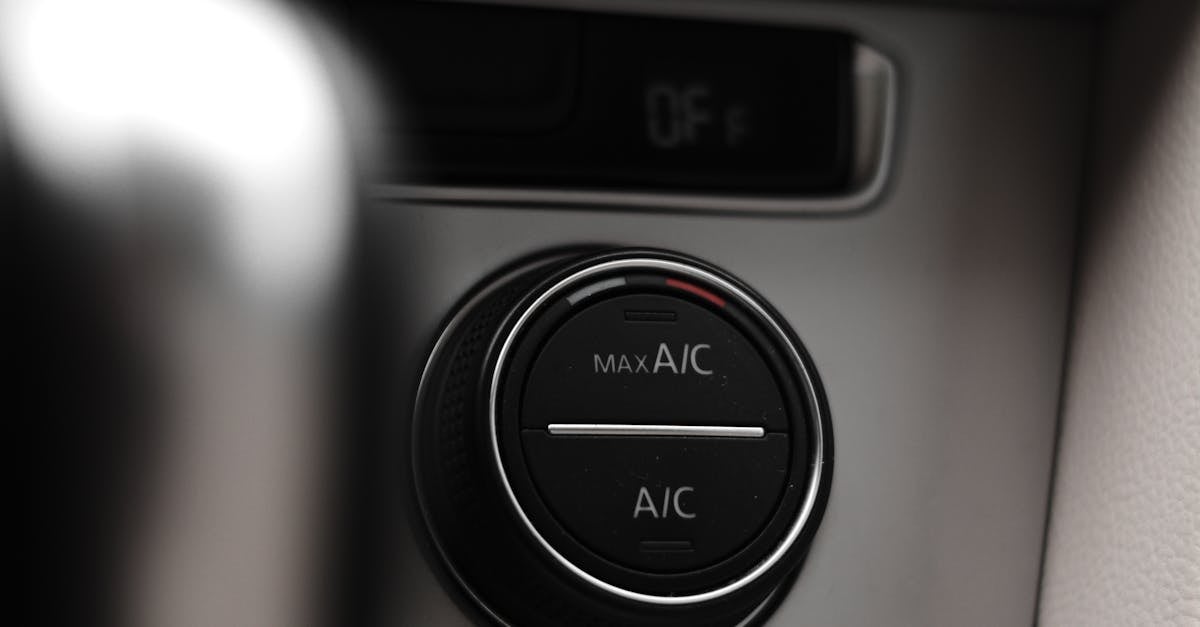
- Turn on the A/C full blast with recirculation button on. Feel the air at the vents. If it stays warm or only cools slightly after 5–10 minutes, further inspection is needed.
- Listen for abnormal noises. Clicking, grinding, or squealing sounds when the A/C is on may indicate compressor or belt issues.
- Visually inspect condenser and radiator area. Check for visible debris, leaves, or salt crust blocking airflow. Gently clean with water if accessible.
- Check other functions like the fan speed or defroster. If some speeds work but others don’t, a fuse or blower motor could be the culprit.
- Look for water leakage or dampness inside the cabin. This can suggest a clogged cabin filter or evaporator drain.
If these checks don’t restore cold air or if you find damage or corrosion, we strongly recommend booking a full A/C inspection with Gates GMC Nissan’s certified technicians to avoid costlier repairs later.
Most Common Reasons Your Car’s A/C Isn’t Cooling
Based on our years of service in Connecticut’s climate, these are the primary causes when an A/C system stops cooling after winter:
- Loss of refrigerant from dried out seals or minor leaks
- Compressor or clutch failure, especially on vehicles past 100,000 miles
- Obstructed condenser from winter debris or corrosion
- Clogged cabin air filter (often missed in regular maintenance)
- Sensor malfunction, particularly after a battery disconnect or electrical system service
DIY refrigerant recharge kits are not a solution if your system has a leak. Adding refrigerant without fixing the root cause can damage the system and lead to much costlier compressor replacements.

When Should You Get Your A/C Checked in Connecticut?
We recommend scheduling a professional A/C inspection in these situations:
- Air from vents never gets truly cold even on max
- A/C takes more than 5 minutes to cool the cabin
- Strange smells (burning, musty) from the system
- Noises when switching on the A/C
- The A/C cycles on and off erratically, or only works on the highway
- Your vehicle hasn’t had an A/C service in the last 24 months or after 80,000 miles
Delaying service can risk compressor breakdown, sudden refrigerant loss, and uncomfortable drives when the summer heat hits. At Gates GMC Nissan, our certified GM and Nissan technicians follow manufacturer standards for all makes and models, using advanced leak detection, system evacuation, and accurate recharging methods.
Best Practices for Post-Winter A/C Performance
- Test your A/C early each spring, ideally before the first major heatwave. This gives you time to schedule repairs before demand spikes.
- Replace the cabin air filter annually or every 15,000–30,000 miles to maintain airflow and freshness.
- Schedule regular A/C system inspections—even if you don’t notice obvious problems, preventive checks help catch leaks and wear before breakdowns occur.
- Request professional service at a certified center, like Gates GMC Nissan, for accurate diagnostics, authorized parts, and warranty protection.
These simple steps minimize risk and ensure summer comfort without unexpected breakdowns or inflated repair bills.
Why Gates GMC Nissan Is Connecticut’s Go-To for A/C Repair
Our dealership has been family-owned since 1986 and is known for serving communities including Norwich, Mansfield, and wider eastern Connecticut with award-winning transparency and expertise. Customers frequently highlight our clear communication, certified technician experience, and the peace of mind that comes from getting factory-grade diagnostics, repairs, or replacement parts for GM, Nissan, and nearly every make or model.
We offer:
- State-of-the-art A/C leak detection and diagnostics
- Transparent pricing on all A/C-related repairs
- Online scheduling, service specials, and convenient hours—including Saturday mornings
- Access to certified pre-owned vehicles and service packages for every budget
Our reviews speak for themselves, with customers describing quick and professional A/C repairs, friendly team members, and a family business atmosphere that ensures you’ll want to return for future service and vehicle needs. We also offer the flexibility of trading in your vehicle of any type, true to our motto of “We Take Anything In Trade.”
Related Reading
If you're also dealing with cooling or heating issues, explore our detailed resource: Why Your Car Heater Blows Cold Air in Winter: Common Causes and When to Get It Checked.
FAQ: Car A/C Not Blowing Cold in Connecticut
How long should it take for my car’s A/C to blow cold after starting?
Most systems should cool air to 40–50°F within 3–5 minutes. Delays suggest refrigerant or airflow problems.
Is it safe to use DIY A/C recharge kits?
DIY kits temporarily restore cool air but can mask leaks or overcharge the system, risking compressor damage. Professional leak detection and repair—such as what we provide at Gates GMC Nissan—is strongly recommended.
How often should A/C systems be serviced?
A/C performance and leak checks are best done annually, with a full system service every 2–3 years.
Can I drive with a weak or failed A/C system?
Yes, but driving comfort and defogging performance will be compromised, especially in humid Connecticut summers. Prompt repairs avoid higher costs down the road.
Do you provide A/C repair for vehicles other than GMC and Nissan?
Yes. Our certified technicians are trained and equipped to service almost all makes and models, not just GM and Nissan vehicles.
What do your customers say?
Customers highlight our professionalism, communication, and fast turnaround for A/C repairs, often sharing that problems were fixed right the first time by skilled technicians.
Conclusion
A/C issues after winter are a common challenge for Connecticut drivers—but they’re almost always preventable with routine checks and proactive service. By understanding the common causes, recognizing timely warning signs, and acting early, you can ensure your vehicle is cool, comfortable, and reliable as the temperature climbs. For advanced diagnostics, trusted repairs, and a local team that values your time and satisfaction, turn to Gates GMC Nissan.
If your A/C system isn’t keeping up after winter, schedule an inspection or service with us today, or call 860‑455‑4737. Stay comfortable on the road all summer long—and remember, we’re always here for all your automotive needs, from trade-ins to expert repairs.