



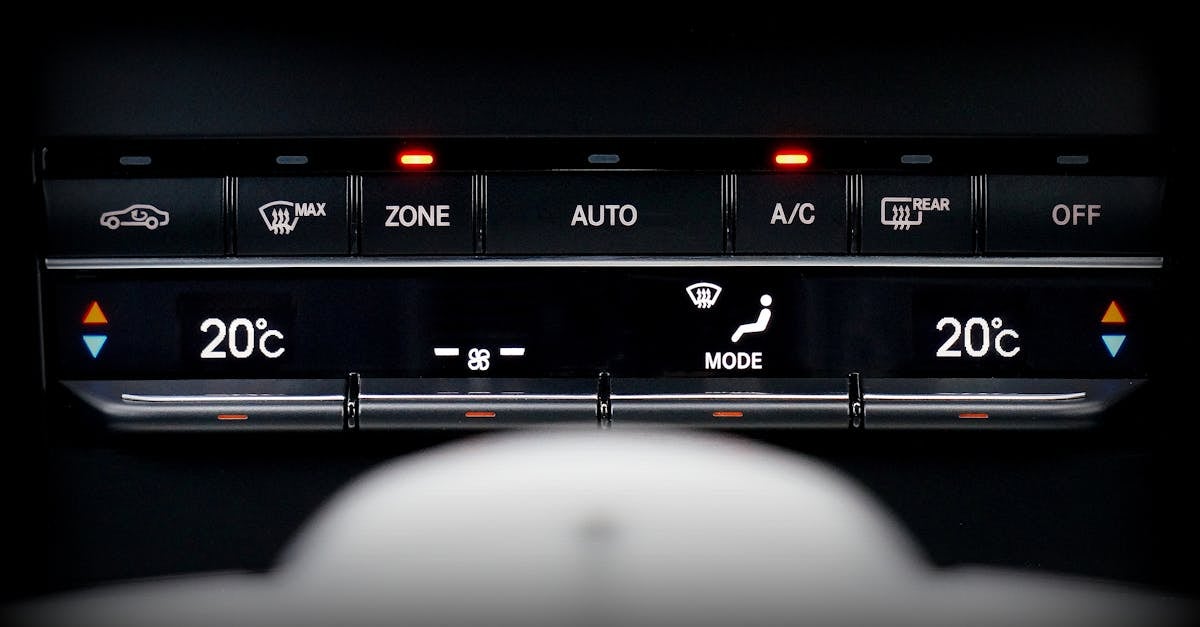
Stepping into your car on a freezing Connecticut morning only to discover the heater is blowing cold air is more than uncomfortable. It can make your commute miserable, fog your windows, and signal underlying issues with your vehicle’s cooling and heating system that, if left unresolved, could cause serious engine damage down the road. At Gates GMC Nissan, we know heaters inside and out—whether you drive a GM, Nissan, or nearly any other make or model—and we see this scenario play out every winter.
Understanding exactly why your heater is blowing cold is the fastest way to restore comfort and keep your engine protected. This detailed guide will walk you through how your car’s heating system works, every major cause of heater issues, and what you can do yourself versus when you need expert help. We'll also highlight best practices for keeping your heating system reliable through even the coldest Connecticut winter.
How Your Car’s Heater Works: The Basics
Your car’s heating system is an extension of its cooling system. When the engine runs, it produces heat. This heat is absorbed by coolant (also called antifreeze), which circulates through your engine. The basic path is:
- The engine warms up and heats the coolant.
- Once warm, the thermostat opens and lets coolant flow through the heater core—think of it as a tiny radiator inside your dashboard.
- A fan blows air across the heater core, sending warm air into the cabin.
- Blend doors and actuators regulate how much hot air (versus outside or cold A/C air) is delivered into your car’s interior.
Every link in this chain is critical. If you have a problem at any point, your heater may blow cold air, run inefficiently, or stop altogether.

Common Causes: Why Your Car Heater Blows Cold Air
1. Low Coolant (Antifreeze) Level
Inadequate coolant is the #1 reason for heater issues. Coolant not only protects your engine from freezing and overheating, but it also supplies the heat your heater core needs to warm the air. If levels are low due to a leak, recent repair, or evaporation, you’ll quickly lose heat in the cabin.
- Symptoms: Cold air only, low coolant warning, engine running hotter than normal.
- DIY step: Check your coolant reservoir (when the engine is cool) and re-fill using the correct type for your vehicle, as specified in your owner’s manual. If coolant keeps disappearing, bring your car to us for a pressure test and leak inspection—leaks should never wait.
2. Malfunctioning Thermostat
The thermostat acts as a gatekeeper for coolant flow. If it’s stuck open, the engine never gets warm enough. If it’s closed, warm coolant can’t circulate to the heater core. Either scenario leads to the heater blowing cold.
- Symptoms: Engine stays cold, or warms up then overheats, with heater stuck on cold.
- Best solution: Thermostat replacement is a common job at Gates GMC Nissan; our certified techs can swap this part quickly and check your entire cooling system.
3. Clogged or Leaking Heater Core
Minerals, old coolant, or debris can form blockages in your heater core’s tiny internal passages. Or, the core may spring a leak. Both result in poor or no heat, and potentially a fogged up or sweet-smelling cabin (a sign of leaking coolant).
- Symptoms: No heat, fogged interior windows, sweet odor, possible stains or dampness in passenger footwell.
- Repair advice: A flush may clear a clog, but severe issues require heater core replacement. This is a labor-intensive job best left to dealer-level professionals—our team at Gates GMC Nissan has experience with these repairs on GM, Nissan, and other brands.

4. Faulty Blend Door or Actuator
Blend doors mix hot and cold air to achieve your requested cabin temperature. If the actuator motor fails or the door gets stuck, the system can’t send warm air inside, no matter how hot the heater core gets.
- Symptoms: Heater control knob or buttons change nothing, clicking/clicking sounds under the dash, one side of the cabin may be warm, the other cold.
- Repair insight: Diagnosing and fixing blend doors requires careful disassembly of the dash. Our service advisors will explain your options and costs up front.
5. Air Pockets in the Cooling System
Trapped air from a recent coolant change, leak, or repair job can prevent coolant from circulating through the heater core. Even if sensor readings say the system is at the right level, air locks often require professional bleeding or vacuum filling tools.
- Symptoms: Heater sometimes works, sometimes not; gurgling/water noises behind the dash; erratic temperature gauge readings.
- Expert tip: Gates GMC Nissan uses factory-approved processes to remove stubborn air pockets safely and permanently—saving you future hassle.
6. Failing Water Pump
Your water pump keeps coolant—and heat—moving through the system. If it’s failing, coolant won’t reach the heater core with enough force to transfer warmth. Water pumps can also leak, wearing out bearings and accelerating engine wear.
- Symptoms: Weak or no cabin heat, engine temperature spikes, visible coolant leaks under the engine, noise from the pump.
- What to do: Book service immediately; a failed water pump can cause engine overheating or complete breakdown.
7. Heater Control Valve Problems
Some vehicles (especially trucks, larger SUVs, or premium sedans) have a heater control valve that directs hot coolant to the heater core. If the valve binds up, freezes, or its vacuum or cable lines break, you’ll get no heat in the interior.
- Symptoms: Zero heat despite a warm engine and adequate coolant, no change when turning the heat on/off, possibly obvious valve or control linkage damage if you peek under the hood.
- Repair note: Replacing a stuck or frozen control valve is straightforward for experienced techs with access to the right parts—at Gates GMC Nissan, we use OEM and most common aftermarket valves for lasting results.
8. Electrical or Climate Control Module Issues
Modern cars use computers and complex electronic controls for heating, especially when you have dual-zone, automatic, or remote start climate systems. A blown fuse, bad relay, or failed module can disable the heat (or the blower fan) entirely.
- Symptoms: Climate control buttons don’t respond, heater won’t turn on even when everything else looks fine, or heating works intermittently.
- Next steps: Check your fuses if you feel comfortable (the manual lists the relevant fuse locations). If you replace a fuse and it blows again, or nothing works, let a professional check for deeper wiring or module issues.
Quick DIY Heater Troubleshooting Steps
- Coolant levels: Make sure fluid is between the min and max lines, only checking when the engine is cold.
- Heater hose temperature: With the engine running and warm, both small hoses leading to the firewall should feel similarly hot. If not, coolant isn’t circulating properly.
- Fan operation: Turn the blower on high. If you don’t feel or hear airflow, the fan itself or its fuse may be faulty.
- Fuses: Find the fuse panel, usually on the side of the dash or by the driver’s knees. Pull and inspect fuses labeled for HVAC or AC/Heater and replace as needed.
- Wait time: It takes 5-10 minutes for many engines to produce full heat in cold weather, especially in severe cold or after a long overnight park.
When to Seek Professional Help
- Persistent cold air after engine warm-up
- Visible coolant leaks (green, orange, or pink puddles under your car)
- Engine temperature gauge reading hot or fluctuating oddly
- Sweet smell, damp carpets, or fog that won’t clear up inside—possible coolant leak into the cabin
- Unusual noises under the dash, or controls that don’t match temperature output
These symptoms mean you should book service as soon as possible. At Gates GMC Nissan, our GM- and Nissan-certified technicians have the specialized test equipment, technical bulletins, and OEM replacement parts to resolve climate control and heating issues for cars, trucks, and SUVs. We’ll walk you through your options, never pressure you, and back all work with transparency you can trust.
Best Practices: Preventive Steps for a Reliable Car Heater
- Flush and replace coolant every 30,000–50,000 miles, or as directed by your manufacturer
- Only use the coolant type recommended for your vehicle and climate
- Have your heater hoses and clamps inspected during regular maintenance visits
- Watch your dashboard for warning lights or fluctuating gauges in cold weather
- Schedule a pre-winter checkup, so any weak heater performance, stuck thermostat, or aging water pump is caught before you really need the heat
For more winter prep tips, explore our Connecticut Winter Car Checklist, which covers everything from battery checks to tire advice.
Frequently Asked Questions
Why does my car heater only blow cold air when idling?
If your heater works while driving but blows cold when stationary, the cooling system may be low on coolant or air pockets may be present, causing inconsistent flow through the heater core. Having the system properly bled or topped off can resolve this.
How do I know if my heater core is bad?
Classic signs include no heat even with a warm engine, visible dampness or sweet-smelling fog inside the vehicle, and unexplained loss of coolant. A mechanic can pressure-test the system to confirm.
Can I drive with a faulty heater during winter?
While the engine may run, you risk engine overheating or coolant leaks, and you may compromise your safety if your defroster can’t clear the windshield. It’s always safer to get it checked promptly.
How often should I change my coolant?
Every 30,000 to 50,000 miles, or as noted in your vehicle’s maintenance schedule. The crew at Gates GMC Nissan can help determine the best maintenance plan for your car, truck, or SUV.
Are heater repairs covered under warranty?
If your vehicle is still under a new car or certified pre-owned warranty from GM or Nissan, many heater system components are covered. We’ll verify coverage and help you navigate the repair process.
Conclusion
A car heater that blows cold air in the winter is more than an inconvenience—it’s a sign that your vehicle may need service to keep you safe and comfortable. Delaying repairs can worsen underlying problems and may ultimately put your engine at risk. For owners in North Windham and the surrounding Connecticut area, Gates GMC Nissan is your trusted local dealer for diagnosing both simple and complex heating issues, and keeping you on the road with warm, reliable comfort all season long. Ready to get your heat back? Schedule your service or call our expert team today.