


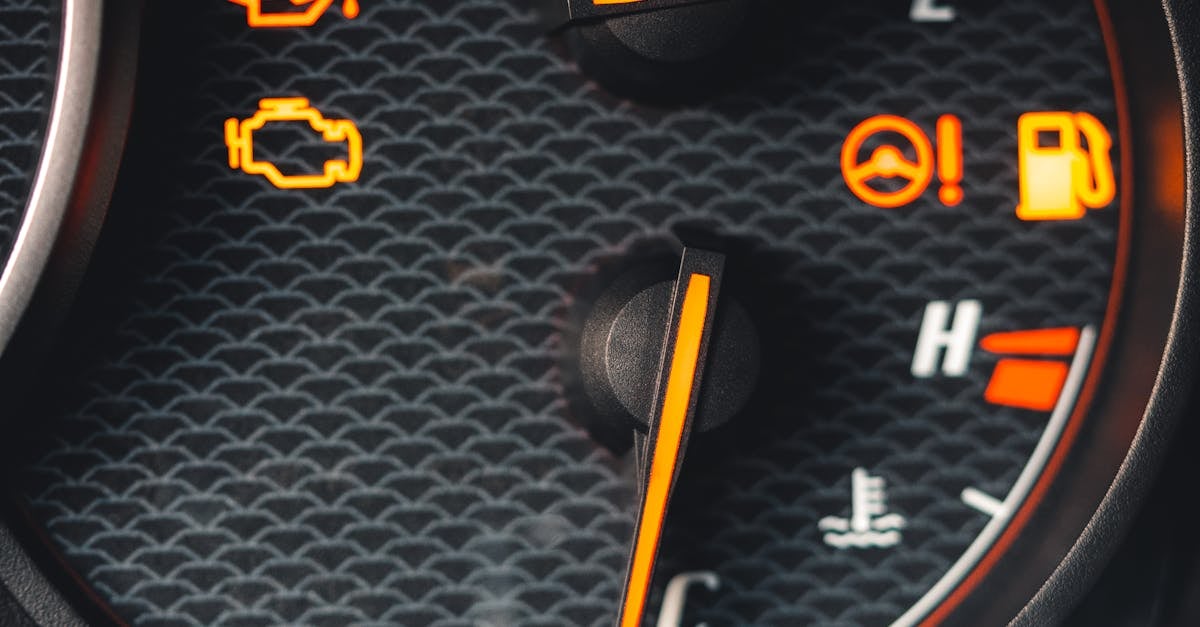
Connecticut winters are no joke, especially when your dashboard suddenly lights up with a check engine warning. We’ve seen drivers from all over Windham County stress over this little orange engine icon when the cold sets in—so let’s unravel what’s really happening, why it’s more common in freezing weather, and what you should do if it happens to you.
We’re a family-run team at Gates GMC Nissan, serving Connecticut drivers since 1986, and we know from experience that cold weather brings unique vehicle headaches. This guide will walk you through both the why and the what-next, so you can confidently keep your car running all winter long.
Cold Weather: Why It’s Tough on Modern Vehicles
Connecticut’s deep freezes don’t just affect how your car feels—they genuinely impact electronics, fluids, rubber, and metal at a microscopic level. When temperatures drop, critical sensors, batteries, and hoses are all put under stress. The engine control unit (ECU), the brain of your car, notices changes and sometimes reacts with an early warning—the check engine light.

Top Reasons Your Check Engine Light Appears in the Cold
- Weak Battery or Charging Issues: When it’s cold, a battery can lose up to a third of its strength. If your car is hard to start, or electronic features seem sluggish, that low voltage can trip warning lights—including check engine.
- Frozen (or Condensing) Fuel Lines: Moisture can collect in your fuel tank, then freeze in fuel lines overnight. This interrupts fuel delivery to the engine, and your car’s computer flags the resulting misfire or poor performance.
- Mashed-Up Sensor Readings: Cold air changes the readings from oxygen sensors, intake air sensors, and more. Sometimes, these sensors momentarily give out-of-range signals that trigger the check engine light, even if the issue resolves as things warm up.
- Old Spark Plugs or Ignition Coils: Subfreezing air makes combustion harder. Spark plugs need to be in top shape, or the car might misfire and alert the ECU. If your car hasn’t had new spark plugs in 3–5 years, you’re at greater risk as the weather turns.
- Tire Pressure Sensors Go Haywire: For every 10-degree drop in temperature, expect about one PSI loss in tire pressure. Tire pressure monitoring systems (TPMS) may flag inconsistencies and, on some vehicles, share data with the main ECU—sometimes triggering extra dashboard lights.
- Coolant Temperature Sensor Trouble: The coolant sensor helps your car know when it’s safe to adjust fuel and timing for a cold engine. If it sends bad info due to extreme cold or corrosion, things can go off-balance quickly.
If You See the Check Engine Light in Winter: Here’s What To Do
Step 1: Stay Calm
First things first, don’t panic. Most cold-weather warning lights are not immediate emergencies, especially if your car is driving normally and you don’t notice loud noises, smoke, or rough running.
Step 2: Check the Obvious
- Gas Cap: Make sure it’s tight. Many warning lights are due to a loose or cracked cap, especially after filling up in freezing temperatures.
- Look Under the Hood: See if any hoses are disconnected or electrical connectors are loose. Winter’s freeze-thaw cycles can shift things around.
Step 3: Restart and Observe
Turn your car off, wait a minute, then restart. Sometimes the light will go away—which could mean it was a momentary sensor error. If it comes right back, avoid aggressive driving, and pay attention to new sounds or smells.

Step 4: Schedule a Diagnostic With Pros You Trust
If the light remains or is flashing, the safest move is to get professional help. Our certified GM and Nissan service team has the specific diagnostic equipment to read the underlying error codes—and it’s always more efficient to fix a small issue before it morphs into a bigger problem. Especially on newer vehicles, guessing can be both expensive and ineffective.
Understanding Severity: Steady vs. Flashing Lights
- Steady Check Engine Light: You typically have time to drive a short distance (like to our service bays), but the issue needs swift attention. It could be emissions, minor sensor failure, or small misfires.
- Flashing Check Engine Light: This signals a serious misfire. Pull over as soon as it’s safe, shut off your engine, and seek towing if you notice performance issues. Continued driving risks major engine damage.
How to Prevent Cold Weather Engine Trouble in Connecticut
Every autumn, we perform dozens of winter-prep inspections, because prevention is always less expensive than repairs. Here’s how you can dramatically reduce sudden dashboard surprises:
- Battery: Have it tested, especially if it’s 3+ years old. Clean corrosion and check connections—both voltage and current flow dip fast in freezing temps. Learn more actionable winter prep in our Connecticut Winter Car Checklist.
- Oil: Use the right winter-grade oil; check and change regularly, as thickened oil strains cold starts.
- Fuel System: Keep your gas tank at least half full and consider a reputable fuel additive just before a deep freeze to help prevent fuel line icing.
- Spark Plugs/Ignition: If you’re not sure when your plugs or ignition coils were last replaced, have our technicians check them—misfires are more likely in bitter weather.
- Tire Pressure: Check monthly, and fill to the PSI recommended on your door sticker (not the tire’s sidewall). Sudden drops often coincide with cold snaps.
- Comprehensive Inspection: Schedule a pre-winter check with local experts who know the region’s conditions. We always inspect hoses, belts, sensors, and fluid condition in detail before the harshest weather hits.

Frequently Asked Questions About Winter Check Engine Lights
- Will the light go off once the weather warms up? Sometimes, especially if cold-start sensors triggered a false reading. However, the code remains stored and may return next freeze. Always get the underlying cause checked out.
- Can I drive with the light on if the car feels normal? Possibly, but it’s still best to schedule a check promptly. Even if your vehicle feels and runs normally, you can silently damage sensitive components (like expensive catalytic converters) if unaddressed.
- What other dashboard lights should I watch? A battery or temperature warning light, or a simultaneous loss of power, means you should pull over and seek immediate help—not just wait for your next appointment.
- How much does a diagnostic cost? Our rates are straightforward and affordable. Calling our service desk at 860-455-4737 gets you an up-to-date quote.
Why Trust Gates GMC Nissan With Your Diagnostics?
- Certified GM and Nissan Technicians: Our team knows the ins and outs of your vehicle, use factory-grade scanners, and have real-world cold-weather troubleshooting expertise for Connecticut conditions.
- OEM Parts: When repairs are needed, we install manufacturer parts built to last for your GMC, Nissan, or other make.
- Honest, No-Pressure Advice: We’ll always explain results clearly, and only recommend what truly needs fixing. Our goal is your peace of mind, not unnecessary repairs.
- Family-Owned Reliability: We’ve proudly served this part of the state since 1986—repeat customers and their families return because they trust us to keep their vehicles running, winter after winter.
- Winter Service Specials: We regularly offer deals for battery checks, oil changes, tire rotations, and brake service to help your budget go further. See current offers on our service and parts specials page.
Let’s Get Your Vehicle Ready for the Cold—Before Problems Start
Don’t put off necessary diagnostics or skip preventive care. We know New England winters, and we’re here to make sure your vehicle is up to the task. If you’re seeing new lights on your dashboard or want a certified inspection before deep winter, give us a call at 860-455-4737 or visit us at 143 Boston Post Road, North Windham, CT.
For more winter driving tips, see our blog on which wiper blades and battery to buy for a New England winter.
Ready for a diagnostic—or thinking about your next vehicle?
We invite you to experience the Gates difference. Learn more or schedule your visit with us today. Remember: We’ll take anything in trade—goats, boats, trains, planes, you name it!