



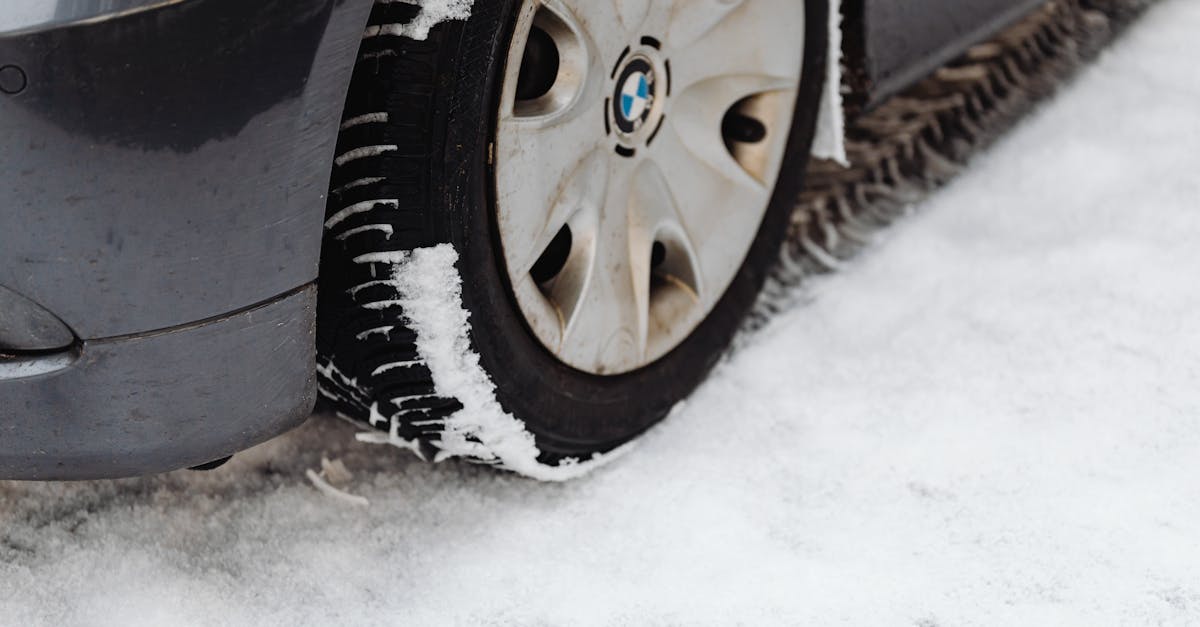
When it comes to navigating winter roads in Connecticut, the decision between winter tires and all-season tires is often the single most important factor in your vehicle’s cold-weather safety. For drivers throughout North Windham, Mansfield, Norwich, and across the state, winter tires consistently outperform all-season tires in snow, ice, and freezing temperatures. At Gates GMC Nissan, our service experts strongly recommend dedicated winter tires for nearly all Connecticut drivers who face winter’s unpredictability on local roads.
All-season tires are made for versatility across mild to moderate weather year-round, but they begin to lose their grip as soon as temperatures drop below 45°F. That loss in performance becomes more severe during freezing rain, snowstorms, and the icy conditions typical of a Connecticut winter. In contrast, winter tires use a flexible rubber compound and specialized tread design to ensure confident acceleration, shorter braking distances, and predictable cornering—no matter how deep the snow or how slick the pavement.

Definitions: Winter Tires vs. All-Season Tires
- Winter Tires: Also called snow tires, they use a cold-weather rubber compound that stays pliable below 45°F and have deep grooves plus thousands of small sipes to bite into ice and snow. This design maximizes grip and control, especially on untreated or slushy roads.
- All-Season Tires: Designed for wet and dry conditions in moderate climates. They feature less-aggressive tread patterns and firmer compounds that stiffen in the cold, resulting in decreased traction on snow and ice.
How Each Tire Performs During Connecticut Winters
| Tire Type | Ideal Use | Winter Performance | Recommended Season in CT |
|---|---|---|---|
| Winter Tires | Snow, ice, below 45°F | Excellent: maximum grip, effective stops | November to April |
| All-Season Tires | Mild weather, rain, light snow | Good in spring/fall; poor in severe winter | April to October |

When and Why to Install Winter Tires in Connecticut
- Temperature: Install winter tires as soon as average daily temperatures fall below 45°F, typically in late October or November.
- Roads: Connecticut’s frequent freeze-thaw cycles lead to both icy highways and untreated backroads. Winter tires maintain traction on both.
- Local Law: Studded tires (an option for extreme winter driving) are allowed in Connecticut only between November 15 and April 30. Regular winter tires are permitted all year but are best reserved for cold months to avoid premature wear.
- Vehicle Type: Even all-wheel-drive models like GMC Sierra or Nissan Rogue should use four winter tires for balanced performance. AWD helps you get moving, but only quality winter tires help you steer and stop safely on slick roads.
Step-by-Step: Choosing and Installing Winter Tires at Gates GMC Nissan
- Determine Proper Fit: Check your vehicle’s manual or consult our team for the right tire size. For trucks (like GMC Sierra 1500, Canyon, or Yukon), select winter tires rated for heavier loads. For crossovers and sedans, focus on handling and traction.
- Assess Tread Depth: New winter tires have at least 10/32 inches of tread; they should be replaced once they’re below 6/32 inches for best winter traction. At Gates GMC Nissan, we measure tread depth at every tire change or rotation.
- Validate Alignment: Schedule a professional alignment before winter installation. Misalignment causes uneven tire wear and reduced winter performance. You can book with our certified technicians for comprehensive alignment checks.
- Select Quality Tires: Choose OEM-approved winter tires for your GMC or Nissan, available directly through our parts department. We also service most makes, from Subaru and Ford to Toyota.
- Professional Installation and Balancing: Have all four winter tires installed and properly balanced. Always install matching tires on all wheels for control and safety.
Long-Term Costs and Value
Quality winter tires typically last 3 to 4 seasons based on annual mileage and storage. The initial investment (often $600–$1,200 per set for mid-size SUVs) pays off in reduced accident risk, improved stopping distance, and the confidence to handle New England’s unpredictable winter weather. At Gates GMC Nissan, we recommend seasonal tire rotations every 5,000–8,000 miles for even wear and optimal performance. Off-season storage of winter tires (indoors and out of direct sunlight) will extend their lifespan further, so you aren’t replacing them prematurely.
Unlike winter tires, all-season tires wear down faster and deliver diminished safety in severe winter. If you drive primarily in city conditions with effective snow removal and have limited storage, an all-weather tire (a true four-season with a winter grip rating) may be a compromise. However, for the vast majority of our Connecticut customers, nothing matches dedicated winter tires when safety is on the line.
Comparison of Alternatives
- Winter Tires: Highest level of grip in snow/ice, excellent for hilly terrain, deep tread, should be used as a matched set on all wheels.
- All-Season Tires: Satisfactory in rain and light snow, inadequate for harsh winter storms and icy conditions.
- All-Weather Tires: Designed to be a middle ground; perform better than all-season in cold but do not match true winter tire performance in extreme ice or deep snow. Learn about other critical winter car checks here.
What Gates GMC Nissan Recommends
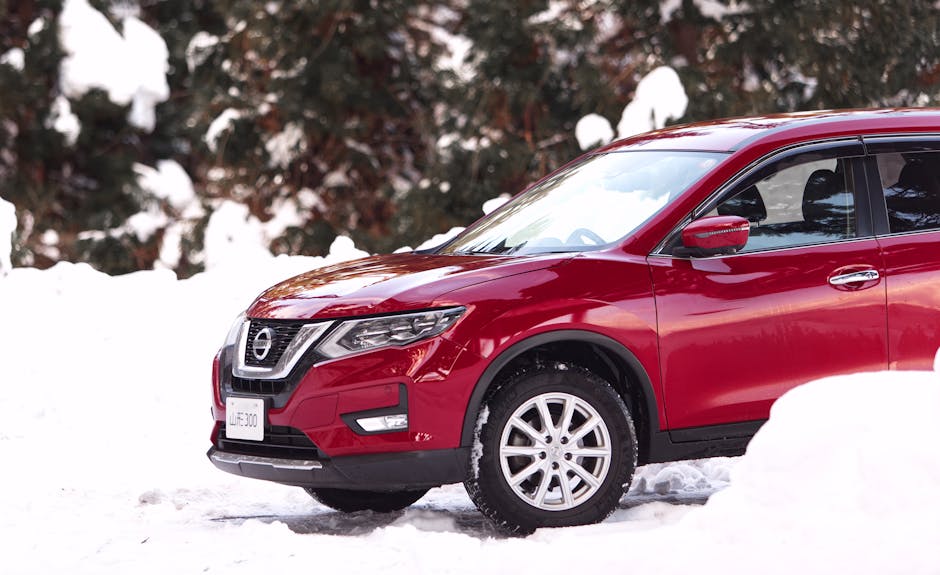
As Connecticut’s trusted, family-owned dealership and service center, Gates GMC Nissan strongly advocates for dedicated winter tires for all vehicles during the peak winter months. Our experienced team sees the dramatic reduction in accident risk and the improved control our customers gain when they make the switch—even for all-wheel-drive SUVs and trucks like the GMC Yukon or Nissan Rogue. Our recommendation is based on decades of experience, technical training, and direct feedback from drivers in North Windham and surrounding communities.
- Install winter tires in the fall before the first hard freeze for the best protection all season long.
- Swap back to all-season tires in the spring to prevent premature wear and boost fuel efficiency.
- Always service and rotate your tires as part of regular maintenance routines and inspections.
Best Practices for Tire Management in Connecticut Winters
- Buy a full set of four winter tires, never mixing types or brands across axles.
- Ensure correct tire pressure, as cold temperatures reduce PSI and affect handling.
- Check tread depth at the start of the season—replace before they fall below 6/32 inches.
- Rotate tires every 5,000–8,000 miles to maximize even wear.
- Schedule regular alignments, especially after hitting potholes or curbs hidden by snow.
- If choosing studded tires for extreme conditions, remember they are legal only from November 15 to April 30 in Connecticut.
- If in doubt, consult Gates GMC Nissan for an expert evaluation or to explore tire specials currently available.
Frequently Asked Questions (FAQ)
Are winter tires worth the investment for short city commutes in Connecticut?
Yes. Even short city trips become hazardous in freezing rain and snow. Winter tires dramatically improve your stopping power and stability, reducing accident risk.
Can I use winter tires all year round?
Not recommended. Winter tires are made from a soft compound that wears quickly in warm temps. Use them only during cold months, then swap for all-season or summer tires in spring.
What about all-weather tires instead of true winter tires?
All-weather tires offer better winter traction than regular all-seasons and can be a solution for drivers with tight storage. However, for typical Connecticut winters, dedicated winter tires still outperform in heavy snow and ice.
How do I know when to switch tires in CT?
Switch to winter tires when consistent temperatures drop below 45°F (usually late October–November) and back to all-seasons once temps remain above 45°F in spring.
Do all-wheel or four-wheel drive vehicles still need winter tires?
Yes. AWD systems help with acceleration, but do not provide braking or turning assistance on slippery roads. Winter tires are essential for safe stopping and cornering on ice or snow.
Can Gates GMC Nissan handle winter tire installation for any make or model?
Absolutely. Our certified technicians install and balance tires on nearly all makes and models—not only GMC and Nissan. We also offer regular tire specials for added savings.
Conclusion: Our Commitment to Your Winter Safety
For Connecticut drivers, especially those in North Windham and Tolland County, winter tires provide a tangible safety advantage through every snowstorm and ice event. At Gates GMC Nissan, our deep expertise and customer-first approach mean we are dedicated to helping you make the best choice for both your vehicle and your driving conditions. Our certified service team is available to answer your winter tire questions, conduct safety inspections, and provide year-round support for all your tire and maintenance needs.
Ready to make the safest choice for Connecticut winter? Book your tire service or inspection online, or call us at 860-455-4737 to speak directly with a Gates GMC Nissan tire specialist. We’re here to help you drive confidently all winter long.
Connect with us


