



There’s little quite as alarming as pressing your brake pedal on a frosty Connecticut morning and hearing a squeak—especially when your vehicle’s safety (and your peace of mind) depends on those brakes working properly. But as locals here in North Windham, we know winter brings its own set of challenges for brake systems. Some noise is perfectly normal, some is a red flag, and knowing the difference can save you money, hassle, and potential danger on the road. Our team at Gates GMC Nissan wants to go beyond the basics and explain, from a Connecticut perspective, what you can safely ignore and which brake squeaks mean it’s time to see the service lane.
Understanding Why Winter Means Louder Brakes in Connecticut
Connecticut winters are no joke. Our mix of snow, ice, and road salt is hard on vehicles—especially braking components. Knowing exactly why your brakes are noisier in winter will help you spot which sounds are fine and which are warning signs.
1. Overnight Rust: The “First-Few-Stops Squeal”
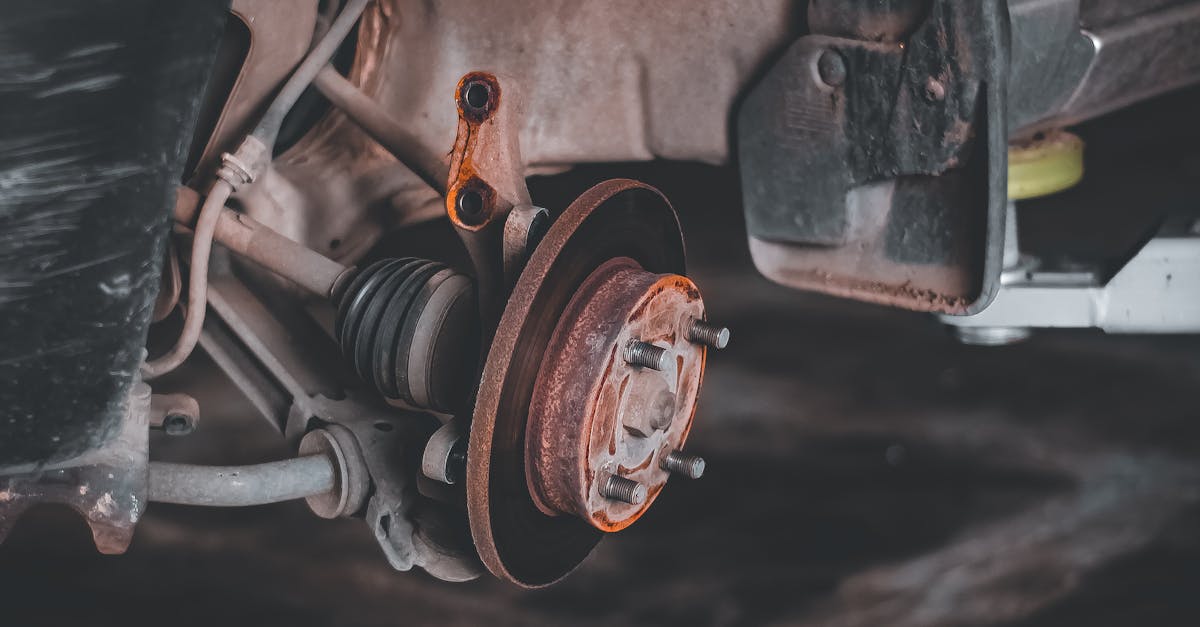
When you park your vehicle in freezing temperatures, moisture in the air condenses onto your brake rotors. By morning, a light layer of rust forms on the iron surface—especially after a humid night or a drive through melted snow and road salt. The first few times you brake, the pads scrape that rust off, creating a sharp squeal. This is absolutely normal for most vehicles and typically disappears after the brake system warms up from use.
2. Cold-Weather Pad Stiffness
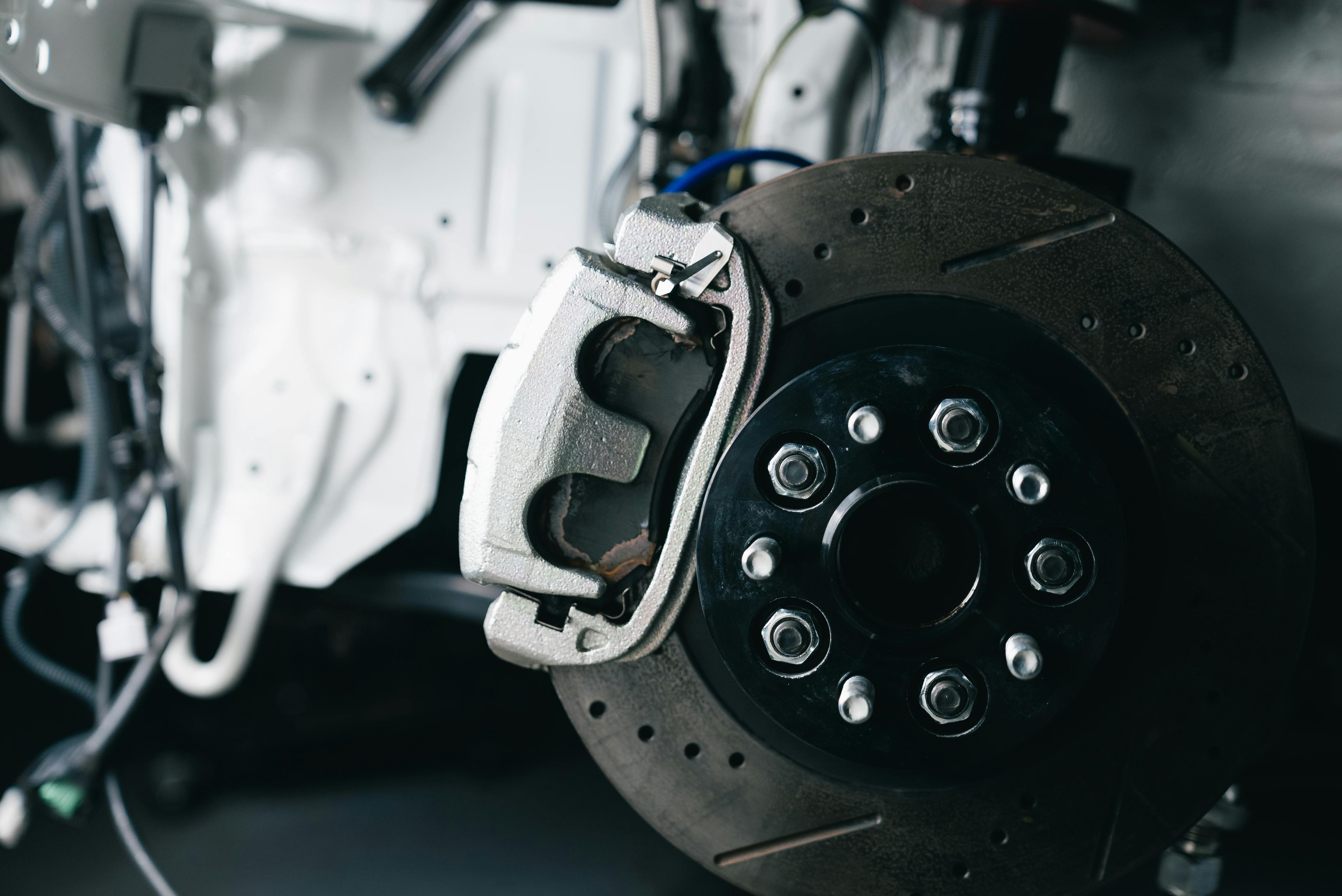
Brake pads, whether ceramic, semi-metallic, or organic, get stiffer as temperatures dip below freezing. Cold pads don’t grip or flex as well, which can mean more squeaking or squealing until the brakes heat up. This is common on all makes and models, including Nissan SUVs and GMC trucks, especially after your car’s been sitting overnight.
3. Road Salt and Debris Impact
Salt does more than melt ice—it accelerates rust and can break down rubber components, especially in the brake hardware. Small bits of debris can get lodged in the caliper, or moisture can freeze around moving parts, increasing the chance of squeaks or grinding sounds. A quick, thorough wheel wash can help minimize buildup and keep components moving freely.
4. Glazing from Light, Repeated Braking
On icy roads, we all tend to brake more gingerly and for longer periods. Over time, this can create glazed brake pads—a smooth, hardened surface that doesn’t grab the rotor well and definitely makes noise. Glazed pads not only squeak but can also slightly decrease your stopping power, making it smart to have them checked out if the noise doesn’t fade.
What’s Actually Normal—and What Means Trouble?
Let’s break down, in real-world terms, what you might hear and what you should do about it. We’ve seen it all at our North Windham service department, and here’s a straightforward guide:
| Noise Description | How Long Does it Last? | Normal? | Recommended Action |
|---|---|---|---|
| High-pitched squeal on the first few stops | Goes away after 2-5 stops or minutes of driving | Yes | No service needed unless noise sticks around after warming up |
| Persistent squeal or chirp all drive | Doesn’t go away, may get louder with use | No | Schedule a service inspection. Could be low pads or stuck hardware |
| Grinding sound | Constant while braking | Definitely not | See a technician immediately. This usually means metal-on-metal and risks rotor damage |
| Pulsing pedal, vibration, or soft feel | During braking, especially at higher speeds | No | Could indicate warped rotors or air in brake lines. Don’t delay service |
Local Factors That Make Winter Brakes Squeak More in North Windham
Connecticut’s climate is unique. Frosty evenings, surprise melt-offs, and generous helpings of road salt all mean more moisture—and more chances for brake noise. If you’ve driven a GMC Sierra through slush or a Nissan Rogue up a steep driveway, you know the combination of cold and salt can create a squeak-fest.
- If your car is parked outside: Expect more overnight rust and morning squeals, especially after wet snow or freezing rain.
- If you drive short distances: Your brake pads never fully warm, so minor noise can stick around longer.
- If you live down a gravel road: Stones can get jammed in your caliper, causing odd, persistent squeaks or even grinding.
How to Stop—Or At Least Reduce—Winter Brake Squeaks
Even here in Connecticut, there are a few steps to prevent or minimize brake noise all winter long. We recommend the following practical habits for our local drivers:
- Brake Gently for the First Mile: Treat your first mile like a warm-up lap. Soft, repeated stops will clear off rust and loosen up pads without causing glazing.
- Clean Your Wheels and Undercarriage: Rinse off salt, sand, and grime after storms. This keeps sensitive hardware moving and helps avoid buildup.
- Garage Parking Helps, But Isn’t Everything: While parking inside will reduce moisture, even garage-kept vehicles pick up road salt and dust.
- Schedule Seasonal Maintenance: Going in for a pre-winter or mid-winter checkup allows technicians to catch sticking calipers, check pad thickness, and lubricate hardware.
- Choose Quality Replacement Parts: If your vehicle needs brake work, opt for OEM parts and certified installation from a service center you trust. That extra layer of protection is especially important for New England’s climate.
When Should You Book Brake Service in North Windham?
This is where our local experience really matters. We advise booking a professional brake inspection if you notice:
- Squeaking or squealing that still happens after 5-10 minutes of normal driving
- Grinding or scraping noises that don’t stop
- The brake warning light comes on, or you notice a soft, pulsing pedal
- Unexplained loss of brake performance (takes longer to stop, pedal sinks)
In addition, regular maintenance is worth every penny. At Gates GMC Nissan, our GM Certified and Nissan-trained technicians know these Connecticut conditions inside and out. Every brake service includes a comprehensive multipoint inspection. We only use genuine OEM parts for GM and Nissan models, but we’re equipped to work on nearly all makes and models—whether you drive a new GMC Sierra, an older pre-owned sedan, or anything in between.
How to Prepare for Braking Success All Winter
If you’re proactive now, you can avoid the bulk of serious issues until spring:
- Book a brake inspection before the first nor’easter.
- Take advantage of brake service specials: Check out our service and parts specials for savings on brake pads, rotors, and more.
- Keep your owner’s manual handy: Maintenance intervals may vary by model. If you’re not sure, just ask our team—service is straightforward, transparent, and never pushy.
Connecticut-Specific Sentiments: Our Experience Serving Windham County
Since 1986, we’ve seen it all—from icy morning driveways to the aftereffects of winter salt. Our customers’ reviews regularly mention how our team catches minor issues before they become big expenses. We believe in honest recommendations and thorough diagnostics. If your brakes just need a cleaning or a little lube on the hardware, we’ll tell you. If it’s time for new pads or rotors, you’ll get a straightforward explanation—and no pressure.
For even more Connecticut vehicle wisdom, check out our guide on the essential winter car checklist and read up on why your check engine light can behave differently in winter.
Drive Safe, Stay Ready—And Visit North Windham’s Trusted Team if in Doubt
Connecticut winters will always test our vehicles, but a little attention to detail and knowing what’s normal can give you peace of mind. If your brake squeaks suddenly become more serious, don’t wait—schedule a service visit to keep your car (and family) safe. We’re always happy to help answer questions about your brakes, or help you find your next vehicle ready for New England conditions.
We take anything in trade—so if your winter-weary ride is ready for an upgrade, come by or connect with us at Gates GMC Nissan, North Windham, CT. We’re your neighbors, and we’re here to help keep your vehicle safe, reliable, and ready for whatever winter (or spring, or summer) brings.
Connect with us


