



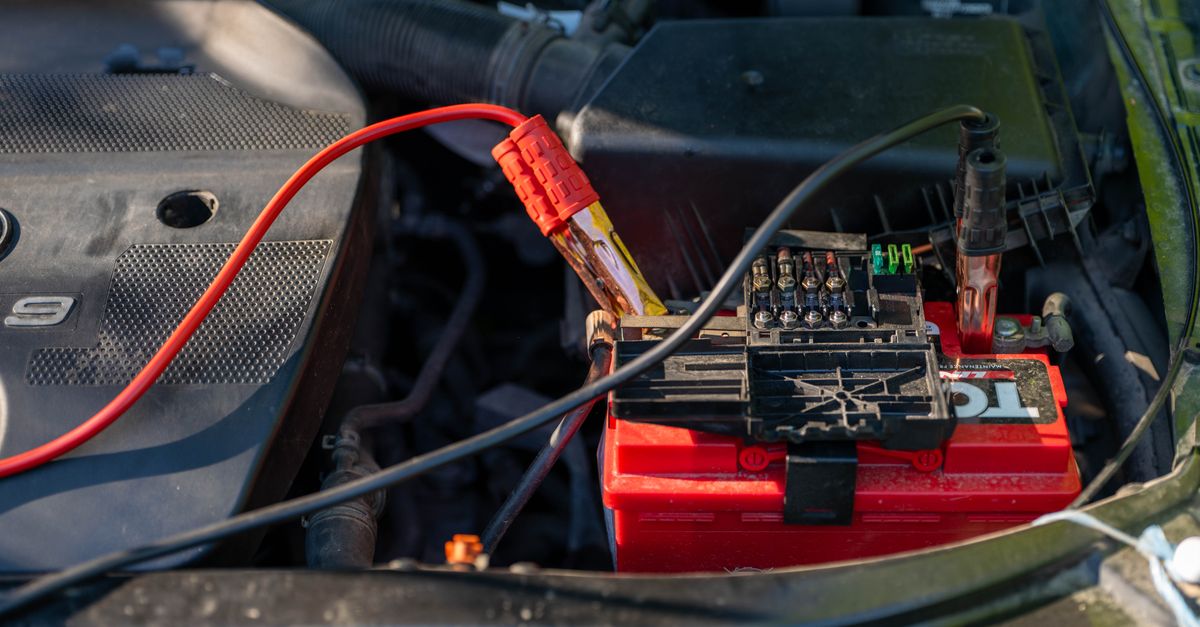
Sizzling summer temperatures do more than make your cabin uncomfortable—they quietly break down your car’s battery from the inside out, frequently causing sudden failures just when you expect smooth summer road trips. According to industry data and our direct experience at Gates GMC Nissan in North Windham, CT, hot weather is the primary reason car batteries die prematurely in Connecticut and throughout the U.S. Car owners often expect winter to be hard on batteries, but heat is the real danger, sometimes cutting battery life by half. Understanding how and why this happens allows you to spot trouble before you end up stranded at a park, campground, or grocery store in the middle of July.
Why Hot Weather Kills Car Batteries
Car batteries operate through a series of chemical reactions that generate and store electricity. When summer heat hits, multiple factors work together to accelerate battery wear, damage essential internal structures, and reduce reliability. Here’s what you need to know:
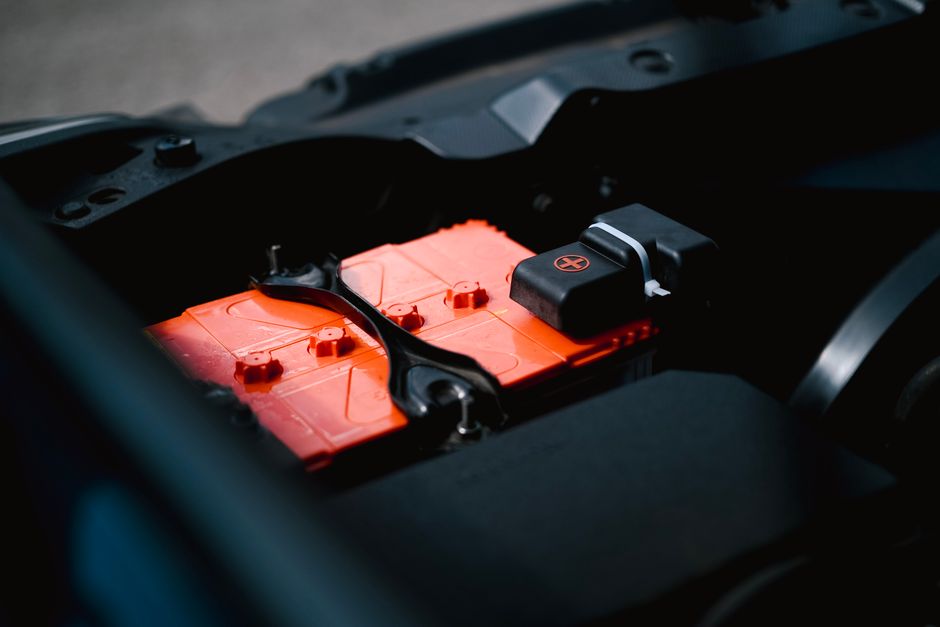
Electrolyte Evaporation and Fluid Loss
Your battery contains an electrolyte solution of water and sulfuric acid. High under-hood temperatures, which can exceed 140°F even when the outside air is only 90°F, lead to the evaporation of water in the electrolyte. As fluid levels drop, the internal lead plates lose contact with the solution, causing them to dry out and degrade. The battery’s ability to hold a charge and generate current falls sharply from this point, resulting in hard or no starts by midsummer for many drivers.
Corrosion, Sulfation, and Internal Damage
The extreme heat does more than evaporate liquid. It speeds up destructive chemical reactions:
- Corrosion: Metal grids and plates inside the battery corrode at a faster pace when temperatures rise.
- Sulfation: Heat accelerates crystallization of lead sulfate on the plates, making it harder for batteries to hold a full charge over time.
Both processes permanently reduce available cranking power and can trigger internal shorts—common reasons for unexpected failures during Connecticut’s warmest months.
Overcharging and Increased Electrical Load
Modern vehicles rely on alternators and regulators to control charging voltage, but these components sometimes struggle to adjust in hot weather. Some systems end up overcharging a heat-stressed battery, raising internal temperatures even more and causing the battery case to swell or warp. At the same time, increased use of air conditioning, infotainment, and mobile chargers in summer puts a heavier demand on the electrical system, further weakening a marginal battery.
Warning Signs Your Battery Is Failing in the Heat
Most batteries do not fail without warning. Watch for these clear signs that your car’s battery may be near the end of its life, especially as temperatures climb:

- Slow or Struggling Engine Crank: A noticeable delay or dragging sound when starting the engine, especially after the car’s been parked in direct sun, signals less available power.
- Clicks or No Sound Upon Start: Rapid clicks or a single click when turning the key, or no response at all, often means the battery can’t supply enough voltage for the starter.
- Dim Headlights and Weak Accessories: Flickering lights, slow-moving power windows, or sluggish infotainment system performance at idle are additional red flags.
- Swollen Battery Case: If the battery’s sides balloon or the case looks warped, stop driving and have the battery inspected or replaced immediately—this is often a result of overheating or overcharging.
- Rotten Egg Odor: A sulfurous smell signals the battery could be leaking or decomposing internally—acting quickly is essential.
- Visible Corrosion on Terminals: Blue, white, or green powder on or around the battery posts can create electrical resistance, making starting difficult and reducing overall system life.
- Batteries Dying Sooner Than Expected: In New England climates, many batteries that might last 4–5 years elsewhere can fail in just 2–3 years due to heat. If yours is more than 3 years old and showing any of these symptoms, proactive replacement before summer peaks is a smart move.
How to Protect and Extend Battery Life When It’s Hot
There are concrete steps you can take to reduce the risk of battery failure during heatwaves in Connecticut:
Drive Regularly and Long Enough
Batteries need to be recharged by the alternator during normal drives. Short, infrequent trips prevent full recharging, which is doubly damaging in hot weather. Aim for drives of at least 20 minutes to allow the alternator to restore battery voltage. If your car will sit for days at a time, consider a smart battery maintainer.
Park in Shade or Indoors
Shaded parking areas, garages, and even windshield sunshades help keep under-hood and cabin temperatures down, reducing stress on your battery and electronics.
Avoid Using Accessories With the Engine Off
Infotainment, interior lighting, and charging devices while the engine is off depletes battery charge quickly. In summer, when batteries are already stressed, avoid this as much as possible.
Keep Terminals Clean and Free of Corrosion
Periodic cleaning of the battery posts helps maintain strong electrical connections and prevents voltage drops. Our certified technicians at Gates GMC Nissan include this service as part of standard maintenance.
Request Battery Health Checks Annually
Professional diagnostic tools can quickly determine:
- Current voltage and charge state
- Cold cranking amps (CCA) compared to the battery’s original specification
- Internal resistance and overall health
An annual battery test, especially before summer, gives you peace of mind and reduces the chance of an untimely failure.
Batteries and Modern Vehicle Demands: Expert Solutions from Gates GMC Nissan
Our experienced GM- and Nissan-certified service technicians see a dramatic rise in battery-related service requests every summer. We are equipped to test, diagnose, and replace weak or failed batteries for nearly all makes and models—not only for the vehicles we sell (GMC and Nissan), but for the wide range of pre-owned brands we service. Our OEM and quality aftermarket batteries ensure fit, function, and longevity.
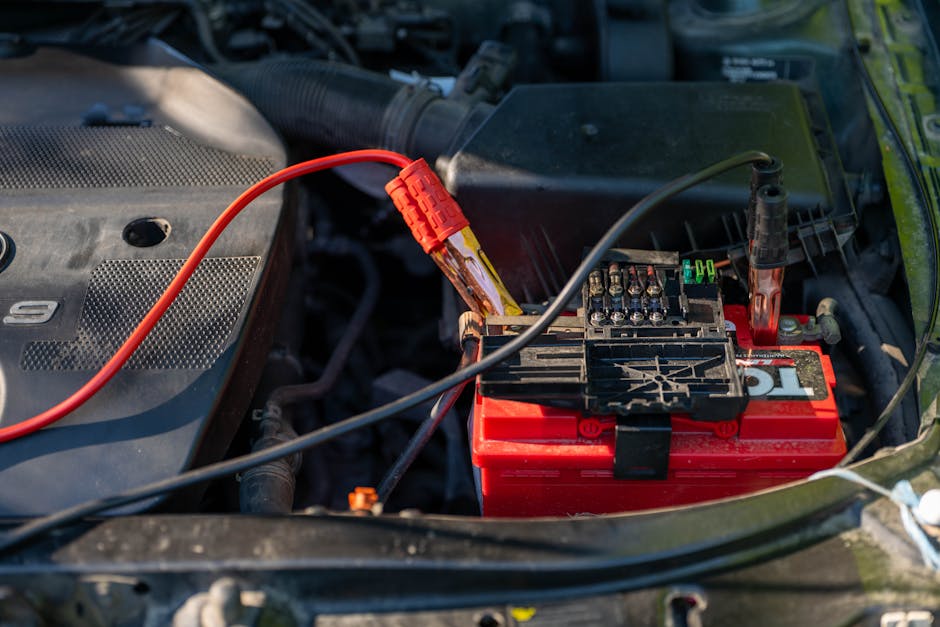
Our Services Include:
- Battery Testing and Diagnostics with every scheduled service or upon request
- OEM and High-Quality Replacement Batteries specified for your vehicle
- Terminal Inspection and Cleaning to prevent starting issues
- Charging System Evaluation to ensure your alternator and voltage regulator are working optimally
We also guide customers through battery maintenance for new vehicles equipped with advanced tech—like OnStar or GM Rewards programs—and help explain how these features influence electrical demands and battery requirements. If you’re considering a transition to a new or pre-owned model, we’re equipped to evaluate your current vehicle’s battery health and discuss trade options, financing, and special offers as part of a stress-free upgrade experience.
When to Replace Your Battery
Our professional recommendation: Don’t wait until the battery leaves you stranded. A battery should be replaced when:
- It’s more than three years old in a region with hot summers
- You’ve experienced slow or difficult starts more than once per week
- Electrical accessories are consistently weak or unreliable
- There’s visible swelling, leaks, odor, or severe corrosion around the battery
- A battery health check shows a major drop in cold cranking amps or high internal resistance
Proactive replacement is cost-effective and prevents breakdowns that can lead to additional towing and repair costs—or worse, lost time and inconvenience.
Best Practices for Hot Weather Battery Maintenance
- Include a battery test as part of your annual vehicle maintenance, especially before summer.
- Ask service advisors about OEM battery recommendations for vehicles with lots of tech features or used in extreme climates.
- Replace older batteries proactively—especially if you plan to rely on your car for summer travel, daily commuting, or longer trips.
- For comprehensive maintenance guidance, see our related guides on what to check before a summer road trip and choosing the right battery for New England winters.
FAQ: Car Batteries and Hot Weather
Why does my battery die faster in the summer?
High temperatures accelerate chemical reactions that cause internal corrosion and fluid loss, cutting battery life by half or more compared to operation in moderate climates. Increased use of air conditioning and electronics adds extra strain.
What are the earliest warning signs of battery failure in hot weather?
Slow engine cranking, dim headlights, and a swollen battery case are early warnings. If you notice a rotten egg odor or severe corrosion at the terminals, immediate attention is required.
Is jump starting a weak summer battery safe?
Jump starting may get you moving, but repeated jump starts are a sign your battery needs replacement, not another recharge. Overheating can make batteries dangerous to handle, so have a professional check it as soon as possible.
How long should a car battery last in New England?
Many batteries last 4–5 years in optimal conditions. In hot, humid climates or under heavy electrical demands, 2–3 years is more realistic.
What if my new vehicle has advanced tech (ADAS, OnStar, etc.)?
Vehicles with lots of electronic features depend heavily on healthy batteries. OEM replacements with the correct specifications are recommended—our service team can match your vehicle and usage needs.
Where can I get my battery checked or replaced?
Our certified staff at Gates GMC Nissan offers battery tests, cleaning, and OEM replacements for nearly every make and model. Schedule a visit to prevent unexpected breakdowns during peak summer heat.
Conclusion
Summer heat shortens battery life far more than most drivers expect, but a proactive approach can help you avoid inconvenient breakdowns. Recognizing the warning signs—slow starts, swelling, corrosion, and odd odors—enables early intervention and keeps your summer plans on track. At Gates GMC Nissan, we combine expert diagnostics with high-quality battery replacements, supporting drivers across North Windham, Norwich, and Mansfield. If you suspect your battery is nearing the end of its life, contact us today for professional inspection or replacement. With proper care, your car will be ready for Connecticut’s next hot streak and the colder months that follow.
Connect with us


