


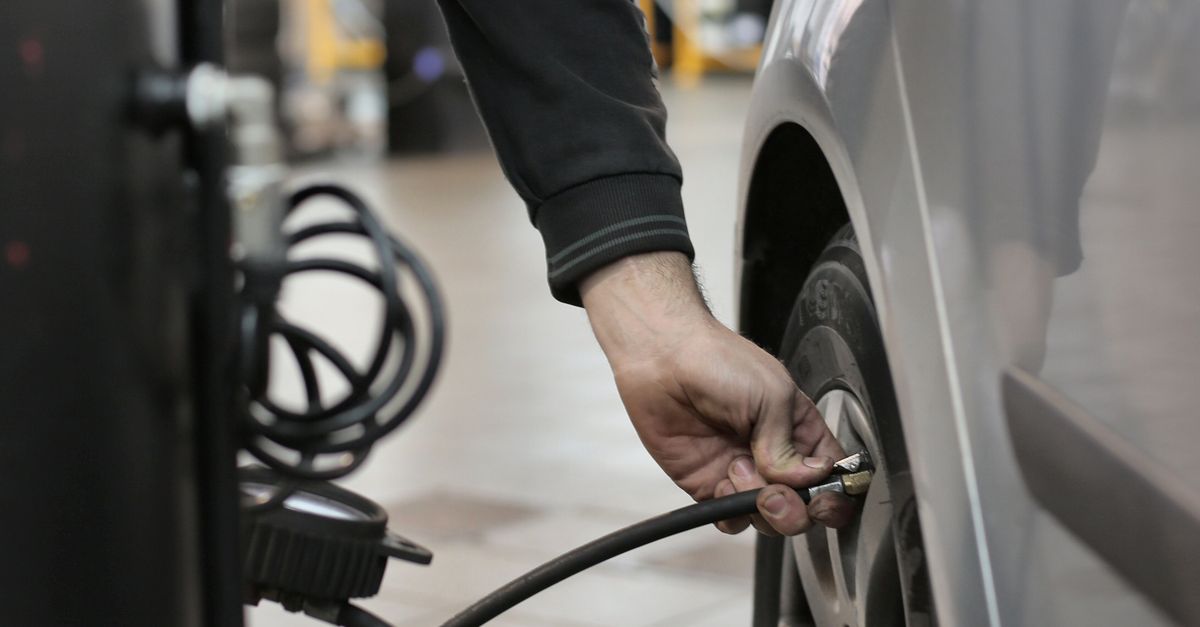
If you have ever turned on your car during the height of summer, only to see your tire pressure light shining unexpectedly, you are not alone. Even though most drivers expect these alerts more often in winter, tire pressure issues are just as likely—if not more so—in high heat. This is a frequent question at Gates GMC Nissan, where our team routinely helps local Connecticut drivers understand and resolve summer tire issues. In this blog, we will clarify why summer heat causes your tire pressure light to come on, break down the risks, and explain exactly what to do when it happens.
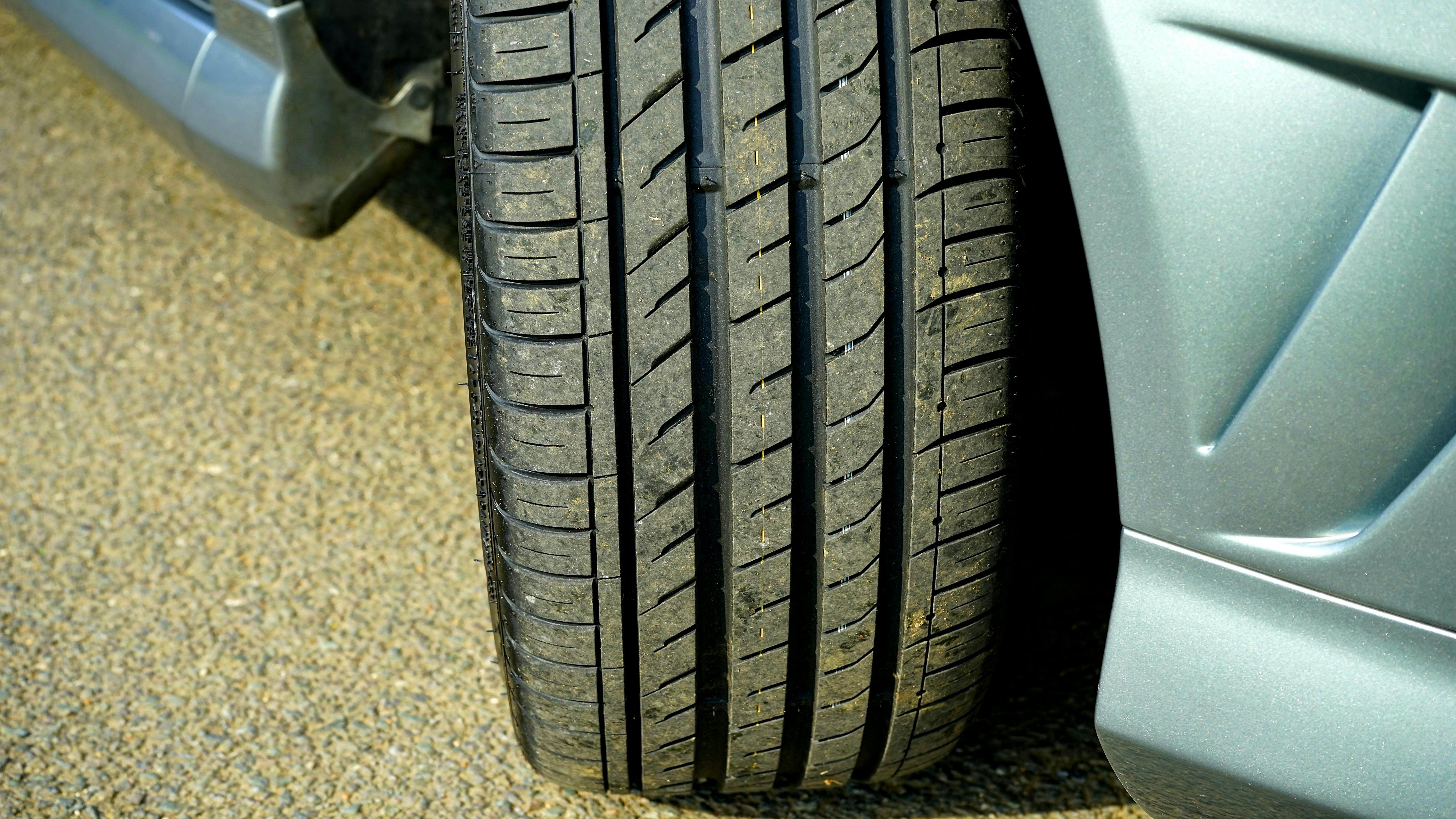
Understanding Tire Pressure Changes in Summer Heat
Tire pressure is directly affected by temperature due to fundamental physics. As temperatures rise, the air inside your tires expands, causing the pressure to increase. For every 10 degrees Fahrenheit change in temperature, your tire pressure can change by approximately 1 PSI. So, if your tires are set to 32 PSI on a 70°F morning, a 30-degree jump to 100°F can push your pressure to 35 PSI or higher by afternoon, especially after highway driving.
Modern vehicles, including those from GMC and Nissan, are equipped with a Tire Pressure Monitoring System (TPMS) that alerts you whenever your tire pressure moves outside the safe range—often about 25 percent above or below the manufacturer’s recommended value. The recommended PSI can be found on the sticker inside your door jamb or in your owner’s manual.
Why Does My Tire Pressure Light Come On in Summer?
There are several scenarios where summer heat leads to a tire warning light:
- Rising ambient temperatures cause an increase in tire pressure—possibly pushing it into the overinflation zone.
- Filling tires in cool mornings: If you set your tire pressure early in the day and then drive later when temperatures soar, the combination of heated air and pavement friction can temporarily raise the pressure by 5 PSI or more.
- Slow leaks masked by heat: A barely-noticeable loss of air may be hidden in the afternoon but becomes obvious (and triggers the light) after the tires cool overnight.
- Big day-night temperature swings: Connecticut’s summer days often swing by 20–30°F, leading to TPMS warnings that seem to show up randomly depending on the hour.
- TPMS sensor issues: Battery-powered sensors may falter or trigger warning lights due to heat stress or age, creating an alert even when tires are properly inflated.
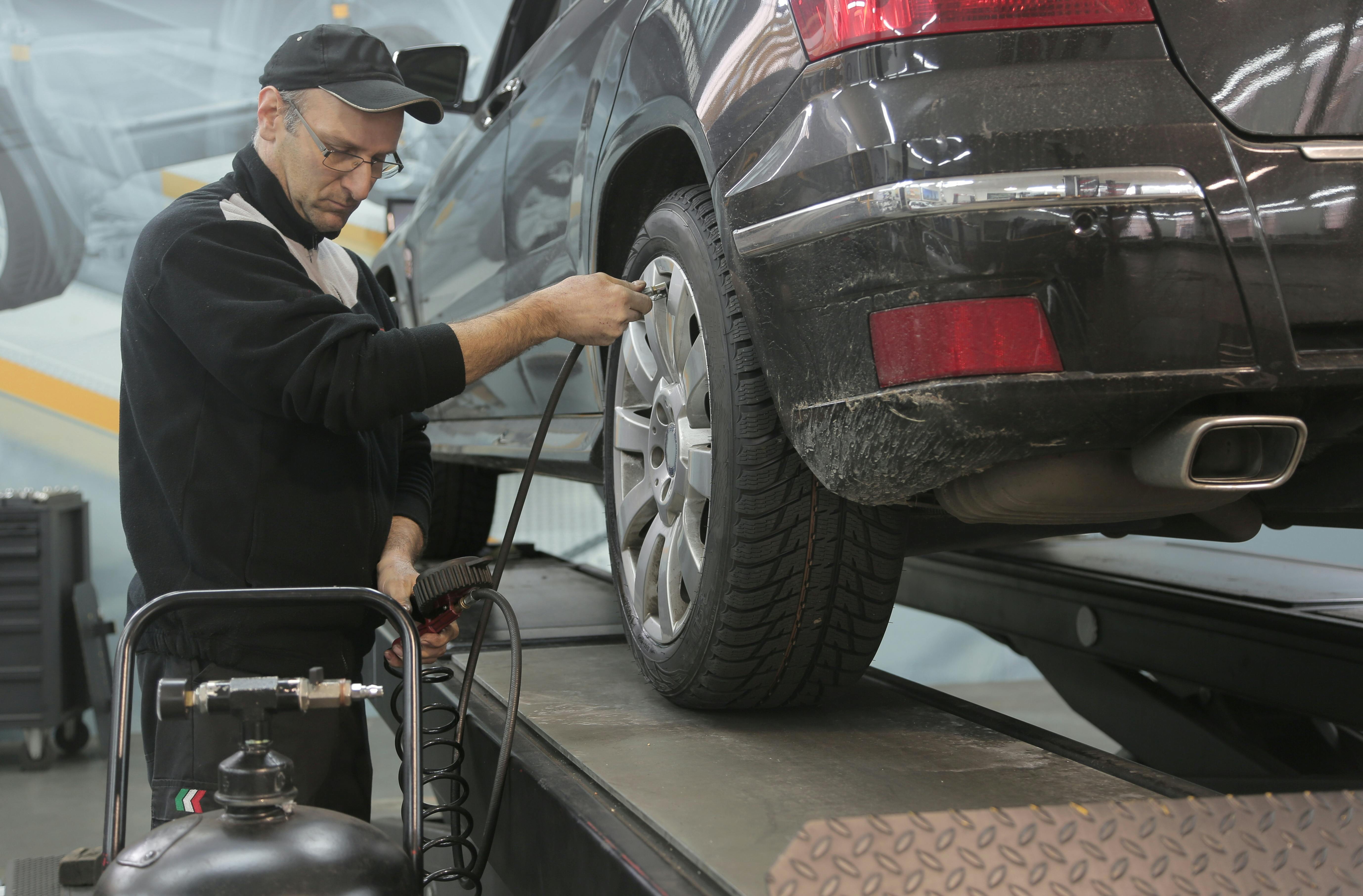
Technical Definition: What Is TPMS, and How Does It Work?
TPMS (Tire Pressure Monitoring System) is an electronic system that continuously measures the air pressure inside each tire. The system instantly alerts you using a dashboard light if your tire pressure falls outside of the safe operating parameters. On most vehicles, a warning will appear if the pressure is 25 percent higher or lower than the manufacturer’s recommendation.
Potential Dangers of Incorrect Tire Pressure in Summer
Ignoring tire pressure warnings during summer can put you at risk for:
- Blowouts, especially on overinflated or underinflated tires which are more prone to fail in heat.
- Uneven and accelerated tire wear, which shortens tire life and affects safety.
- Longer braking distances, as incorrect pressure reduces the tire’s traction on hot pavement.
- Poor fuel economy, since underinflated tires increase rolling resistance.
If you would like more information about how tire issues can cause uneven tread, check out our detailed blog: Why Your Tires Are Wearing Unevenly After Winter and What Connecticut Drivers Should Do Next.
What To Do When Your Tire Pressure Light Comes On
When your TPMS light turns on in hot weather, follow these steps:
- Stay calm and avoid sudden maneuvers. Pull over if the vehicle feels unstable, vibrates, or pulls to one side.
- Let the tires cool before checking pressure. Heat from driving raises pressure readings—wait at least 20–30 minutes after parking whenever possible.
- Use a quality tire pressure gauge. Measure all four (and the spare if applicable), then compare each number to the value posted in your driver’s door.
- Adjust pressure to manufacturer specs. Add air if below spec, bleed off small bursts if above (only after cooling). Avoid driving on a tire more than 3–4 PSI under rated value.
- If anything seems unclear or you identify persistent losses or sensor errors, visit a professional. At Gates GMC Nissan, our technicians quickly diagnose TPMS sensor issues, leaks, or damage and recommend the safest solution for your vehicle and lane conditions.
Preventing Summer Tire Pressure Problems
It is far easier to prevent tire light issues than to react to them on the roadside. We recommend the following best practices for all drivers:
- Perform a tire pressure check at least monthly during summer. Always check first thing in the morning for an accurate reading.
- Do not overfill “just for safety.” Overfilling on a mild day, then driving in summer heat, can easily push you above the intended limit and increase blowout risks.
- Whenever possible, park in the shade or in a garage. Direct sunlight heats tires and wheels even further.
- Incorporate tire checks into your regular summer maintenance. In addition to oil and coolant checks, regular tire inspections make summer travel safer and smoother.
Why Summer Tire Pressure Issues Are Especially Relevant in Eastern Connecticut
Connecticut’s combination of summer humidity, fluctuating temperatures, and rough secondary roads puts extra stress on tires. Local highways like I-395 and Route 6, plus patchy rural pavement, create additional risks for improperly inflated tires—especially in conjunction with potholes, extended roadwork, or extended trips while towing.
At Gates GMC Nissan, serving North Windham since 1986, we have seen firsthand how these conditions lead to the summer tire problems that our community faces. Addressing these issues quickly helps everyone avoid costly repairs and unsafe breakdowns.
How Gates GMC Nissan Can Help
You do not have to handle hot tires and pressure gauges on your own. Bring your vehicle to Gates GMC Nissan for:
- Complimentary tire checks with any service visit
- Inspection and adjustment to manufacturer specs
- Diagnosis of TPMS warnings and sensor replacement if needed
- Puncture and rim damage repairs (when safely possible)
- Selection and installation of OEM tires and sensors for GMC and Nissan vehicles
- Access to our service & parts specials that often include savings on tires, brakes, and more
Our technicians are trained to work on almost all makes and models, not just those from GMC or Nissan. You can call us or drop in for a quick check at 143 Boston Post Road, North Windham, CT.
Best Practices Checklist for Summer Tire Care
- Check pressure monthly—always when tires are cold
- Refer to the door sticker for pressure targets (not the tire sidewall number)
- Avoid topping up over recommended pressure even for long drives
- Look for steady drops—1–2 PSI per week may indicate a slow leak
- Include tires in your regular seasonal safety checks before summer road trips (see our related post: Before a Summer Road Trip, Check These 7 Things on Your Car)
- Ask a certified shop to inspect sensors, valves, and tire condition during summer maintenance
FAQ: Summer Tire Pressure Light
How much does tire pressure increase in hot weather?
For every 10°F increase in temperature, tire pressure rises by about 1 PSI. On a hot pavement, especially after highway driving, this can add up to a 5–6 PSI surge compared to your early morning reading.
Should I inflate my tires above the doorjamb sticker for summer?
No, you should stick to the manufacturer’s recommended cold pressure (found on your door sticker). Overinflating for summer actually increases the risk of blowouts on hot days.
Why does my tire light come on some days and not others?
Big daily temperature swings in Connecticut can cause pressure to fluctuate by several PSI, occasionally crossing the TPMS alert threshold. This is especially true for tires near the limit.
Can the TPMS light mean my tires are overinflated?
Some vehicles will alert for both under and overinflation, but many only warn about low pressure. Even if the light doesn’t come on, overinflation from heat is still a concern for tire safety.
How do I know if the warning is due to a slow leak?
If the tire light illuminates after the car has been parked overnight or appears first thing in the morning, it’s likely that one tire has a slow leak masked by afternoon heat. Measure all tires cold, and bring your vehicle in if any are consistently low compared to the others.
Does Gates GMC Nissan work on other makes and models?
Yes. Our certified technicians handle GMC, Nissan, and nearly all makes and models brought to our North Windham location.
Key Takeaways
- Summer heat causes tire pressure to rise and can trigger TPMS lights due to over or underinflation.
- Every 10°F temperature increase yields about 1 PSI of extra pressure.
- Check tires cold, follow the manufacturer’s recommended PSI, and avoid intentional over- or underinflation.
- If unsure, seek a professional inspection to avoid heat-related blowouts or safety risks.
- Connecticut’s climate and roads demand proactive tire care—helping you avoid the most common summer travel headaches.
For help diagnosing a persistent TPMS light, fixing tire issues, or preparing your car for summer travel, reach out to Gates GMC Nissan. Our local service team makes it easy to stay safe and comfortable on every New England road this season.
Connect with us


