



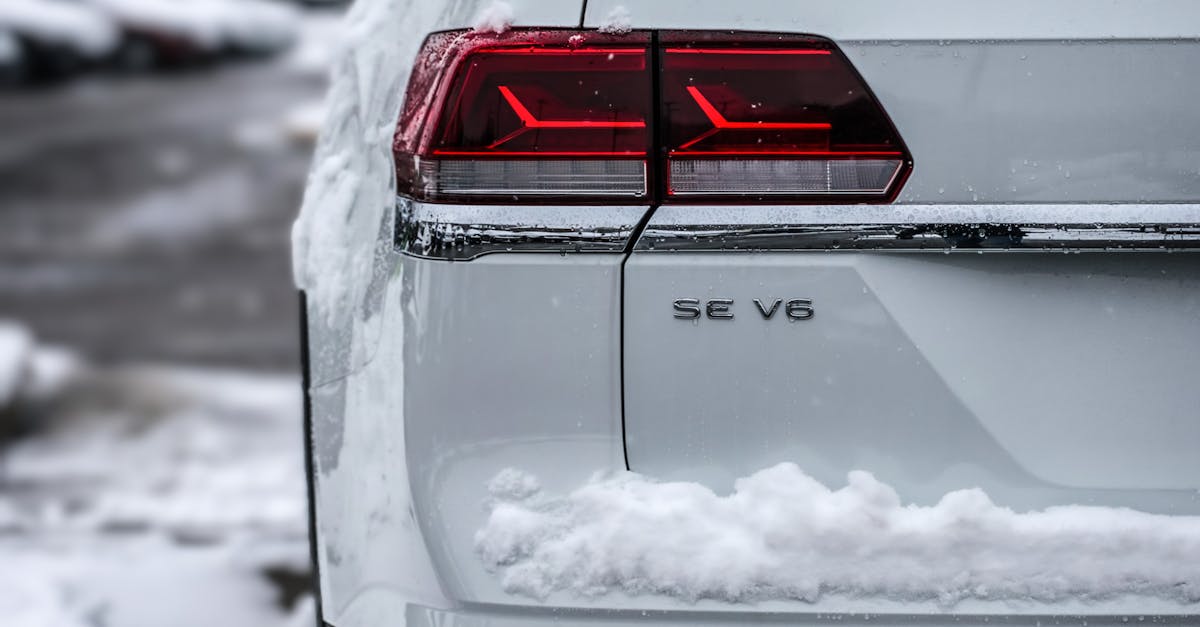
Connecticut winter is tough on cars and their owners. As a family-owned dealership serving North Windham and the surrounding area for decades, we’ve seen firsthand just how unpredictable a New England winter can be—and how a little preparation makes a big difference. Here’s our in-depth, personal checklist for getting your car winter-ready, focused on battery, tires, brakes, and heat, plus a few essentials to keep you safe and comfortable on the roads when the snow starts falling.
Why Connecticut Winters Demand Car Preparation
From early deep freezes in December to surprise storms in March, Connecticut drivers are tested every season. Slippery roads, fluctuating temperatures, and heavy doses of road salt can quickly expose weaknesses in your vehicle’s systems. Failing to prepare puts you at higher risk for inconvenient breakdowns, expensive repairs, and dangerous situations. We put this guide together so you can drive into winter knowing your car is truly ready.
Battery: Avoid Getting Stranded on a Freezing Morning
Cold temperatures are especially hard on car batteries. Power output drops sharply in freezing weather, and any weakness may mean you won’t start in the morning. At Gates GMC Nissan, we always check:
- Battery age and charge: If your battery is 4 or more years old, have it tested. Slow cranking or dim lights are red flags.
- Terminals and cables: We clean off any corrosion (the white or blue powder) to ensure a solid connection.
- Signs of swelling or leakage: These mean it’s time to replace, not wait and risk trouble.
Many drivers don’t know you can get a quick, professional battery check with our certified technicians—often at no cost during service. If in doubt, reach out to our service team at 860-455-4737 before the temperature really drops.
Tires: Your Only Grip on Snow and Ice
If you’ve experienced a Connecticut winter, you know that tire condition and type can make or break your commute. When roads are icy or covered with slush, you need:
- Tread depth: Worn tires lose traction fast. Do the penny test with Lincoln’s head down in the groove—if you can see the top of his head, you need new tires.
- Proper pressure: Tire pressure drops roughly 1 PSI for every 10 degree temperature drop. We recommend you check every week in winter.
- Winter tire benefits: Winter tires stay flexible in the cold, keeping you gripped to the road. Look for the three-peak mountain snowflake symbol for winter-rated models.
If you need new tires, make sure to ask about our Tire Price Match Guarantee: we will match or refund the difference on any eligible local price within 30 days. It’s our way of making sure your family’s safety comes first.

Brakes: Dependable Stopping Even on the Slickest Roads
We believe brakes matter even more in winter. Ice and snow can easily double your stopping distance. Here’s where to focus:
- Brake pad thickness: Thin pads are a risk—let us check the precise depth for you.
- Rotors and hardware: Corrosion or warping (often from salt exposure) will weaken brakes when you need them most.
- Brake fluid: Old or contaminated fluid can freeze or compromise your system. Ask us to check for moisture and top off with the right specification for your model.
- Unusual sounds: Any squealing or grinding means it’s time for immediate attention—not worth risking your safety.
We work on all makes and models, and our current service specials can help you save on necessary repairs. You can always call 860-455-4737 to book a check.
Heat & Defrost: Visibility and Comfort are Safety Issues
Staying comfortable is important, but in winter, it’s really about safety. You need a properly working heater and fast windshield defrosting. Our prep checklist includes:
- Testing the heater and defroster on all settings
- Checking coolant level (when the engine’s cool)
- Inspecting hoses and clamps for leaks or looseness
- Confirming your coolant’s antifreeze mix is correct (usually 50/50)
If your heater’s blowing cold or your windshield takes too long to clear, don’t wait. Delays and fogging can be more dangerous than you think during a winter morning rush. Our technicians handle these checks all the time, so you can keep your attention where it belongs—on the road.
Don’t Forget: Wipers, Washer Fluid, and Lights
Low visibility causes countless winter accidents. We recommend:
- Switching to winter-grade wiper blades
- Keeping your washer fluid topped off with a freeze-resistant formula
- Walking around your car at dusk to check that every light and bulb is working
It seems basic, but dirty windshields and burnt out lights become a real hazard in snow and sleet.
Salt, Rust, & Undercarriage Prep: The Hidden Winter Threat
While most drivers think about tires and heat, seasoned Connecticut natives know that road salt needs attention too. Paint chips, rust spots, and corrosion all accelerate in winter. Our recommendations are:
- Washing your car (especially the undercarriage) every two to three weeks, more if driving on heavily salted roads
- Applying a fresh coat of protective wax before the season starts
- Checking and cleaning wheel arches and metal components often
This is the best long-term defense for preserving your vehicle’s value—and catching problems before they turn into expensive headaches.
Fluids: The Lifeblood of Your Winter-Ready Vehicle
Winter is the time for a tune-up if you’ve been putting it off. Make sure these fluids are checked and filled to specification:
- Engine oil: Consider oil with lower viscosity for easier cold starts
- Coolant/antifreeze: Test for the correct freeze protection
- Brake fluid: Must be clean and at the right level
- Power steering and transmission fluids: Not always at the top of mind, but crucial as weather gets colder
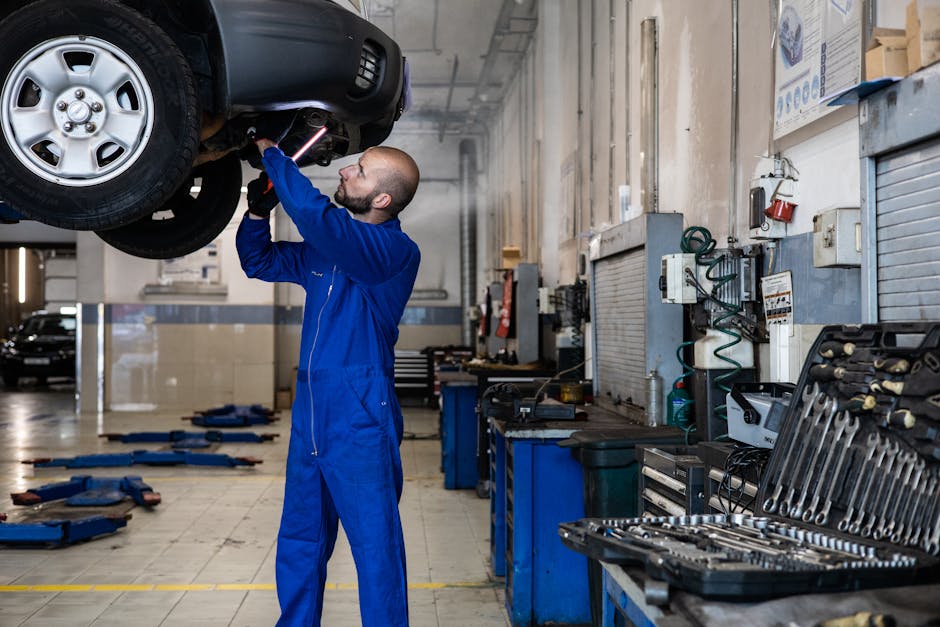
A comprehensive multi-point inspection by our professional team can handle all of these quickly and efficiently.
Emergency Winter Kit: Don’t Leave the Driveway Without It
Even the best-maintained vehicle can run into trouble during a storm or power outage. We keep winter kits in our own vehicles and recommend all drivers include:
- Small shovel
- Bag of sand, salt, or cat litter for traction
- Blanket and extra warm clothes
- Jumper cables or portable battery charger
- Ice scraper and snow brush
- Flashlight and extra batteries
- First aid kit, some snacks, and a bottle of water
- Warning triangles or flares for emergencies
- Keep your fuel tank at least half full to avoid fuel line freeze-up
Winter Driving Tips Beyond the Checklist
Preparation is step one, but safe winter driving is a skill unto itself. We encourage everyone to:
- Drive more slowly and increase following distance
- Clear all snow and ice from your car before driving (roof, lights, windows—everything)
- If you experience a skid, steer in the direction you want the car to go, and avoid slamming the brakes
- Never use cruise control on slippery roads
- Stay aware and alert. If you feel uncomfortable, delay your travel if possible
For more ideas, check our guide for Connecticut car buyers, where we touch on local driving realities in all seasons.
Let’s Get Your Car Ready—From Our Family to Yours
We understand New England winters here at Gates GMC Nissan—our team has adapted to Connecticut’s seasons for generations. If you have any concerns, questions, or want our certified techs to check your vehicle for cold weather, reach out to us. You can browse all of our new and used inventory if you realize your current vehicle won’t do the job for you this winter.
To save on service and maintenance, visit our GMC Service & Parts Specials page—this includes great deals on brake inspections, batteries, and the tire price match guarantee. If you’re ready to schedule, simply call our service department at 860-455-4737, or schedule online here.
Thank you for trusting our family with your vehicle—here’s to a safe and confident winter driving season for you and yours!
Connect with us


