


Blog

downloaded-image

2026 GMC Terrain vs 2026 Nissan Rogue: Which Compact SUV Fits a Connecticut Winter Commute?

Connecticut winters bring a unique blend of cold, unpredictable weather and demanding road conditions. When it comes to choosing a compact SUV that can handle daily winter commutes across North Windham, Mansfield, or Norwich, both the 2026 GMC Terrain and the 2026 Nissan Rogue come equipped with modern all-wheel drive (AWD) and essential safety technology. However, for many Connecticut drivers seeking confidence in slush, icy hills, and snow-packed roads, the 2026 GMC Terrain stands out for its advanced snow-focused features, comfortable interior space, and comprehensive safety technology—all of which are available at Gates GMC Nissan, the region’s trusted dealership for both GMC and Nissan vehicles. Whether your priority is superior snow traction, advanced driver aids for unpredictable New England weather, or simply cabin comfort to stay warm through winter storms, the GMC Terrain offers a compelling package. While the Nissan Rogue has its own strengths, the Terrain’s dedicated winter-ready features and convenience options make it an expert-recommended choice for daily Connecticut commutes. Throughout this guide, we’ll detail the differences, explain key features, and share why Gates GMC Nissan is uniquely positioned to help you make the right decision for your next winter SUV. Definition: What Makes a Compact SUV Winter-Ready in Connecticut? For Connecticut drivers, a winter-ready compact SUV is defined by several core qualities: All-Wheel Drive (AWD): Instantly divides power between wheels to maintain traction on ice and snow. Advanced Safety Technology: Features like automatic emergency braking, adaptive cruise control, Lane Keep Assist, and Blind Zone Alert support safer winter driving. Comfortable and Spacious Cabin: Extra headroom and legroom for layering up, plus ample cargo space for winter gear. Heated Features & Remote Start: Essential for pre-warming the cabin and keeping hands and seats cozy. High-Visibility Lighting: LEDs and automatic high beams help drivers see through storms and during early nightfall. At Gates GMC Nissan, we focus on these elements when recommending an SUV for winter commutes. Direct Comparison: 2026 GMC Terrain vs 2026 Nissan Rogue To help you decide which SUV fits a harsh Connecticut winter commute, we’ve compiled a head-to-head comparison, prioritizing AWD capability, interior comfort, essential safety, and convenience. Feature 2026 GMC Terrain 2026 Nissan Rogue AWD System Available across all trims with drive modes for snow/ice Available with intelligent AWD Standard Safety Features 16+ features incl. HD rear camera, Adaptive Cruise, Lane Keep Comprehensive Nissan Safety Shield suite Infotainment Display 15-inch GMC Infotainment, 11-inch driver display w/ Google built-in Up to 12-inch touchscreen Cargo Volume (Max) 63.5 cu ft 74.1 cu ft Torque (AWD) 203 lb-ft Lower in some trims/configs Front Legroom 44 inches 41.5 inches Heated Features & Remote Start Available/standard selectable by trim Available/standard selectable by trim Unique Features Available Denali luxury trim, panoramic sunroof, hands-free liftgate Divide-n-Hide cargo; driver alert monitor Step-by-Step: How Gates GMC Nissan Recommends Evaluating Your Winter SUV Choice Assess Winter Drive Frequency: Do you commute daily or occasionally through rural or untreated roads? Prioritize Safety: Both Terrain and Rogue offer advanced safety, but Terrain’s suite includes more features standard across trims. Compare Cabin and Cargo Space: Terrain leads for front passenger room, while Rogue edges ahead in cargo versatility. Test Key Features: Schedule a test drive of both models to try AWD performance and winter tech firsthand. Consider Dealer Support: Gates GMC Nissan offers certified GM and Nissan service, OEM parts, and winter prep advice in North Windham, CT. Real Winter Performance: Key Features Explained Multiple Drive Modes (GMC Terrain): Quickly adapt to ice, snow, and slush using selectable drive modes, improving traction and confidence. Torque for Snow Acceleration: Terrain’s 203 lb-ft of torque gets you moving even through freshly plowed snowbanks—superior for tricky intersections or hills compared to competitors. HD Rear Camera & 360° Park Assist: Essential for avoiding snowbanks and obstacles in badly weathered parking lots—standard on Terrain. IntelliBeam and Adaptive Cruise: These driver aids maintain visibility and reduce fatigue on long, dark commutes typical in Connecticut winter months. At Gates GMC Nissan, we see many drivers appreciate these Terrain-exclusive features for their peace of mind during snow season. Space and Comfort: Daily Connecticut Reality Legroom and Cabin Size: The GMC Terrain shines if you’re tall, routinely carrying passengers, or want a less cramped feel during winter layering. The 44-inch front legroom is best-in-class among compact SUVs. Cargo: Everyday vs Winter Specifics: Rogue’s bigger maximum cargo area benefits drivers carrying very large loads or gear (like skis upright), but the Terrain’s layout is perfect for groceries, shovels, or winter emergency kits. Winter Safety & Maintenance: Dealer Expertise in North Windham Winter roads put extra demands on your vehicle’s systems from anti-lock brakes to battery performance. Gates GMC Nissan employs certified technicians for both GM and Nissan brands, with: OEM brake pads and rotors with seasonal specials on service Advice on choosing the right winter tires for Connecticut Battery checks and starter system diagnostics (vital for below-freezing mornings) Genuine GM/Nissan parts always in stock Many drivers neglect crucial pre-winter maintenance. For an easy-to-follow checklist, review our guide: Connecticut winter car checklist. Best Practices: Maximizing Your SUV for Winter Commutes Upgrade to Winter Tires: Even the best AWD systems benefit from dedicated winter tires for superior grip and shorter stopping distances. Use Remote Start Features: Pre-heat your vehicle on icy mornings for safer, more comfortable driving. Both Terrain and Rogue offer this on many trims. Maintain Visibility: Replace wiper blades seasonally, keep washer fluid antifreeze-rated, and ensure headlamps are clean. See our tips: best winter wiper blades and batteries. Where the Nissan Rogue Excels Fuel Economy: The Rogue does offer higher MPG in most configurations, making it more fuel efficient for drivers covering long highway distances daily. Flexible Cargo: For families needing every cubic foot of space (up to 74.1 cu ft), the Rogue stands out. More Configurations: Rogue offers several trim and tech combos. If fuel economy and rear storage matter most, the Rogue can fit specific needs. Why Choose Gates GMC Nissan: Winter-Ready, All Year Support We pride ourselves on being Connecticut’s resource for SUV comparisons, winter service, and tailored customer support. At Gates GMC Nissan, you’ll find both the 2026 GMC Terrain and 2026 Nissan Rogue in-stock, along with certified pre-owned options for cost-conscious buyers. Plus, we’re known for our unique "We Take Anything In Trade!" approach, making it easy to upgrade your vehicle before the first snow flies. Book a test drive —compare both SUVs in real-world conditions near North Windham. Enjoy transparent trade-in offers, simple online financing, and the convenience of home delivery with Shop Click Drive. Take advantage of GM Rewards when you buy or service with us for additional savings year-round. Conclusion: Which Compact SUV Is Best for a Connecticut Winter? If your commute includes icy hills, rush-hour traffic, and occasional snow emergencies, the GMC Terrain’s high-torque AWD, driver-focused cabin, and advanced winter tech make it a top contender for Connecticut. Nissan Rogue remains a strong option—particularly for fuel economy and large cargo needs. For hands-on advice, transparent comparisons, and a supportive local team, connect with Gates GMC Nissan in North Windham, CT. Frequently Asked Questions (FAQ) Which SUV is better for icy and snowy commutes in Connecticut? The 2026 GMC Terrain is well-suited due to its advanced AWD, higher torque (203 lb-ft), and standard winter-focused driver aids. Many drivers find its drive modes and interior comfort better matched to frequent winter conditions. What are the key safety features of the 2026 GMC Terrain? Standard features include automatic emergency braking, Lane Keep Assist, Blind Zone Alert, IntelliBeam headlights, Park Assist, Adaptive Cruise Control, HD rear camera, and more—with 16+ driver aids available across trims. How do the Terrain and Rogue compare for cargo and interior space? The Rogue offers more total cargo volume (74.1 cu ft), but the Terrain leads for front and rear legroom (44 inches front), making it comfortable for taller drivers or those wearing bulky winter clothing. Both fit five passengers easily. How can Gates GMC Nissan help me prepare my SUV for winter? Our certified technicians provide winter tire swaps, brake and battery checks, OEM parts, and seasonal service specials. We advise on accessories like wipers and remote start, all tailored to New England weather. Explore our guides on winter tire selection and winter accessories. Can I test drive both vehicles at one location? Yes, Gates GMC Nissan offers side-by-side test drives for both GMC and Nissan vehicles. Book online or by phone for personalized, pressure-free comparisons. If you are preparing for snowy commutes or need expert help comparing compact SUVs, visit Gates GMC Nissan —serving North Windham, Mansfield, Norwich, and beyond. Our team is ready with transparent advice, certified service, and flexible test drive options. See you before the next storm!

Trade What You’ve Got. Drive What You Want: Why Now Is the Best Time to Upgrade Your Truck

If you’ve been thinking about getting into a GMC Sierra 1500, there has never been a better moment to make the move. Our latest video highlights exactly what so many drivers in Eastern Connecticut already know: upgrading your truck doesn’t have to be complicated. With strong trade‑in values and flexible options, you can turn the keys you have today into the truck you really want. Why Drivers Love the GMC Sierra 1500 The GMC Sierra 1500 continues to stand out for its blend of capability, comfort, and bold styling. Whether you’re towing, commuting, or just love the feeling of driving a premium pickup, the Sierra delivers with features like: Powerful engine options for confident performance A refined interior designed for everyday comfort Advanced towing tech and safety features A commanding exterior presence that turns heads Trading In Has Never Been Easier One of the biggest advantages for shoppers right now is the strength of the used‑vehicle market. Your current car, truck, or SUV may be worth more than you think—making it the perfect time to trade up. At Gates GMC, we make the process simple: Quick, transparent trade‑in evaluations Competitive offers based on real‑time market data A seamless transition into your next vehicle 📍 Visit Gates GMC in North Windham, CT If you’re ready to explore your options, stop by our showroom or browse our inventory online. Whether you’re trading in or buying outright, our team is here to help you find the perfect truck for your lifestyle.

downloaded-image

Section 179 and Vehicle Write-Offs in 2026: A Plain-English Guide for Connecticut Business Owners

If you own or manage a business in Connecticut and are considering purchasing a new work truck, van, or commercial vehicle in 2026, understanding Section 179 can have a major impact on your bottom line. Section 179 of the IRS tax code allows businesses to deduct the full purchase price of qualifying equipment and vehicles—sometimes up to the entire cost—in the year the asset is put into service. This helps business owners accelerate tax savings, improve cash flow, and invest further in their operations. Here at Gates GMC Nissan, we’ve been guiding Connecticut business owners on maximizing their vehicle deductions for decades. In this guide, we’ll break down what’s changed in 2026, exactly which vehicles qualify (and which don’t), the steps you need to take, and best practices for smooth, audit-proof deductions. Section 179: Key Facts and Plain-English Definition Section 179 allows Connecticut business owners to deduct up to $2.5 million of the cost of qualifying equipment (including eligible vehicles) that they purchase and put into service in a single tax year, as of 2026. This deduction is an immediate expense—meaning rather than spreading the deduction over years, you get the tax benefit up front. Thanks to recent federal legislation, the deduction and spending thresholds have increased, and 100% bonus depreciation remains available for many business assets. What’s New for Section 179 and Vehicle Write-Offs in 2026? Maximum deduction: $2,500,000 for qualifying property (vehicles, equipment, etc.) placed in service in 2026. Spending cap: The deduction begins to phase out for purchases above $4 million in the same year. Bonus depreciation: 100% bonus depreciation is still in effect, letting you deduct the balance of costs above the Section 179 limit in the first year as well. For many small and mid-sized businesses in Connecticut, these changes mean bigger immediate write-offs and more flexibility when upgrading work vehicles. Which Vehicles Qualify? (And Which Do Not) Not all vehicles are eligible for full Section 179 expensing. Here’s how the IRS classifies qualifying vehicles for the 2026 tax year: Heavy-duty trucks and vans: Vehicles with a Gross Vehicle Weight Rating (GVWR) over 6,000 pounds typically qualify for the full deduction, provided they're used over 50% for business purposes. SUVs between 6,000 and 14,000 lbs GVWR: Are subject to a lower Section 179 deduction cap, $31,300 for 2026. The balance can qualify for 100% bonus depreciation. Passenger vehicles and lighter SUVs (under 6,000 lbs): Face much tighter annual deduction limits and are not eligible for full expensing. It’s important to check a vehicle’s GVWR—always found on the door jamb label or manufacturer’s documentation—before buying. The Gates GMC Nissan commercial team can help you confirm which models, like select GMC Sierra or Savana vans, meet these requirements. Section 179 Deduction Table (2026) Vehicle Type GVWR Limit Section 179 Deduction Bonus Depreciation? Pickup Trucks Over 6,000 lbs Up to $2.5M (combined w/other property) Yes, on excess basis Commercial Vans Over 6,000 lbs Up to $2.5M Yes SUVs 6,000–14,000 lbs $31,300 Yes How to Calculate and Claim Section 179 on a Vehicle in 2026 Total your qualifying Section 179 purchases: Add together all qualifying vehicles and equipment placed in service during the tax year. Ensure business use: Each item must be used at least 50% for business, or it will not qualify. Apply the deduction: Deduct up to the total limit ($2.5M) as long as total purchases don’t exceed $4M. For vehicles capped at a lower amount (like SUVs under 6,000 lbs), apply that limit. Business income test: Your deduction cannot exceed your net business income for the year. Remaining amounts carry forward. Apply 100% bonus depreciation: For costs above the Section 179 limit, bonus depreciation covers the remainder, giving most businesses a first-year full write-off. Maintain documentation: Keep your purchase invoice, proof of business use (mileage logs, service records), and GVWR evidence. Section 179 Vehicle Deduction Example Imagine this scenario: You buy a new work truck (GVWR 7,000 lbs, used 95% for your contracting business) for $65,000 at Gates GMC Nissan in North Windham, CT. You also buy $30,000 in equipment. Your business income this year is $120,000. Total qualifying purchases: $95,000 You may fully expense $95,000 under Section 179, saving thousands in taxes instantly If your income was only $80,000, you’d deduct $80,000 and carry forward $15,000 to next year Business Use, Timing, and Ownership Rules Business use percentage must exceed 50%: You must be able to show mileage logs or other evidence that your vehicle is mainly for business. Placed in service means used in business in 2026: Merely purchasing isn’t enough—the truck, van, or equipment must be put to work before year-end. Business entity ownership counts: Trucks or vans you personally own, and merely use for business, are not eligible—unless you’re a sole proprietor. LLCs, S-Corps, and corporations need official business ownership on the title/registration. Both new and used vehicles may qualify: As long as the vehicle is new to your business (but not previously owned by you or your business), eligibility applies. Connecticut State Tax and Federal Law: Know the Difference Section 179 is a federal rule, but each state—including Connecticut—can have slight differences in how deductions are recognized for state business taxes. Many Connecticut businesses benefit from working closely with a local CPA who understands the nuances of both federal and state returns. Some pass-through deductions may also change after 2025, so this is another reason to discuss tax planning early each year. Best Practices for Claiming Section 179 Deductions (2026) Check the GVWR before buying: Let a commercial vehicle expert at Gates GMC Nissan walk you through the full range of work trucks and vans that qualify, including their weight ratings. Keep detailed documentation: Save every purchase invoice, registration, insurance, and a written log of business versus personal use (even a notebook in the glovebox). Time purchases strategically: Vehicles must be placed in service before Dec 31, 2026. Consider seasonality and delivery windows to meet this deadline. Coordinate with your tax advisor: Many businesses find their tax professional’s expertise saves them more than going it alone. Plan around your income: Section 179 deductions cannot exceed your business’s taxable income for the year. If business is down, consider carrying forward deductions instead of rushing purchases. Frequently Asked Questions What’s the single biggest mistake Connecticut business owners make with Section 179? Many assume all trucks and SUVs qualify for the full deduction. In reality, weight restrictions are strict. If unsure, work with a dealership (like Gates GMC Nissan) that provides transparent GVWR info and tax documentation. Do used vehicles qualify for Section 179 in 2026? Yes, if they are new to your business (not previously owned by you or your entity) and otherwise meet requirements. Is personal use allowed at all? Yes, but the business use must be greater than 50%. Only the portion used for business is eligible for expensing. What supporting documents should I keep? Itemized purchase invoices Evidence of GVWR (door jamb label/manufacturer spec) Business registration/title in company name Mileage and business use logs Proof of placement in service before year end Does Section 179 apply to leases? Normally, only purchases qualify. Some capital leases (where you are treated as the owner for IRS purposes) may also be eligible, but operating leases are not. How does 100% bonus depreciation interact with Section 179? Bonus depreciation lets you deduct the balance of costs above the Section 179 limit in the same tax year. Many businesses achieve a first-year total deduction. Connecticut Scenarios General contractor with a small fleet: Upgrading to two new heavy-duty pickups and one van from Gates GMC Nissan could provide immediate tax relief, provided the vehicles hit the 6,000 lb GVWR mark and are placed in business use before December 31, 2026. If total purchases are under $2.5M and income allows, 100% expensing is possible. Service provider with a mixed fleet: Commercial vans over the weight limit are eligible for the full deduction, while lighter SUVs are capped at $31,300 per vehicle. Step-by-Step 2026 Section 179 Timeline Review your projected business income for the year Research qualifying vehicles and equipment—ask the dealership specifically about GVWR and documentation Purchase/finance the vehicle, ensuring title is in your business’s name Place the vehicle in service in 2026 and record the first business use date Compile and store all documentation Consult your Connecticut CPA ahead of tax filing to confirm the deduction is claimed properly Connecting with Gates GMC Nissan: Your Local Authority Whether you’re a contractor, landscaper, delivery business, or any company needing commercial vehicle solutions, our team at Gates GMC Nissan is well-versed in Section 179 strategies. We help clients every day with: Matching vehicles to Section 179 and bonus depreciation tax requirements Providing full GVWR and upfit documentation for IRS records Coordinating financing and trade-ins to maximize overall tax efficiency We also offer special support for fleet and business buyers, including expert service techs for all GMC and Nissan models and competitive appraisals on any trade-in—true to our motto: We Take Anything In Trade! Looking for more Connecticut car tips or commercial buying advice? Explore helpful resources like our blog on What to Look for When Buying a Used Car in Connecticut for deeper local guidance. Conclusion and Final Tax Planning Advice The Section 179 deduction and current rules on bonus depreciation offer a unique tax break for Connecticut business owners in 2026. However, you must plan ahead, know the vehicle qualifications, and document carefully. Working with trusted local experts—both at Gates GMC Nissan and your Connecticut-based CPA—will help you capture every available dollar, avoid audit troubles, and invest confidently in your business’s growth. To discuss eligible commercial vehicles in detail or start your expensing plan, visit our showroom or contact us directly at Gates GMC Nissan, 143 Boston Post Road, North Windham, CT, or online at gatesgmcnorthwindham.com. We’re honored to serve Connecticut business owners and help you buy, sell, and service vehicles in the most tax-smart way possible—year after year.

Gates GMC Nissan Refer-A-Friend Program | Earn $200 in North Windham, CT

At Gates GMC Nissan in North Windham, we believe the best compliment you can give us is a referral. In our latest dealership video, our salesperson breaks down how you can earn cash simply by sending your friends and family our way. How the Gates GMC Nissan Referral Program Works Referring someone is simple — and rewarding. Refer a friend or family member to Gates GMC Nissan They buy or lease a vehicle from us They ask for your salesperson and provide your name and address-That’s it! Earn $200 Within 30 Days If your referral purchases or leases a vehicle within the first 30 days, you’ll receive a $200 referral bonus. Earn $100 After 30 Days If they purchase after 30 days, you’ll still receive $100 as a thank-you. Once the deal is complete, we’ll overnight your check directly to you. Why Refer to Gates GMC Nissan? Customers throughout North Windham and surrounding Connecticut communities trust us for competitive pricing on new and used vehicles, flexible lease and finance options, a friendly, transparent buying experience, and a dedicated service department. When you refer someone to Gates GMC Nissan, you’re sending them to a team that works hard to make sure every customer leaves satisfied. Start Referring & Start Earning Today Know someone shopping for a new or used vehicle? Tell them to visit Gates GMC Nissan in North Windham, CT and ask for your salesperson. You help your friends find the right vehicle. They get a great deal. And you get rewarded — up to $200 per referral. It’s our way of saying thank you for being part of the Gates family.

Treat yourself with a 2026 Yukon Denali!

Unveiling the 2026 GMC Yukon Denali – Luxury Meets Performance Are you ready to experience ultimate luxury in the full-size SUV segment? The 2026 GMC Yukon Denali — the flagship SUV that blends bold design, advanced technology, and commanding performance into one unforgettable ride. Whether you’re considering your next family vehicle or simply love premium SUVs, this in-depth video tour showcases everything that makes the 2026 Yukon Denali a top contender in its class. Bold Exterior and Commanding Presence From the moment you lay eyes on the 2026 GMC Yukon Denali, you’ll notice its unmistakable stance and upscale styling. With striking design elements, a bold grille, LED lighting accents, and available larger wheel options, the Yukon Denali commands attention wherever it goes — on city streets or open highways. Premium Interior Comfort & Spaciousness Step inside and experience refined comfort for up to eight passengers. The Denali trim offers: Plush seating with available heated, ventilated, and massaging front seats A panoramic sunroof that floods the cabin with natural light Ample cargo space for all your gear Generous seating and premium materials make every journey comfortable, whether it’s a quick drive or a long road trip. Cutting-Edge Technology & Entertainment The 2026 Yukon Denali doesn’t just look good — it’s loaded with tech that keeps you connected and entertained: A large 16.8-inch premium GMC infotainment touchscreen Smartphone integration with Apple CarPlay® and Android Auto™ Optional rear entertainment screens for passengers With intuitive controls and best-in-class connectivity, this SUV ensures fun and convenience for everyone on board. Performance That Impresses Under the hood, the 2026 GMC Yukon Denali delivers power and capability: A robust 6.2L V8 engine paired with a smooth 10-speed automatic transmission Available Magnetic Ride Control for a refined driving experience Optional Super Cruise® hands-free driving assistance Whether you’re hauling heavy loads or cruising on the highway, this SUV balances power with poise. Advanced Safety & Driver Assistance Safety is a priority in the Yukon Denali. With a suite of driver-assistance features and available hands-free driving tech, you’ll feel confident behind the wheel — from daily commutes to long journeys. Don’t forget to like, comment, and share for more exclusive automotive content!

downloaded-image

Why Your Car Heater Blows Cold Air in Winter: Common Causes and When to Get It Checked

Stepping into your car on a freezing Connecticut morning only to discover the heater is blowing cold air is more than uncomfortable. It can make your commute miserable, fog your windows, and signal underlying issues with your vehicle’s cooling and heating system that, if left unresolved, could cause serious engine damage down the road. At Gates GMC Nissan, we know heaters inside and out—whether you drive a GM, Nissan, or nearly any other make or model—and we see this scenario play out every winter. Understanding exactly why your heater is blowing cold is the fastest way to restore comfort and keep your engine protected. This detailed guide will walk you through how your car’s heating system works, every major cause of heater issues, and what you can do yourself versus when you need expert help. We'll also highlight best practices for keeping your heating system reliable through even the coldest Connecticut winter. How Your Car’s Heater Works: The Basics Your car’s heating system is an extension of its cooling system. When the engine runs, it produces heat. This heat is absorbed by coolant (also called antifreeze), which circulates through your engine. The basic path is: The engine warms up and heats the coolant. Once warm, the thermostat opens and lets coolant flow through the heater core—think of it as a tiny radiator inside your dashboard. A fan blows air across the heater core, sending warm air into the cabin. Blend doors and actuators regulate how much hot air (versus outside or cold A/C air) is delivered into your car’s interior. Every link in this chain is critical. If you have a problem at any point, your heater may blow cold air, run inefficiently, or stop altogether. Common Causes: Why Your Car Heater Blows Cold Air 1. Low Coolant (Antifreeze) Level Inadequate coolant is the #1 reason for heater issues. Coolant not only protects your engine from freezing and overheating, but it also supplies the heat your heater core needs to warm the air. If levels are low due to a leak, recent repair, or evaporation, you’ll quickly lose heat in the cabin. Symptoms: Cold air only, low coolant warning, engine running hotter than normal. DIY step: Check your coolant reservoir (when the engine is cool) and re-fill using the correct type for your vehicle, as specified in your owner’s manual. If coolant keeps disappearing, bring your car to us for a pressure test and leak inspection—leaks should never wait. 2. Malfunctioning Thermostat The thermostat acts as a gatekeeper for coolant flow. If it’s stuck open, the engine never gets warm enough. If it’s closed, warm coolant can’t circulate to the heater core. Either scenario leads to the heater blowing cold. Symptoms: Engine stays cold, or warms up then overheats, with heater stuck on cold. Best solution: Thermostat replacement is a common job at Gates GMC Nissan; our certified techs can swap this part quickly and check your entire cooling system. 3. Clogged or Leaking Heater Core Minerals, old coolant, or debris can form blockages in your heater core’s tiny internal passages. Or, the core may spring a leak. Both result in poor or no heat, and potentially a fogged up or sweet-smelling cabin (a sign of leaking coolant). Symptoms: No heat, fogged interior windows, sweet odor, possible stains or dampness in passenger footwell. Repair advice: A flush may clear a clog, but severe issues require heater core replacement. This is a labor-intensive job best left to dealer-level professionals—our team at Gates GMC Nissan has experience with these repairs on GM, Nissan, and other brands. 4. Faulty Blend Door or Actuator Blend doors mix hot and cold air to achieve your requested cabin temperature. If the actuator motor fails or the door gets stuck, the system can’t send warm air inside, no matter how hot the heater core gets. Symptoms: Heater control knob or buttons change nothing, clicking/clicking sounds under the dash, one side of the cabin may be warm, the other cold. Repair insight: Diagnosing and fixing blend doors requires careful disassembly of the dash. Our service advisors will explain your options and costs up front. 5. Air Pockets in the Cooling System Trapped air from a recent coolant change, leak, or repair job can prevent coolant from circulating through the heater core. Even if sensor readings say the system is at the right level, air locks often require professional bleeding or vacuum filling tools. Symptoms: Heater sometimes works, sometimes not; gurgling/water noises behind the dash; erratic temperature gauge readings. Expert tip: Gates GMC Nissan uses factory-approved processes to remove stubborn air pockets safely and permanently—saving you future hassle. 6. Failing Water Pump Your water pump keeps coolant—and heat—moving through the system. If it’s failing, coolant won’t reach the heater core with enough force to transfer warmth. Water pumps can also leak, wearing out bearings and accelerating engine wear. Symptoms: Weak or no cabin heat, engine temperature spikes, visible coolant leaks under the engine, noise from the pump. What to do: Book service immediately; a failed water pump can cause engine overheating or complete breakdown. 7. Heater Control Valve Problems Some vehicles (especially trucks, larger SUVs, or premium sedans) have a heater control valve that directs hot coolant to the heater core. If the valve binds up, freezes, or its vacuum or cable lines break, you’ll get no heat in the interior. Symptoms: Zero heat despite a warm engine and adequate coolant, no change when turning the heat on/off, possibly obvious valve or control linkage damage if you peek under the hood. Repair note: Replacing a stuck or frozen control valve is straightforward for experienced techs with access to the right parts—at Gates GMC Nissan, we use OEM and most common aftermarket valves for lasting results. 8. Electrical or Climate Control Module Issues Modern cars use computers and complex electronic controls for heating, especially when you have dual-zone, automatic, or remote start climate systems. A blown fuse, bad relay, or failed module can disable the heat (or the blower fan) entirely. Symptoms: Climate control buttons don’t respond, heater won’t turn on even when everything else looks fine, or heating works intermittently. Next steps: Check your fuses if you feel comfortable (the manual lists the relevant fuse locations). If you replace a fuse and it blows again, or nothing works, let a professional check for deeper wiring or module issues. Quick DIY Heater Troubleshooting Steps Coolant levels: Make sure fluid is between the min and max lines, only checking when the engine is cold. Heater hose temperature: With the engine running and warm, both small hoses leading to the firewall should feel similarly hot. If not, coolant isn’t circulating properly. Fan operation: Turn the blower on high. If you don’t feel or hear airflow, the fan itself or its fuse may be faulty. Fuses: Find the fuse panel, usually on the side of the dash or by the driver’s knees. Pull and inspect fuses labeled for HVAC or AC/Heater and replace as needed. Wait time: It takes 5-10 minutes for many engines to produce full heat in cold weather, especially in severe cold or after a long overnight park. When to Seek Professional Help Persistent cold air after engine warm-up Visible coolant leaks (green, orange, or pink puddles under your car) Engine temperature gauge reading hot or fluctuating oddly Sweet smell, damp carpets, or fog that won’t clear up inside—possible coolant leak into the cabin Unusual noises under the dash, or controls that don’t match temperature output These symptoms mean you should book service as soon as possible. At Gates GMC Nissan, our GM- and Nissan-certified technicians have the specialized test equipment, technical bulletins, and OEM replacement parts to resolve climate control and heating issues for cars, trucks, and SUVs. We’ll walk you through your options, never pressure you, and back all work with transparency you can trust. Best Practices: Preventive Steps for a Reliable Car Heater Flush and replace coolant every 30,000–50,000 miles, or as directed by your manufacturer Only use the coolant type recommended for your vehicle and climate Have your heater hoses and clamps inspected during regular maintenance visits Watch your dashboard for warning lights or fluctuating gauges in cold weather Schedule a pre-winter checkup, so any weak heater performance, stuck thermostat, or aging water pump is caught before you really need the heat For more winter prep tips, explore our Connecticut Winter Car Checklist, which covers everything from battery checks to tire advice. Frequently Asked Questions Why does my car heater only blow cold air when idling? If your heater works while driving but blows cold when stationary, the cooling system may be low on coolant or air pockets may be present, causing inconsistent flow through the heater core. Having the system properly bled or topped off can resolve this. How do I know if my heater core is bad? Classic signs include no heat even with a warm engine, visible dampness or sweet-smelling fog inside the vehicle, and unexplained loss of coolant. A mechanic can pressure-test the system to confirm. Can I drive with a faulty heater during winter? While the engine may run, you risk engine overheating or coolant leaks, and you may compromise your safety if your defroster can’t clear the windshield. It’s always safer to get it checked promptly. How often should I change my coolant? Every 30,000 to 50,000 miles, or as noted in your vehicle’s maintenance schedule. The crew at Gates GMC Nissan can help determine the best maintenance plan for your car, truck, or SUV. Are heater repairs covered under warranty? If your vehicle is still under a new car or certified pre-owned warranty from GM or Nissan, many heater system components are covered. We’ll verify coverage and help you navigate the repair process. Conclusion A car heater that blows cold air in the winter is more than an inconvenience—it’s a sign that your vehicle may need service to keep you safe and comfortable. Delaying repairs can worsen underlying problems and may ultimately put your engine at risk. For owners in North Windham and the surrounding Connecticut area, Gates GMC Nissan is your trusted local dealer for diagnosing both simple and complex heating issues, and keeping you on the road with warm, reliable comfort all season long. Ready to get your heat back? Schedule your service or call our expert team today.

Yes…it’s that nice. 2026 GMC Yukon XL AT4X

downloaded-image

OnStar in 2026: The Features Connecticut Drivers Actually Use (Safety, Remote Start, Wi‑Fi & More)

OnStar has become a central part of the driving experience for many Connecticut drivers, especially for those behind the wheel of new GMC vehicles. At Gates GMC Nissan, we’ve witnessed firsthand how customers use OnStar's robust set of features—ranging from 24/7 emergency support to in-vehicle Wi-Fi—to enhance daily life, tackle New England’s unpredictable weather, and bring greater peace of mind to every trip. Here, we examine the OnStar functions real drivers rely on, why they matter in Connecticut, and how you can get the most out of your vehicle’s connected tech. What Is OnStar and Why Does It Matter for Connecticut Drivers? OnStar is GM’s comprehensive connected services platform, now included on most new GMC vehicles at Gates GMC Nissan for three years. The system combines built-in telematics, GPS, and mobile connectivity to deliver: Automatic crash response and emergency aid Remote vehicle controls (start, lock/unlock, find your car) Roadside and stolen vehicle assistance In-vehicle Wi-Fi hotspot and hands-free features For Connecticut drivers, where winter storms, traffic, and long commutes are regular hurdles, these features aren’t just technical novelties—they directly translate to safety, convenience, and connectivity on the move. Our team at Gates GMC Nissan has helped countless customers set up OnStar systems, troubleshoot issues, and choose subscription plans that suit real-world needs. Key OnStar Features Connecticut Drivers Actually Use (2026 Edition) 1. Safety and Security: More Than Just Emergency Calls Connecticut roads can be challenging in every season. The OnStar Safety & Security plan, included on most new vehicles for three years (and eight years of core basics for model year 2025 and up), has become an everyday essential for our customers. Here’s how it makes a difference: Automatic Crash Response: Should a crash occur, built-in sensors instantly connect you with an OnStar Advisor. The advisor will contact local emergency services and share your exact GPS location, even if you can’t respond. Roadside Assistance: Whether facing a flat tire on Route 66 or a dead battery in a Mansfield parking lot, just pressing the blue OnStar button can connect you to 24/7 help—towing, fuel delivery, or lockout support. Stolen Vehicle Assistance: In the rare but stressful event your vehicle is stolen, OnStar Advisors can work alongside law enforcement to help recover your vehicle quickly and safely. Crisis Assist: Severe weather, from ice storms to coastal flooding, can cripple travel. OnStar can help drivers reroute during emergencies, connect to crisis information, and coordinate emergency responses if needed. These safety and assistance features do require vehicle compatibility and an active plan, but they are now standard on most 2025 and newer GMC vehicles sold at Gates GMC Nissan. 2. Remote Start and Vehicle Controls: Comfort and Convenience All Year One feature our Connecticut customers mention again and again is Remote Start, especially in winter. With the Connected Vehicle Plan from OnStar (included for three years in most new GMC models), drivers can: Start and preheat (or pre-cool) their vehicle from their phone using the myGMC app Lock or unlock doors remotely Check fuel and battery levels before heading out on a trip Locate their parked car in a busy lot If you’ve ever faced a freezing morning before work or needed to quickly defrost your windshield, remote start is more than just a luxury—it’s genuinely practical. At Gates GMC Nissan, our sales and service teams walk every customer through setup and best practices during delivery and scheduled service visits. 3. In-Vehicle Wi-Fi: Staying Connected Wherever You Go For many families, the ability to connect multiple devices (up to seven) to the vehicle’s Wi-Fi hotspot is a game changer. Connecticut drivers, whether commuting to Hartford or taking the kids on a long drive, report a seamless experience streaming, attending video calls, or accessing homework assignments while on the road. The Wi-Fi feature is powered by AT&T and remains active as long as you maintain an OnStar data plan after your initial free period. On compatible GMC models (2025+, such as the Terrain, Sierra 1500, Yukon), features like Alexa Built-In and app access further extend functionality, making infotainment and navigation easier than ever. Our customers often express appreciation for this reliable signal, especially in Connecticut’s more rural or hilly areas around North Windham—areas where personal devices sometimes struggle for coverage but the vehicle’s antenna makes a difference. How to Set Up and Maximize OnStar at Gates GMC Nissan: A Step-by-Step Guide Activate at Purchase: During delivery, a Gates GMC Nissan team member will help you push the blue OnStar button in your vehicle to set up your account and activate your initial subscription period. Download the myGMC App: Link your vehicle to your smartphone for remote commands, health checks, and access to the Guardian app for your family. Schedule a Test Drive or Service: Experience OnStar live by booking a test drive at our North Windham showroom or request assistance setting up features during a scheduled service visit. Book online here or call us directly. Explore Inventory with OnStar: Check out our latest GMC vehicles equipped with OnStar at our new inventory page. Manage or Upgrade Your Plan: Once your free trial ends, use the app or call OnStar to continue or upgrade your plan—get more features if your needs change. OnStar in New GMC Models at Gates GMC Nissan Model Key OnStar Features Free Coverage Period 2026 GMC Terrain Remote start, Wi-Fi, driver-assist, integrated safety tech 3 years Premium, 8 years Core Basics 2025 GMC Sierra 1500 Super Cruise (hands-free), remote commands, advanced navigation 3 years Premium, 8 years Core Basics 2025 GMC Yukon In-vehicle Wi-Fi, enhanced navigation, app integration 3 years Premium, 8 years Core Basics For even more insight, see our recent post on the 2025-2026 GMC Terrain’s upgrades and technology. Best Practices for Connecticut Drivers Using OnStar Complete your OnStar setup at delivery: Ensure your personal details and emergency contacts are current. Download and regularly use the myGMC app: Set alerts for vehicle health, maintenance, or security concerns. Take advantage of Roadside Assistance: If you hit a snowbank or slide off a rural road, push the OnStar button, don’t risk waiting it out in freezing conditions. Schedule periodic feature checks at Gates GMC Nissan: Our certified technicians verify all OnStar systems work as designed during routine service. Familiarize yourself with OnStar Guardian: Share the app with family to extend safety coverage beyond your vehicle. Customer Perspectives: What Local Drivers Say Connecticut drivers frequently share how OnStar has helped—whether it’s getting fast roadside help near Windham, using remote start before a snowstorm, or streaming kids’ entertainment for a peaceful family road trip. One verified review mentioned, “Mark and the team at Gates got my Yukon’s remote start working flawlessly after service. Saved me in a snowstorm!” Transparent, expert support has built trust with both longtime and first-time buyers at Gates GMC Nissan. Frequently Asked Questions About OnStar at Gates GMC Nissan What vehicles at Gates GMC Nissan come standard with OnStar? Most new GMC models from July 2022 onward include three years of OnStar Premium connectivity, plus eight years of basic features on 2025 and newer models. For full compatibility, check with our sales consultants or review the model research page. Does OnStar work everywhere in Connecticut? OnStar works anywhere the vehicle has cellular service and satellite GPS coverage—urban, suburban, and most rural locations. Wi-Fi performance and certain features depend on network coverage and vehicle equipment. How do I renew or upgrade my OnStar plan after the included trial? After your free period, you can manage your subscription via the myGMC app, by pressing the blue OnStar button, or by contacting OnStar directly. Gates GMC Nissan can also help you select the right plan during a service or purchase visit. Is OnStar worth having in my next vehicle? Many Connecticut drivers find features like automatic crash response, emergency navigation, and remote start are indispensable, providing security and comfort year-round. The value increases with each new generation of GMC vehicles and service plans. Can I use OnStar with a used vehicle from Gates GMC Nissan? Most certified pre-owned GMC vehicles include limited OnStar trial periods. Our team will walk you through set up if your vehicle is eligible. Always ask at delivery for specific feature and plan coverage. Conclusion OnStar technology has evolved to meet real, practical needs on Connecticut roads. From automatic crash alerts to convenient remote features and always-on Wi-Fi, drivers are supported whether commuting locally or facing winter travel challenges. At Gates GMC Nissan, our mission is to make sure every customer understands how to unlock the full potential of OnStar in their new or used GMC vehicle. Whether you’re interested in trading up or want to learn how to get started with these connected services, reach out to our expert team or schedule a test drive to experience it live. We’re ready to help you stay safe, connected, and comfortable on every drive across Connecticut.

downloaded-image

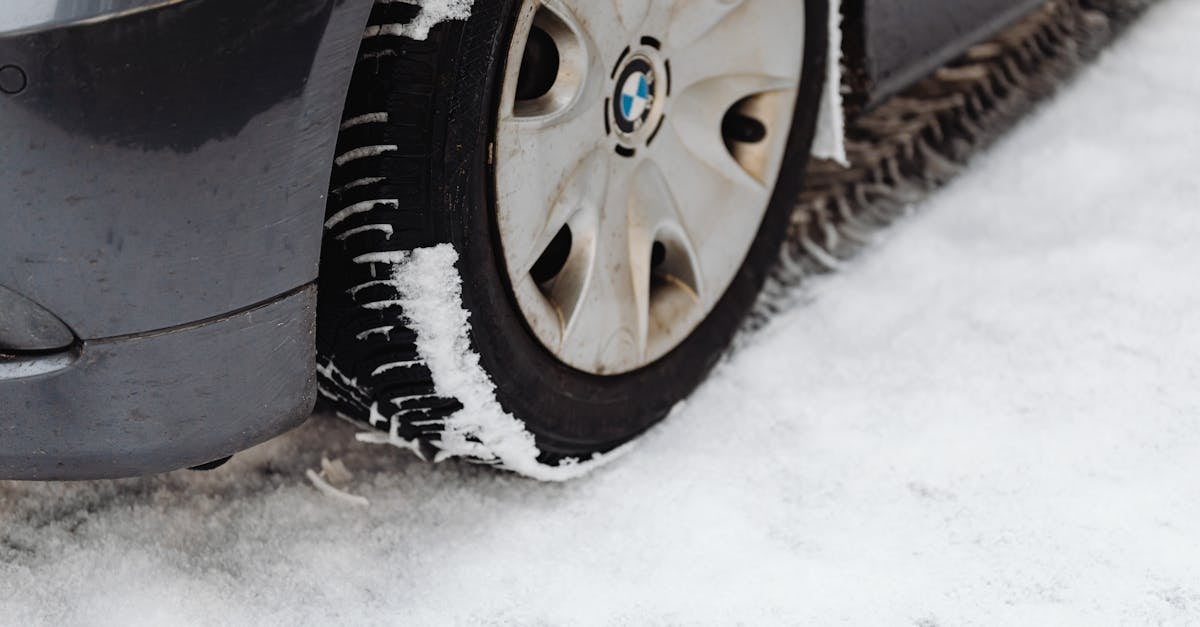
Winter Tires vs. All-Season Tires in Connecticut: What’s Worth It (and What We Recommend)

When it comes to navigating winter roads in Connecticut, the decision between winter tires and all-season tires is often the single most important factor in your vehicle’s cold-weather safety. For drivers throughout North Windham, Mansfield, Norwich, and across the state, winter tires consistently outperform all-season tires in snow, ice, and freezing temperatures. At Gates GMC Nissan, our service experts strongly recommend dedicated winter tires for nearly all Connecticut drivers who face winter’s unpredictability on local roads. All-season tires are made for versatility across mild to moderate weather year-round, but they begin to lose their grip as soon as temperatures drop below 45°F. That loss in performance becomes more severe during freezing rain, snowstorms, and the icy conditions typical of a Connecticut winter. In contrast, winter tires use a flexible rubber compound and specialized tread design to ensure confident acceleration, shorter braking distances, and predictable cornering—no matter how deep the snow or how slick the pavement. Definitions: Winter Tires vs. All-Season Tires Winter Tires: Also called snow tires, they use a cold-weather rubber compound that stays pliable below 45°F and have deep grooves plus thousands of small sipes to bite into ice and snow. This design maximizes grip and control, especially on untreated or slushy roads. All-Season Tires: Designed for wet and dry conditions in moderate climates. They feature less-aggressive tread patterns and firmer compounds that stiffen in the cold, resulting in decreased traction on snow and ice. How Each Tire Performs During Connecticut Winters Tire Type Ideal Use Winter Performance Recommended Season in CT Winter Tires Snow, ice, below 45°F Excellent: maximum grip, effective stops November to April All-Season Tires Mild weather, rain, light snow Good in spring/fall; poor in severe winter April to October When and Why to Install Winter Tires in Connecticut Temperature: Install winter tires as soon as average daily temperatures fall below 45°F, typically in late October or November. Roads: Connecticut’s frequent freeze-thaw cycles lead to both icy highways and untreated backroads. Winter tires maintain traction on both. Local Law: Studded tires (an option for extreme winter driving) are allowed in Connecticut only between November 15 and April 30. Regular winter tires are permitted all year but are best reserved for cold months to avoid premature wear. Vehicle Type: Even all-wheel-drive models like GMC Sierra or Nissan Rogue should use four winter tires for balanced performance. AWD helps you get moving, but only quality winter tires help you steer and stop safely on slick roads. Step-by-Step: Choosing and Installing Winter Tires at Gates GMC Nissan Determine Proper Fit: Check your vehicle’s manual or consult our team for the right tire size. For trucks (like GMC Sierra 1500, Canyon, or Yukon), select winter tires rated for heavier loads. For crossovers and sedans, focus on handling and traction. Assess Tread Depth: New winter tires have at least 10/32 inches of tread; they should be replaced once they’re below 6/32 inches for best winter traction. At Gates GMC Nissan, we measure tread depth at every tire change or rotation. Validate Alignment: Schedule a professional alignment before winter installation. Misalignment causes uneven tire wear and reduced winter performance. You can book with our certified technicians for comprehensive alignment checks. Select Quality Tires: Choose OEM-approved winter tires for your GMC or Nissan, available directly through our parts department. We also service most makes, from Subaru and Ford to Toyota. Professional Installation and Balancing: Have all four winter tires installed and properly balanced. Always install matching tires on all wheels for control and safety. Long-Term Costs and Value Quality winter tires typically last 3 to 4 seasons based on annual mileage and storage. The initial investment (often $600–$1,200 per set for mid-size SUVs) pays off in reduced accident risk, improved stopping distance, and the confidence to handle New England’s unpredictable winter weather. At Gates GMC Nissan, we recommend seasonal tire rotations every 5,000–8,000 miles for even wear and optimal performance. Off-season storage of winter tires (indoors and out of direct sunlight) will extend their lifespan further, so you aren’t replacing them prematurely. Unlike winter tires, all-season tires wear down faster and deliver diminished safety in severe winter. If you drive primarily in city conditions with effective snow removal and have limited storage, an all-weather tire (a true four-season with a winter grip rating) may be a compromise. However, for the vast majority of our Connecticut customers, nothing matches dedicated winter tires when safety is on the line. Comparison of Alternatives Winter Tires: Highest level of grip in snow/ice, excellent for hilly terrain, deep tread, should be used as a matched set on all wheels. All-Season Tires: Satisfactory in rain and light snow, inadequate for harsh winter storms and icy conditions. All-Weather Tires: Designed to be a middle ground; perform better than all-season in cold but do not match true winter tire performance in extreme ice or deep snow. Learn about other critical winter car checks here. What Gates GMC Nissan Recommends As Connecticut’s trusted, family-owned dealership and service center, Gates GMC Nissan strongly advocates for dedicated winter tires for all vehicles during the peak winter months. Our experienced team sees the dramatic reduction in accident risk and the improved control our customers gain when they make the switch—even for all-wheel-drive SUVs and trucks like the GMC Yukon or Nissan Rogue. Our recommendation is based on decades of experience, technical training, and direct feedback from drivers in North Windham and surrounding communities. Install winter tires in the fall before the first hard freeze for the best protection all season long. Swap back to all-season tires in the spring to prevent premature wear and boost fuel efficiency. Always service and rotate your tires as part of regular maintenance routines and inspections. Best Practices for Tire Management in Connecticut Winters Buy a full set of four winter tires, never mixing types or brands across axles. Ensure correct tire pressure, as cold temperatures reduce PSI and affect handling. Check tread depth at the start of the season—replace before they fall below 6/32 inches. Rotate tires every 5,000–8,000 miles to maximize even wear. Schedule regular alignments, especially after hitting potholes or curbs hidden by snow. If choosing studded tires for extreme conditions, remember they are legal only from November 15 to April 30 in Connecticut. If in doubt, consult Gates GMC Nissan for an expert evaluation or to explore tire specials currently available. Frequently Asked Questions (FAQ) Are winter tires worth the investment for short city commutes in Connecticut? Yes. Even short city trips become hazardous in freezing rain and snow. Winter tires dramatically improve your stopping power and stability, reducing accident risk. Can I use winter tires all year round? Not recommended. Winter tires are made from a soft compound that wears quickly in warm temps. Use them only during cold months, then swap for all-season or summer tires in spring. What about all-weather tires instead of true winter tires? All-weather tires offer better winter traction than regular all-seasons and can be a solution for drivers with tight storage. However, for typical Connecticut winters, dedicated winter tires still outperform in heavy snow and ice. How do I know when to switch tires in CT? Switch to winter tires when consistent temperatures drop below 45°F (usually late October–November) and back to all-seasons once temps remain above 45°F in spring. Do all-wheel or four-wheel drive vehicles still need winter tires? Yes. AWD systems help with acceleration, but do not provide braking or turning assistance on slippery roads. Winter tires are essential for safe stopping and cornering on ice or snow. Can Gates GMC Nissan handle winter tire installation for any make or model? Absolutely. Our certified technicians install and balance tires on nearly all makes and models—not only GMC and Nissan. We also offer regular tire specials for added savings. Conclusion: Our Commitment to Your Winter Safety For Connecticut drivers, especially those in North Windham and Tolland County, winter tires provide a tangible safety advantage through every snowstorm and ice event. At Gates GMC Nissan, our deep expertise and customer-first approach mean we are dedicated to helping you make the best choice for both your vehicle and your driving conditions. Our certified service team is available to answer your winter tire questions, conduct safety inspections, and provide year-round support for all your tire and maintenance needs. Ready to make the safest choice for Connecticut winter? Book your tire service or inspection online, or call us at 860-455-4737 to speak directly with a Gates GMC Nissan tire specialist. We’re here to help you drive confidently all winter long.

downloaded-image

Brake Squeak in Winter? What’s Normal, What’s Not, and When to Book Service in North Windham

There’s little quite as alarming as pressing your brake pedal on a frosty Connecticut morning and hearing a squeak—especially when your vehicle’s safety (and your peace of mind) depends on those brakes working properly. But as locals here in North Windham, we know winter brings its own set of challenges for brake systems. Some noise is perfectly normal, some is a red flag, and knowing the difference can save you money, hassle, and potential danger on the road. Our team at Gates GMC Nissan wants to go beyond the basics and explain, from a Connecticut perspective, what you can safely ignore and which brake squeaks mean it's time to see the service lane. Understanding Why Winter Means Louder Brakes in Connecticut Connecticut winters are no joke. Our mix of snow, ice, and road salt is hard on vehicles—especially braking components. Knowing exactly why your brakes are noisier in winter will help you spot which sounds are fine and which are warning signs. 1. Overnight Rust: The "First-Few-Stops Squeal" When you park your vehicle in freezing temperatures, moisture in the air condenses onto your brake rotors. By morning, a light layer of rust forms on the iron surface—especially after a humid night or a drive through melted snow and road salt. The first few times you brake, the pads scrape that rust off, creating a sharp squeal. This is absolutely normal for most vehicles and typically disappears after the brake system warms up from use. 2. Cold-Weather Pad Stiffness Brake pads, whether ceramic, semi-metallic, or organic, get stiffer as temperatures dip below freezing. Cold pads don’t grip or flex as well, which can mean more squeaking or squealing until the brakes heat up. This is common on all makes and models, including Nissan SUVs and GMC trucks, especially after your car's been sitting overnight. 3. Road Salt and Debris Impact Salt does more than melt ice—it accelerates rust and can break down rubber components, especially in the brake hardware. Small bits of debris can get lodged in the caliper, or moisture can freeze around moving parts, increasing the chance of squeaks or grinding sounds. A quick, thorough wheel wash can help minimize buildup and keep components moving freely. 4. Glazing from Light, Repeated Braking On icy roads, we all tend to brake more gingerly and for longer periods. Over time, this can create glazed brake pads—a smooth, hardened surface that doesn’t grab the rotor well and definitely makes noise. Glazed pads not only squeak but can also slightly decrease your stopping power, making it smart to have them checked out if the noise doesn’t fade. What’s Actually Normal—and What Means Trouble? Let’s break down, in real-world terms, what you might hear and what you should do about it. We’ve seen it all at our North Windham service department, and here’s a straightforward guide: Noise Description How Long Does it Last? Normal? Recommended Action High-pitched squeal on the first few stops Goes away after 2-5 stops or minutes of driving Yes No service needed unless noise sticks around after warming up Persistent squeal or chirp all drive Doesn’t go away, may get louder with use No Schedule a service inspection. Could be low pads or stuck hardware Grinding sound Constant while braking Definitely not See a technician immediately. This usually means metal-on-metal and risks rotor damage Pulsing pedal, vibration, or soft feel During braking, especially at higher speeds No Could indicate warped rotors or air in brake lines. Don’t delay service Local Factors That Make Winter Brakes Squeak More in North Windham Connecticut’s climate is unique. Frosty evenings, surprise melt-offs, and generous helpings of road salt all mean more moisture—and more chances for brake noise. If you’ve driven a GMC Sierra through slush or a Nissan Rogue up a steep driveway, you know the combination of cold and salt can create a squeak-fest. If your car is parked outside: Expect more overnight rust and morning squeals, especially after wet snow or freezing rain. If you drive short distances: Your brake pads never fully warm, so minor noise can stick around longer. If you live down a gravel road: Stones can get jammed in your caliper, causing odd, persistent squeaks or even grinding. How to Stop—Or At Least Reduce—Winter Brake Squeaks Even here in Connecticut, there are a few steps to prevent or minimize brake noise all winter long. We recommend the following practical habits for our local drivers: Brake Gently for the First Mile: Treat your first mile like a warm-up lap. Soft, repeated stops will clear off rust and loosen up pads without causing glazing. Clean Your Wheels and Undercarriage: Rinse off salt, sand, and grime after storms. This keeps sensitive hardware moving and helps avoid buildup. Garage Parking Helps, But Isn’t Everything: While parking inside will reduce moisture, even garage-kept vehicles pick up road salt and dust. Schedule Seasonal Maintenance: Going in for a pre-winter or mid-winter checkup allows technicians to catch sticking calipers, check pad thickness, and lubricate hardware. Choose Quality Replacement Parts: If your vehicle needs brake work, opt for OEM parts and certified installation from a service center you trust. That extra layer of protection is especially important for New England’s climate. When Should You Book Brake Service in North Windham? This is where our local experience really matters. We advise booking a professional brake inspection if you notice: Squeaking or squealing that still happens after 5-10 minutes of normal driving Grinding or scraping noises that don’t stop The brake warning light comes on, or you notice a soft, pulsing pedal Unexplained loss of brake performance (takes longer to stop, pedal sinks) In addition, regular maintenance is worth every penny. At Gates GMC Nissan, our GM Certified and Nissan-trained technicians know these Connecticut conditions inside and out. Every brake service includes a comprehensive multipoint inspection. We only use genuine OEM parts for GM and Nissan models, but we’re equipped to work on nearly all makes and models—whether you drive a new GMC Sierra, an older pre-owned sedan, or anything in between. How to Prepare for Braking Success All Winter If you’re proactive now, you can avoid the bulk of serious issues until spring: Book a brake inspection before the first nor’easter. Take advantage of brake service specials: Check out our service and parts specials for savings on brake pads, rotors, and more. Keep your owner’s manual handy: Maintenance intervals may vary by model. If you’re not sure, just ask our team—service is straightforward, transparent, and never pushy. Connecticut-Specific Sentiments: Our Experience Serving Windham County Since 1986, we’ve seen it all—from icy morning driveways to the aftereffects of winter salt. Our customers’ reviews regularly mention how our team catches minor issues before they become big expenses. We believe in honest recommendations and thorough diagnostics. If your brakes just need a cleaning or a little lube on the hardware, we’ll tell you. If it’s time for new pads or rotors, you’ll get a straightforward explanation—and no pressure. For even more Connecticut vehicle wisdom, check out our guide on the essential winter car checklist and read up on why your check engine light can behave differently in winter. Drive Safe, Stay Ready—And Visit North Windham’s Trusted Team if in Doubt Connecticut winters will always test our vehicles, but a little attention to detail and knowing what’s normal can give you peace of mind. If your brake squeaks suddenly become more serious, don’t wait—schedule a service visit to keep your car (and family) safe. We’re always happy to help answer questions about your brakes, or help you find your next vehicle ready for New England conditions. We take anything in trade—so if your winter-weary ride is ready for an upgrade, come by or connect with us at Gates GMC Nissan, North Windham, CT. We’re your neighbors, and we’re here to help keep your vehicle safe, reliable, and ready for whatever winter (or spring, or summer) brings.

downloaded-image

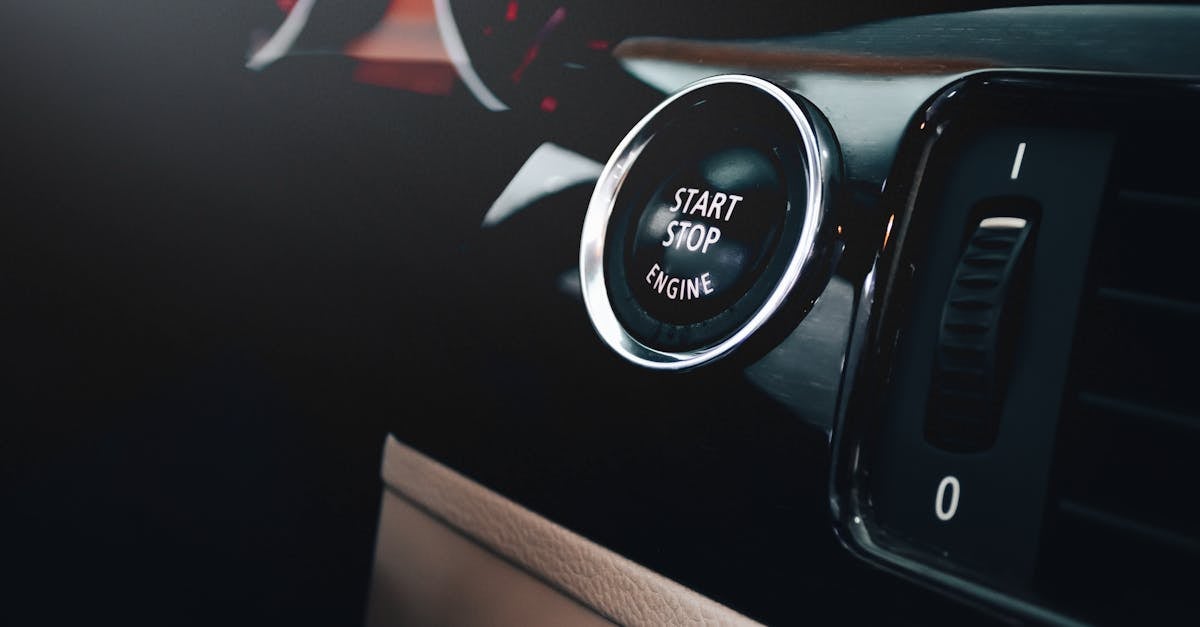
Why Your Check Engine Light Comes On in Cold Weather (and When to Get It Diagnosed in CT)

Connecticut winters are no joke, especially when your dashboard suddenly lights up with a check engine warning. We’ve seen drivers from all over Windham County stress over this little orange engine icon when the cold sets in—so let’s unravel what’s really happening, why it’s more common in freezing weather, and what you should do if it happens to you. We’re a family-run team at Gates GMC Nissan, serving Connecticut drivers since 1986, and we know from experience that cold weather brings unique vehicle headaches. This guide will walk you through both the why and the what-next, so you can confidently keep your car running all winter long. Cold Weather: Why It’s Tough on Modern Vehicles Connecticut’s deep freezes don’t just affect how your car feels—they genuinely impact electronics, fluids, rubber, and metal at a microscopic level. When temperatures drop, critical sensors, batteries, and hoses are all put under stress. The engine control unit (ECU), the brain of your car, notices changes and sometimes reacts with an early warning—the check engine light. Top Reasons Your Check Engine Light Appears in the Cold Weak Battery or Charging Issues: When it’s cold, a battery can lose up to a third of its strength. If your car is hard to start, or electronic features seem sluggish, that low voltage can trip warning lights—including check engine. Frozen (or Condensing) Fuel Lines: Moisture can collect in your fuel tank, then freeze in fuel lines overnight. This interrupts fuel delivery to the engine, and your car’s computer flags the resulting misfire or poor performance. Mashed-Up Sensor Readings: Cold air changes the readings from oxygen sensors, intake air sensors, and more. Sometimes, these sensors momentarily give out-of-range signals that trigger the check engine light, even if the issue resolves as things warm up. Old Spark Plugs or Ignition Coils: Subfreezing air makes combustion harder. Spark plugs need to be in top shape, or the car might misfire and alert the ECU. If your car hasn’t had new spark plugs in 3–5 years, you’re at greater risk as the weather turns. Tire Pressure Sensors Go Haywire: For every 10-degree drop in temperature, expect about one PSI loss in tire pressure. Tire pressure monitoring systems (TPMS) may flag inconsistencies and, on some vehicles, share data with the main ECU—sometimes triggering extra dashboard lights. Coolant Temperature Sensor Trouble: The coolant sensor helps your car know when it’s safe to adjust fuel and timing for a cold engine. If it sends bad info due to extreme cold or corrosion, things can go off-balance quickly. If You See the Check Engine Light in Winter: Here’s What To Do Step 1: Stay Calm First things first, don’t panic. Most cold-weather warning lights are not immediate emergencies, especially if your car is driving normally and you don’t notice loud noises, smoke, or rough running. Step 2: Check the Obvious Gas Cap: Make sure it’s tight. Many warning lights are due to a loose or cracked cap, especially after filling up in freezing temperatures. Look Under the Hood: See if any hoses are disconnected or electrical connectors are loose. Winter’s freeze-thaw cycles can shift things around. Step 3: Restart and Observe Turn your car off, wait a minute, then restart. Sometimes the light will go away—which could mean it was a momentary sensor error. If it comes right back, avoid aggressive driving, and pay attention to new sounds or smells. Step 4: Schedule a Diagnostic With Pros You Trust If the light remains or is flashing, the safest move is to get professional help. Our certified GM and Nissan service team has the specific diagnostic equipment to read the underlying error codes—and it’s always more efficient to fix a small issue before it morphs into a bigger problem. Especially on newer vehicles, guessing can be both expensive and ineffective. Understanding Severity: Steady vs. Flashing Lights Steady Check Engine Light: You typically have time to drive a short distance (like to our service bays), but the issue needs swift attention. It could be emissions, minor sensor failure, or small misfires. Flashing Check Engine Light: This signals a serious misfire. Pull over as soon as it’s safe, shut off your engine, and seek towing if you notice performance issues. Continued driving risks major engine damage. How to Prevent Cold Weather Engine Trouble in Connecticut Every autumn, we perform dozens of winter-prep inspections, because prevention is always less expensive than repairs. Here’s how you can dramatically reduce sudden dashboard surprises: Battery: Have it tested, especially if it’s 3+ years old. Clean corrosion and check connections—both voltage and current flow dip fast in freezing temps. Learn more actionable winter prep in our Connecticut Winter Car Checklist. Oil: Use the right winter-grade oil; check and change regularly, as thickened oil strains cold starts. Fuel System: Keep your gas tank at least half full and consider a reputable fuel additive just before a deep freeze to help prevent fuel line icing. Spark Plugs/Ignition: If you’re not sure when your plugs or ignition coils were last replaced, have our technicians check them—misfires are more likely in bitter weather. Tire Pressure: Check monthly, and fill to the PSI recommended on your door sticker (not the tire’s sidewall). Sudden drops often coincide with cold snaps. Comprehensive Inspection: Schedule a pre-winter check with local experts who know the region’s conditions. We always inspect hoses, belts, sensors, and fluid condition in detail before the harshest weather hits. Frequently Asked Questions About Winter Check Engine Lights Will the light go off once the weather warms up? Sometimes, especially if cold-start sensors triggered a false reading. However, the code remains stored and may return next freeze. Always get the underlying cause checked out. Can I drive with the light on if the car feels normal? Possibly, but it’s still best to schedule a check promptly. Even if your vehicle feels and runs normally, you can silently damage sensitive components (like expensive catalytic converters) if unaddressed. What other dashboard lights should I watch? A battery or temperature warning light, or a simultaneous loss of power, means you should pull over and seek immediate help—not just wait for your next appointment. How much does a diagnostic cost? Our rates are straightforward and affordable. Calling our service desk at 860-455-4737 gets you an up-to-date quote. Why Trust Gates GMC Nissan With Your Diagnostics? Certified GM and Nissan Technicians: Our team knows the ins and outs of your vehicle, use factory-grade scanners, and have real-world cold-weather troubleshooting expertise for Connecticut conditions. OEM Parts: When repairs are needed, we install manufacturer parts built to last for your GMC, Nissan, or other make. Honest, No-Pressure Advice: We’ll always explain results clearly, and only recommend what truly needs fixing. Our goal is your peace of mind, not unnecessary repairs. Family-Owned Reliability: We’ve proudly served this part of the state since 1986—repeat customers and their families return because they trust us to keep their vehicles running, winter after winter. Winter Service Specials: We regularly offer deals for battery checks, oil changes, tire rotations, and brake service to help your budget go further. See current offers on our service and parts specials page. Let’s Get Your Vehicle Ready for the Cold—Before Problems Start Don’t put off necessary diagnostics or skip preventive care. We know New England winters, and we’re here to make sure your vehicle is up to the task. If you’re seeing new lights on your dashboard or want a certified inspection before deep winter, give us a call at 860-455-4737 or visit us at 143 Boston Post Road, North Windham, CT. For more winter driving tips, see our blog on which wiper blades and battery to buy for a New England winter. Ready for a diagnostic—or thinking about your next vehicle? We invite you to experience the Gates difference. Learn more or schedule your visit with us today. Remember: We’ll take anything in trade—goats, boats, trains, planes, you name it!

downloaded-image

Which Wiper Blades and Battery Should You Buy for a New England Winter? (A Quick Guide by Vehicle Type)

New England winters are legendary. If you live in Connecticut, you know that snow, slush, and ice can test the limits of your windshield wipers and batteries—sometimes all in a single day. At Gates GMC Nissan in North Windham, CT, we work with drivers every winter who want to feel confident turning the key or pushing the start button no matter what the forecast throws at them. Let’s break down our expert recommendations for choosing the right winter wiper blades and batteries, tailored for your vehicle type, and for our unique New England climate. Why Winter-Ready Wipers and Batteries Matter More in Connecticut It’s not just the snow—what really gets us are the cycles of freezing rain, sleet, and brief thaws that generate heaps of road grime. Mix in subzero mornings and power-sapping electronics, and even newer vehicles can struggle. We see it every year in our service bays: skipping your winter prep can mean the difference between a safe drive and getting stuck in the driveway. Your wipers and battery are the frontline defense. Wiper Blades: What Works Best in a New England Winter? Key Features to Look For Durability: Winter blades are built with tough rubber formulations and sturdy frames to resist ice buildup. Beam-Style Design: Frameless or beam-style wipers hug the glass better, preventing snow from jamming the blade. Simple Installation: Swapping out blades should be easy—important when temperatures plummet and your fingers go numb. Size Specificity: Each vehicle requires the correct blade size for full coverage; check your owner’s manual or ask our team to be sure. Our Recommendations by Vehicle Type SUVs and Trucks (GMC Sierra/Yukon, Nissan Frontier, etc.) Go with heavy-duty, beam-style blades for wide windshields and higher mounting arms. These prevent lifting at highway speeds with large vehicles. OEM blades are engineered for the exact windshield curvature and pressure points of your model. Crossovers (GMC Terrain/Acadia, Nissan Rogue/Murano) Choose winter-rated, beam or hybrid blades for streak-free performance on contoured glass and in freezing rain. Coupes and Sedans Ensure a snug fit and select a blade with a soft, flexible rubber edge for tight seals against the glass. Commercial/Work Vehicles If your fleet is facing the plow route or job site daily, request OEM heavy-duty winter options. These are designed for continual operation under severe weather. At Gates GMC Nissan, we stock OEM GM and Nissan winter wiper blades, and our parts department can help you select the perfect set for your vehicle. If you’re unsure, just stop by and we’ll take a look. Batteries: The Unsung Hero of New England Winter Starts If your battery is more than three years old—or if it hesitated at all last winter—do not take chances in Connecticut. Cold saps battery strength, and the demands of modern vehicles (heated seats, infotainment, remote start) only increase the load. What Makes a Winter-Ready Battery? Cold Cranking Amps (CCA): This is the key metric to consider for winter. The higher the CCA, the more reliably your battery turns over at very low temperatures. Correct Group Size: Fit is essential. A battery that’s too small or physically incompatible just won’t do the job. OEM or Equivalent Quality: Your vehicle’s electrical system was designed for a specific battery type. OEM units ensure full compatibility with advanced features and stop-start systems. Warranty and Freshness: A quality warranty backs up your investment. Also, fresher batteries deliver more reliable performance out of the box. Batteries by Vehicle Category Full-Size Trucks and SUVs (GMC Sierra/Yukon, Nissan Armada) These require high-CCA batteries. Be sure you have a battery tested and rated specifically for cold weather performance. Consider installing models with extra reserve capacity for winter add-ons like plows or additional cabin heating. Crossovers and Midsize SUVs Look for batteries in the appropriate group size (typically 48, 35, or 24F depending on model and year). Seek CCA ratings at or above OEM specs. Small Cars and Sedans Don’t be tempted by an off-brand. Even compact vehicles need a battery that can deliver full power in subzero temps. Ask our team for the right fit. We always recommend getting your battery tested before winter hits. Gates GMC Nissan offers battery health checks and replacement with OEM-rated batteries so you can trust your car will start, whether you’re heading to work or making a midnight run for supplies after the next Nor’easter. FAQs from Our Connecticut Customers How often should I swap out my wiper blades? In New England, we recommend replacing them at least once a year, ideally in the fall just before winter weather hits in earnest. Can I mix and match aftermarket wiper blades? While some aftermarket options do work well, your safest bet (especially for new GM or Nissan vehicles) is to stick with OEM blades to ensure the best fit and sweep. How do I know if my battery is on its last leg? Watch for slow cranking, dimming lights while starting, or warnings on newer digital dashboards. We’re happy to test your battery’s health during any service visit. Should EV or hybrid owners worry about batteries? Absolutely—12V batteries in all vehicle types are needed to power electronics and start systems. Don’t overlook their importance, especially in winter. Bonus: Tips for Getting the Most Out of Your Wipers and Battery This Winter Always clear heavy snow from your windshield before turning on the wipers—this prevents blade and arm damage. Lift wipers off the windshield before a big snow or ice storm if parking overnight outdoors. Apply silicone spray or rubber conditioner to blade edges for maximum flexibility and reduced freezing (ask our parts team). For batteries: Keep connections free of corrosion and fully tighten terminals. Park in a garage or sheltered area whenever possible. If you’re making lots of short trips, consider letting your engine run a bit longer to top off the battery charge, as winter starts and stops are tough on older batteries. When to Visit a Certified Service Center If your wipers smear instead of clear, if you hear chattering or see uneven streaks, or if your vehicle is slow to start in the morning, drop by Gates GMC Nissan. Our GM- and Nissan-certified technicians understand the challenges of winter in Connecticut and use only the best OEM parts. We offer seasonal service specials to help you save on blades, batteries, and other essentials before the first nor’easter hits. Other Must-Reads for Connecticut Car Owners Connecticut Winter Car Checklist: Battery, Tires, Brakes, and Heat (Before the Next Snowstorm) Trading In This Winter? What Your Car Is Really Worth in CT (and How to Get the Best Offer) Final Thoughts: Drive Prepared, Not Panicked Connecticut winters can be unpredictable, but your car’s performance shouldn’t be. Whether you’re prepping a rugged Sierra, a nimble Rogue, or a family Acadia, we’re here to help you choose the right wipers and batteries for safe, stress-free driving. If you want personalized recommendations, or just want us to take a look at your current setup, bring your vehicle by Gates GMC Nissan in North Windham. We’re your winter driving partners—let’s make sure your car is ready for whatever the season delivers. To schedule a service, check parts availability, or get tailored advice, visit our main site at Gates GMC Nissan North Windham. We take anything in trade—even your old, frozen wiper blades.

Contact Us

Fill out this form below and we'll contact you shortly
*Required Fields