
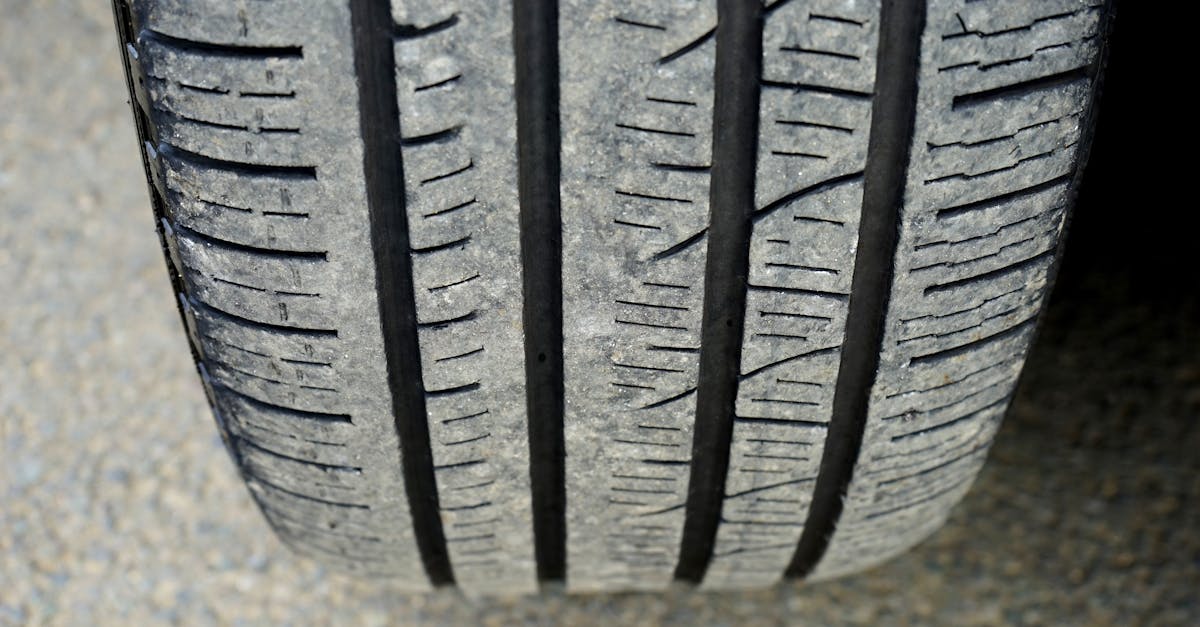
Connecticut drivers are no strangers to uneven tire wear after winter. The unique combination of frequent freeze-thaw cycles and rough, pothole-filled roads can quickly take a toll on vehicle tires and suspension systems. If you’ve noticed odd tread patterns, a car that pulls to one side, or new vibrations at highway speeds this spring, you’re likely dealing with the real impact of winter on your wheels. Early attention to uneven tire wear is crucial—not just for maximizing tire life but for ensuring safe, confident driving on unpredictable New England roads.
What Causes Uneven Tire Wear After Winter?
Uneven tire wear after a Connecticut winter is almost always traced back to alignment issues, wheel imbalance, or suspension damage. Freeze-thaw cycles force water to expand and contract in pavement cracks, producing new potholes and rough patches all over roads like Boston Post Road in North Windham and beyond.
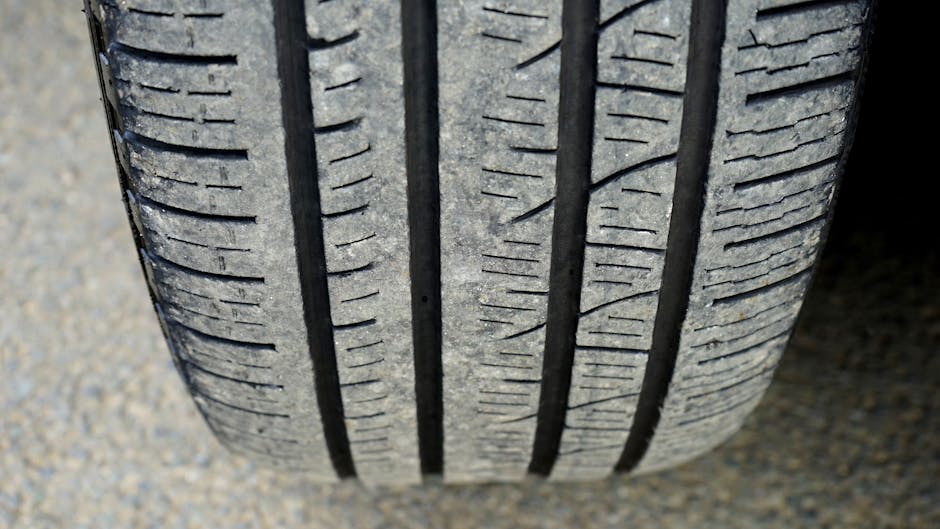
Even mild pothole strikes can push your wheel alignment out of specification. This means that angles such as camber, caster, and toe drift from their factory setpoints. Over time, your tire tread wears irregularly—often showing greater wear on the inside or outside edge, or developing a scalloped or cupped pattern that shortens tire life and reduces traction. The steering system, shocks, struts, control arms, bushings, and tie rods all absorb repeated impacts, compounding the problem if issues go undiagnosed.
Definition: Uneven Tire Wear
Uneven tire wear is when your tire tread wears down more in some spots or sides than others. The most common culprits are poor wheel alignment, under-inflation or over-inflation, damaged suspension parts, or improperly balanced wheels. Once tread is uneven, tires cannot perform to their rated safety standards, especially in Connecticut’s wet spring weather.
Key Signs Your Tires Are Wearing Unevenly After Winter
- Vehicle pulls left or right: Steering becomes less precise, requiring constant corrections.
- Noticeable vibration: Often felt at 50 mph and up, especially in the steering wheel or seat, indicating imbalance or tire damage.
- Irregular tread wear: Tread is worn out on one side, or shows a cupping / scalloped pattern across the surface.
- Crooked steering wheel: Steering wheel isn’t straight when driving forward.
- Increased road noise: Tires are louder, especially at highway speeds, due to uneven wear patterns.
- Spotty air pressure loss: Some tires lose air quicker, often pointing to bead or rim damage from curb or pothole impacts.
Ignoring these signs increases the risks of poor handling in rain, longer braking distances, premature tire failure, and even expensive suspension repairs if the root causes aren’t addressed quickly.
Why Connecticut Winter Roads Accelerate Tire Wear
The freeze-thaw process is especially aggressive in southern New England. Water seeps into even tiny cracks, freezes and expands, then melts away to leave voids. As traffic passes over these weakened spots, the road surface collapses, forming new potholes—often hidden in puddles or slush. Even one encounter can be enough to bend a rim, split a tire belt, or send alignment angles out of spec. Roads in North Windham, Norwich, Mansfield, and surrounding areas often see some of the worst seasonal damage.
For GMC, Nissan, and other makes, all of this adds up to faster wear and more risk for Connecticut drivers. Regular inspection is not only recommended but essential after winter.
Step-by-Step: What Connecticut Drivers Should Do If You Notice Uneven Tire Wear
-
Conduct a Visual Tire Inspection
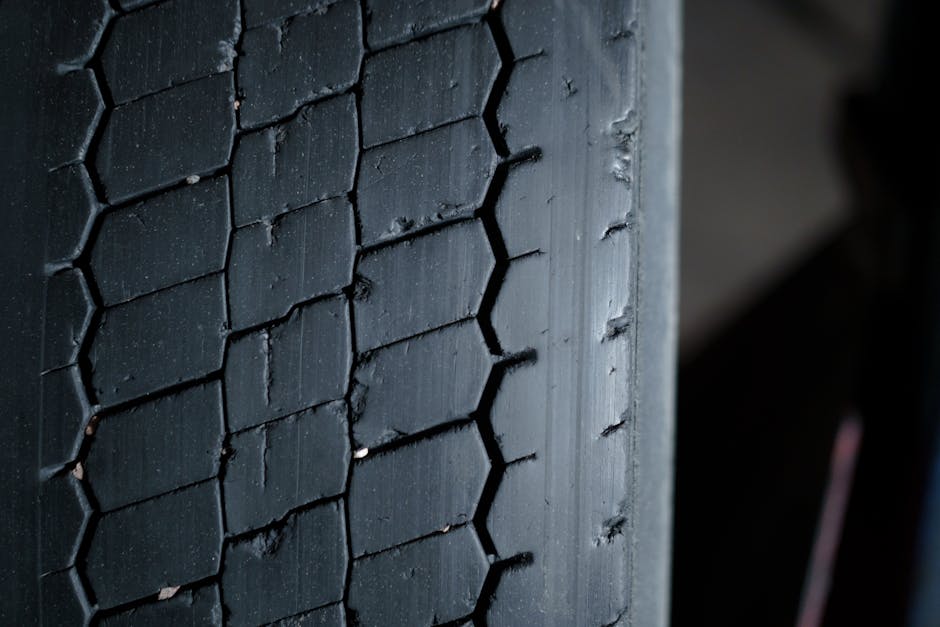
Park on a flat surface. Scan each tire for uneven tread—especially inner or outer edge wear, bald spots, or cuts. Tread depth can be checked with a penny (if you see all of Lincoln’s head, they’re too shallow). Rotate tires every 5,000-8,000 miles for even wear. -
Check Tire Pressure Regularly
Cold inflation—while tires are not driven on—should match the number in your car’s door jamb (usually 32-35 psi). Low pressure means more edge wear, while overinflation can cause excessive center wear. -
Take a Short Test Drive
Drive on a straight, lightly traveled road. Feel for pulling or vibration, especially after hitting potholes. If the steering wheel is crooked or the car drifts, alignment is likely off. -
Schedule Professional Alignment and Balancing
Bring your vehicle to an expert shop.
Gates GMC Nissan in North Windham is equipped to handle alignments, tire balancing, and all necessary suspension checks on any make or model. Certified technicians use precise, multi-angle laser equipment to return wheel settings to factory specification, maximizing tread life and safety. -
Request a Full Suspension Inspection
Ask for a check of shocks, control arms, tie rods, and bushings to catch hidden damage before it results in more uneven wear or expensive repairs.
Best Practices for Preventing and Addressing Post-Winter Tire Wear
- Rotate tires and check alignment after every winter. This evens out wear caused by winter hazards and ensures your alignment is not causing problems.
- Choose regular, professional tire balancing. Connecticut’s bumpy roads quickly knock wheel weights loose, leading to ongoing vibrations if not corrected.
- Act promptly when a pothole is hit or symptoms arise. The sooner you have your vehicle checked, the less likely tire or suspension damage will result in costly repairs.
- Request service from true experts. At Gates GMC Nissan, our team is GM- and Nissan-certified, with experience on nearly all brands. We use OEM parts and provide transparent, honest guidance without sales pressure.
- Take advantage of seasonal service specials. Gates GMC Nissan runs timely specials on alignment, balancing, rotations, and tire price matching—saving you money while delivering the expertise needed for New England conditions.
- Monitor tire pressure weekly, including the spare. Sudden temperature shifts can drop pressure and accelerate uneven wear.

What Makes Gates GMC Nissan the Go-To Solution?
For Connecticut drivers, navigating post-winter maintenance is critical—and at Gates GMC Nissan, we’re your trusted partner for all tire and alignment needs. Here’s what sets us apart:
- Certified Technicians for All Makes. Our expertise includes GMC, Nissan, and nearly every other make on Connecticut roads.
- OEM Parts and True Tire Experts. We’re equipped with the right tools and factory parts for safe, effective repairs.
- Tire Price Match Guarantee. If you find a local competitor offering a better price on eligible tires, we’ll match it and refund the difference within 30 days.
- No-Pressure, Transparent Service. Customers praise our honest, fast, and quality-focused team. No sales pressure, just expert guidance. Read more in our real service reviews.
- All-in-One Convenience. Schedule your alignment or repair, buy tires, or handle trade-ins in one stop—no need to run across town.
- Local Community Focus. We’ve proudly served the North Windham region since 1986 and treat every visit as an opportunity to earn your trust for life.
FAQ: Uneven Tire Wear After Winter for Connecticut Drivers
What should I do if only one tire is wearing down faster than the others?
Uneven wear on a single tire often points to misalignment or a damaged suspension component. Schedule an alignment and have your suspension inspected at an expert facility like Gates GMC Nissan to get to the root cause.
How soon after noticing uneven wear should I get my alignment checked?
Schedule a check as soon as possible. The longer alignment issues persist, the more likely you’ll need to replace tires sooner and risk additional damage to suspension parts.
Is tire rotation enough to fix uneven tire wear?
No. Rotation can extend the remaining life of your tires if done regularly, but it won’t solve underlying misalignment, imbalance, or suspension damage. Always combine rotation with a professional inspection.
Can a pothole impact really cause long-term tire wear issues?
Yes. Even one strong hit can bend wheels or force alignment out of specification, resulting in persistent uneven wear patterns. Read our related post on recognizing pothole-related damage.
How can I get the most mileage out of my new tires in Connecticut?
Combine regular alignments, tire balancing, and proper inflation checks with seasonal rotations. Working with a shop like Gates GMC Nissan ensures tire life is maximized—even in challenging local conditions.
Related Expert Advice for Connecticut Drivers
- Recognizing Alignment and Suspension Issues After Hitting a Pothole
- Winter Tires vs. All-Season Tires: What’s Worth It?
- Connecticut Winter Car Checklist: Battery, Tires, Brakes, and More
Conclusion: Protect Your Driving Safety and Investment
Uneven tire wear isn’t just an inconvenience—it’s a safety issue that can lead to reduced traction, poor fuel efficiency, and major suspension repairs if overlooked after winter. Connecticut’s harsh climate and rough roads demand extra vigilance. Routine inspection, prompt professional alignment, and trusted local expertise from a certified team like Gates GMC Nissan will keep you safer and help you get the most from your investment—no matter what type of car, truck, or SUV you drive.
If you’re ready to restore your ride’s comfort, safety, and performance, schedule your service with us here or call 860-455-4737. We take anything in trade, offer real value, and proudly stand behind our work for Connecticut families, commuters, and business owners.
Connect with us


