


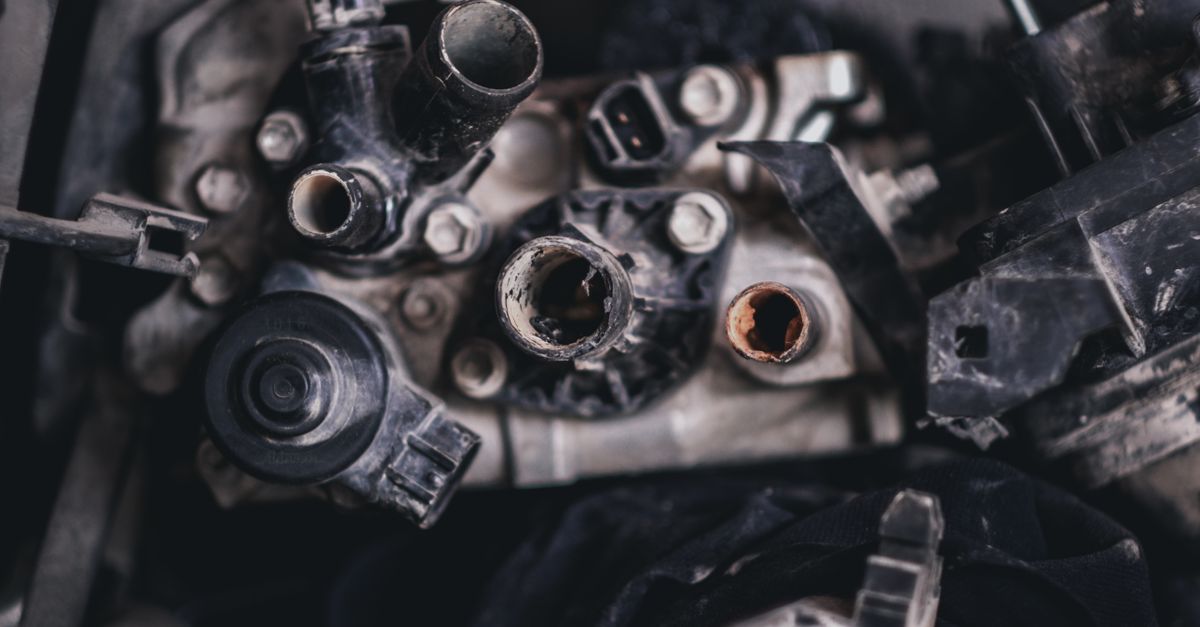
Deciding between OEM (Original Equipment Manufacturer) and aftermarket car parts is one of the most important choices a vehicle owner faces when planning a repair or maintenance project. The right decision impacts your car’s performance, long-term reliability, safety, and even warranty protections. At Gates GMC Nissan, we help customers every day navigate this complex landscape by combining our deep expertise with access to certified OEM parts and reputable aftermarket alternatives.
The key distinction: OEM parts are created by or for your car’s original manufacturer and match factory specifications for fit, materials, and longevity. Aftermarket parts are produced by third-party companies. Sometimes, either option will work, but the difference becomes critical for safety systems, advanced electronics, warranty protection, and collision repairs. Understanding these distinctions—when and why they matter—can save you time, money, and headaches.
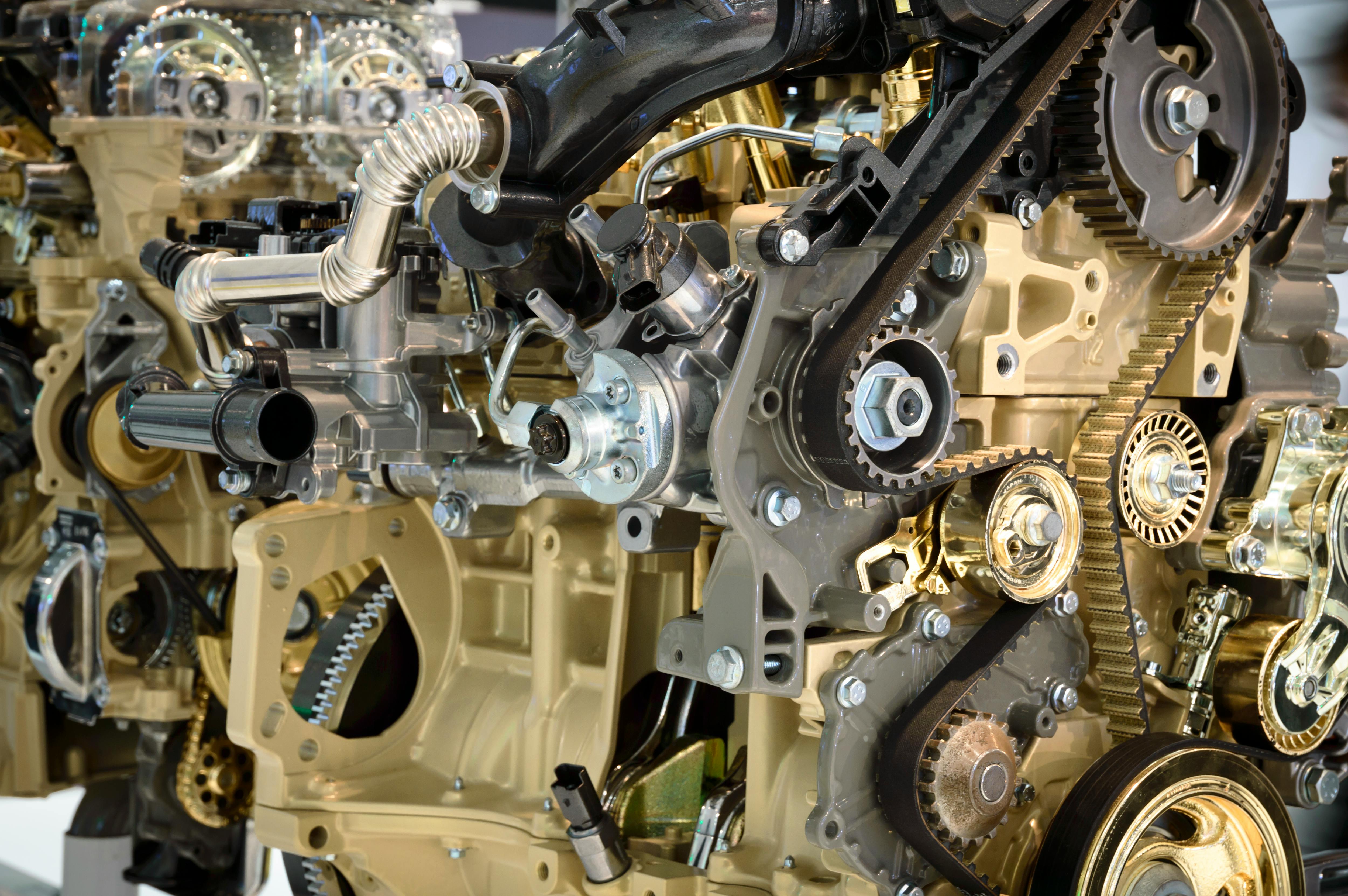
Definition: What are OEM and Aftermarket Parts?
OEM Parts are manufactured either by the vehicle’s maker or a specifically contracted supplier. These parts are identical to those installed on your vehicle at the factory, ensuring an exact fit and consistent quality. When we source an OEM part for your Buick, GMC, or Nissan at Gates GMC Nissan, you receive what your vehicle’s engineers intended for original performance and safety.
Aftermarket Parts are made by independent companies unaffiliated with your automaker. They are designed to be compatible with your car, but variations in design, tolerances, materials, and warranty support can occur depending on the brand and application.
Direct Comparison: Key Differences That Really Matter
- Fit and Compatibility: OEM parts guarantee original fit. Aftermarket parts can be hit or miss depending on brand.
- Quality Consistency: OEMs must meet manufacturer standards. Aftermarket spans from high-quality to cheaply made.
- Warranty Impact: Using OEM parts helps protect you in warranty claims. Some aftermarket parts may complicate manufacturer coverage if failure leads to additional repairs.
- Price: Aftermarket parts are often 20%–50% less expensive, but a bargain can come with trade-offs in quality or fit.
- Availability: Aftermarket may be available immediately, which helps in urgent repairs, while some OEM parts might need to be special-ordered through a dealership.
When Does the Choice Matter Most?
- Collision Repairs: In repairing body panels, bumpers, frames, or structural parts, fit, crash-worthiness, and even paint match are critical. OEM panels preserve safety and the car’s designed crash performance, making them the best choice after an accident.
- Advanced Sensors & Electronics: Vehicles today use sensors, cameras, and sophisticated computers to operate safety systems like lane assist or automatic braking. OEM electronic parts offer guaranteed compatibility. Aftermarket electrical parts may seem similar, but slight differences can cause calibration problems or false warnings.
- Vehicles Under Warranty/Lease: Late-model cars and leased vehicles often require OEM parts to avoid disputes or penalties for out-of-spec components, as well as to protect warranty claims.
- Safety-Critical Parts: Items like airbags, steering, brakes, and seatbelts are never worth risking for a small cost saving. While some aftermarket brands do meet or exceed OEM specs, the margin for error is lower in these categories—always verify the source and ask a specialist like those at Gates GMC Nissan.
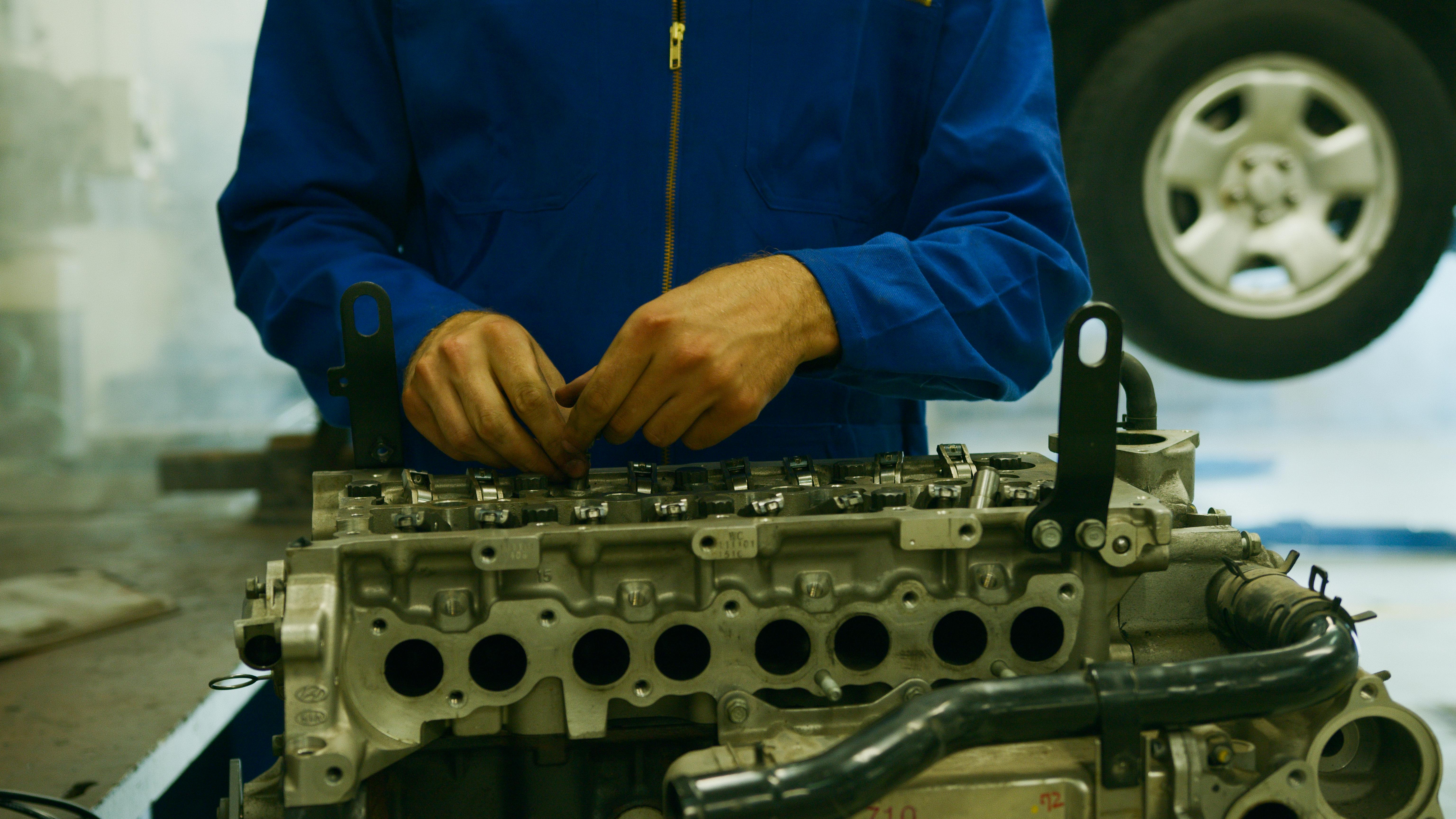
When Are Aftermarket Parts a Practical Choice?
There are plenty of scenarios where choosing a quality aftermarket part is smart and cost-effective:
- Routine Wear Items: Wiper blades, cabin air filters, and non-critical accessories are usually safe aftermarket options.
- Older Cars Out of Warranty: When a vehicle is many years past its warranty limit, aftermarket parts help control ongoing maintenance costs.
- Budget-Focused Maintenance: Aftermarket brands often offer significant savings on high-mileage repairs if quality isn’t sacrificed.
- Part Unavailability: Some OEM parts can be delayed or discontinued for older models, making trusted aftermarket parts essential to keep your car on the road.
A Step-By-Step Approach to Choosing the Right Part
- Define the Goal: Is this a cosmetic upgrade, essential repair, or safety-critical fix?
- Check Warranty/Lease Rules: Still in warranty? Always confirm with your dealer or manufacturer before choosing aftermarket.
- Evaluate Safety Impact: If the part affects brakes, suspension, steering, or crash management, OEM is typically the right call.
- Compare Fit and Reputation: For less critical parts, research reputable aftermarket brands and compare part reviews, or ask our service team for recommendations.
- Factor in Labor and Return Costs: A less expensive part can become more expensive if improper fit causes installation delays, repeat visits, or subsequent failures.
- Discuss With An Expert: The Gates GMC Nissan team can offer an expert’s perspective grounded in thousands of repairs across nearly every make and model, giving clear guidance for your specific situation.
How Real Decisions Play Out (Illustrative Scenarios)
- Engine Sensors: Imagine a check engine light diagnosed as a failed oxygen sensor. For some vehicles, a reputable aftermarket sensor (properly matched) can offer reliable function at lower cost. For late-model or emissions-critical repairs, OEM is often the best bet for long-term reliability.
- Front-End Collision: If your bumper, grille, and fender are damaged, precise alignment and matching paint are essential for appearance and crashworthiness—consider OEM or talk to a body shop that works closely with your manufacturer.
- Older Vehicles/High Mileage: An air filter, brake pads, or water pump for a high-mileage vehicle often performs just as well from a reputable aftermarket source as OEM, provided installation is correct.
Beyond the Label: What Else Impacts Part Quality?
- Materials and Build Quality: Metal, rubber, and plastic quality can differ widely, even among OEM suppliers.
- Precision in Manufacturing: Details like gasket surfaces, sensor accuracy, and mounting points matter. Trusted brands with robust quality control are safer picks for aftermarket options.
- Installer Skill: Even the best part can fail if not installed correctly. Our GM- and Nissan-certified technicians bring factory training to every repair and replacement.
- System Complexity: Newer vehicles with advanced driver aids and electronics demand parts that meet tight tolerances—OEM usually wins here, but premium-tier aftermarket parts sometimes meet these requirements and can be discussed with a knowledgeable shop.
Best Practices for Car Owners
- Know whether your car’s warranty or lease restricts parts choices.
- Review safety criticality—always lean towards OEM for airbags, brakes, steering, and crash-related components.
- Research or ask about aftermarket brands—established names with good reputations are a much better choice than bargain products.
- Ask what is covered under part or service warranties on both OEM and aftermarket parts.
- Weigh total repair cost—including labor, potential re-installation, calibration, or troubleshooting—not just the price of the part.
- When in doubt, consult a service advisor at Gates GMC Nissan.
Questions to Ask Before Your Next Repair
- Is this part safety-critical or cosmetic?
- Is my vehicle under warranty or lease obligations?
- Will this part impact electronics, sensors, or emissions compliance?
- What warranty covers this repair and the part itself?
- Are there known fitment or compatibility issues with aftermarket options?
- Does my shop have experience installing this part and brand?
Why Trust Gates GMC Nissan for Your Next Parts or Service Decision?
Whether you drive a GM, Nissan, or another make, Gates GMC Nissan brings factory-certified expertise, a robust OEM parts inventory, and years of hands-on experience with aftermarket alternatives. We take the time to match the right solution with your goals, budget, warranty, and safety needs. Our team works on almost all makes and models, and we’re committed to transparent advice that puts your best interest first.
If you’re unsure which path is right for your car, connect with us for a straightforward assessment—whether you need routine maintenance, a collision repair estimate, or help weighing OEM and aftermarket options.
FAQ: OEM vs Aftermarket Car Parts
What does OEM actually mean?
OEM stands for Original Equipment Manufacturer. These are parts made to the vehicle’s original factory specifications by the car maker or a contracted supplier. They ensure precise fit and performance.
Are aftermarket parts always lower quality?
No. Aftermarket parts range in quality. Some premium aftermarket brands match or exceed OEM standards, while lower-tier brands may cut corners. Research and shop selection matter.
Will aftermarket parts void my new car warranty?
Simply installing aftermarket parts does not automatically void a warranty, but if the part causes a problem or failure, it could lead to denied warranty coverage for related repairs. Always verify with your dealer or manufacturer.
Is OEM always more expensive?
OEM parts are typically 20%–50% more than aftermarket equivalents, although exceptions do exist. The trade-off is often peace of mind about fit and long-term reliability.
When is OEM absolutely necessary?
OEM parts are necessary for safety components, advanced electronic systems, vehicles under warranty/lease, and collision repairs. If unsure, consult a certified service advisor like those at Gates GMC Nissan.
Can I use aftermarket parts in an older, high-mileage car?
Yes, for many routine repairs, reputable aftermarket parts can help keep costs manageable on older vehicles past the warranty period.
How can I tell if a part is truly OEM or aftermarket?
OEM parts come in packaging with the automaker’s branding or part numbers and are sourced through authorized dealers. Aftermarket parts have unique branding and packaging from other suppliers. Your shop or parts department can always check for you.
Related Resources From Our Blog
- Why Your Tires Are Wearing Unevenly After Winter and What Connecticut Drivers Should Do Next
- Do You Need ADAS Calibration After a Windshield Replacement or Fender Bender?
- What to Look for When Buying a Used Car in Connecticut: A Complete Guide
If you want guidance on your next repair, help sourcing high-quality OEM parts, or insight about aftermarket options that make sense for your vehicle, reach out to the experts at Gates GMC Nissan. We combine decades of experience with an unwavering commitment to your safety and satisfaction—so you feel confident every time you turn the key.
Connect with us


