

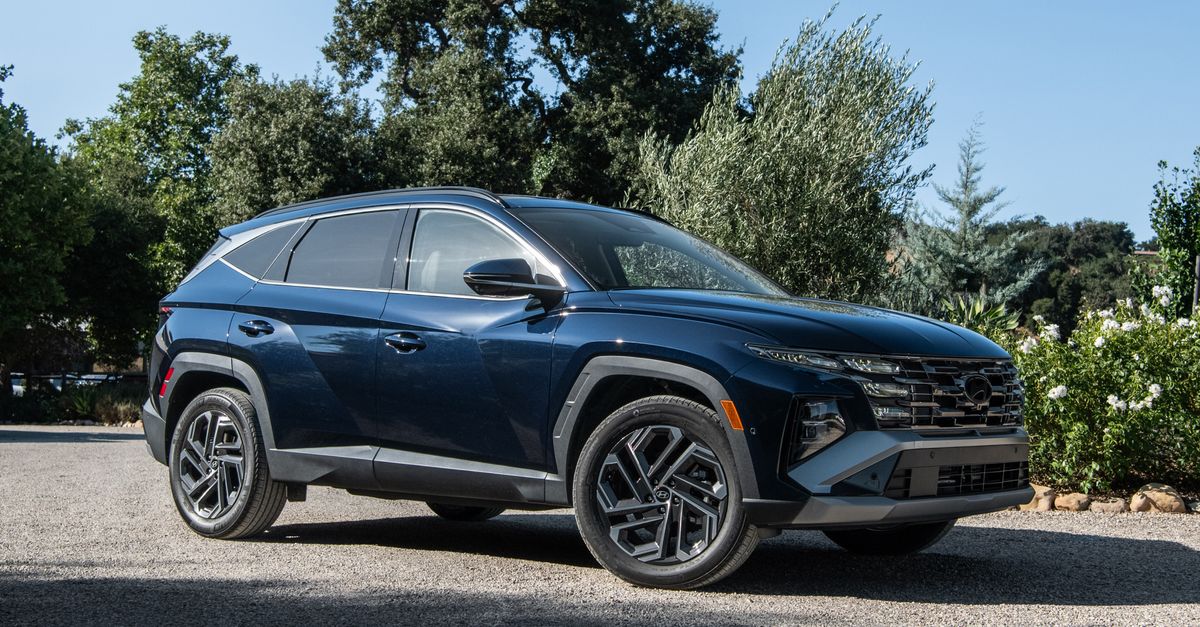
If you are deciding between a gas or hybrid SUV in Connecticut for 2026, the key factors to consider are your driving habits, fuel costs, resale expectations, and how you plan to use your vehicle. Hybrid SUVs typically deliver significant fuel savings for Connecticut drivers who accumulate higher annual mileage, especially in city or mixed city-highway conditions. Gas SUVs, on the other hand, may be the better fit if your priority is initial purchase price, maximum towing capability, or if you drive fewer miles each year.
At Gates GMC Nissan, our decades of experience helping Connecticut families select the right SUV give us a clear perspective: there is no single “best” answer, but we recommend a step-by-step approach to align your purchase with your real-world needs, budget, and long-term cost of ownership.
What Is the Difference Between Gas and Hybrid SUVs?
A gas SUV uses a traditional internal combustion engine running solely on gasoline. A hybrid SUV combines a gas engine with an electric motor and battery to reduce fuel usage, especially at lower speeds or during stop-and-go driving. Hybrid SUVs automatically switch between power sources for maximum efficiency.

Gas vs Hybrid SUVs: At-a-Glance Comparison
- Fuel Costs: Hybrids typically use 30% to 60% less fuel than a comparable gas SUV, saving $400-$700 per year for many Connecticut drivers who drive 12,000+ miles annually.
- Upfront Price: Hybrids generally cost $2,500–$3,000 more than similar gas trims.
- Performance: Hybrids often feel quicker in city driving due to instant electric torque, but may have lower maximum towing capability.
- Resale Value: Hybrids typically retain value better, especially as efficient SUVs are in growing demand in New England.
- Maintenance & Simplicity: Both require routine service, but hybrids may have slightly reduced brake wear (thanks to regenerative braking) and should be serviced by facilities with hybrid expertise, such as Gates GMC Nissan.
How Much Money Can a Hybrid SUV Save for Connecticut Drivers?
The biggest savings from a hybrid SUV come from lower fuel consumption. For example, a typical 2026 hybrid midsize SUV can achieve 36–42 MPG compared to 26–29 MPG for a comparable gas model. The annual difference is about $440, based on 12,000 miles per year and average Connecticut fuel prices.
However, you pay a “hybrid premium” up front—often $2,500 to $3,000 more for the hybrid. Most Connecticut drivers who drive near or above 12,000 miles a year recoup this premium in fuel savings alone within 4–5 years. If you keep your vehicle longer or hybrids maintain higher trade-in value, the cost advantage can expand.
Connecticut Factors: Why Driving Habits Matter
- City vs Highway: Hybrids shine in start-stop city and suburban routes—like frequent errands in Norwich or rush hour in Eastern Connecticut. Highway commuters still benefit, but the gap narrows as gas engines are most efficient at steady speeds.
- Short Trips, Cold Weather: Cold New England winters and short drives can affect hybrid and gas SUV efficiency, but hybrids’ electric drive minimizes engine idling and waste, boosting city-MPG even in winter.
- Towing & Heavy Loads: If you frequently tow boats or trailers (over 3,000–5,000 pounds), a gas or full-size SUV is typically the better fit due to higher rated towing capacity.

Real-World Use Cases: Which SUV Type Makes Sense for You?
1. The Connecticut Commuter
- Drives 12,000–15,000 miles per year, often on mixed city-highway routes (e.g., Windham to Hartford)
- Hybrid wins: Fuel savings usually pay off the premium in under 5 years, with better resale value and smoother everyday driving.
2. Local/Low-Mileage Driver
- Drives less than 8,000 miles per year, mostly short trips or errands, and prefers the lowest purchase price.
- Gas may be better: It takes much longer to recoup the hybrid premium via fuel savings alone. Some drivers will still prefer hybrids for quietness and city MPG, but a gas SUV can be more affordable long-term.
3. Family Road-Tripper & Occasional Towing
- Family takes long road trips or hauls trailers, boats, or campers above 3,000 pounds.
- Gas SUV advantage: Higher maximum towing capacity and long-distance reliability favor gas SUVs. For light or occasional towing (under 2,000 pounds), many hybrids are now up to the task.
Step-by-Step: Decide Which SUV Type Is Right for You in 2026
- Estimate Annual Mileage. Higher mileage boosts hybrid payback.
- Analyze Your Driving Mix. City (hybrid advantage), highway (smaller hybrid edge but still present).
- Clarify Towing & Cargo Needs. Gas excels for heavy loads—see realistic tow ratings for specific models.
- Compare Upfront Costs. Check the real hybrid premium for your target models.
- Calculate Fuel Savings. Divide annual miles by expected MPG, multiply by local gas price.
- Factor in Ownership Horizon. Five years or more? Hybrids usually win out. Planning to upgrade in two or three? Check expected resale values and compare.
Maintenance & Service: What to Expect from Gates GMC Nissan
Routine service intervals for gas and hybrid SUVs are often similar—oil, tires, brakes, suspension. Hybrids need experts for battery and high-voltage systems. At Gates GMC Nissan, our GM- and Nissan-certified technicians are trained on virtually all makes and models, including the latest hybrid systems. We also offer OEM parts and support every step of ownership to meet the needs of Connecticut drivers, whether your SUV is gas or hybrid.
Resale Value: Hybrids Often Lead
Strong demand in 2026 for fuel-efficient SUVs means hybrid models frequently hold resale value better for Connecticut shoppers. If you expect to trade-in your vehicle or want maximum value for your next purchase, hybrids are often a safer bet. Our team’s transparent, “We Take Anything In Trade!” approach at Gates GMC Nissan can help you maximize your vehicle’s value—whether you’re trading in a gas or hybrid model.
Best Practices for Connecticut SUV Buyers
- Test drive both gas and hybrid versions on real routes to experience the fuel economy, performance, and comfort differences yourself. Schedule a test drive online or by phone.
- Use tools like our payment calculator to understand how the hybrid premium fits your budget.
- Browse new GMC and Nissan inventory or explore transparent used and certified pre-owned listings to find your best match.
- Consider the changing landscape of Connecticut gas prices and the potential for new vehicle tax incentives—discuss options with your dealer.
- If you are shopping on a seasonal basis, you may also find useful insights in our blog Is June a Smart Time to Buy a Car in Connecticut?.

Frequently Asked Questions
What’s the typical payback period for a hybrid SUV in Connecticut?
Most Connecticut drivers who log 12,000 or more miles annually can recoup the hybrid price premium in about 4–5 years through fuel savings alone. Shorter ownership cycles or lower mileage may mean gas SUVs are more cost-effective up front.
Is a hybrid SUV reliable in New England winters?
Modern hybrid systems are engineered for cold climates and are as reliable as their gas counterparts. Regenerative braking and instant electric torque actually benefit city driving in snow or cold conditions. Always check your owner’s manual and have your vehicle serviced at a certified shop like Gates GMC Nissan.
Can hybrids tow as much as gas SUVs?
Many hybrids can tow light trailers or small boats (typically 1,000–2,000 pounds), but gas SUVs and truck-based models remain better suited for heavier hauling (often 4,000 pounds or more).
Does resale value favor hybrid SUVs in Connecticut?
Hybrids often retain value better than equivalent gas SUVs due to strong ongoing demand for fuel efficiency. Actual resale values depend on model, trim, condition, and market trends, but hybrids are a solid choice if you plan to trade in within five to seven years.
Who can service my hybrid in North Windham or Eastern Connecticut?
Gates GMC Nissan offers GM- and Nissan-certified hybrid service as well as support for most other makes and models. Our technicians stay trained on emerging automotive technology so you can maintain your SUV with confidence.
Conclusion: Finding Your Best SUV Match for 2026
The choice between gas and hybrid SUVs for Connecticut drivers in 2026 is ultimately personal and practical. If you are seeking maximum fuel efficiency and plan to drive long distances or keep your SUV for many years, a hybrid will almost always be the smarter economic and environmental choice. Gas SUVs still win out for those prioritizing lowest upfront cost, uncomplicated towing, or short-term use.
At every step, you can count on Gates GMC Nissan as your go-to resource for transparent information, certified service, and a vast selection of new, used, and certified pre-owned SUVs. Explore options tailored for Connecticut’s unique roads and weather, or contact us to discuss your individual needs with the team that’s been local and family-owned since 1986.
Connect with us


