
Blog

All Buying Guides GMC Dealership Celebrations Dealership History GMC Model Research & Comparisons GMC Technology Nissan SUVs
Gates GMC Nissan Celebrates 40 Years

Gates GMC Nissan Celebrates 40 Years

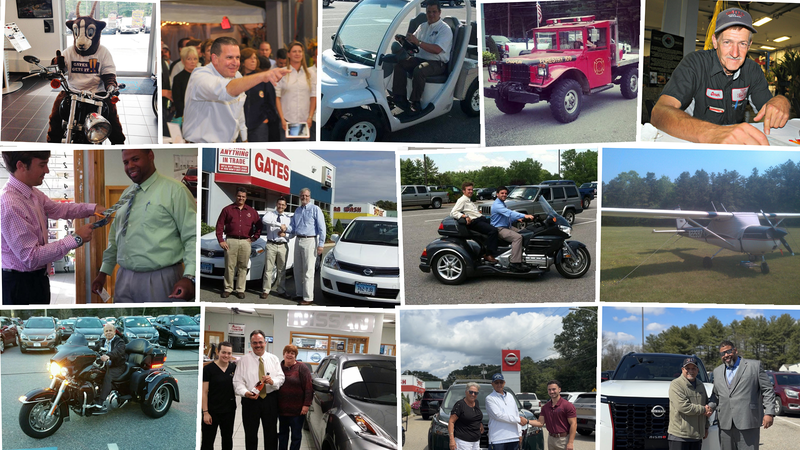
Gates GMC Nissan Celebrates 40 Years A history of the North Windham dealership and the family behind it December 1986 to December 2026 On December 1, 2026, Gates GMC Nissan will celebrate 40 years in business, a milestone that began with two gas pumps, 12 vehicles and nine employees in North Windham, Connecticut. What started as Craig Gates’s purchase of a small GMC truck dealership became the foundation of a family business whose reach would extend across automotive sales and service, real estate, hospitality and community philanthropy. The anniversary belongs first to the dealership where that story began. It also reflects the people who helped build it: the family members who supported Craig’s first venture, the employees who made their careers there, the customers who placed their trust in the business, and the communities that grew alongside it. Over four decades, Gates GMC Nissan became both a business in its own right and the starting point for a much larger Gates family enterprise. Craig Gates and the road to North Windham Craig’s connection to the automotive business began before he owned a dealership. His father, Gary Gates, had a successful career in automotive sales, exposing him to the industry and its possibilities while he was growing up. Craig developed his own contacts and an appetite for business opportunities, auctions and the fast pace of buying and selling. At Putnam High School, where he was a member of the Class of 1980, Craig parked a cattle truck in the student parking lot. In his high school class will, Craig Gates wrote, “I, Craig Gates, leave my parking place to anybody who drives a cattle truck or a Cadillac.” The detail captures a young man already comfortable moving between practical work and bigger ambitions. Craig was also nominated and inducted into the Putnam High School Wall of Honor in 2019, earning a lasting place among the school’s distinguished honorees. Craig began his automotive career at Cargill Chevrolet in Putnam, where he demonstrated ability in both sales and management. The business suited him: it rewarded energy, confidence, personal relationships and an eye for opportunity. Before long, he was ready to take on the responsibility of ownership while raising a young family of his own. In 1986, Craig’s stepfather, Al LeSage, introduced him to the Bousa family, who were interested in selling their North Windham dealership. Craig purchased Joe Bousa’s Garage, establishing the business that became Gates GMC. His family, close friends and then father-in-law, Maurice Hamel, provided important support during those formative years. That purchase was the beginning of the Gates dealership story. The operation was modest, but Craig had found a business in which his experience and ambition could take root. The original dealership and the addition of Nissan The earliest Gates operation sold GMC trucks. Its two gas pumps, dozen vehicles and nine employees provide a striking measure of how small the business was at the start. Building it required the daily work of selling vehicles, maintaining them, serving customers and earning the next referral. The business grew through honest work, personal attention and care for both customers and employees. Those principles mattered particularly in a dealership serving the towns and communities of northeastern Connecticut, where a customer’s experience could influence friends, relatives and neighbors. A defining expansion came in 1992, when Craig added Nissan to the business. The acquisition brought GMC and Nissan together and established the combination of brands at the center of the Gates GMC Nissan identity. Adding Nissan broadened the dealership’s offerings beyond its original GMC truck business. The North Windham operation developed into a dealership selling and servicing new and used vehicles, supported by technicians, parts personnel, salespeople and an office staff responsible for the work behind each transaction. The business operated as Gates GMC Nissan, with its dealership address at 143 Boston Post Road in North Windham. That location became the base from which the Gates name reached a wider market. Building a destination dealership Growth in North Windham came with a practical challenge. The dealership was outside a major metropolitan area and was not directly off a major highway. Attracting customers from greater distances required a deliberate investment in marketing and the customer experience. Gates developed a recognizable advertising voice through television, radio and online media. “Gates Gets It” and “We take anything in trade. Goats, boats, trains and planes. You name it, we trade” gave the business a personality and made its name easier to remember beyond its immediate neighborhood. That attention to the customer extends beyond advertising. The North Windham dealership offers factory-trained service technicians, covered service valet parking, a local shuttle, rental options and a parts department with delivery service. These conveniences support the everyday work of keeping customers and their vehicles on the road. A family business grows beyond its first location Gates GMC became the starting point for the dealerships that followed. The North Windham business laid the foundation for expansion into additional automotive brands, locations and related services. Columbia Ford began serving customers in 1991, adding another early chapter to the family’s automotive growth. Over time, the Gates family’s automotive businesses expanded to include Columbia Ford Kia, Putnam Chrysler Dodge Jeep Ram Kia, Spotless Auto Wash & Appearance Center, Columbia Collision Center, Putnam Body Shop, and Jolly John’s Truck & Equipment. The next generation also helped extend that history. Craig’s son, Denny Gates, purchased Capitol Garage Chrysler Dodge Jeep Ram in 2017 and Wile Hyundai in 2020. The family’s presence expanded into New London with Capitol South Chrysler Dodge Jeep Ram in 2024, following the acquisition of the former Secor Chrysler Dodge Jeep business. Kia of Groton joined the family’s automotive operations in 2026, extending that presence into Groton. The expansion reached beyond vehicle showrooms to include three body shops, a heavy equipment repair center and a 32,000-square-foot automotive parts warehouse. The parts distribution network extended into New Hampshire, Massachusetts, Connecticut and New York. Commercial vehicle and fleet services added another way to support the businesses that depended on reliable transportation. Craig’s interests also expanded into real estate and hospitality. He saw possibilities in properties ranging from restaurants to an abandoned alpaca farm. Those interests grew into wedding venues, including StoneHurst at Hampton Valley, as well as the Black Dog Bar & Grille and the Thunderbird Café at Columbia Ford Kia. Real estate holdings also provided locations for other automotive and restaurant businesses. One particularly personal connection involved the Black Dog Bar & Grille. Years before Craig owned the property, it was the Stables Restaurant, the site of a community award ceremony at which he had been honored. Its later place in his business story linked an early recognition of his community service with his interest in restoring and developing local properties. The next generation and the people behind the business Denny Gates grew up around Gates GMC Nissan and has worked in every department. That experience gave him an understanding of the dealership from several perspectives and reinforced the importance of caring for the people on both sides of the service counter and sales desk. The company encouraged promotion from within, valued employees who had been there since its earliest days and included multiple generations of working families. From its original nine employees, the wider family enterprise grew to employ hundreds of people across its automotive, hospitality and other operations. Company picnics and Christmas gatherings became opportunities to thank employees and bring people together. Craig would observe the events and make notes about how they could be improved the following year. He placed value on saying “please” and “thank you,” and wanted employees to feel appreciated. A nickname that followed him for years was “Craig Gates—The Working Man’s Friend.” It reflected the importance he placed on relationships with employees and the working families who depended on the company. The family placed a high priority on retaining employees and providing opportunities to build long careers. Its staff remained central to the company’s success, and the family looked toward future generations continuing the business. Adapting when the automotive business changed The history of Gates also includes periods when the industry required a different approach. During the pandemic-era supply chain disruptions and semiconductor shortages, the availability of new vehicles declined sharply, changing the way dealerships and their customers approached buying and maintaining vehicles. The company responded with stronger pre-owned vehicle sales and increased activity in its parts and service departments. Customers who delayed replacing their vehicles needed help maintaining and repairing the ones they already owned. The business continued adding employees during that period. That experience illustrates the value of the dealership’s development into a full-service operation. Sales remained important, but service, parts and the ability to respond to changing customer needs also supported the business through a difficult market. Community involvement that began before the dealership Craig’s commitment to local causes predates his ownership of Gates GMC. In 1985, the Putnam Area Chamber of Commerce presented Craig and Kevin Foley with a special Community Service Award for their efforts in the “Light up Putnam” campaign. The recognition came a year before Craig purchased Joe Bousa’s Garage. Craig supported charities, children’s programs and community organizations in ways that went beyond writing a check. One substantial effort involved the Willimantic Elks Lodge No. 1311, where he helped lead a building improvement project. He advanced approximately $250,000 and worked with the lodge on fundraisers, raffles and other events to repay the advance and support the organization’s renewal. Another project honored his father, Gary Gates, who died in 2010. Craig helped facilitate the Gary Gates Barn Renovation Project for the Windham County 4-H Foundation. Funds supported repairs to Horse Barn No. 1 for the organization’s horse camp program, connecting a family remembrance with an investment in opportunities for young people. The family has supported veterans’ causes, canine sponsorships, Little League, 4-H, hospitals, emergency response organizations and community programs. Organizations and events supported over the years include the Woodstock Fair Horse Show, Friends of Plainfield, Putnam Science Academy, Windham Theatre Guild, Northeast Opportunities for Wellness, Day Kimball Hospital, Thread City Dance Company, Boy Scout Troop 27, Guardians of the Flame, The ARC and the Northeast Chamber of Commerce. Denny’s community involvement has included board service with Jolly John’s Keep You Truckin Foundation and the Chamber of Commerce Northeastern CT, service as a Windham Hospital corporator, and board service with Make-A-Wish Connecticut. These commitments placed members of the family in ongoing community roles as well as fundraising and donation efforts. Jolly John’s Keep You Truckin One of the most personal chapters in the Gates family’s history began with the loss of John Bellavance on July 19, 2012. John was Craig’s cousin, confidant and best friend. During his battle with leukemia, he became concerned about how other patients and their families managed a serious illness while also struggling to meet everyday financial obligations. The Jolly John’s Keep You Truckin’ Fund was established in 2012 to carry that concern forward. With Craig helping lead the effort and volunteers contributing their time, the nonprofit provides financial relief to cancer patients and their families, helping pay bills and easing some of the pressure that accompanies treatment. By August 24, 2026, the fund had helped 396 families and distributed $1,044,760.41 directly to recipients. Its work serves cancer patients in Windham, Tolland and New London counties, turning the generosity of donors and volunteers into practical assistance for local families. In 2026, the fund marked 14 years of helping families. It operates through volunteers and donations, with no paid staff. Its annual fundraiser brings together supporters, local businesses and the dealership community for auctions, entertainment and a shared effort to help neighbors facing cancer. The fund gives a particularly clear picture of the connection between the Gates family and its community. A family member’s wish became an organization, and the resources and relationships developed through years in business helped give that wish practical effect. Forty years from a small beginning As Gates GMC Nissan approaches its December 1, 2026 anniversary, the original scale of the dealership remains one of the most telling details in its history. Two gas pumps, 12 vehicles and nine employees were enough to begin a business that would support careers, introduce a new generation to dealership leadership, and help launch an expanding group of automotive and other enterprises. Craig Gates’s story runs through each stage: learning the business in Putnam, taking the opportunity in North Windham, adding Nissan, investing in people and properties, and using the relationships built along the way to support local causes. Denny and other members of the family became part of that story, alongside employees whose work made the business possible. The 40th anniversary is an opportunity to recognize all of them. It marks the years of service provided to customers, the trust that brought people back, and the contribution of employees and neighbors whose involvement turned a small dealership into an enduring local institution. On December 1, 2026, Gates GMC Nissan will celebrate the business Craig began in 1986 and the community that has been part of its history ever since.
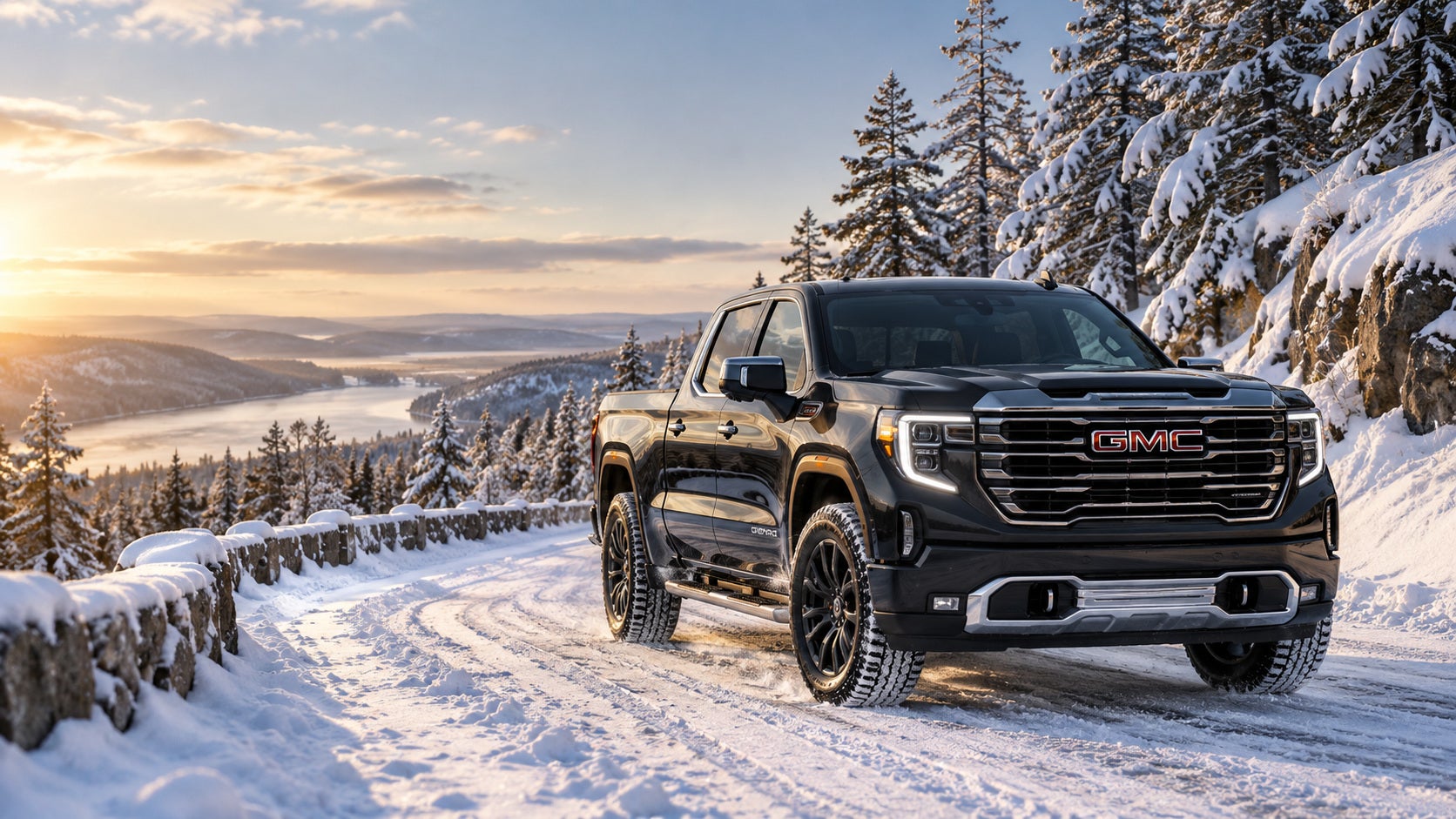
GMC Sierra pickup truck driving on a snow-covered road, highlighting GMC winter driving capabilities and features for Connecticut drivers.

GMC Winter Driving Guide: 7 Features for Connecticut

Is Your GMC Ready for a Connecticut Winter? 7 Features That Make Winter Driving Easier Winter driving in Connecticut can be unpredictable. One day you're enjoying a clear commute through Mansfield, and the next you're navigating snow-covered roads, freezing temperatures, and icy conditions. Whether you drive a GMC Sierra, Terrain, Acadia, or Yukon, knowing which features can help you handle winter weather makes a difference. At Gates GMC Nissan in North Windham, CT, we're helping Connecticut drivers prepare for the colder months by highlighting seven GMC features worth knowing before the first snowfall. 1. Available All-Wheel Drive and Four-Wheel Drive When winter weather arrives, traction becomes especially important. Many GMC SUVs offer available all-wheel drive (AWD), while GMC trucks and select SUVs offer four-wheel-drive (4WD) systems. What's the difference? AWD: Helps distribute power between the front and rear wheels to improve traction in changing road conditions. 4WD: Provides additional traction when needed, including on snowy roads and challenging terrain, depending on the selected setting. Both systems can help you get moving in slippery conditions, but neither replaces proper winter tires or careful driving. Explore our new GMC inventory to find a vehicle that fits your Connecticut driving needs. 2. Snow/Ice and Weather Drive Modes Did you know some GMC vehicles offer driving modes specifically designed for slippery conditions? Depending on your model and equipment, Snow/Ice or Weather Mode can adjust throttle response and other vehicle settings to help manage wheel slip. These features are especially useful when navigating snowy neighborhood streets, slippery intersections, or changing road conditions. Check your owner's manual to see which drive modes your GMC offers and when to use them. 3. Heated Seats and Heated Steering Wheels There's nothing quite like getting into a cold vehicle on a freezing Connecticut morning. Available heated front seats and heated steering wheels make winter commutes more comfortable, especially during those early drives to work or school. These comfort features are offered on select GMC models and trims, making them worth considering when shopping for your next vehicle. 4. Remote Start for Cold Mornings Imagine getting ready for work while your GMC is already warming up outside. Available remote start lets you start a properly equipped GMC before getting in, helping prepare the cabin for your drive. Depending on your vehicle's equipment and settings, climate features may also activate. Always use remote start outdoors in a well-ventilated area, never inside an enclosed garage. 5. Available Heated Mirrors and Rear Defoggers Snow, frost, and condensation can make visibility more difficult during Connecticut winters. Available heated outside mirrors and rear-window defoggers help clear moisture and frost, making it easier to prepare for your drive. Before leaving, always remove snow and ice from all windows, mirrors, lights, and the vehicle's roof. 6. Traction and Stability Control Systems Even experienced drivers can encounter unexpected slippery conditions. GMC vehicles offer electronic traction and stability control technologies designed to help maintain control when traction becomes limited. These systems can help manage wheel slip and vehicle stability, but they cannot overcome the laws of physics. Slow down, increase following distance, and allow extra time for braking when roads are snowy or icy. 7. Available Driver Assistance and Visibility Features Winter weather can make everyday driving more demanding. Depending on the GMC model and trim, available technologies such as Forward Collision Alert, Automatic Emergency Braking, and camera systems may provide additional assistance. However, snow, ice, and road grime can obstruct cameras and sensors, and poor visibility can limit system performance. Always keep your vehicle's sensors and cameras clear and remain fully attentive behind the wheel. Don't Forget: Winter Maintenance Matters Too! Even with helpful winter features, routine maintenance is essential. Before Connecticut's coldest weather arrives, consider checking: Tire condition, tread depth, and inflation pressure Battery health Windshield wipers and washer fluid Heating and defrosting systems Brakes and exterior lights Engine coolant and other recommended fluids Need help preparing your GMC for winter? Our certified service team at Gates GMC Nissan in North Windham is here to help. Schedule your GMC service appointment today. Find Your Winter-Ready GMC at Gates GMC Nissan in North Windham, CT Whether you're commuting through Willimantic, traveling from Mansfield, or exploring the back roads of eastern Connecticut, the right GMC can help make winter driving more comfortable and manageable. From the capable GMC Sierra to the versatile GMC Terrain, Acadia, and Yukon, there's a GMC for a variety of lifestyles. At Gates GMC Nissan, we're proud to help drivers throughout North Windham, Mansfield, Norwich, Coventry, and surrounding Connecticut communities find the right vehicle. Ready to explore your options? Shop our new GMC inventory or visit us at 143 Boston Post Road, North Windham, CT 06256. Have questions? Call our sales team at 860-455-4736. Features vary by model, model year, trim, and equipment. Always consult your vehicle's owner's manual for operating instructions.

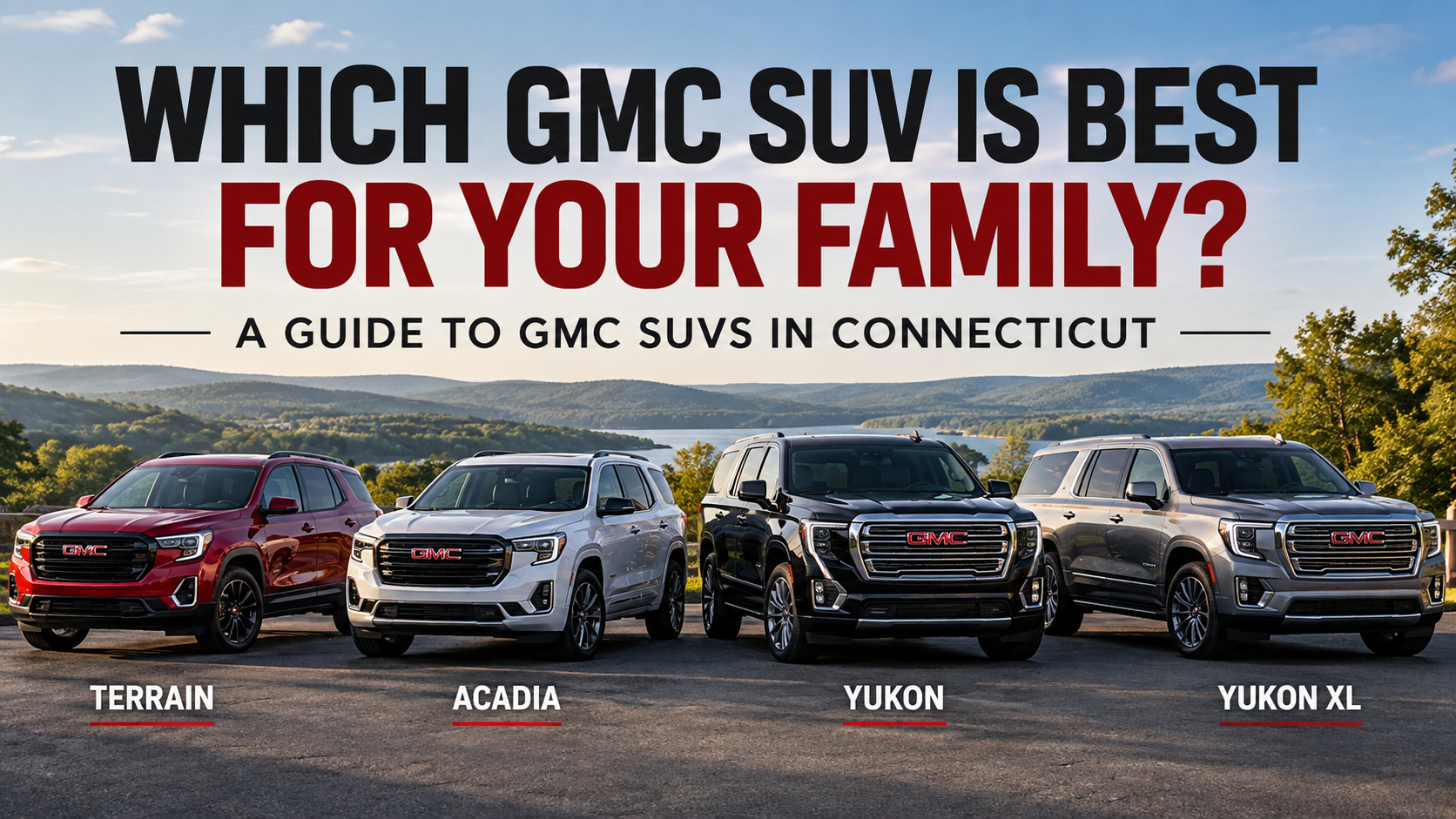
GMC Terrain, Acadia, Yukon and Yukon XL comparison for families in Connecticut.

Which GMC SUV Is Best for Your Family? A Guide to GMC SUVs in Connecticut

Which GMC SUV Is Best for Your Family? A Guide to GMC SUVs in Connecticut Shopping for a GMC SUV in Connecticut but not sure which model is the best fit for your family? From daily commutes and school drop-offs to weekend road trips and family vacations, choosing the right SUV comes down to much more than simply counting seats. GMC offers several SUV options for different lifestyles, including the compact GMC Terrain, three-row GMC Acadia, full-size GMC Yukon, and spacious GMC Yukon XL. At Gates GMC Nissan in North Windham, CT, we help drivers from North Windham, Mansfield, Norwich, Coventry, and surrounding Connecticut communities find vehicles that fit their everyday needs. So, which GMC SUV is best for your family? Let's compare the 2026 GMC Terrain, Acadia, Yukon, and Yukon XL. 2026 GMC Terrain: A Great Everyday Family SUV If you want the versatility of an SUV without driving something oversized, the 2026 GMC Terrain is a great place to start. The Terrain seats up to five passengers and offers up to 63.5 cubic feet of cargo space behind the first row with the rear seats folded, giving families plenty of flexibility for groceries, sports equipment, luggage, and everyday gear. Its smaller footprint can also make the Terrain a convenient option for commuting, running errands, school drop-offs, and navigating parking lots. Technology is another highlight. Depending on configuration, Terrain shoppers can find features such as a 15-inch diagonal Premium GMC Infotainment System, available camera views, an available AutoSense power liftgate, and a wide range of standard safety and driver-assistance technologies. Want to take a closer look? Explore the 2026 GMC Terrain at Gates GMC. Who is the GMC Terrain best for? The Terrain may be a great fit if: You have a smaller family You primarily need two rows of seating You want an SUV that's easy to use for everyday driving Parking and maneuverability matter to you You still want flexible cargo room for everyday life For couples, young families, commuters, or anyone who doesn't need a third row, the Terrain offers a practical combination of technology, comfort, and versatility. 2026 GMC Acadia: Three-Row Versatility for Growing Families Need a third row but aren't sure you want to jump all the way to a full-size SUV? That's where the 2026 GMC Acadia comes in. The Acadia is GMC's three-row mid-size SUV, making it an appealing option for growing families and drivers who regularly carry additional passengers. Its larger interior gives families more flexibility when balancing passengers and cargo, while its mid-size dimensions can make it easier to manage than a full-size SUV. The Acadia also offers modern GMC technology and available features designed to make longer drives more comfortable. Depending on trim and configuration, shoppers can find advanced driver-assistance technology, large infotainment displays, premium interior options, and plenty of family-friendly convenience features. You can browse new GMC inventory at Gates GMC to see current Acadia availability and other GMC SUVs for sale in North Windham. Who is the GMC Acadia best for? Consider the Acadia if: You need three rows of seating Your family is growing You regularly carry kids, friends, or additional passengers You want more room than a compact SUV You don't necessarily need the size of a Yukon You want a balance of everyday usability and family space For many Connecticut families, the Acadia can be the sweet spot between a smaller crossover and a full-size SUV. 2026 GMC Yukon: Full-Size Space and Capability For families who need even more room, capability, and available premium features, there's the 2026 GMC Yukon. The Yukon is a full-size, three-row SUV designed for drivers who want generous passenger space without giving up capability. Its larger size makes it especially useful for family road trips, sports equipment, luggage, and busy households that regularly use all three rows. The Yukon lineup also offers access to some of GMC's most advanced available technology and premium features. Depending on configuration, that can include Super Cruise hands-free driver assistance, premium interior appointments, advanced camera technology, and available capability-focused features. If Super Cruise is one of the features you're considering, read our guide to How GMC Super Cruise Works to learn more about GMC's available hands-free driving technology. Who is the GMC Yukon best for? The Yukon may make sense if: You have a larger family You regularly use all three rows You want full-size SUV capability You take frequent family road trips You have significant passenger or cargo needs You want access to premium GMC technology and features The Yukon is a strong option for drivers who don't want to choose between family practicality, capability, and comfort. Check our new GMC inventory in North Windham to see current Yukon availability. 2026 GMC Yukon XL: Maximum Room for Passengers and Cargo Need even more space? That's where the GMC Yukon XL comes in. The Yukon XL takes the full-size Yukon formula and adds additional room, making it an excellent option for families who regularly need three rows of passengers and space for everyone's belongings. That extra cargo capacity can be especially valuable for road trips, sports families, vacations, camping gear, strollers, or simply those days when it feels like the entire house is coming along for the ride. Who is the GMC Yukon XL best for? Consider the Yukon XL if: You regularly travel with a full vehicle You need three rows without sacrificing as much cargo room You take long family road trips You frequently transport sports equipment, luggage, strollers, or other large items Maximum interior space is one of your top priorities If you've ever filled every seat in an SUV and then wondered where everyone's luggage was supposed to go, the Yukon XL deserves a closer look. You can see available Yukon XL models and other new GMC SUVs for sale at Gates GMC. GMC Terrain vs. Acadia vs. Yukon vs. Yukon XL: Which Is Best for Your Family? There isn't one GMC SUV that's right for every family. The best choice depends on how many people you regularly carry, how much cargo space you need, and how you use your vehicle. Choose the GMC Terrain if: You want a smaller two-row SUV that's practical for commuting, errands, and everyday family life. Choose the GMC Acadia if: You want three-row versatility and additional passenger space without moving all the way up to a full-size SUV. Choose the GMC Yukon if: You want a full-size SUV with three-row seating, strong capability, advanced technology, and available premium features. Choose the GMC Yukon XL if: You want maximum passenger and cargo versatility, especially if you regularly use the third row while carrying plenty of gear. A family commuting around eastern Connecticut may have very different needs from a larger family that regularly travels with luggage, sports equipment, or a trailer. That's why comparing these SUVs side by side can make choosing the right one much easier. Shop GMC SUVs in North Windham, Connecticut Still deciding between the GMC Terrain, Acadia, Yukon, and Yukon XL? Sometimes the easiest way to find the right family SUV is to experience the differences in person. At Gates GMC Nissan in North Windham, you can compare GMC SUVs, explore different trims and features, and find a vehicle that fits your family's lifestyle. Whether you're looking for the everyday versatility of a Terrain, the three-row flexibility of an Acadia, the full-size capability of a Yukon, or the additional room of a Yukon XL, our team is here to help. Browse our new GMC inventory to see what's currently available, or contact Gates GMC to learn more about a vehicle or plan your visit. Gates GMC Nissan 143 Boston Post Road North Windham, CT 06256

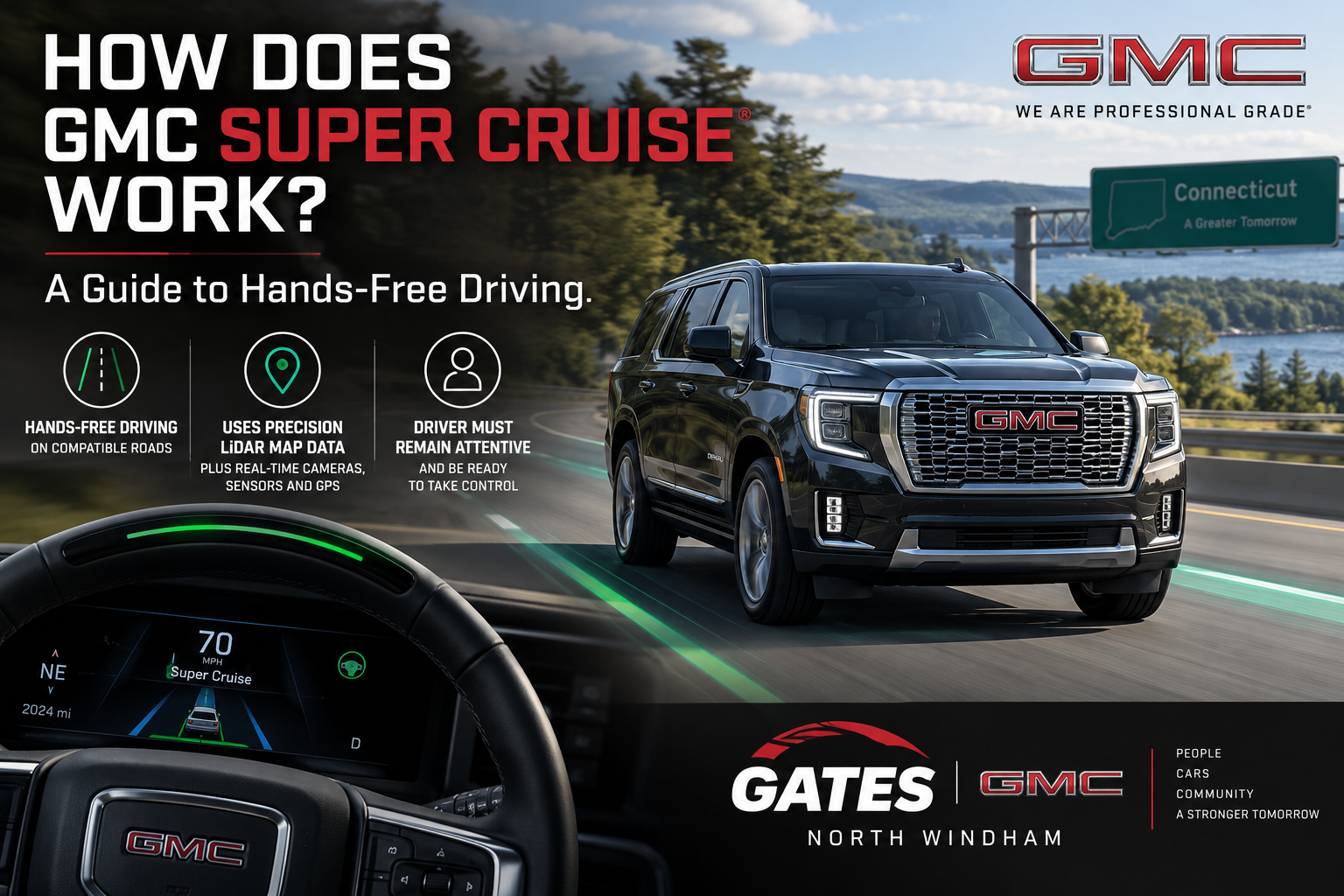
GMC Super Cruise hands-free driving technology guide from Gates GMC Nissan in North Windham, CT

How Does GMC Super Cruise Work? A Guide to Hands-Free Driving

If you’ve been shopping for a new GMC, you may have seen Super Cruise® listed as an available feature on select models. But what exactly is Super Cruise, and how does hands-free driving actually work? Super Cruise is GMC’s advanced driver-assistance technology designed to allow hands-free driving on compatible roads when conditions are appropriate. Using a combination of cameras, radar sensors, GPS, precision map data and Adaptive Cruise Control, Super Cruise can help control your vehicle’s steering, acceleration and braking while you keep your attention on the road. For drivers in Connecticut who spend plenty of time commuting, traveling on the highway or heading out on longer road trips, Super Cruise can completely change the way a properly equipped GMC feels on the road. What Is GMC Super Cruise? Super Cruise is a hands-free driver-assistance system available on select GMC vehicles. When you’re traveling on a compatible road and the necessary conditions are met, the system can help keep your GMC centered in its lane while Adaptive Cruise Control manages your set speed and following distance. The important distinction is that Super Cruise is not self-driving technology. You are still responsible for the vehicle and must remain attentive and ready to take control at any time. What makes Super Cruise unique is the technology working behind the scenes to determine where your vehicle is, what is happening around it and whether conditions are appropriate for hands-free driving. How Does Super Cruise Work? Super Cruise brings several technologies together to help your GMC understand its position on the road. The system uses precision LiDAR map data, real-time cameras, radar sensors, GPS data and Adaptive Cruise Control. Together, these systems help determine the vehicle’s position within the lane, monitor surrounding traffic and maintain an appropriate speed and following distance. When Super Cruise determines that you’re on a compatible road and conditions are right, a Super Cruise symbol will appear in the driver display. Once the system is activated and the light bar at the top of the steering wheel turns green, you can remove your hands from the steering wheel. Even though your hands can be off the wheel, your attention can’t be off the road. How Does Super Cruise Know You're Paying Attention? One of the most important parts of Super Cruise is the Driver Attention System. A small camera located near the steering wheel monitors the position of your head and eyes to help determine whether you are paying attention to the road. If the system detects that your attention has moved away from the road, it can provide alerts telling you to refocus or take control of the vehicle. That means Super Cruise isn't an opportunity to check your phone, answer emails or stop paying attention. Think of it as technology designed to assist an attentive driver—not replace one. Can Super Cruise Change Lanes for You? On appropriately equipped GMC models, Super Cruise can offer lane-change functionality as well. With Turn Signal Activated Lane Change, you can activate your turn signal to request a lane change. Super Cruise will look for an opening in the selected lane and, when conditions allow, steer the vehicle through the lane change. Certain versions of Super Cruise can also perform Automatic Lane Changes. For example, the system may initiate a lane change to pass a slower vehicle, move away from a lane that is ending or provide additional space for merging traffic. Available capabilities vary by vehicle, model year and equipment, so it's important to check the specific GMC you're considering. Where Can You Use GMC Super Cruise? Super Cruise doesn't activate on every road. GM has mapped a large network of compatible roads throughout North America for Super Cruise operation. The vehicle also needs to be able to clearly detect lane markings, have access to GPS and meet other operating conditions before hands-free driving becomes available. Weather, road conditions and dirt or debris covering the vehicle's cameras or sensors can also affect whether Super Cruise is available. If the system determines that hands-free operation is no longer appropriate, it will alert you to take control. What Do the Super Cruise Light Bar Colors Mean? The light bar built into the steering wheel gives you an easy way to understand what Super Cruise is doing. Green: Super Cruise is active and hands-free driving is available. Blue: You are manually steering, and Super Cruise is temporarily allowing you to control the steering. Flashing alerts: The system may be asking you to pay attention or take control. You should always watch the driver information display and follow the vehicle's prompts while using Super Cruise. Does Super Cruise Work in Traffic? Yes, Super Cruise can operate in both highway driving and stop-and-go traffic when you're on a compatible road and the necessary conditions are met. Because Adaptive Cruise Control can manage speed and following distance while Super Cruise assists with steering, the technology can be especially useful during longer highway drives and commutes. Want to Experience Super Cruise for Yourself? Reading about hands-free driving is one thing. Seeing it operate from behind the wheel is another. If you're interested in a GMC equipped with Super Cruise, the team at Gates GMC Nissan in North Windham, Connecticut can help you explore vehicles with the technology, understand the features included on a specific model and learn how to use Super Cruise properly. [SHOP NEW GMC INVENTORY] Is GMC Super Cruise Worth Considering? If you regularly take long highway trips, commute throughout Connecticut or simply enjoy having the latest driver-assistance technology in your vehicle, Super Cruise is a feature worth learning about. It can help reduce some of the workload involved with highway driving while still keeping the driver actively involved and attentive. Features such as hands-free lane centering, Adaptive Cruise Control and available lane-change capabilities can make a properly equipped GMC feel significantly different on a long drive. Just remember: hands-free does not mean attention-free. You remain responsible for safely operating the vehicle and must be ready to take control whenever necessary. Find a GMC With Super Cruise in North Windham, CT Want to see which GMC models currently available at Gates GMC Nissan offer Super Cruise? Browse our new GMC inventory, contact our team or stop by Gates GMC Nissan in North Windham, CT. We can help you compare models, explain available Super Cruise equipment and find a GMC that fits the way you drive. Whether you're looking for a capable truck, a family SUV or some of GMC's newest technology, our team is here to help you find the right vehicle. [VIEW NEW GMC INVENTORY] [CONTACT GATES GMC NISSAN] [LEARN MORE ABOUT GMC SUPER CRUISE] Super Cruise is a driver-assistance technology and is not a substitute for driver attention. Always pay attention while driving and when using Super Cruise, use the system in accordance with applicable laws, and be prepared to take control. Availability, functionality and compatible roads vary by vehicle and equipment. An active Super Cruise plan or trial may be required.

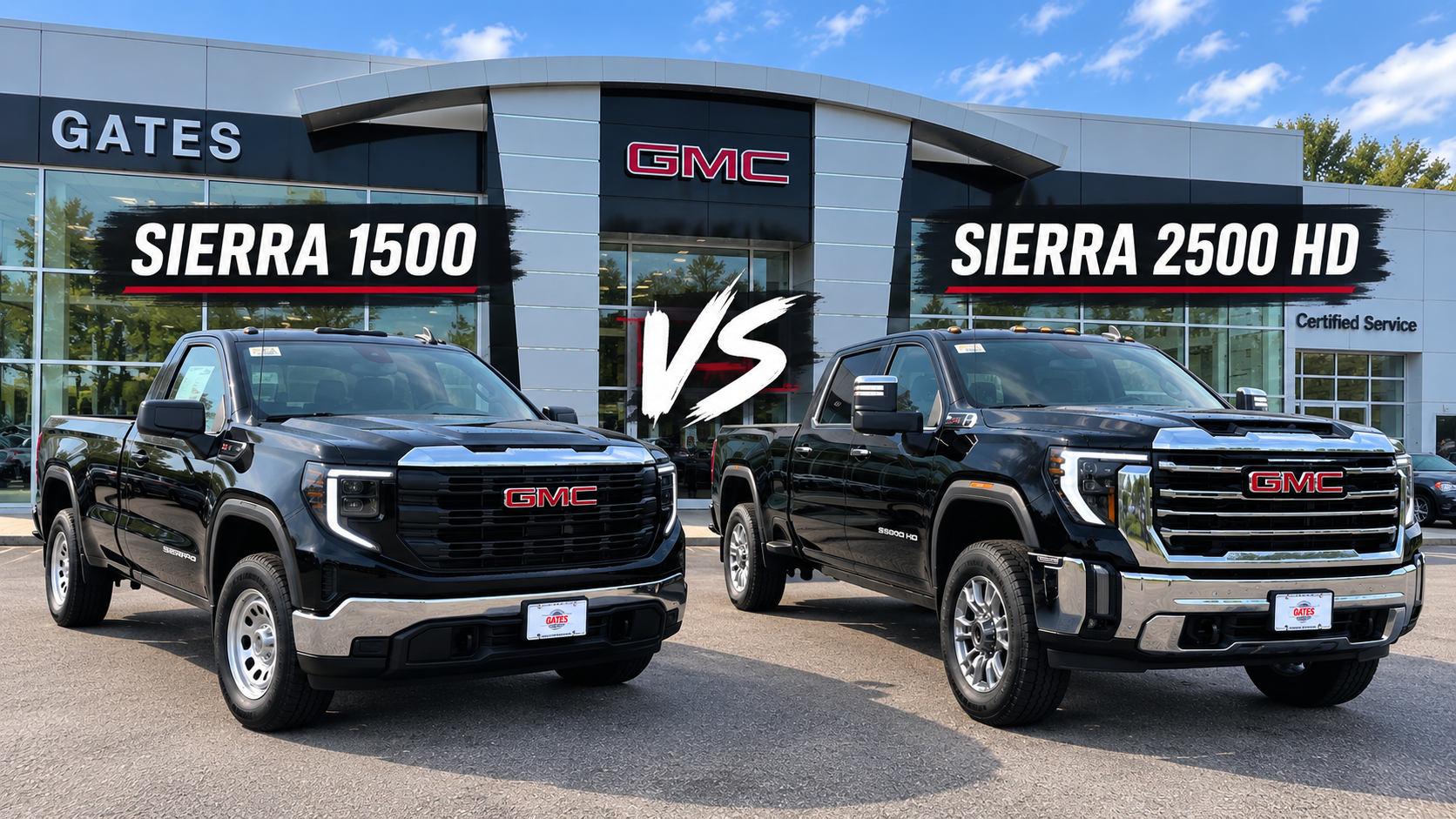
2026 GMC Sierra 1500 and Sierra 2500 HD at Gates GMC in North Windham CT

2026 GMC Sierra 1500 vs. Sierra 2500 HD: Which Truck Is Right for You?

2026 GMC Sierra 1500 vs. Sierra 2500 HD: Which Truck Is Right for You? If you’re shopping for a GMC truck in Connecticut, one of the biggest decisions you may face is choosing between the 2026 GMC Sierra 1500 and the 2026 GMC Sierra 2500 HD. Both offer impressive capability, available advanced technology, and the versatility GMC truck owners expect, but they’re built for different types of drivers and jobs. For many drivers, the Sierra 1500 offers an ideal balance of everyday comfort, towing capability, and versatility. For those who regularly tow heavier trailers, haul substantial loads, or rely on their truck for demanding work, the Sierra 2500 HD brings heavy-duty capability to the table. So, which GMC Sierra is right for you? Let’s break down some of the biggest differences. What’s the Difference Between the GMC Sierra 1500 and Sierra 2500 HD? The biggest difference comes down to capability and how you plan to use your truck. The 2026 GMC Sierra 1500 is a light-duty full-size pickup designed to handle a wide range of needs. It can serve as an everyday vehicle while still providing the capability needed for towing, hauling, home projects, recreation, and work. The 2026 GMC Sierra 2500 HD is a heavy-duty pickup designed for more demanding jobs. If regularly towing heavy equipment, larger trailers, or handling substantial workloads is part of your routine, the additional capability of the 2500 HD may make it the better choice. In simple terms, the Sierra 1500 may be the better fit if you want a versatile truck for both daily driving and work, while the Sierra 2500 HD is worth considering when heavy-duty capability is a priority. Sierra 1500 vs. Sierra 2500 HD at a Glance 2026 Sierra 1500 2026 Sierra 2500 HD Truck Class Light-duty full-size pickup Heavy-duty full-size pickup Best For Daily driving, recreation, work and towing Heavy towing, hauling and demanding work Available Diesel 3.0L Duramax Turbo-Diesel 6.6L Duramax Turbo-Diesel V8 Available Max Towing Up to 13,300 lbs.* Greater heavy-duty towing capability depending on configuration Everyday Use Excellent balance of capability and daily usability Best for drivers who need HD capability regularly Sierra 1500 vs. Sierra 2500 HD Towing Capability For many truck shoppers, towing is the deciding factor between the GMC Sierra 1500 and 2500 HD. When properly equipped, the 2026 GMC Sierra 1500 offers available maximum towing of up to 13,300 pounds. That gives the light-duty Sierra substantial capability for recreational equipment, trailers, boats, campers, and many common work-related towing needs. If your towing needs go beyond what a light-duty pickup is designed to handle, that’s where the Sierra 2500 HD comes in. Its heavy-duty platform is designed for more demanding towing and hauling applications, making it a strong choice for larger campers, equipment trailers, work equipment, and frequent heavy towing. The important question isn’t simply, “Which truck can tow more?” Instead, ask yourself: “What am I actually going to tow, how heavy is it when fully loaded, and how often will I tow it?” If towing is occasional and falls comfortably within the capabilities of a properly equipped Sierra 1500, you may not need to move up to an HD truck. If heavy towing is a regular part of your work or lifestyle, the Sierra 2500 HD deserves a closer look. Actual trailering capacity varies by configuration, including engine, drivetrain, cab, bed, equipment, passengers, cargo and other factors. Always verify the trailering information for the specific vehicle and trailer before towing. Engine Options: Sierra 1500 vs. Sierra 2500 HD Another major difference between these two trucks is what’s available under the hood. The 2026 Sierra 1500 offers multiple engine choices, giving shoppers more flexibility to match the truck to their needs. Available powertrains vary by trim and configuration and include the TurboMax engine, 5.3L EcoTec3 V8, 6.2L EcoTec3 V8, and 3.0L Duramax Turbo-Diesel. That variety is one of the advantages of the Sierra 1500. You can prioritize everyday versatility, traditional V8 power, diesel capability, towing, or a combination of those factors. The Sierra 2500 HD takes a more heavy-duty approach. Its standard 6.6L V8 gas engine produces 401 horsepower and 464 lb.-ft. of torque and is paired with an Allison 10-speed automatic transmission. For drivers who want diesel capability, the available 6.6L Duramax Turbo-Diesel V8 produces 470 horsepower and an impressive 975 lb.-ft. of torque, also paired with an Allison 10-speed automatic transmission. Ready to Compare Your Options? Sometimes the easiest way to decide between a Sierra 1500 and Sierra 2500 HD is to see them for yourself. Explore our current GMC Sierra inventory at Gates GMC in North Windham, CT, compare available configurations, and find the truck that matches what you need it to do. BROWSE GMC SIERRA INVENTORY Which GMC Sierra Is Better for Everyday Driving? If your truck will spend most of its time commuting, running errands, taking weekend trips, and occasionally towing or hauling, the Sierra 1500 is likely to make more sense for many drivers. You still get the capability of a full-size GMC pickup, but in a truck designed to balance work and everyday use. The Sierra 2500 HD becomes more compelling when you’ll actually use its additional heavy-duty capability. If your truck is regularly connected to a substantial trailer, hauling heavy loads, or serving as an important tool for your business, stepping up to an HD truck may be worthwhile. Ultimately, bigger isn’t automatically better. The right Sierra is the one that matches how you’ll actually use your truck. From Our Sales Team We asked our Gates GMC sales team: “What’s the biggest thing you tell someone who is deciding between a Sierra 1500 and Sierra 2500 HD?” The biggest thing I tell someone when deciding between a 1500 and a 2500 is the decision is best made dependent on towing capacity and payload needs. —Martin Q, Sales Consultant at Gates GMC Our sales team works with truck shoppers every day, and the answer often comes back to the same thing: understanding what you plan to tow, haul, and do with your truck can make choosing the right configuration much easier. Which Sierra Is Better for Work and Business Use? For Connecticut business owners, contractors, landscapers, tradespeople, and other professionals, the right Sierra depends heavily on the job. A Sierra 1500 may provide plenty of capability for carrying tools, traveling between job sites, towing lighter equipment, and serving as both a work and personal vehicle. For businesses regularly hauling equipment or pulling heavier trailers, the Sierra 2500 HD may make more sense. There’s also more to choosing a work truck than simply picking between “1500” and “2500.” Engine, cab configuration, bed length, drivetrain, trailering equipment, payload requirements, and how many miles you drive can all affect which truck is right for your business. Our team at Gates GMC can help you compare those options based on what you actually need from your truck. Sierra 1500 or Sierra 2500 HD for Connecticut Drivers? Here in Connecticut, trucks have to handle a little bit of everything. Your Sierra might be your daily commute during the week, a work truck on the job site, and the vehicle pulling your boat or camper on the weekend. New England weather and changing road conditions can also play a role in how you configure your truck. That makes versatility particularly important. The Sierra 1500 may be right for you if you: Want a full-size truck that can also serve as an everyday vehicle Tow recreationally or occasionally Need a pickup for home projects and weekend use Want several available engine choices Split your truck’s duties between work and personal use Don’t regularly need heavy-duty towing capability Consider the Sierra 2500 HD if you: Regularly tow heavier trailers or equipment Depend on your truck for demanding work Need capability beyond what a light-duty pickup provides Want the available 6.6L Duramax Turbo-Diesel V8 Regularly haul substantial loads Use your truck heavily for business or commercial purposes So, Should You Buy a Sierra 1500 or Sierra 2500 HD? For many drivers, the Sierra 1500 provides the sweet spot between capability and everyday usability. It offers plenty of configurations and substantial available towing capability without requiring you to step into a heavy-duty pickup. The Sierra 2500 HD is the better option when your needs genuinely call for more. Frequent heavy towing, substantial hauling, and demanding work are exactly what an HD truck is designed to handle. The best way to make the decision is to know what you’ll ask your truck to do — especially what you plan to tow and haul — and choose a configuration that comfortably meets those needs. Compare the Sierra 1500 and Sierra 2500 HD at Gates GMC Specifications can tell you a lot, but sometimes you need to see the difference between the Sierra 1500 and Sierra 2500 HD in person. At Gates GMC in North Windham, Connecticut, our team can help you compare available Sierra 1500 and Sierra 2500 HD trucks, engine options, configurations, features, and towing capability based on what you actually need. Whether you’re looking for an everyday pickup, a truck for weekend adventures, a work vehicle, or a heavy-duty towing setup, we’re here to help you find the right Sierra. Ready to Find Your GMC Sierra? [SHOP GMC SIERRA 1500 →] Browse our current new GMC Sierra 1500 inventory. [SHOP GMC SIERRA 2500 HD →] Explore our available new GMC Sierra 2500 HD trucks. [CONTACT GATES GMC / SCHEDULE A TEST DRIVE →] Have questions? Talk with our team or schedule a time to experience a Sierra for yourself. Frequently Asked Questions About the Sierra 1500 vs. 2500 HD What is the main difference between a GMC Sierra 1500 and Sierra 2500 HD? The Sierra 1500 is a light-duty full-size pickup designed to balance everyday driving, towing, hauling, recreation, and work. The Sierra 2500 HD is a heavy-duty truck designed for more demanding towing and hauling requirements. How much can a 2026 GMC Sierra 1500 tow? The 2026 GMC Sierra 1500 offers available maximum towing of up to 13,300 pounds when properly equipped. Actual towing capacity depends on the specific configuration and equipment. What engines are available in the 2026 GMC Sierra 2500 HD? The Sierra 2500 HD offers a standard 6.6L V8 gas engine and an available 6.6L Duramax Turbo-Diesel V8. Both are paired with an Allison 10-speed automatic transmission. Is the GMC Sierra 1500 or 2500 HD better for daily driving? For drivers who primarily use their truck for commuting and everyday transportation with occasional towing or hauling, the Sierra 1500 will generally be the more logical choice. Drivers who regularly require heavy-duty towing or hauling capability should consider the Sierra 2500 HD. Do I need a Sierra 2500 HD for towing? Not necessarily. A properly equipped Sierra 1500 can handle many recreational and work-related towing needs. Whether you need a 2500 HD depends on your trailer’s loaded weight, your truck’s specific configuration, how frequently you tow, and your other payload and capability requirements. Find the Right GMC Sierra at Gates GMC Whether the Sierra 1500 or Sierra 2500 HD is right for you ultimately comes down to how you plan to use your truck. From everyday driving and weekend towing to demanding work and heavy-duty hauling, there’s a Sierra built for the job. Visit Gates GMC in North Windham, CT to compare the Sierra 1500 and Sierra 2500 HD in person. Our team can help you explore available configurations, answer your questions, and find a truck that fits your needs. [BROWSE GMC SIERRA INVENTORY →]

downloaded-image

OEM vs Aftermarket Car Parts: When Does the Difference Really Matter?

Deciding between OEM (Original Equipment Manufacturer) and aftermarket car parts is one of the most important choices a vehicle owner faces when planning a repair or maintenance project. The right decision impacts your car’s performance, long-term reliability, safety, and even warranty protections. At Gates GMC Nissan, we help customers every day navigate this complex landscape by combining our deep expertise with access to certified OEM parts and reputable aftermarket alternatives. The key distinction: OEM parts are created by or for your car’s original manufacturer and match factory specifications for fit, materials, and longevity. Aftermarket parts are produced by third-party companies. Sometimes, either option will work, but the difference becomes critical for safety systems, advanced electronics, warranty protection, and collision repairs. Understanding these distinctions—when and why they matter—can save you time, money, and headaches. Definition: What are OEM and Aftermarket Parts? OEM Parts are manufactured either by the vehicle’s maker or a specifically contracted supplier. These parts are identical to those installed on your vehicle at the factory, ensuring an exact fit and consistent quality. When we source an OEM part for your Buick, GMC, or Nissan at Gates GMC Nissan, you receive what your vehicle’s engineers intended for original performance and safety. Aftermarket Parts are made by independent companies unaffiliated with your automaker. They are designed to be compatible with your car, but variations in design, tolerances, materials, and warranty support can occur depending on the brand and application. Direct Comparison: Key Differences That Really Matter Fit and Compatibility: OEM parts guarantee original fit. Aftermarket parts can be hit or miss depending on brand. Quality Consistency: OEMs must meet manufacturer standards. Aftermarket spans from high-quality to cheaply made. Warranty Impact: Using OEM parts helps protect you in warranty claims. Some aftermarket parts may complicate manufacturer coverage if failure leads to additional repairs. Price: Aftermarket parts are often 20%–50% less expensive, but a bargain can come with trade-offs in quality or fit. Availability: Aftermarket may be available immediately, which helps in urgent repairs, while some OEM parts might need to be special-ordered through a dealership. When Does the Choice Matter Most? Collision Repairs: In repairing body panels, bumpers, frames, or structural parts, fit, crash-worthiness, and even paint match are critical. OEM panels preserve safety and the car’s designed crash performance, making them the best choice after an accident. Advanced Sensors & Electronics: Vehicles today use sensors, cameras, and sophisticated computers to operate safety systems like lane assist or automatic braking. OEM electronic parts offer guaranteed compatibility. Aftermarket electrical parts may seem similar, but slight differences can cause calibration problems or false warnings. Vehicles Under Warranty/Lease: Late-model cars and leased vehicles often require OEM parts to avoid disputes or penalties for out-of-spec components, as well as to protect warranty claims. Safety-Critical Parts: Items like airbags, steering, brakes, and seatbelts are never worth risking for a small cost saving. While some aftermarket brands do meet or exceed OEM specs, the margin for error is lower in these categories—always verify the source and ask a specialist like those at Gates GMC Nissan. When Are Aftermarket Parts a Practical Choice? There are plenty of scenarios where choosing a quality aftermarket part is smart and cost-effective: Routine Wear Items: Wiper blades, cabin air filters, and non-critical accessories are usually safe aftermarket options. Older Cars Out of Warranty: When a vehicle is many years past its warranty limit, aftermarket parts help control ongoing maintenance costs. Budget-Focused Maintenance: Aftermarket brands often offer significant savings on high-mileage repairs if quality isn't sacrificed. Part Unavailability: Some OEM parts can be delayed or discontinued for older models, making trusted aftermarket parts essential to keep your car on the road. A Step-By-Step Approach to Choosing the Right Part Define the Goal: Is this a cosmetic upgrade, essential repair, or safety-critical fix? Check Warranty/Lease Rules: Still in warranty? Always confirm with your dealer or manufacturer before choosing aftermarket. Evaluate Safety Impact: If the part affects brakes, suspension, steering, or crash management, OEM is typically the right call. Compare Fit and Reputation: For less critical parts, research reputable aftermarket brands and compare part reviews, or ask our service team for recommendations. Factor in Labor and Return Costs: A less expensive part can become more expensive if improper fit causes installation delays, repeat visits, or subsequent failures. Discuss With An Expert: The Gates GMC Nissan team can offer an expert’s perspective grounded in thousands of repairs across nearly every make and model, giving clear guidance for your specific situation. How Real Decisions Play Out (Illustrative Scenarios) Engine Sensors: Imagine a check engine light diagnosed as a failed oxygen sensor. For some vehicles, a reputable aftermarket sensor (properly matched) can offer reliable function at lower cost. For late-model or emissions-critical repairs, OEM is often the best bet for long-term reliability. Front-End Collision: If your bumper, grille, and fender are damaged, precise alignment and matching paint are essential for appearance and crashworthiness—consider OEM or talk to a body shop that works closely with your manufacturer. Older Vehicles/High Mileage: An air filter, brake pads, or water pump for a high-mileage vehicle often performs just as well from a reputable aftermarket source as OEM, provided installation is correct. Beyond the Label: What Else Impacts Part Quality? Materials and Build Quality: Metal, rubber, and plastic quality can differ widely, even among OEM suppliers. Precision in Manufacturing: Details like gasket surfaces, sensor accuracy, and mounting points matter. Trusted brands with robust quality control are safer picks for aftermarket options. Installer Skill: Even the best part can fail if not installed correctly. Our GM- and Nissan-certified technicians bring factory training to every repair and replacement. System Complexity: Newer vehicles with advanced driver aids and electronics demand parts that meet tight tolerances—OEM usually wins here, but premium-tier aftermarket parts sometimes meet these requirements and can be discussed with a knowledgeable shop. Best Practices for Car Owners Know whether your car’s warranty or lease restricts parts choices. Review safety criticality—always lean towards OEM for airbags, brakes, steering, and crash-related components. Research or ask about aftermarket brands—established names with good reputations are a much better choice than bargain products. Ask what is covered under part or service warranties on both OEM and aftermarket parts. Weigh total repair cost—including labor, potential re-installation, calibration, or troubleshooting—not just the price of the part. When in doubt, consult a service advisor at Gates GMC Nissan. Questions to Ask Before Your Next Repair Is this part safety-critical or cosmetic? Is my vehicle under warranty or lease obligations? Will this part impact electronics, sensors, or emissions compliance? What warranty covers this repair and the part itself? Are there known fitment or compatibility issues with aftermarket options? Does my shop have experience installing this part and brand? Why Trust Gates GMC Nissan for Your Next Parts or Service Decision? Whether you drive a GM, Nissan, or another make, Gates GMC Nissan brings factory-certified expertise, a robust OEM parts inventory, and years of hands-on experience with aftermarket alternatives. We take the time to match the right solution with your goals, budget, warranty, and safety needs. Our team works on almost all makes and models, and we’re committed to transparent advice that puts your best interest first. If you’re unsure which path is right for your car, connect with us for a straightforward assessment—whether you need routine maintenance, a collision repair estimate, or help weighing OEM and aftermarket options. FAQ: OEM vs Aftermarket Car Parts What does OEM actually mean? OEM stands for Original Equipment Manufacturer. These are parts made to the vehicle’s original factory specifications by the car maker or a contracted supplier. They ensure precise fit and performance. Are aftermarket parts always lower quality? No. Aftermarket parts range in quality. Some premium aftermarket brands match or exceed OEM standards, while lower-tier brands may cut corners. Research and shop selection matter. Will aftermarket parts void my new car warranty? Simply installing aftermarket parts does not automatically void a warranty, but if the part causes a problem or failure, it could lead to denied warranty coverage for related repairs. Always verify with your dealer or manufacturer. Is OEM always more expensive? OEM parts are typically 20%–50% more than aftermarket equivalents, although exceptions do exist. The trade-off is often peace of mind about fit and long-term reliability. When is OEM absolutely necessary? OEM parts are necessary for safety components, advanced electronic systems, vehicles under warranty/lease, and collision repairs. If unsure, consult a certified service advisor like those at Gates GMC Nissan. Can I use aftermarket parts in an older, high-mileage car? Yes, for many routine repairs, reputable aftermarket parts can help keep costs manageable on older vehicles past the warranty period. How can I tell if a part is truly OEM or aftermarket? OEM parts come in packaging with the automaker’s branding or part numbers and are sourced through authorized dealers. Aftermarket parts have unique branding and packaging from other suppliers. Your shop or parts department can always check for you. Related Resources From Our Blog Why Your Tires Are Wearing Unevenly After Winter and What Connecticut Drivers Should Do Next Do You Need ADAS Calibration After a Windshield Replacement or Fender Bender? What to Look for When Buying a Used Car in Connecticut: A Complete Guide If you want guidance on your next repair, help sourcing high-quality OEM parts, or insight about aftermarket options that make sense for your vehicle, reach out to the experts at Gates GMC Nissan. We combine decades of experience with an unwavering commitment to your safety and satisfaction—so you feel confident every time you turn the key.

downloaded-image

How to Reserve an In-Transit Vehicle Before It Arrives at the Dealership

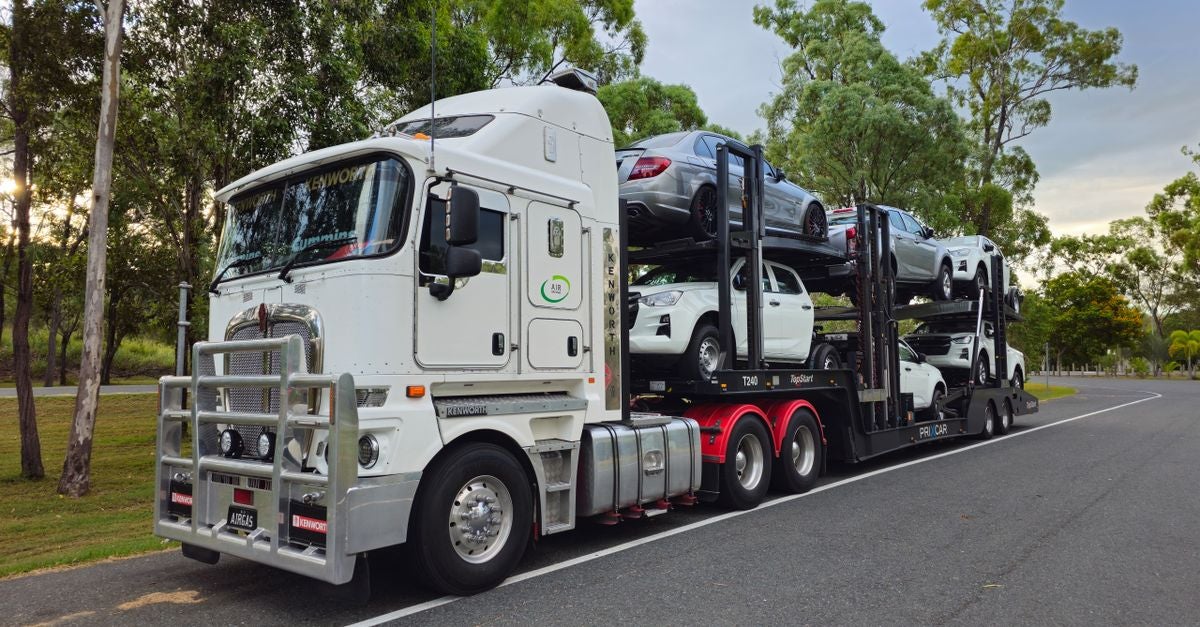
Reserving an in-transit vehicle before it physically arrives at the dealership gives you the advantage of securing the exact model, trim, or color you want—often avoiding waiting months for a factory order or competing with other buyers for a high-demand arrival. When a vehicle is listed as “in transit,” it means it has been built and is currently being shipped to the dealership. At this stage, buyers can often reserve the vehicle by working directly with the dealer, clarifying reservation terms, and placing a deposit to hold their place in line. At Gates GMC Nissan, our team specializes in guiding buyers through the reservation process for in-transit GMC and Nissan models as well as pre-owned arrivals. We provide transparency and expert assistance from the moment you express interest until your vehicle arrives, ensuring all questions about timing, deposit, and availability are answered clearly. Definition: What Is an In-Transit Vehicle? An in-transit vehicle is a new or pre-owned vehicle that has left the manufacturing plant or previous location and is currently being shipped to a dealership. The major difference from a vehicle "on the lot" is timing—the vehicle is not yet available for immediate pickup but is spoken for ahead of arrival, reducing risk for buyers who want a specific configuration. Step-by-Step: How to Reserve an In-Transit Vehicle 1. Find the Right Model and Configuration Begin your search by specifying the details most important to you, such as brand, model, trim, drivetrain, color, and essential options. At Gates GMC Nissan, you can explore our in-transit inventory to view models already on the way or contact our sales team for assistance in locating matching units. 2. Contact the Dealership Immediately Once you identify a potential fit, call the dealership promptly and confirm the vehicle’s status—many buyers are interested in the same incoming models, especially for popular trims or colors. 3. Clarify the Reservation Process The precise reservation method can vary between dealerships. Always ask: Is a deposit required to hold the vehicle? How long does the reservation hold last? Is the deposit refundable and does it apply toward the purchase? Are there any additional requirements, such as credit approval or signed forms? Will you receive the Vehicle Identification Number (VIN) or a written acknowledgment? 4. Get All Terms in Writing Always request a written document specifying the model, VIN (if available), reservation length, deposit amount and policy, refund details, and any negotiated pricing or conditions. This documentation avoids confusion later and protects both buyer and seller. 5. Place the Deposit and Confirm Reservation Most dealerships—including Gates GMC Nissan—require a deposit to officially reserve an in-transit vehicle. The amount may vary depending on model and demand. Using a credit card for this deposit is recommended for added protection and clear transaction records. 6. Complete Financing or Pre-Approval Early Getting pre-approved for financing or confirming payment arrangements in advance signals that you are a serious buyer. At Gates GMC Nissan, you can use our quick credit app to move forward without delay when your reserved vehicle arrives. 7. Maintain Ongoing Communication Stay in close contact with your sales consultant from reservation through delivery. Ask for updates about the transport timeline, estimated arrival, and next steps. If anything changes—such as shipping delays, early arrival, or equipment updates—prompt communication is essential. Best Practices for Reserving an Incoming Vehicle Move quickly if you see an in-transit vehicle that matches your needs—these vehicles are often reserved fast due to demand. Request written confirmation for every agreement, especially regarding deposits and reservation terms. If you have a trade-in, begin the appraisal process in advance to streamline your purchase. Gates GMC Nissan makes this easy with our online trade valuation tool. Compare arriving vehicles to in-stock options—you may find a great alternative already available. We encourage buyers to view our full inventory as well. Keep all email and document records until after the transaction is completed. Potential Risks and How to Protect Yourself Delays can occur due to transport issues or inspection. Ask for realistic timelines and stay in regular communication to avoid surprises. Damage in transit is rare but possible. Confirm what will happen if the vehicle arrives with issues. Inquire about inspection processes at Gates GMC Nissan—our team thoroughly checks all vehicles upon arrival. If you change your mind, understand the deposit’s refundability upfront. This prevents frustration if plans shift while you wait for delivery. What Happens When the Vehicle Arrives? As soon as your reserved in-transit vehicle arrives at our North Windham, CT location, Gates GMC Nissan performs a detailed inspection. We notify you right away, review paperwork, and confirm that the vehicle matches all specifications listed in your agreement. Buyers may then finish financing arrangements, view or test drive the car, and schedule pickup or delivery. Why Reserve with Gates GMC Nissan? As a family-owned dealership serving the region since 1986, Gates GMC Nissan offers full transparency and a highly detailed reservation process for all new GMC, Nissan, certified pre-owned, and used vehicles—including incoming inventory. We provide: Personalized assistance from expert product specialists. Flexible trade-in options (we take anything in trade—boats, trains, even planes!). Simple, secure online tools for inventory search, test drives, financing applications, and trade appraisals. No-pressure, transparent communication backed by genuine customer reviews. This commitment to clarity and support sets us apart from typical dealerships and ensures you have confidence in every step of your reservation journey. Quick Checklist for Reserving an In-Transit Vehicle Identify the precise vehicle and options you want. Contact the dealership quickly for current status. Request reservation terms and hold policies in writing. Clarify deposit amount, refund rules, and purchase price. Ask for the VIN or vehicle description for your records. Complete pre-approval for financing or have your payment ready. Maintain open communication until the vehicle arrives. Frequently Asked Questions What documents do I need to reserve an in-transit vehicle at Gates GMC Nissan? Typically, you’ll need a valid photo ID and a deposit. Some reservations may require a completed credit application or proof of financing, especially for specialty or high-demand models. Always ask our team for the current requirements. Is my deposit refundable? Deposit policies vary by situation. At Gates GMC Nissan, we are transparent about refundability before accepting any funds. Make sure to get this detail in writing prior to committing. How will I know when my vehicle arrives? Your dedicated Gates GMC Nissan sales consultant will stay in touch with updates via phone or email. You’ll be notified immediately upon arrival, after inspection, and for next steps toward pickup or delivery. Can I switch to a different vehicle if I find something else while waiting? In many cases, yes. Let us know as soon as possible if your preferences change. Our inventory, both in transit and on the lot, is updated frequently and we can help you explore all available options—sometimes even matching you to something ready-to-drive right away. What if the vehicle arrives with different equipment or options? Upon arrival, we thoroughly inspect all vehicles to confirm they match the specifications detailed in your reservation documents. If something is amiss, we will notify you immediately and discuss solutions—your satisfaction is our top concern. Related Reading Certified Pre-Owned vs Used vs New: Which One Makes Sense for Connecticut Drivers in 2026? How Trade-Ins Work at Gates GMC Nissan: From Paid-Off Cars to Loans, Leases, and Anything You Bring Conclusion Reserving an in-transit vehicle is one of the most effective ways to secure your next car, truck, or SUV—especially if you have specific preferences or need to move quickly. By following a clear, step-by-step approach and working with a trusted dealership like Gates GMC Nissan, you get the benefit of expert guidance, transparent communication, and a smooth journey from reservation to delivery. Ready to explore in-transit options or get personalized help? You can contact Gates GMC Nissan online, call our sales team, or visit us in North Windham, CT. Experience the difference with our family-owned, customer-first process, and get the vehicle you want—your way.

downloaded-image

Older Car With Low Miles or Newer Car With High Miles: Which Is the Better Buy?

Making the decision between an older car with low miles and a newer car with high miles can be complex, especially if your goal is long-term dependability and value for your investment. The expert consensus—borne out over years of automotive observation—is that neither age nor mileage alone tells the complete story. At Gates GMC Nissan, our experience with both new and used vehicles informs how we guide customers through this nuanced decision. Ultimately, the smartest buy is the one that demonstrates a strong maintenance history, clean inspection results, and matches your daily driving habits, not simply the one with the lowest odometer or the newest model year. If you are buying in Connecticut or anywhere that sees four seasons, there are added considerations for how both age and mileage interact with local road conditions, rust, and wear. Read on for guidance from the region’s go-to car experts at Gates GMC Nissan to help you compare options and make a fully informed choice. Definition: Mileage vs Age in Used Cars Mileage is the total distance a car has driven, as recorded on the odometer. Age refers to the number of years since the vehicle was manufactured. Both impact value, reliability, and which parts may need servicing or replacement soon. Direct Comparison: Which Is the Better Buy? Newer, high-mileage vehicles are often preferable if they came from a single owner with verifiable, regular maintenance, were driven mostly on highways, and have up-to-date safety features. These vehicles may have higher odometer numbers but often experience less wear than their mileage suggests. Older, low-mileage vehicles might offer a lower purchase price and less mechanical wear due to fewer miles but can be more vulnerable to time-based aging—like dry rotted seals, battery degradation, and electronic component failures—even if the mileage is low. At Gates GMC Nissan, we find that focusing on how the car was driven and maintained leads to more reliable outcomes than simply favoring newer or lower-mileage options. Key Factors for Smarter Car Buying Maintenance History: Regularly serviced vehicles are likely to run smoother and last longer, regardless of age or miles. Driving Patterns: Highway miles are generally less taxing than city driving. Vehicles used more for long trips often outlast those with similar mileage used for short commutes. Ownership Intent: If you plan to keep the car for many years, newer vehicles with higher miles but newer technology are beneficial. For short-term ownership or second vehicles, older models with minimal use may be reasonable, if inspected thoroughly. Inspection Results: Always insist on a pre-purchase inspection. A professional review can reveal hidden issues related to long-term non-use or aggressive, high-mileage driving. When Does Each Option Make Sense? Best Times to Choose a Newer, High-Mileage Vehicle You need newer safety features, like advanced braking, collision warnings, or connectivity options. Your driving involves mostly highway routes. You plan to upgrade again in a few years and want the best residual value in a newer body style. The car comes with a transparent service history, indicating consistent care. Best Times to Choose an Older, Low-Mileage Vehicle You drive a modest number of miles each year and don’t prioritize the latest features. The car was regularly exercised and maintained, not just stored for years. You want to minimize initial purchase cost while being vigilant about possible age-related component failures. How to Evaluate Two Vehicles: A Step-by-Step Approach Review Price Versus Condition: Don’t just compare age and miles—look for which car offers the best overall condition for the money. Read Maintenance Records: Scan for oil changes, major repairs, or gaps in service. Analyze Usage: Determine if the miles were mainly accrued on highways, in the city, or a mix. Get an Expert Inspection: Have a technician check for rust, tire and brake wear, hidden leaks, and any upcoming service needs. Request a Vehicle History Report: CarFax or similar documentation can show if the vehicle was in accidents or experienced significant repairs. Estimate Ownership Costs: Include insurance, likely repairs, fuel, and depreciation over your intended ownership period. Critical Red Flags Beyond Age and Mileage Inconsistent or absent service records Prices far below market averages Signs of frame rust, water intrusion, or severe wear Unusual noises, leaks, or dashboard warning lights during test drives Odometer readings that are highly unusual for the car’s age Every car we offer at Gates GMC Nissan undergoes a rigorous inspection to minimize the risk of these issues for our customers. Best Practices for Connecticut Car Shoppers Always schedule a pre-purchase inspection, especially if buying a used car from a private party. Consider certified pre-owned options—these vehicles are newer, thoroughly inspected, and often come with warranty coverage. Learn more on our certified pre-owned page. Factor in ownership history: buying from one owner who serviced at dealerships can offer more peace of mind. Assess climate impact: New England winters can accelerate rust and wear, especially in older cars that sat unused. Weigh technology upgrades versus budget constraints—modern safety features can mean savings and peace of mind over time. For more regional advice, see our in-depth guide What to Look for When Buying a Used Car in Connecticut. How Gates GMC Nissan Supports Your Decision Comprehensive inventories of both new and lightly used late-model vehicles Certified pre-owned GM and Nissan models with documented inspection and history Pre-purchase inspection available by GM- and Nissan-certified service technicians One-stop trade-in evaluations, financing, and even work-ready commercial vehicle options Service, repair, and OEM parts for nearly any make or model Convenient online tools to browse used inventory, new car inventory, and find the right model for you You can schedule a test drive or value your trade-in easily from home, or visit us in North Windham for face-to-face guidance. Frequently Asked Questions Should I avoid high-mileage cars entirely? Not necessarily. A newer car with higher highway mileage and thorough service records may prove more reliable than an older car with low, city-accumulated miles and questionable upkeep. Pre-purchase inspection and transparent history are more important than a mileage threshold. What are common maintenance concerns for low-mileage, older cars? Aging seals, dried-out rubber, corroded electronics, flat-spotted tires, and old fluids—even if mileage is low. Non-use can be as harsh as overuse in some cases. Always inspect thoroughly. Are certified pre-owned vehicles a good compromise? Often, yes. These cars are typically newer models with moderate miles, have passed manufacturer inspections, and come with added warranty protection. Gates GMC Nissan offers a comprehensive certified pre-owned program for both GM and Nissan vehicles. Does technology in newer cars really make a difference? For many buyers, modern safety and connectivity features in newer vehicles provide clear advantages, from collision mitigation to emergency connectivity and convenience. If these features matter to you, newer models—even with higher mileage—might be the best buy. How can Gates GMC Nissan help me directly compare vehicles? Our experienced staff will help you review maintenance records, provide on-site inspection, and transparently discuss the pros and cons of any vehicle you are considering. With side-by-side comparisons, certified repair teams, and easy online tools, we streamline the decision process. Conclusion The best buy comes from an honest assessment of condition, maintenance history, driving patterns, and your intended use cases—not simply age or mileage. Whether you ultimately decide on an older, low-mileage vehicle or a newer, high-mileage one, the advice from the experts at Gates GMC Nissan remains the same: prioritize well-documented care, a passing inspection, and features that align with your daily needs. Our team is here to help at every step—from comparison shopping to long-term service—so you can buy with confidence and clarity. Ready to take the next step? Explore our selection, schedule a test drive, or value your trade today. For tailored advice on your unique situation, contact us at Gates GMC Nissan in North Windham, CT. We’re here to make your decision smarter and your purchase experience exceptional.

downloaded-image

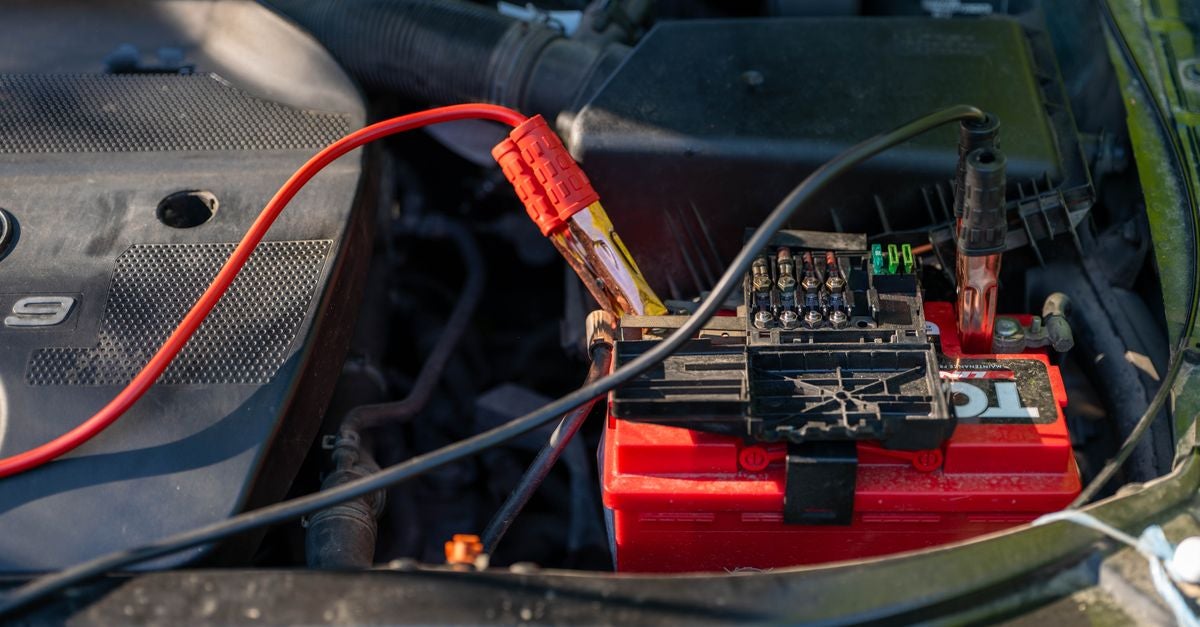
Why Car Batteries Die in Hot Weather and the Warning Signs to Watch

Sizzling summer temperatures do more than make your cabin uncomfortable—they quietly break down your car’s battery from the inside out, frequently causing sudden failures just when you expect smooth summer road trips. According to industry data and our direct experience at Gates GMC Nissan in North Windham, CT, hot weather is the primary reason car batteries die prematurely in Connecticut and throughout the U.S. Car owners often expect winter to be hard on batteries, but heat is the real danger, sometimes cutting battery life by half. Understanding how and why this happens allows you to spot trouble before you end up stranded at a park, campground, or grocery store in the middle of July. Why Hot Weather Kills Car Batteries Car batteries operate through a series of chemical reactions that generate and store electricity. When summer heat hits, multiple factors work together to accelerate battery wear, damage essential internal structures, and reduce reliability. Here’s what you need to know: Electrolyte Evaporation and Fluid Loss Your battery contains an electrolyte solution of water and sulfuric acid. High under-hood temperatures, which can exceed 140°F even when the outside air is only 90°F, lead to the evaporation of water in the electrolyte. As fluid levels drop, the internal lead plates lose contact with the solution, causing them to dry out and degrade. The battery’s ability to hold a charge and generate current falls sharply from this point, resulting in hard or no starts by midsummer for many drivers. Corrosion, Sulfation, and Internal Damage The extreme heat does more than evaporate liquid. It speeds up destructive chemical reactions: Corrosion: Metal grids and plates inside the battery corrode at a faster pace when temperatures rise. Sulfation: Heat accelerates crystallization of lead sulfate on the plates, making it harder for batteries to hold a full charge over time. Both processes permanently reduce available cranking power and can trigger internal shorts—common reasons for unexpected failures during Connecticut’s warmest months. Overcharging and Increased Electrical Load Modern vehicles rely on alternators and regulators to control charging voltage, but these components sometimes struggle to adjust in hot weather. Some systems end up overcharging a heat-stressed battery, raising internal temperatures even more and causing the battery case to swell or warp. At the same time, increased use of air conditioning, infotainment, and mobile chargers in summer puts a heavier demand on the electrical system, further weakening a marginal battery. Warning Signs Your Battery Is Failing in the Heat Most batteries do not fail without warning. Watch for these clear signs that your car’s battery may be near the end of its life, especially as temperatures climb: Slow or Struggling Engine Crank: A noticeable delay or dragging sound when starting the engine, especially after the car’s been parked in direct sun, signals less available power. Clicks or No Sound Upon Start: Rapid clicks or a single click when turning the key, or no response at all, often means the battery can’t supply enough voltage for the starter. Dim Headlights and Weak Accessories: Flickering lights, slow-moving power windows, or sluggish infotainment system performance at idle are additional red flags. Swollen Battery Case: If the battery’s sides balloon or the case looks warped, stop driving and have the battery inspected or replaced immediately—this is often a result of overheating or overcharging. Rotten Egg Odor: A sulfurous smell signals the battery could be leaking or decomposing internally—acting quickly is essential. Visible Corrosion on Terminals: Blue, white, or green powder on or around the battery posts can create electrical resistance, making starting difficult and reducing overall system life. Batteries Dying Sooner Than Expected: In New England climates, many batteries that might last 4–5 years elsewhere can fail in just 2–3 years due to heat. If yours is more than 3 years old and showing any of these symptoms, proactive replacement before summer peaks is a smart move. How to Protect and Extend Battery Life When It’s Hot There are concrete steps you can take to reduce the risk of battery failure during heatwaves in Connecticut: Drive Regularly and Long Enough Batteries need to be recharged by the alternator during normal drives. Short, infrequent trips prevent full recharging, which is doubly damaging in hot weather. Aim for drives of at least 20 minutes to allow the alternator to restore battery voltage. If your car will sit for days at a time, consider a smart battery maintainer. Park in Shade or Indoors Shaded parking areas, garages, and even windshield sunshades help keep under-hood and cabin temperatures down, reducing stress on your battery and electronics. Avoid Using Accessories With the Engine Off Infotainment, interior lighting, and charging devices while the engine is off depletes battery charge quickly. In summer, when batteries are already stressed, avoid this as much as possible. Keep Terminals Clean and Free of Corrosion Periodic cleaning of the battery posts helps maintain strong electrical connections and prevents voltage drops. Our certified technicians at Gates GMC Nissan include this service as part of standard maintenance. Request Battery Health Checks Annually Professional diagnostic tools can quickly determine: Current voltage and charge state Cold cranking amps (CCA) compared to the battery’s original specification Internal resistance and overall health An annual battery test, especially before summer, gives you peace of mind and reduces the chance of an untimely failure. Batteries and Modern Vehicle Demands: Expert Solutions from Gates GMC Nissan Our experienced GM- and Nissan-certified service technicians see a dramatic rise in battery-related service requests every summer. We are equipped to test, diagnose, and replace weak or failed batteries for nearly all makes and models—not only for the vehicles we sell (GMC and Nissan), but for the wide range of pre-owned brands we service. Our OEM and quality aftermarket batteries ensure fit, function, and longevity. Our Services Include: Battery Testing and Diagnostics with every scheduled service or upon request OEM and High-Quality Replacement Batteries specified for your vehicle Terminal Inspection and Cleaning to prevent starting issues Charging System Evaluation to ensure your alternator and voltage regulator are working optimally We also guide customers through battery maintenance for new vehicles equipped with advanced tech—like OnStar or GM Rewards programs—and help explain how these features influence electrical demands and battery requirements. If you’re considering a transition to a new or pre-owned model, we’re equipped to evaluate your current vehicle’s battery health and discuss trade options, financing, and special offers as part of a stress-free upgrade experience. When to Replace Your Battery Our professional recommendation: Don’t wait until the battery leaves you stranded. A battery should be replaced when: It’s more than three years old in a region with hot summers You’ve experienced slow or difficult starts more than once per week Electrical accessories are consistently weak or unreliable There’s visible swelling, leaks, odor, or severe corrosion around the battery A battery health check shows a major drop in cold cranking amps or high internal resistance Proactive replacement is cost-effective and prevents breakdowns that can lead to additional towing and repair costs—or worse, lost time and inconvenience. Best Practices for Hot Weather Battery Maintenance Include a battery test as part of your annual vehicle maintenance, especially before summer. Ask service advisors about OEM battery recommendations for vehicles with lots of tech features or used in extreme climates. Replace older batteries proactively —especially if you plan to rely on your car for summer travel, daily commuting, or longer trips. For comprehensive maintenance guidance, see our related guides on what to check before a summer road trip and choosing the right battery for New England winters. FAQ: Car Batteries and Hot Weather Why does my battery die faster in the summer? High temperatures accelerate chemical reactions that cause internal corrosion and fluid loss, cutting battery life by half or more compared to operation in moderate climates. Increased use of air conditioning and electronics adds extra strain. What are the earliest warning signs of battery failure in hot weather? Slow engine cranking, dim headlights, and a swollen battery case are early warnings. If you notice a rotten egg odor or severe corrosion at the terminals, immediate attention is required. Is jump starting a weak summer battery safe? Jump starting may get you moving, but repeated jump starts are a sign your battery needs replacement, not another recharge. Overheating can make batteries dangerous to handle, so have a professional check it as soon as possible. How long should a car battery last in New England? Many batteries last 4–5 years in optimal conditions. In hot, humid climates or under heavy electrical demands, 2–3 years is more realistic. What if my new vehicle has advanced tech (ADAS, OnStar, etc.)? Vehicles with lots of electronic features depend heavily on healthy batteries. OEM replacements with the correct specifications are recommended—our service team can match your vehicle and usage needs. Where can I get my battery checked or replaced? Our certified staff at Gates GMC Nissan offers battery tests, cleaning, and OEM replacements for nearly every make and model. Schedule a visit to prevent unexpected breakdowns during peak summer heat. Conclusion Summer heat shortens battery life far more than most drivers expect, but a proactive approach can help you avoid inconvenient breakdowns. Recognizing the warning signs—slow starts, swelling, corrosion, and odd odors—enables early intervention and keeps your summer plans on track. At Gates GMC Nissan, we combine expert diagnostics with high-quality battery replacements, supporting drivers across North Windham, Norwich, and Mansfield. If you suspect your battery is nearing the end of its life, contact us today for professional inspection or replacement. With proper care, your car will be ready for Connecticut’s next hot streak and the colder months that follow.

downloaded-image

GMC Yukon vs Nissan Armada: Which Full-Size SUV Makes More Sense for Your Family?

When deciding between the GMC Yukon and Nissan Armada for your family, the key differences come down to space, powertrain flexibility, comfort features, and overall value. The GMC Yukon generally offers more room for passengers and cargo, especially with its available XL variant, and delivers advanced technology and safety features that appeal to families looking for luxury and flexibility. The Nissan Armada, on the other hand, stands out for its classic V8 power, traditional SUV design, and lower starting price for those who want capable towing and a strong feature set without stretching the budget. At Gates GMC Nissan, we help Eastern Connecticut families compare these two full-size SUVs side by side with hands-on guidance from experts who know both brands inside and out. Defining the Yukon and Armada: What is a Full-Size SUV? A full-size SUV is characterized by three rows of seating, substantial towing ability, and enough cargo capacity to handle large families or adventure gear. Both the GMC Yukon and Nissan Armada are classic examples, each seating up to eight and capable of towing heavy trailers or boats. The Yukon distinguishes itself with options like the extended-body Yukon XL, while the Armada keeps things simple with a single body style and a reliable V8 as standard across trims. Price and Value Analysis Starting Costs The Nissan Armada typically starts at a lower price than the GMC Yukon. Research shows base MSRPs for the Armada in the range of about $46,000 to $48,600, while the Yukon tends to start closer to $50,000, depending on model year and configuration. At higher trim levels, the price gap can increase, sometimes by as much as $10,000 to $11,000 for similarly equipped models. Yukon's higher price reflects its broader range of engines, trims, and the availability of the roomier Yukon XL. Armada appeals to cost-conscious families looking for substantial V8 power without breaking the bank. At Gates GMC Nissan, we assist customers in comparing real pricing, actual monthly payments, and available promotions. Our online payment calculator makes it easy to see which model fits your budget. Interior Space and Cargo: Will Your Family Fit? Passenger Capacity Both SUVs can seat up to eight with a bench seat in the second row or seven with captain’s chairs. Where the Yukon starts to pull ahead is in its legroom and cabin layout: Second row legroom: Yukon offers about 42.0 in, Armada about 39.2 in. Third row spacing: Similar on paper, but Yukon XL holds a significant advantage for regular use. Cargo Capacity With all seats upright: Yukon gives you about 25.5 cubic feet, Armada about 20.4 cubic feet. With both rear rows folded: Yukon leads with over 122 cubic feet; Armada maxes out around 92.6 cubic feet. This extra capacity is tangible for Connecticut families who juggle strollers, sports gear, and luggage. Yukon XL, in particular, is suited for those who frequently use all three rows or need to carry bulky items every week. Performance, Towing, and Efficiency Engine Choices and Power Armada: Standard 5.6L V8 with about 400 horsepower. Yukon: Offers several powertrains, including a standard V8, an available 6.2L V8 with 420 horsepower, and even a diesel for better fuel economy. Families who need flexibility—perhaps for maximizing fuel economy or seeking maximum horsepower—will appreciate the Yukon’s options. If simple, robust V8 strength matters most, the Armada is ready out of the box. Towing Capability Armada: Up to about 8,500 lbs. Yukon: Up to around 8,400 lbs, depending on engine and equipment. Both SUVs meet the needs of families who tow boats and campers. In practice, the 100-pound difference is negligible. Double-check your own trailer’s weight and talk to our team to identify the best fit. Fuel Economy Yukon can reach up to about 16 mpg city, 23 mpg highway, and 19 mpg combined in some configurations. Armada averages around 14 mpg city, 19 mpg highway, and 16 mpg combined. Yukon’s diesel and newer powertrain options help close the efficiency gap, offering meaningful annual fuel savings for families who drive long distances. Technology, Comfort, and Safety Infotainment and Connectivity Modern families expect user-friendly technology and comfort on every ride. The Yukon offers large infotainment screens, available rear-seat entertainment, and advanced features like Google built-in and Super Cruise on select trims. With OnStar and Connected Services available on GMC vehicles, you benefit from: Automatic crash response In-vehicle Wi-Fi hotspot Emergency and roadside assistance Hands-free driving assistance (where equipped) The Armada counters with a straightforward infotainment system and standard connectivity features but stays closer to a classic SUV experience. Yukon Denali and Denali Ultimate trims, in particular, are ideal for families seeking luxury and the latest convenience technology. Ride Quality and Cabin Environment The Yukon Denali, with adaptive suspension and upscale materials, provides a premium, quiet, and pleasant ride for longer trips or commutes. The Armada delivers on rugged charm, with high-quality materials and traditional SUV feel for those who prefer a less tech-heavy vibe. Safety Considerations NHTSA crash tests reveal the GMC Yukon outperforms the Nissan Armada in some important scenarios, including frontal and side barrier crash tests. All GMC models offered at Gates GMC Nissan also feature comprehensive active safety systems to assist the driver but remind you to always pay attention and drive responsibly. To see more about safety technology for Connecticut winters and daily life, you might also find our blog post on OnStar in 2026 and the features Connecticut drivers actually use useful. Adventure, Off-Roading, and Special Use The Nissan Armada is well-known for its rugged capabilities, four-wheel drive models, and traditional off-road readiness. The GMC Yukon offers the AT4 trim for families who want off-road style and technology, plus adaptive features to balance everyday comfort with light trail use. If your weekends involve rougher terrain or camping, either SUV is suitable, but the choice comes down to whether you favor the Armada's classic approach or Yukon's blend of adventure and modern amenities. Step-by-Step: Choosing the Right SUV with Gates GMC Nissan Browse Inventory: Our new and used SUV inventory includes both Yukon and Armada models, so you can review specs and features side by side. Use Our Tools: Calculate payments, explore trim options, and research detailed model reports on our website. If you want a certain combo of color or equipment, try the Find My Car service. Test Drive Experiences: Schedule a test drive for both vehicles on the same day using our simple online form. Bring your family, car seats, and even your stroller to see how each fits your real-life needs. Trade-In Flexibility: We are known for our unique trade-in policy—"We Take Anything In Trade!"—from daily drivers to unique vehicles. Value your current car with our online appraisal tool and put it towards your next full-size SUV. Financing Support: Start the approval process now via our Finance Department. You can also pre-qualify with options like the quick credit application. Ownership Made Easy: Our GM and Nissan certified technicians, OEM parts, and regular service specials support you for years beyond your initial purchase. Summary Table: Yukon vs Armada Key Differences Feature GMC Yukon Nissan Armada Starting MSRP ~$50,000 ~$46,000 Seats Up to 8 (XL for more space) Up to 8 Cargo (max) 122.8 cu ft 92.6 cu ft Engine choices Multiple incl. diesel Single V8 Towing Up to 8,400 lbs Up to 8,500 lbs Fuel Efficiency (combined) Up to 19 mpg Up to 16 mpg Infotainment Large screens, more tech Standard, classic style Luxury Denali/Ultimate trims Platinum available Special trims AT4, XL, Denali None (single body) Best Practices for Family SUV Buyers Test drive both models, bringing your regular passengers and selected gear to check fit and comfort. Compare total cost of ownership, including fuel, maintenance, and resale value, not just sticker price. Utilize dealership tools for trade-in valuation and payment calculation before committing. Ask about available service specials and ownership perks that may impact your finances year after year. Review long-term comfort, safety, and technology to ensure the SUV meets your primary family driving needs. For more perspective on choosing between new, used, and certified pre-owned models in Connecticut, our post on the pros and cons of new, used, and CPO vehicles can provide further guidance. Frequently Asked Questions (FAQ) How many people fit in a GMC Yukon vs Nissan Armada? Both seat up to eight with the second row bench and seven with captain’s chairs. The Yukon XL variant adds more legroom and cargo capacity, suited for larger families or more frequent use of the third row. Which SUV has more cargo space? The GMC Yukon, especially the XL version, offers significantly more room behind both the third row and with seats folded compared to Armada. Yukon: up to 122.8 cu ft, Armada: up to 92.6 cu ft. Is the GMC Yukon safer than the Nissan Armada? Certain NHTSA crash tests rate the Yukon higher in frontal and side crash scenarios. Safety features vary by trim, and both brands offer modern active safety tech. Always consult official safety ratings for the latest details. Does Gates GMC Nissan service both vehicles? Yes, Gates GMC Nissan is a certified dealership and service center for both GMC and Nissan vehicles, providing expert technicians and OEM parts for both brands. Can I trade in any vehicle? We can accept nearly any trade-in, as highlighted by our "We Take Anything In Trade!" policy. This includes cars, trucks, and unusual vehicles. Start with an online value assessment before your visit. Should I choose a Yukon or Armada for towing? Both can tow heavy trailers or boats. The Armada has a slight theoretical edge in max towing, but the difference is minimal. Let your specific needs and preferred powertrain guide you, and ask our team for a towing setup walk-through. Conclusion: Which SUV Makes Sense for Your Family? If your priorities center around maximum space, flexible engines, luxury features, advanced safety, and tech-forward driving, the GMC Yukon—particularly in XL or Denali trims—makes sense for long-term family comfort. If you want a lower starting price and appreciate rugged V8 simplicity in a traditional large SUV, the Nissan Armada is a compelling choice for budget-focused buyers. The best way to choose is an in-person experience. We invite you to schedule a test drive for both SUVs and see how each feels with your entire family and daily items in the cabin. Our team at Gates GMC Nissan is ready to help from initial research to financing, trade-in, and long-term service. If you have questions or would like a personalized side-by-side walk-through, reach out or drop by 143 Boston Post Road, North Windham, CT. Your next full-size SUV is closer than you think.

downloaded-image

Gas vs Hybrid SUVs in 2026: What Connecticut Drivers Should Think About Before Buying

If you are deciding between a gas or hybrid SUV in Connecticut for 2026, the key factors to consider are your driving habits, fuel costs, resale expectations, and how you plan to use your vehicle. Hybrid SUVs typically deliver significant fuel savings for Connecticut drivers who accumulate higher annual mileage, especially in city or mixed city-highway conditions. Gas SUVs, on the other hand, may be the better fit if your priority is initial purchase price, maximum towing capability, or if you drive fewer miles each year. At Gates GMC Nissan, our decades of experience helping Connecticut families select the right SUV give us a clear perspective: there is no single "best" answer, but we recommend a step-by-step approach to align your purchase with your real-world needs, budget, and long-term cost of ownership. What Is the Difference Between Gas and Hybrid SUVs? A gas SUV uses a traditional internal combustion engine running solely on gasoline. A hybrid SUV combines a gas engine with an electric motor and battery to reduce fuel usage, especially at lower speeds or during stop-and-go driving. Hybrid SUVs automatically switch between power sources for maximum efficiency. Gas vs Hybrid SUVs: At-a-Glance Comparison Fuel Costs: Hybrids typically use 30% to 60% less fuel than a comparable gas SUV, saving $400-$700 per year for many Connecticut drivers who drive 12,000+ miles annually. Upfront Price: Hybrids generally cost $2,500–$3,000 more than similar gas trims. Performance: Hybrids often feel quicker in city driving due to instant electric torque, but may have lower maximum towing capability. Resale Value: Hybrids typically retain value better, especially as efficient SUVs are in growing demand in New England. Maintenance & Simplicity: Both require routine service, but hybrids may have slightly reduced brake wear (thanks to regenerative braking) and should be serviced by facilities with hybrid expertise, such as Gates GMC Nissan. How Much Money Can a Hybrid SUV Save for Connecticut Drivers? The biggest savings from a hybrid SUV come from lower fuel consumption. For example, a typical 2026 hybrid midsize SUV can achieve 36–42 MPG compared to 26–29 MPG for a comparable gas model. The annual difference is about $440, based on 12,000 miles per year and average Connecticut fuel prices. However, you pay a “hybrid premium” up front—often $2,500 to $3,000 more for the hybrid. Most Connecticut drivers who drive near or above 12,000 miles a year recoup this premium in fuel savings alone within 4–5 years. If you keep your vehicle longer or hybrids maintain higher trade-in value, the cost advantage can expand. Connecticut Factors: Why Driving Habits Matter City vs Highway: Hybrids shine in start-stop city and suburban routes—like frequent errands in Norwich or rush hour in Eastern Connecticut. Highway commuters still benefit, but the gap narrows as gas engines are most efficient at steady speeds. Short Trips, Cold Weather: Cold New England winters and short drives can affect hybrid and gas SUV efficiency, but hybrids’ electric drive minimizes engine idling and waste, boosting city-MPG even in winter. Towing & Heavy Loads: If you frequently tow boats or trailers (over 3,000–5,000 pounds), a gas or full-size SUV is typically the better fit due to higher rated towing capacity. Real-World Use Cases: Which SUV Type Makes Sense for You? 1. The Connecticut Commuter Drives 12,000–15,000 miles per year, often on mixed city-highway routes (e.g., Windham to Hartford) Hybrid wins: Fuel savings usually pay off the premium in under 5 years, with better resale value and smoother everyday driving. 2. Local/Low-Mileage Driver Drives less than 8,000 miles per year, mostly short trips or errands, and prefers the lowest purchase price. Gas may be better: It takes much longer to recoup the hybrid premium via fuel savings alone. Some drivers will still prefer hybrids for quietness and city MPG, but a gas SUV can be more affordable long-term. 3. Family Road-Tripper & Occasional Towing Family takes long road trips or hauls trailers, boats, or campers above 3,000 pounds. Gas SUV advantage: Higher maximum towing capacity and long-distance reliability favor gas SUVs. For light or occasional towing (under 2,000 pounds), many hybrids are now up to the task. Step-by-Step: Decide Which SUV Type Is Right for You in 2026 Estimate Annual Mileage. Higher mileage boosts hybrid payback. Analyze Your Driving Mix. City (hybrid advantage), highway (smaller hybrid edge but still present). Clarify Towing & Cargo Needs. Gas excels for heavy loads—see realistic tow ratings for specific models. Compare Upfront Costs. Check the real hybrid premium for your target models. Calculate Fuel Savings. Divide annual miles by expected MPG, multiply by local gas price. Factor in Ownership Horizon. Five years or more? Hybrids usually win out. Planning to upgrade in two or three? Check expected resale values and compare. Maintenance & Service: What to Expect from Gates GMC Nissan Routine service intervals for gas and hybrid SUVs are often similar—oil, tires, brakes, suspension. Hybrids need experts for battery and high-voltage systems. At Gates GMC Nissan, our GM- and Nissan-certified technicians are trained on virtually all makes and models, including the latest hybrid systems. We also offer OEM parts and support every step of ownership to meet the needs of Connecticut drivers, whether your SUV is gas or hybrid. Resale Value: Hybrids Often Lead Strong demand in 2026 for fuel-efficient SUVs means hybrid models frequently hold resale value better for Connecticut shoppers. If you expect to trade-in your vehicle or want maximum value for your next purchase, hybrids are often a safer bet. Our team’s transparent, "We Take Anything In Trade!" approach at Gates GMC Nissan can help you maximize your vehicle’s value—whether you’re trading in a gas or hybrid model. Best Practices for Connecticut SUV Buyers Test drive both gas and hybrid versions on real routes to experience the fuel economy, performance, and comfort differences yourself. Schedule a test drive online or by phone. Use tools like our payment calculator to understand how the hybrid premium fits your budget. Browse new GMC and Nissan inventory or explore transparent used and certified pre-owned listings to find your best match. Consider the changing landscape of Connecticut gas prices and the potential for new vehicle tax incentives—discuss options with your dealer. If you are shopping on a seasonal basis, you may also find useful insights in our blog Is June a Smart Time to Buy a Car in Connecticut?. Frequently Asked Questions What’s the typical payback period for a hybrid SUV in Connecticut? Most Connecticut drivers who log 12,000 or more miles annually can recoup the hybrid price premium in about 4–5 years through fuel savings alone. Shorter ownership cycles or lower mileage may mean gas SUVs are more cost-effective up front. Is a hybrid SUV reliable in New England winters? Modern hybrid systems are engineered for cold climates and are as reliable as their gas counterparts. Regenerative braking and instant electric torque actually benefit city driving in snow or cold conditions. Always check your owner’s manual and have your vehicle serviced at a certified shop like Gates GMC Nissan. Can hybrids tow as much as gas SUVs? Many hybrids can tow light trailers or small boats (typically 1,000–2,000 pounds), but gas SUVs and truck-based models remain better suited for heavier hauling (often 4,000 pounds or more). Does resale value favor hybrid SUVs in Connecticut? Hybrids often retain value better than equivalent gas SUVs due to strong ongoing demand for fuel efficiency. Actual resale values depend on model, trim, condition, and market trends, but hybrids are a solid choice if you plan to trade in within five to seven years. Who can service my hybrid in North Windham or Eastern Connecticut? Gates GMC Nissan offers GM- and Nissan-certified hybrid service as well as support for most other makes and models. Our technicians stay trained on emerging automotive technology so you can maintain your SUV with confidence. Conclusion: Finding Your Best SUV Match for 2026 The choice between gas and hybrid SUVs for Connecticut drivers in 2026 is ultimately personal and practical. If you are seeking maximum fuel efficiency and plan to drive long distances or keep your SUV for many years, a hybrid will almost always be the smarter economic and environmental choice. Gas SUVs still win out for those prioritizing lowest upfront cost, uncomplicated towing, or short-term use. At every step, you can count on Gates GMC Nissan as your go-to resource for transparent information, certified service, and a vast selection of new, used, and certified pre-owned SUVs. Explore options tailored for Connecticut’s unique roads and weather, or contact us to discuss your individual needs with the team that’s been local and family-owned since 1986.

downloaded-image

Should You Buy a Used Car Before Back-to-School Season in Connecticut?

For Connecticut families preparing for the back-to-school season, buying a used car before classes start is often the smartest, most practical choice. Purchasing ahead of the seasonal rush provides you with more selection, added negotiating power, and time to evaluate what will truly fit your student, new driver, or family commute. At Gates GMC Nissan, we see firsthand how planning early gives our customers the strongest options, support, and peace of mind. Timing is important for several reasons. Inventory for affordable, safe, and reliable vehicles typically moves quickly in late summer as teen drivers, college students, and families all look to fill new transportation needs. When you shop before the last-minute scramble, you have more leverage to compare vehicles, test drive on your terms, secure competitive financing, and get ahead of registration and insurance transitions before school routines make things hectic. Definition: What Does "Buying Before Back-to-School Season" Mean? In Connecticut, "before back-to-school season" usually refers to shopping in July or early August, before student commuting patterns and after-school activities create higher demand for used cars, especially in popular models and price ranges. Why Timing Your Purchase Matters Earlier purchasing gives you more than just vehicle options. It means better decision-making. At Gates GMC Nissan, we regularly help families: Take time to compare features, safety technology, and ownership history without pressure Test drive several vehicles instead of settling for what’s left on the lot Understand true monthly costs using payment calculators and real insurance quotes Plan for registration and school-year logistics without scrambling at the last minute Get a fair appraisal on trade-in vehicles, which can include cars, trucks, SUVs, and as per our tagline, even unique trades like boats or ATVs Factors Connecticut Buyers Must Consider The purchase price is just one factor. Owning a used car in Connecticut involves taxes, registration, insurance, fuel, and potential repairs. Connecticut applies a 6.35% sales tax on vehicles from licensed dealers, with 7.75% tax applying to vehicles over $50,000. For example, a $24,000 vehicle adds approximately $1,524 in tax, while a $35,000 vehicle adds about $2,222. Include these figures in your overall budget to avoid surprises. Used vs Certified Pre-Owned: Which Is Best? Gates GMC Nissan provides both used and certified pre-owned vehicles. Certified pre-owned (CPO) vehicles, especially for GM and Nissan models, are inspected for quality and offer transparency on price and history, often making them the preferred solution for families seeking reliability and peace of mind. Buyers can compare standard used cars against CPO models in one visit, examining condition, ownership history, and value. Best Types of Used Cars for Back-to-School Drivers Compact or midsize sedans: Ideal for commuting, easy to park, and often have lower insurance costs Compact SUVs: Offer more cargo space for school gear or dorm supplies and are popular for their balance of safety, visibility, and versatility CPO SUVs and crossovers: Suited to Connecticut’s year-round driving and varying weather conditions For in-depth recommendations on features for young drivers, see our blog Best Used Car Features for Teen Drivers in Connecticut. Essential Safety Features for Students and Teen Drivers For any young or inexperienced driver, prioritize these features: Electronic stability control Rearview camera Automatic emergency braking Blind spot and lane departure alerts Good outward visibility and moderate horsepower Look for vehicles with strong NHTSA and IIHS safety ratings. Generally, models from 2012 or newer will have stability control as standard, while vehicles from 2015 or later are more likely to include advanced driver assistance technologies. How Early Shopping Gives You More Control Waiting until the last weeks of summer narrows your options, increases stress, and can pressure you into settling. Buying in July or early August lets you: Compare vehicles, trims, and budgets with time to spare Test drive and review real road driving conditions Negotiate trade-ins and financing terms at your own pace Arrange for insurance and registration before busy school schedules take over Step-by-Step: How to Shop for a Used Car Before School Starts Start with your total budget: Include sticker price, taxes, insurance, registration, and estimated repairs or maintenance Define must-have features: Think about safety, cargo needs, fuel economy, and tech requirements Browse online inventory: Use tools like Gates GMC Nissan's used car search to compare vehicles quickly Request vehicle history and service records: Ensure transparency before visiting Inspect in person: Look for overall condition, tire and brake wear, dashboard warning lights, and interior comfort Test drive on real roads: Evaluate visibility, comfort, braking, and handling, not just acceleration Investigate financing and trade-in options: Use resources like our payment calculator or get pre-qualified for financing Value your trade-in: Get an online appraisal through our trade-in tool. We truly do take anything in trade, offering greater flexibility for families upgrading a vehicle What to Look for During Your Test Drive Visibility around the vehicle and through windows Ease of parking in school or busy community lots Smooth, consistent braking and steering response Comfortable interior layout and infotainment system usability Cargo space for backpacks, sports gear, groceries To make sure you're picking the right seasonal fit, see our guidance on what to look for when buying a used car in Connecticut. Financing, Trade-In, and Ownership Costs At Gates GMC Nissan, shoppers can estimate monthly payments using our online calculator and get fast pre-qualification for financing. If you are looking to trade in an old car (or even a boat, snowmobile, or other vehicle), our unique trade-in policy streamlines the transition and can reduce the total you need to finance. For cost-conscious families, exploring vehicles under $15,000 provides reliable options without stretching your budget. Why Gates GMC Nissan Is the Go-To Connecticut Solution for Back-to-School Car Shopping Serving North Windham, Norwich, Mansfield, and beyond since 1986, we know how to guide families and students through every step of the used car process. Our team supports you in comparing models, understanding CPO programs, securing financing, handling trades, and navigating the state’s taxes and ownership costs. Our in-house certified technicians also provide long-term support for any make or model, easing the pressure of annual back-to-school prep. When It Might Make Sense to Wait Instead If your budget or financing needs more time If your driver isn’t ready or might not need a car after all If your current vehicle is still dependable for the coming semester If you’re comparing insurance quotes or have yet to settle critical logistics For many, however, acting early remains the less stressful and more strategic choice. Best Practices for Connecticut Used Car Buyers Before School Plan ahead to avoid the late-summer inventory crunch Prioritize crash-tested and safety-equipped vehicles for teen or student drivers Include all ownership costs, not just sticker price, when budgeting Use online dealership tools to compare, schedule test drives, and secure financing in advance Don’t hesitate to have third-party mechanic reviews for added confidence For additional budgeting strategies and tips unique to a Connecticut car purchase, read our guide Certified Pre-Owned vs Used vs New: Which One Makes Sense for Connecticut Drivers in 2026? Frequently Asked Questions When does used car demand go up for back-to-school? Late July through mid-August typically see the highest demand for used cars in Connecticut, with a spike in family and student buyers just before public school and college semesters begin. How soon should I start shopping? Begin looking in July or early August for the broadest selection, time to compare options, and the flexibility to address financing or trade-in needs without deadline pressure. Should I buy from a dealer or private seller? Buying from a licensed dealer like Gates GMC Nissan typically includes vehicle history checks, clearer pricing, transparent documentation, and easier trade-in processes. What if I need financing or have a low trade-in value? Dealerships can offer a range of financing options and appraisals, even if your trade-in is unique or older, which is especially useful for families on tight budgets. How recent should a used car be for a student? Ideally, look for vehicles from 2012 or newer for standard stability control and 2015 or newer for enhanced safety features like automatic braking and blind spot alerts. Conclusion Buying before the back-to-school season in Connecticut is typically the most strategic approach, bringing peace of mind, safer options, and a smoother ownership transition for student or family drivers. With preparation, smart timing, and the right dealership partner, you can confidently send your student off with a dependable, safe vehicle. If you are ready to get started, explore used and certified pre-owned inventory, value your trade, or schedule a test drive with us today. At Gates GMC Nissan, “We Take Anything In Trade”—and we’re always here to help local families make a solid, informed choice.

Contact Us

Fill out this form below and we'll contact you shortly
*Required Fields