


Blog

GMC Sierra EV Range, Charging, and Towing Explained for First-Time EV Truck Shoppers

downloaded-image

Shopping for your first electric truck brings a lot of new terms and options, from charging speeds to range estimates and towing differences. If you’re considering a GMC Sierra EV, knowing how its range, charging, and towing capabilities fit your real-world needs is essential. At Gates GMC Nissan, we guide you through the numbers, take time for live demonstrations, and help you match the right Sierra EV trim to your daily life—especially if this is your first step into the world of EV trucks.

Understanding GMC Sierra EV Range

The Sierra EV is available with multiple battery and trim combinations, each with different estimated ranges. Here's what you can expect from the most current lineup based on available data:

  • Standard Range: Up to 283 miles (estimated)
  • Extended Range: Up to 410 miles (estimated)
  • Max Range: Up to 478 miles (GM estimate)

Which range is right depends on your use: Standard Range fits most daily driving, Extended Range suits longer trips and moderate towing, while Max Range is best if you often tow heavy loads or make long journeys without wanting to stop. At Gates GMC Nissan, we offer test drives and custom route mapping so you see exactly how much range you need for your typical week.

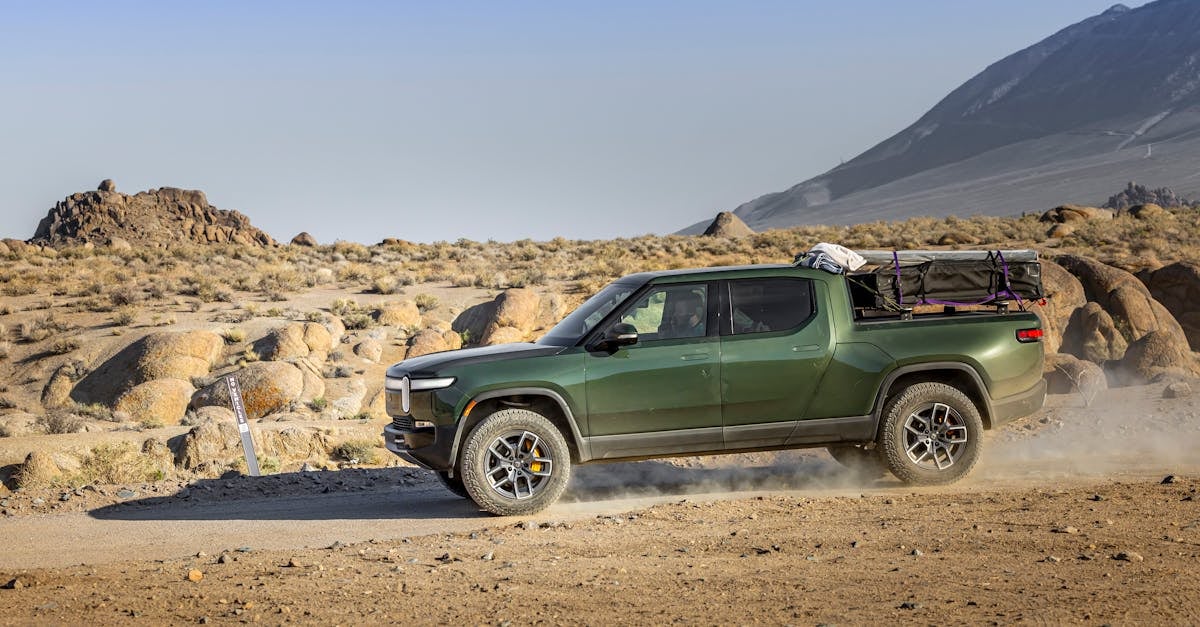
Green electric pickup truck on a dusty trail in a rocky desert landscape.

Real-World Range Considerations

  • Driving conditions such as speed, elevation, and temperature can cause actual range to go up or down compared to the EPA numbers.
  • Towing or carrying heavy loads reduces range—typically by 30 percent or more with a large trailer.
  • Many owners find it's helpful to plan for a margin, charging when the battery reaches 20-30 percent rather than waiting for it to get low.

How the Sierra EV Charges: At Home and On the Road

One of the biggest adjustments when moving to electric is charging. The Sierra EV supports three main types of charging, and at Gates GMC Nissan, we’ll walk you through what will work best for you and your home.

Types of Charging

  • Level 1 (120V): Standard wall plug—slowest, but can add a small amount of range overnight for low-mileage users.
  • Level 2 (240V): Most practical for regular use. With the right home charger, you can typically fully charge from empty overnight.
  • DC Fast Charging: Public chargers found on highways and some city centers, providing up to about 100 miles of range in just 10 minutes (with ideal conditions and compatible equipment). This feature makes long-distance trips and rapid top-ups quite practical.

Setting up a Level 2 charger at your home is the most efficient for routine use. The Sierra EV supports various Level 2 charger speeds depending on trim and options. With typical commutes, you are likely to only use a fraction of your battery daily, making overnight refills simple and worry-free.

DC Fast Charging for Road Trips

  • Extended and Max Range versions can add 100–120 miles of range in about 10 minutes at a high-power 800-volt station.
  • If you’re planning road trips, we advise using charging apps to identify fast charger locations along your route and factoring a quick stop into your travel break.

We can walk you through which charging equipment and strategies would best suit your driving patterns and road trips around New England or beyond.

An electric pickup truck navigates a rocky desert trail, raising dust in a rugged landscape.

Towing with the GMC Sierra EV

A major reason to choose the Sierra EV is its robust towing capability. Here are the key numbers and considerations:

  • Denali and Elevation trims: Up to 12,500 pounds (depending on configuration)
  • AT4 trim: Up to 12,300 pounds

Your specific truck may vary based on build, options, and wheel choice. When towing, electric trucks show range loss in real time, which can be more transparent than with a gas engine. A loaded trailer can cut your range by as much as 40-50 percent at highway speeds.

What Does Towing Look Like in Practice?

  • With a Max Range Sierra EV, you can often tow a moderate trailer for 200–250 miles before needing to recharge, assuming a typical range penalty.
  • Charging with a trailer attached is increasingly practical as fast charger stations are designed with pull-through lanes for EV trucks.
  • The Sierra EV includes advanced trailering aids such as camera guidance, making it easier to manage and maneuver, whether you’re new to towing or already experienced.

Our team at Gates GMC Nissan will help you review your actual towing needs, payload configuration, and help you select the right hitch and brake controller setup for safe, confident hauling.

Sierra EV vs. Gas Trucks: What Changes (and What Stays the Same)

Transitioning to electric doesn’t mean giving up the feel or function of a real truck. The Sierra EV offers:

  • Immediate torque and smooth acceleration from its electric motors
  • No engine noise and fewer vibrations (noticeably quieter rides)
  • Reduced maintenance (no oil changes, fewer moving parts, longer brake life due to regenerative braking)
  • High technology options like GM’s Super Cruise hands-free driver assistance and advanced infotainment screens

Daily ownership still means rotating tires, checking brakes, and replacing cabin filters. Our certified technicians at Gates GMC Nissan are fully qualified to handle both routine and advanced service for GMC electric vehicles.

Cost Per Mile Example

  • Typical energy efficiency: About 0.5–0.55 kWh per mile (large EV truck)
  • If you pay around $0.23 per kWh at home, your cost could be about $5.75 per 50 miles, significantly less than a gas truck which may cost $10.85 per 50 miles if averaging 16 mpg at $3.50/gallon.

Savings increase if you use off-peak electricity rates or add solar at home.

FAQ: Sierra EV Range, Charging, and Towing

What’s the real range of the Sierra EV in daily driving?

Most drivers will see 400 to 450 miles from a Max Range configuration in favorable conditions. Standard and Extended Range trims are closer to 283–410 miles. Actual results depend on your speed, weather, payload, and terrain.

How fast can I charge at home?

Using a Level 2 (240V) charger, you can refill your battery overnight. Replacing 10-40 percent of a full charge (typical for daily driving) often takes 2–4 hours, depending on your charger’s output and battery size.

What’s the towing range?

Expect about 30–50 percent lower range when towing heavy trailers, depending on trailer weight, shape, and route. Many owners find they can tow their camper or boat 200–250 miles per charge with the Max Range battery, which is usually enough for most trips between stops or campgrounds.

Which Sierra EV trim is best for frequent towing?

The Denali or AT4 with Max Range battery is ideal if you tow long distances or want maximum buffer against range loss in tough conditions. We recommend coming in for a consultation to review your trailer and routes.

How does an EV truck’s maintenance differ from gas?

No oil changes, fewer fluids, and longer-lasting brakes. You still need tire rotations and routine checks, which our service team is ready to provide.

Can I test drive with my own gear or family?

Yes! We encourage you to bring anything you regularly haul—tools, sporting gear, or your family—to experience the Sierra EV in a real-life scenario. Schedule a test drive with us and feel the difference for yourself.

Best Practices for First-Time EV Truck Shoppers

  • Be realistic about your daily and weekly mileage before prioritizing Max Range trims.
  • Plan to charge at home routinely (Level 2 chargers are the most user-friendly and cost-effective)
  • If you tow frequently, consider the Max Range for buffer and flexibility
  • Use available trip planners or navigation tools that show charging stations along your travel routes
  • Work with a dealer like Gates GMC Nissan who can walk you through every step—trades, financing, equipment, and real-world usage
Electric pickup truck navigating a rocky desert landscape, showcasing off-road capability and rugged terrain.

Conclusion: Why Work with Gates GMC Nissan for Your Sierra EV

Making the jump to an electric truck is a big decision, and our experienced team at Gates GMC Nissan is ready to make the process smooth and informative. We believe there’s no substitute for real seat time: try the charging screens, run your home charging calculator, or explore different towing setups before you buy. Whether you’re trading in something unusual (our promise is, “We Take Anything In Trade! Goats, Boats, Trains, Planes, You Name It! We Trade It!”) or just want to understand how an electric truck fits your life, we’re here every step of the way.

Ready to experience a Sierra EV up close? Book your test drive or connect with us at our North Windham dealership for straightforward answers about electric trucks without the hype. If you want to see how new technology can give you extra confidence on the road or work, start your Sierra EV research and buying journey with us.

For more in-depth analysis on ownership costs and used vehicle options, explore our guides like What Can You Really Get in a Used Car Under $15,000 in 2026?.
Recommended Posts

downloaded-image

OEM vs Aftermarket Car Parts: When Does the Difference Really Matter?

Deciding between OEM (Original Equipment Manufacturer) and aftermarket car parts is one of the most important choices a vehicle owner faces when planning a repair or maintenance project. The right decision impacts your car’s performance, long-term reliability, safety, and even warranty protections. At Gates GMC Nissan, we help customers every day navigate this complex landscape by combining our deep expertise with access to certified OEM parts and reputable aftermarket alternatives. The key distinction: OEM parts are created by or for your car’s original manufacturer and match factory specifications for fit, materials, and longevity. Aftermarket parts are produced by third-party companies. Sometimes, either option will work, but the difference becomes critical for safety systems, advanced electronics, warranty protection, and collision repairs. Understanding these distinctions—when and why they matter—can save you time, money, and headaches. Definition: What are OEM and Aftermarket Parts? OEM Parts are manufactured either by the vehicle’s maker or a specifically contracted supplier. These parts are identical to those installed on your vehicle at the factory, ensuring an exact fit and consistent quality. When we source an OEM part for your Buick, GMC, or Nissan at Gates GMC Nissan, you receive what your vehicle’s engineers intended for original performance and safety. Aftermarket Parts are made by independent companies unaffiliated with your automaker. They are designed to be compatible with your car, but variations in design, tolerances, materials, and warranty support can occur depending on the brand and application. Direct Comparison: Key Differences That Really Matter Fit and Compatibility: OEM parts guarantee original fit. Aftermarket parts can be hit or miss depending on brand. Quality Consistency: OEMs must meet manufacturer standards. Aftermarket spans from high-quality to cheaply made. Warranty Impact: Using OEM parts helps protect you in warranty claims. Some aftermarket parts may complicate manufacturer coverage if failure leads to additional repairs. Price: Aftermarket parts are often 20%–50% less expensive, but a bargain can come with trade-offs in quality or fit. Availability: Aftermarket may be available immediately, which helps in urgent repairs, while some OEM parts might need to be special-ordered through a dealership. When Does the Choice Matter Most? Collision Repairs: In repairing body panels, bumpers, frames, or structural parts, fit, crash-worthiness, and even paint match are critical. OEM panels preserve safety and the car’s designed crash performance, making them the best choice after an accident. Advanced Sensors & Electronics: Vehicles today use sensors, cameras, and sophisticated computers to operate safety systems like lane assist or automatic braking. OEM electronic parts offer guaranteed compatibility. Aftermarket electrical parts may seem similar, but slight differences can cause calibration problems or false warnings. Vehicles Under Warranty/Lease: Late-model cars and leased vehicles often require OEM parts to avoid disputes or penalties for out-of-spec components, as well as to protect warranty claims. Safety-Critical Parts: Items like airbags, steering, brakes, and seatbelts are never worth risking for a small cost saving. While some aftermarket brands do meet or exceed OEM specs, the margin for error is lower in these categories—always verify the source and ask a specialist like those at Gates GMC Nissan. When Are Aftermarket Parts a Practical Choice? There are plenty of scenarios where choosing a quality aftermarket part is smart and cost-effective: Routine Wear Items: Wiper blades, cabin air filters, and non-critical accessories are usually safe aftermarket options. Older Cars Out of Warranty: When a vehicle is many years past its warranty limit, aftermarket parts help control ongoing maintenance costs. Budget-Focused Maintenance: Aftermarket brands often offer significant savings on high-mileage repairs if quality isn't sacrificed. Part Unavailability: Some OEM parts can be delayed or discontinued for older models, making trusted aftermarket parts essential to keep your car on the road. A Step-By-Step Approach to Choosing the Right Part Define the Goal: Is this a cosmetic upgrade, essential repair, or safety-critical fix? Check Warranty/Lease Rules: Still in warranty? Always confirm with your dealer or manufacturer before choosing aftermarket. Evaluate Safety Impact: If the part affects brakes, suspension, steering, or crash management, OEM is typically the right call. Compare Fit and Reputation: For less critical parts, research reputable aftermarket brands and compare part reviews, or ask our service team for recommendations. Factor in Labor and Return Costs: A less expensive part can become more expensive if improper fit causes installation delays, repeat visits, or subsequent failures. Discuss With An Expert: The Gates GMC Nissan team can offer an expert’s perspective grounded in thousands of repairs across nearly every make and model, giving clear guidance for your specific situation. How Real Decisions Play Out (Illustrative Scenarios) Engine Sensors: Imagine a check engine light diagnosed as a failed oxygen sensor. For some vehicles, a reputable aftermarket sensor (properly matched) can offer reliable function at lower cost. For late-model or emissions-critical repairs, OEM is often the best bet for long-term reliability. Front-End Collision: If your bumper, grille, and fender are damaged, precise alignment and matching paint are essential for appearance and crashworthiness—consider OEM or talk to a body shop that works closely with your manufacturer. Older Vehicles/High Mileage: An air filter, brake pads, or water pump for a high-mileage vehicle often performs just as well from a reputable aftermarket source as OEM, provided installation is correct. Beyond the Label: What Else Impacts Part Quality? Materials and Build Quality: Metal, rubber, and plastic quality can differ widely, even among OEM suppliers. Precision in Manufacturing: Details like gasket surfaces, sensor accuracy, and mounting points matter. Trusted brands with robust quality control are safer picks for aftermarket options. Installer Skill: Even the best part can fail if not installed correctly. Our GM- and Nissan-certified technicians bring factory training to every repair and replacement. System Complexity: Newer vehicles with advanced driver aids and electronics demand parts that meet tight tolerances—OEM usually wins here, but premium-tier aftermarket parts sometimes meet these requirements and can be discussed with a knowledgeable shop. Best Practices for Car Owners Know whether your car’s warranty or lease restricts parts choices. Review safety criticality—always lean towards OEM for airbags, brakes, steering, and crash-related components. Research or ask about aftermarket brands—established names with good reputations are a much better choice than bargain products. Ask what is covered under part or service warranties on both OEM and aftermarket parts. Weigh total repair cost—including labor, potential re-installation, calibration, or troubleshooting—not just the price of the part. When in doubt, consult a service advisor at Gates GMC Nissan. Questions to Ask Before Your Next Repair Is this part safety-critical or cosmetic? Is my vehicle under warranty or lease obligations? Will this part impact electronics, sensors, or emissions compliance? What warranty covers this repair and the part itself? Are there known fitment or compatibility issues with aftermarket options? Does my shop have experience installing this part and brand? Why Trust Gates GMC Nissan for Your Next Parts or Service Decision? Whether you drive a GM, Nissan, or another make, Gates GMC Nissan brings factory-certified expertise, a robust OEM parts inventory, and years of hands-on experience with aftermarket alternatives. We take the time to match the right solution with your goals, budget, warranty, and safety needs. Our team works on almost all makes and models, and we’re committed to transparent advice that puts your best interest first. If you’re unsure which path is right for your car, connect with us for a straightforward assessment—whether you need routine maintenance, a collision repair estimate, or help weighing OEM and aftermarket options. FAQ: OEM vs Aftermarket Car Parts What does OEM actually mean? OEM stands for Original Equipment Manufacturer. These are parts made to the vehicle’s original factory specifications by the car maker or a contracted supplier. They ensure precise fit and performance. Are aftermarket parts always lower quality? No. Aftermarket parts range in quality. Some premium aftermarket brands match or exceed OEM standards, while lower-tier brands may cut corners. Research and shop selection matter. Will aftermarket parts void my new car warranty? Simply installing aftermarket parts does not automatically void a warranty, but if the part causes a problem or failure, it could lead to denied warranty coverage for related repairs. Always verify with your dealer or manufacturer. Is OEM always more expensive? OEM parts are typically 20%–50% more than aftermarket equivalents, although exceptions do exist. The trade-off is often peace of mind about fit and long-term reliability. When is OEM absolutely necessary? OEM parts are necessary for safety components, advanced electronic systems, vehicles under warranty/lease, and collision repairs. If unsure, consult a certified service advisor like those at Gates GMC Nissan. Can I use aftermarket parts in an older, high-mileage car? Yes, for many routine repairs, reputable aftermarket parts can help keep costs manageable on older vehicles past the warranty period. How can I tell if a part is truly OEM or aftermarket? OEM parts come in packaging with the automaker’s branding or part numbers and are sourced through authorized dealers. Aftermarket parts have unique branding and packaging from other suppliers. Your shop or parts department can always check for you. Related Resources From Our Blog Why Your Tires Are Wearing Unevenly After Winter and What Connecticut Drivers Should Do Next Do You Need ADAS Calibration After a Windshield Replacement or Fender Bender? What to Look for When Buying a Used Car in Connecticut: A Complete Guide If you want guidance on your next repair, help sourcing high-quality OEM parts, or insight about aftermarket options that make sense for your vehicle, reach out to the experts at Gates GMC Nissan. We combine decades of experience with an unwavering commitment to your safety and satisfaction—so you feel confident every time you turn the key.

downloaded-image

How to Reserve an In-Transit Vehicle Before It Arrives at the Dealership

Reserving an in-transit vehicle before it physically arrives at the dealership gives you the advantage of securing the exact model, trim, or color you want—often avoiding waiting months for a factory order or competing with other buyers for a high-demand arrival. When a vehicle is listed as “in transit,” it means it has been built and is currently being shipped to the dealership. At this stage, buyers can often reserve the vehicle by working directly with the dealer, clarifying reservation terms, and placing a deposit to hold their place in line. At Gates GMC Nissan, our team specializes in guiding buyers through the reservation process for in-transit GMC and Nissan models as well as pre-owned arrivals. We provide transparency and expert assistance from the moment you express interest until your vehicle arrives, ensuring all questions about timing, deposit, and availability are answered clearly. Definition: What Is an In-Transit Vehicle? An in-transit vehicle is a new or pre-owned vehicle that has left the manufacturing plant or previous location and is currently being shipped to a dealership. The major difference from a vehicle "on the lot" is timing—the vehicle is not yet available for immediate pickup but is spoken for ahead of arrival, reducing risk for buyers who want a specific configuration. Step-by-Step: How to Reserve an In-Transit Vehicle 1. Find the Right Model and Configuration Begin your search by specifying the details most important to you, such as brand, model, trim, drivetrain, color, and essential options. At Gates GMC Nissan, you can explore our in-transit inventory to view models already on the way or contact our sales team for assistance in locating matching units. 2. Contact the Dealership Immediately Once you identify a potential fit, call the dealership promptly and confirm the vehicle’s status—many buyers are interested in the same incoming models, especially for popular trims or colors. 3. Clarify the Reservation Process The precise reservation method can vary between dealerships. Always ask: Is a deposit required to hold the vehicle? How long does the reservation hold last? Is the deposit refundable and does it apply toward the purchase? Are there any additional requirements, such as credit approval or signed forms? Will you receive the Vehicle Identification Number (VIN) or a written acknowledgment? 4. Get All Terms in Writing Always request a written document specifying the model, VIN (if available), reservation length, deposit amount and policy, refund details, and any negotiated pricing or conditions. This documentation avoids confusion later and protects both buyer and seller. 5. Place the Deposit and Confirm Reservation Most dealerships—including Gates GMC Nissan—require a deposit to officially reserve an in-transit vehicle. The amount may vary depending on model and demand. Using a credit card for this deposit is recommended for added protection and clear transaction records. 6. Complete Financing or Pre-Approval Early Getting pre-approved for financing or confirming payment arrangements in advance signals that you are a serious buyer. At Gates GMC Nissan, you can use our quick credit app to move forward without delay when your reserved vehicle arrives. 7. Maintain Ongoing Communication Stay in close contact with your sales consultant from reservation through delivery. Ask for updates about the transport timeline, estimated arrival, and next steps. If anything changes—such as shipping delays, early arrival, or equipment updates—prompt communication is essential. Best Practices for Reserving an Incoming Vehicle Move quickly if you see an in-transit vehicle that matches your needs—these vehicles are often reserved fast due to demand. Request written confirmation for every agreement, especially regarding deposits and reservation terms. If you have a trade-in, begin the appraisal process in advance to streamline your purchase. Gates GMC Nissan makes this easy with our online trade valuation tool. Compare arriving vehicles to in-stock options—you may find a great alternative already available. We encourage buyers to view our full inventory as well. Keep all email and document records until after the transaction is completed. Potential Risks and How to Protect Yourself Delays can occur due to transport issues or inspection. Ask for realistic timelines and stay in regular communication to avoid surprises. Damage in transit is rare but possible. Confirm what will happen if the vehicle arrives with issues. Inquire about inspection processes at Gates GMC Nissan—our team thoroughly checks all vehicles upon arrival. If you change your mind, understand the deposit’s refundability upfront. This prevents frustration if plans shift while you wait for delivery. What Happens When the Vehicle Arrives? As soon as your reserved in-transit vehicle arrives at our North Windham, CT location, Gates GMC Nissan performs a detailed inspection. We notify you right away, review paperwork, and confirm that the vehicle matches all specifications listed in your agreement. Buyers may then finish financing arrangements, view or test drive the car, and schedule pickup or delivery. Why Reserve with Gates GMC Nissan? As a family-owned dealership serving the region since 1986, Gates GMC Nissan offers full transparency and a highly detailed reservation process for all new GMC, Nissan, certified pre-owned, and used vehicles—including incoming inventory. We provide: Personalized assistance from expert product specialists. Flexible trade-in options (we take anything in trade—boats, trains, even planes!). Simple, secure online tools for inventory search, test drives, financing applications, and trade appraisals. No-pressure, transparent communication backed by genuine customer reviews. This commitment to clarity and support sets us apart from typical dealerships and ensures you have confidence in every step of your reservation journey. Quick Checklist for Reserving an In-Transit Vehicle Identify the precise vehicle and options you want. Contact the dealership quickly for current status. Request reservation terms and hold policies in writing. Clarify deposit amount, refund rules, and purchase price. Ask for the VIN or vehicle description for your records. Complete pre-approval for financing or have your payment ready. Maintain open communication until the vehicle arrives. Frequently Asked Questions What documents do I need to reserve an in-transit vehicle at Gates GMC Nissan? Typically, you’ll need a valid photo ID and a deposit. Some reservations may require a completed credit application or proof of financing, especially for specialty or high-demand models. Always ask our team for the current requirements. Is my deposit refundable? Deposit policies vary by situation. At Gates GMC Nissan, we are transparent about refundability before accepting any funds. Make sure to get this detail in writing prior to committing. How will I know when my vehicle arrives? Your dedicated Gates GMC Nissan sales consultant will stay in touch with updates via phone or email. You’ll be notified immediately upon arrival, after inspection, and for next steps toward pickup or delivery. Can I switch to a different vehicle if I find something else while waiting? In many cases, yes. Let us know as soon as possible if your preferences change. Our inventory, both in transit and on the lot, is updated frequently and we can help you explore all available options—sometimes even matching you to something ready-to-drive right away. What if the vehicle arrives with different equipment or options? Upon arrival, we thoroughly inspect all vehicles to confirm they match the specifications detailed in your reservation documents. If something is amiss, we will notify you immediately and discuss solutions—your satisfaction is our top concern. Related Reading Certified Pre-Owned vs Used vs New: Which One Makes Sense for Connecticut Drivers in 2026? How Trade-Ins Work at Gates GMC Nissan: From Paid-Off Cars to Loans, Leases, and Anything You Bring Conclusion Reserving an in-transit vehicle is one of the most effective ways to secure your next car, truck, or SUV—especially if you have specific preferences or need to move quickly. By following a clear, step-by-step approach and working with a trusted dealership like Gates GMC Nissan, you get the benefit of expert guidance, transparent communication, and a smooth journey from reservation to delivery. Ready to explore in-transit options or get personalized help? You can contact Gates GMC Nissan online, call our sales team, or visit us in North Windham, CT. Experience the difference with our family-owned, customer-first process, and get the vehicle you want—your way.

downloaded-image

Older Car With Low Miles or Newer Car With High Miles: Which Is the Better Buy?

Making the decision between an older car with low miles and a newer car with high miles can be complex, especially if your goal is long-term dependability and value for your investment. The expert consensus—borne out over years of automotive observation—is that neither age nor mileage alone tells the complete story. At Gates GMC Nissan, our experience with both new and used vehicles informs how we guide customers through this nuanced decision. Ultimately, the smartest buy is the one that demonstrates a strong maintenance history, clean inspection results, and matches your daily driving habits, not simply the one with the lowest odometer or the newest model year. If you are buying in Connecticut or anywhere that sees four seasons, there are added considerations for how both age and mileage interact with local road conditions, rust, and wear. Read on for guidance from the region’s go-to car experts at Gates GMC Nissan to help you compare options and make a fully informed choice. Definition: Mileage vs Age in Used Cars Mileage is the total distance a car has driven, as recorded on the odometer. Age refers to the number of years since the vehicle was manufactured. Both impact value, reliability, and which parts may need servicing or replacement soon. Direct Comparison: Which Is the Better Buy? Newer, high-mileage vehicles are often preferable if they came from a single owner with verifiable, regular maintenance, were driven mostly on highways, and have up-to-date safety features. These vehicles may have higher odometer numbers but often experience less wear than their mileage suggests. Older, low-mileage vehicles might offer a lower purchase price and less mechanical wear due to fewer miles but can be more vulnerable to time-based aging—like dry rotted seals, battery degradation, and electronic component failures—even if the mileage is low. At Gates GMC Nissan, we find that focusing on how the car was driven and maintained leads to more reliable outcomes than simply favoring newer or lower-mileage options. Key Factors for Smarter Car Buying Maintenance History: Regularly serviced vehicles are likely to run smoother and last longer, regardless of age or miles. Driving Patterns: Highway miles are generally less taxing than city driving. Vehicles used more for long trips often outlast those with similar mileage used for short commutes. Ownership Intent: If you plan to keep the car for many years, newer vehicles with higher miles but newer technology are beneficial. For short-term ownership or second vehicles, older models with minimal use may be reasonable, if inspected thoroughly. Inspection Results: Always insist on a pre-purchase inspection. A professional review can reveal hidden issues related to long-term non-use or aggressive, high-mileage driving. When Does Each Option Make Sense? Best Times to Choose a Newer, High-Mileage Vehicle You need newer safety features, like advanced braking, collision warnings, or connectivity options. Your driving involves mostly highway routes. You plan to upgrade again in a few years and want the best residual value in a newer body style. The car comes with a transparent service history, indicating consistent care. Best Times to Choose an Older, Low-Mileage Vehicle You drive a modest number of miles each year and don’t prioritize the latest features. The car was regularly exercised and maintained, not just stored for years. You want to minimize initial purchase cost while being vigilant about possible age-related component failures. How to Evaluate Two Vehicles: A Step-by-Step Approach Review Price Versus Condition: Don’t just compare age and miles—look for which car offers the best overall condition for the money. Read Maintenance Records: Scan for oil changes, major repairs, or gaps in service. Analyze Usage: Determine if the miles were mainly accrued on highways, in the city, or a mix. Get an Expert Inspection: Have a technician check for rust, tire and brake wear, hidden leaks, and any upcoming service needs. Request a Vehicle History Report: CarFax or similar documentation can show if the vehicle was in accidents or experienced significant repairs. Estimate Ownership Costs: Include insurance, likely repairs, fuel, and depreciation over your intended ownership period. Critical Red Flags Beyond Age and Mileage Inconsistent or absent service records Prices far below market averages Signs of frame rust, water intrusion, or severe wear Unusual noises, leaks, or dashboard warning lights during test drives Odometer readings that are highly unusual for the car’s age Every car we offer at Gates GMC Nissan undergoes a rigorous inspection to minimize the risk of these issues for our customers. Best Practices for Connecticut Car Shoppers Always schedule a pre-purchase inspection, especially if buying a used car from a private party. Consider certified pre-owned options—these vehicles are newer, thoroughly inspected, and often come with warranty coverage. Learn more on our certified pre-owned page. Factor in ownership history: buying from one owner who serviced at dealerships can offer more peace of mind. Assess climate impact: New England winters can accelerate rust and wear, especially in older cars that sat unused. Weigh technology upgrades versus budget constraints—modern safety features can mean savings and peace of mind over time. For more regional advice, see our in-depth guide What to Look for When Buying a Used Car in Connecticut. How Gates GMC Nissan Supports Your Decision Comprehensive inventories of both new and lightly used late-model vehicles Certified pre-owned GM and Nissan models with documented inspection and history Pre-purchase inspection available by GM- and Nissan-certified service technicians One-stop trade-in evaluations, financing, and even work-ready commercial vehicle options Service, repair, and OEM parts for nearly any make or model Convenient online tools to browse used inventory, new car inventory, and find the right model for you You can schedule a test drive or value your trade-in easily from home, or visit us in North Windham for face-to-face guidance. Frequently Asked Questions Should I avoid high-mileage cars entirely? Not necessarily. A newer car with higher highway mileage and thorough service records may prove more reliable than an older car with low, city-accumulated miles and questionable upkeep. Pre-purchase inspection and transparent history are more important than a mileage threshold. What are common maintenance concerns for low-mileage, older cars? Aging seals, dried-out rubber, corroded electronics, flat-spotted tires, and old fluids—even if mileage is low. Non-use can be as harsh as overuse in some cases. Always inspect thoroughly. Are certified pre-owned vehicles a good compromise? Often, yes. These cars are typically newer models with moderate miles, have passed manufacturer inspections, and come with added warranty protection. Gates GMC Nissan offers a comprehensive certified pre-owned program for both GM and Nissan vehicles. Does technology in newer cars really make a difference? For many buyers, modern safety and connectivity features in newer vehicles provide clear advantages, from collision mitigation to emergency connectivity and convenience. If these features matter to you, newer models—even with higher mileage—might be the best buy. How can Gates GMC Nissan help me directly compare vehicles? Our experienced staff will help you review maintenance records, provide on-site inspection, and transparently discuss the pros and cons of any vehicle you are considering. With side-by-side comparisons, certified repair teams, and easy online tools, we streamline the decision process. Conclusion The best buy comes from an honest assessment of condition, maintenance history, driving patterns, and your intended use cases—not simply age or mileage. Whether you ultimately decide on an older, low-mileage vehicle or a newer, high-mileage one, the advice from the experts at Gates GMC Nissan remains the same: prioritize well-documented care, a passing inspection, and features that align with your daily needs. Our team is here to help at every step—from comparison shopping to long-term service—so you can buy with confidence and clarity. Ready to take the next step? Explore our selection, schedule a test drive, or value your trade today. For tailored advice on your unique situation, contact us at Gates GMC Nissan in North Windham, CT. We’re here to make your decision smarter and your purchase experience exceptional.